

Consider fixed deal – but be aware of the risk should prices fall
During a heatwave, the last concern on many minds is their heating and energy bill. However, energy prices are set to increase in July, and analysts forecast that bills, driven primarily by rising gas costs, will likely stay high into the winter months.
Experts advise that taking action now can help save money when the financial pressure intensifies, even if individuals feel they have already maximized their savings.
Approximately 22 million people, representing about 40% of billpayers, currently benefit from fixed tariffs. These deals lock in the cost per unit for the duration of the tariff, typically one year, although the total bill still depends on the volume of energy consumed.
Market options for fixed deals are generally priced below the price cap level. However, if international circumstances change and prices fall sharply, the anticipated savings from these fixed tariffs may not be as significant.
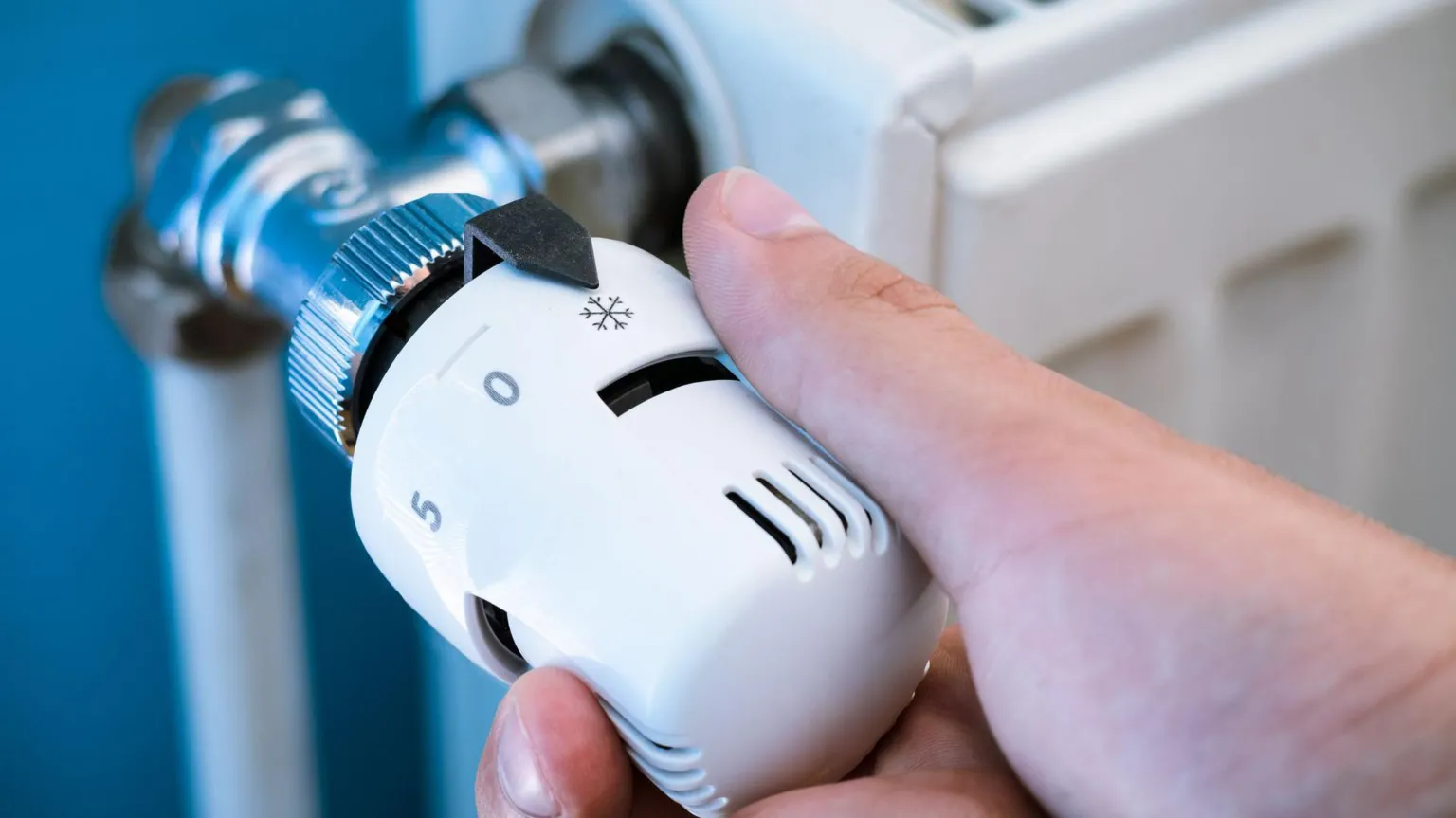
Look at how you pay – monthly is cheaper than quarterly
Regulator Ofgem notes that paying energy bills quarterly rather than via monthly direct debit typically costs about £140 more annually. Despite this, around seven million customers still use so-called standard credit accounts.
While some prefer the quarterly billing schedule, it is a more expensive payment method overall.
Take a fresh look at habits and energy saving measures
The record-breaking heatwave in May may not seem like the ideal time to prepare your home for winter. Nevertheless, experts recommend using this period to assess whether further measures can be taken to improve energy efficiency.
Actions such as blocking draughts, adjusting cooking habits, bleeding radiators, and generally enhancing energy conservation can make a difference. Even short shower times contribute to savings, albeit modest ones. Tools like egg timers or four-minute songs can help keep track of shower duration.
Check whether you are eligible for grants
Millions of pounds remain unclaimed within the benefits system. Pension credit, in particular, is frequently underclaimed but can provide older individuals with financial support and access to additional benefits.
Energy efficiency improvement grants may also be available through schemes organized by local councils. Eligibility depends on factors such as income and location.
Charities like Citizens Advice can assist individuals in determining whether they qualify for such assistance.
Tackle existing energy debt; suppliers may offer relief
Collectively, consumers owe £4.5 billion in unpaid energy bills and charges.
Energy suppliers indicate they may write off portions of this debt, offer payment plans, or assist with the cost of white goods, but only if customers communicate their financial difficulties.
Customers can review the support options provided by their suppliers through various assistance programs.


