

Ferrari Unveils First Fully Electric Car
Luxury sports car manufacturer Ferrari has introduced its first fully electric vehicle, the Luce, priced at $640,000 (£474,320). This new model marks a departure from the traditional Ferrari design as it is the brand's first-ever five-seater, developed in collaboration with the LoveFrom agency, founded by former Apple design chief Sir Jony Ive.
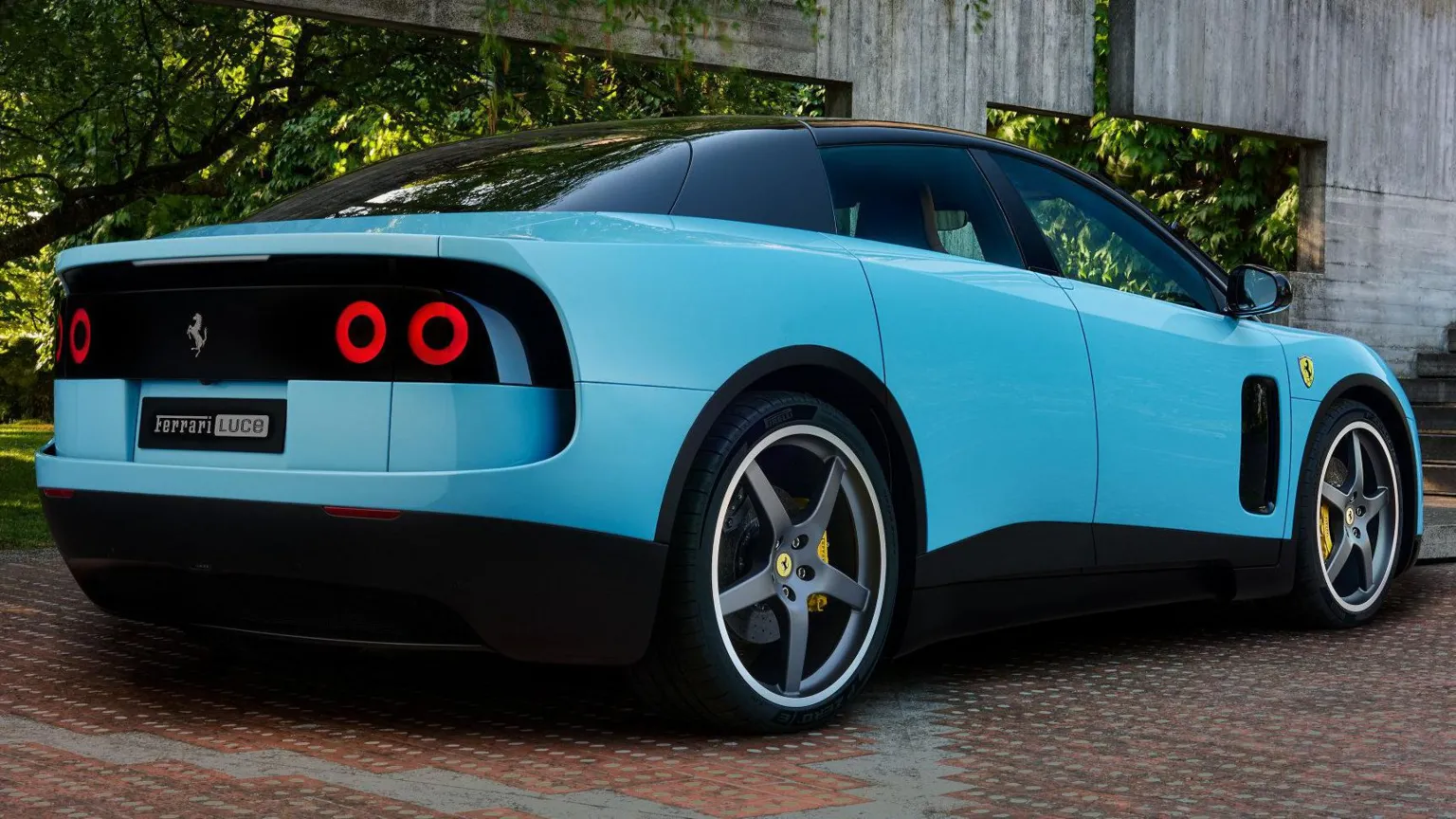
Social media reactions to the launch were mixed, ranging from harsh criticism describing the car as "straight to the junkyard trash" to praise calling it an "absolute masterclass in design." Following the unveiling, Ferrari's shares declined by more than 8% on the Milan stock exchange and dropped over 5% in New York on Tuesday.
Industry Context and Competitor Strategies
In contrast to Ferrari's move, competitors such as Lamborghini and Porsche have scaled back their electric vehicle (EV) plans due to weak demand and fierce competition from Chinese manufacturers. Lamborghini has shifted focus to hybrid models, citing low demand for high-end luxury EVs, while Porsche has reduced its EV ambitions amid poor sales in China and tariffs in the United States.
Development and Technical Specifications of the Luce
Ferrari's CEO, Benedetto Vigna, announced in Rome that the Luce, which means "light" in Italian, took five years to develop. This launch represents a significant shift for Ferrari, which had previously ruled out fully electric vehicles, choosing instead to produce hybrid models powered by both petrol and electricity.
The Luce is equipped with an electric motor on each wheel, all manufactured in-house by Ferrari, enabling the car to accelerate from 0 to 60 mph (96 km/h) in approximately 2.5 seconds. Ferrari emphasized that producing all components internally ensures the vehicle can be serviced by the company well into the future, preserving its resale value.
The transition to electric vehicles has presented substantial challenges for the automotive industry. Several manufacturers, including Ford and Volkswagen, have recommitted to petrol-powered cars, particularly in the US market, due to low EV demand and regulatory changes under former President Donald Trump, who reduced incentives for EV buyers.
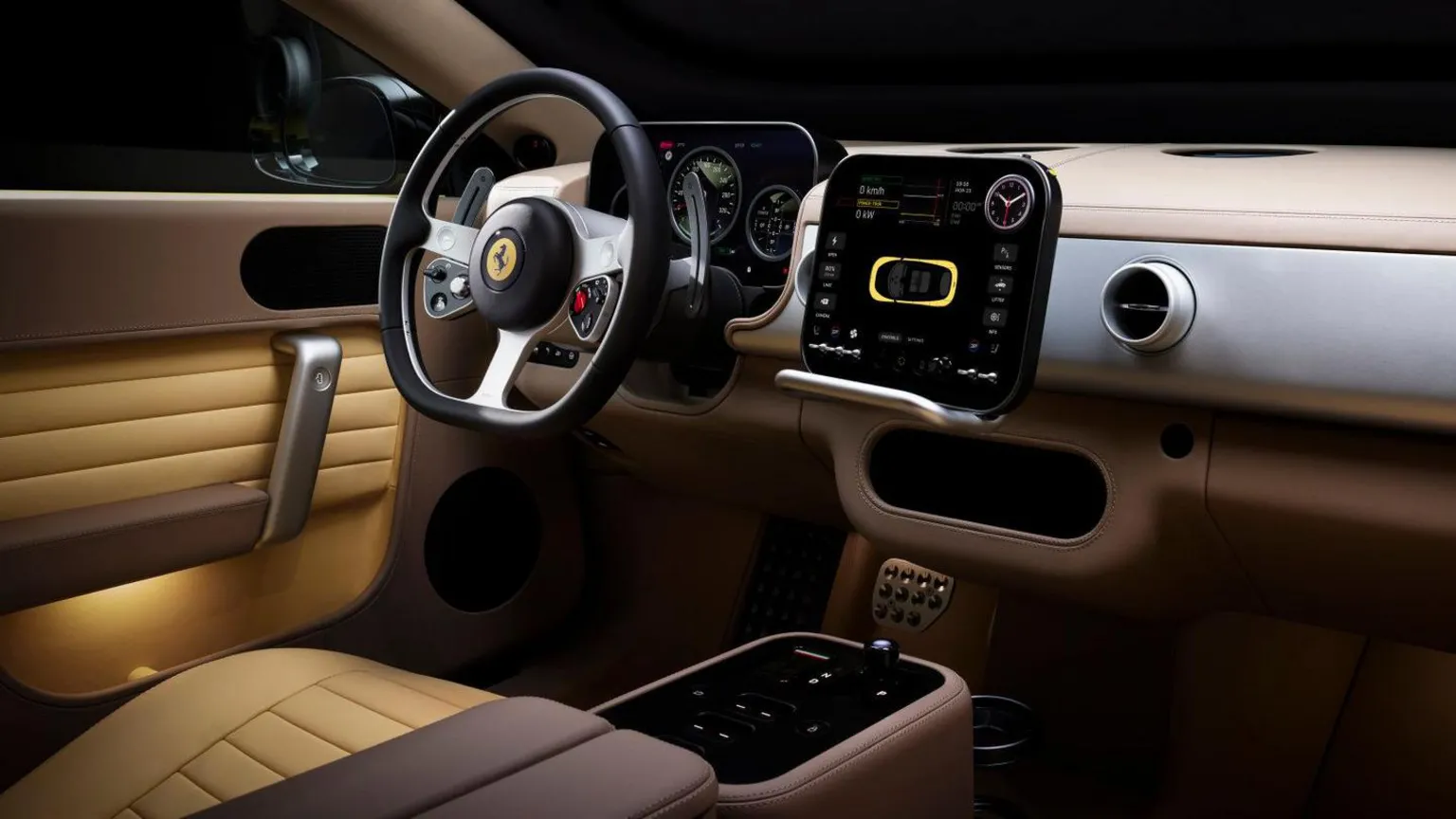
Public and Industry Reactions to the Luce
The unveiling of Jaguar's electric concept car previously faced criticism for abandoning the brand's classic styling, and Ferrari's Luce has encountered similar responses. Some social media users expressed strong disapproval, with one stating:
"Ferrari just killed their brand just like Jaguar did. This is straight to the junkyard trash."
Another user commented:
"What is going on with European Luxury car manufacturers? First Jaguar and now Ferrari"
However, not all feedback was negative. One post praised the design, saying:
"Absolute masterclass in design. Ferrari just unveiled the breathtaking LUCE concept, and it is a total game changer."
Ferrari's chief design officer, Flavio Manzoni, acknowledged the polarizing nature of the electric Ferrari's new design in an interview with YouTuber Cleo Abram. He stated that criticism is part of the innovation process and expressed confidence that public appreciation will grow over the coming months.
Future Plans and Market Position
Ferrari has confirmed it will continue to offer petrol and hybrid vehicles alongside its new all-electric model. The company remains Europe's most valuable carmaker, relying on the exclusivity of its vehicles as a strategy to mitigate pressures faced by competitors.
Despite this, Ferrari's shares have declined by more than 25% over the past year, reflecting a broader downturn in luxury brands as global inflation has dampened demand for high-end goods.


