Green Jobs and Economic Contribution in Scotland
Net-zero-related industries support over 105,000 jobs across Scotland and contribute £10.2 billion to the national economy, according to research conducted by the Confederation of British Industry (CBI).
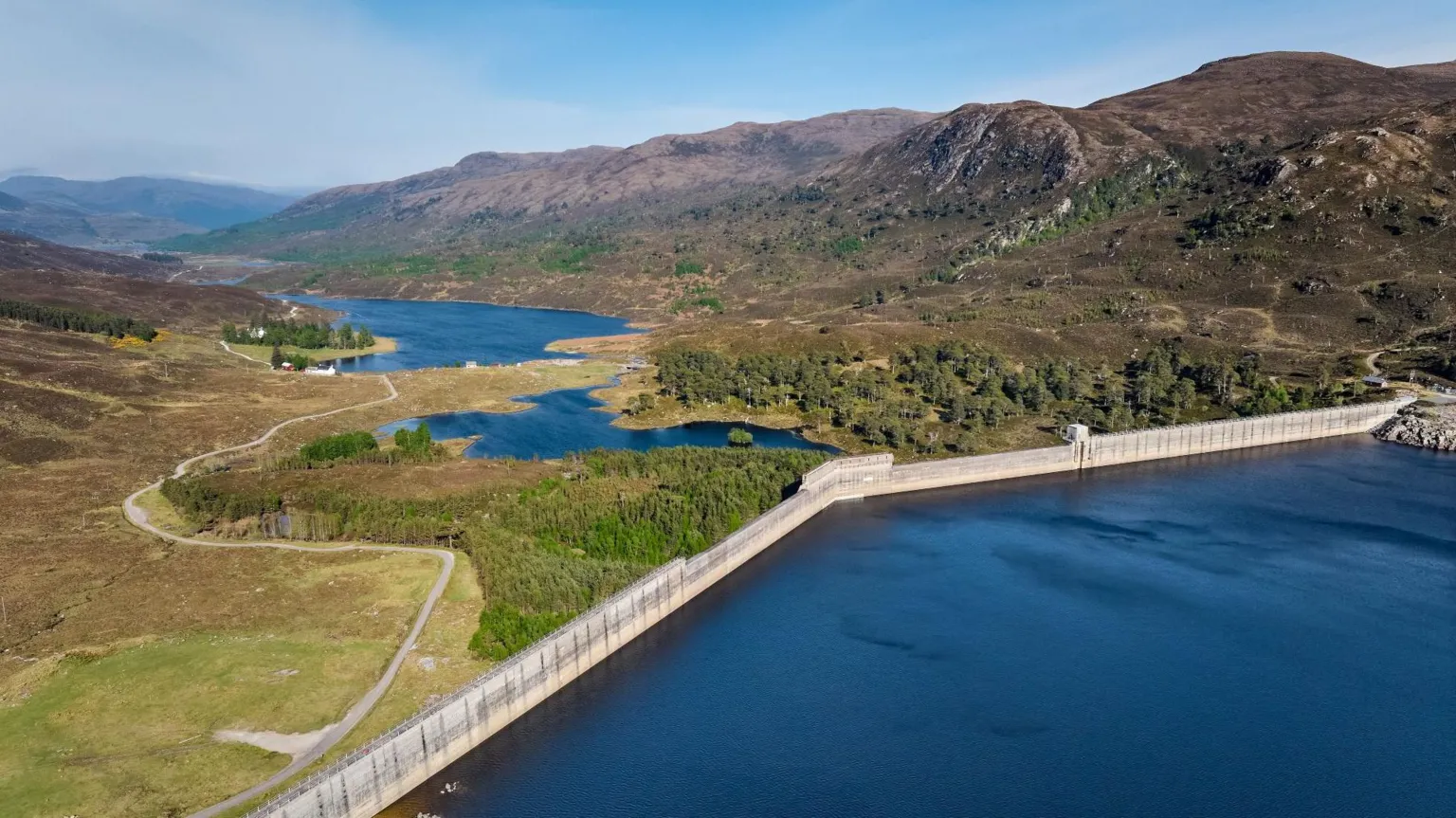
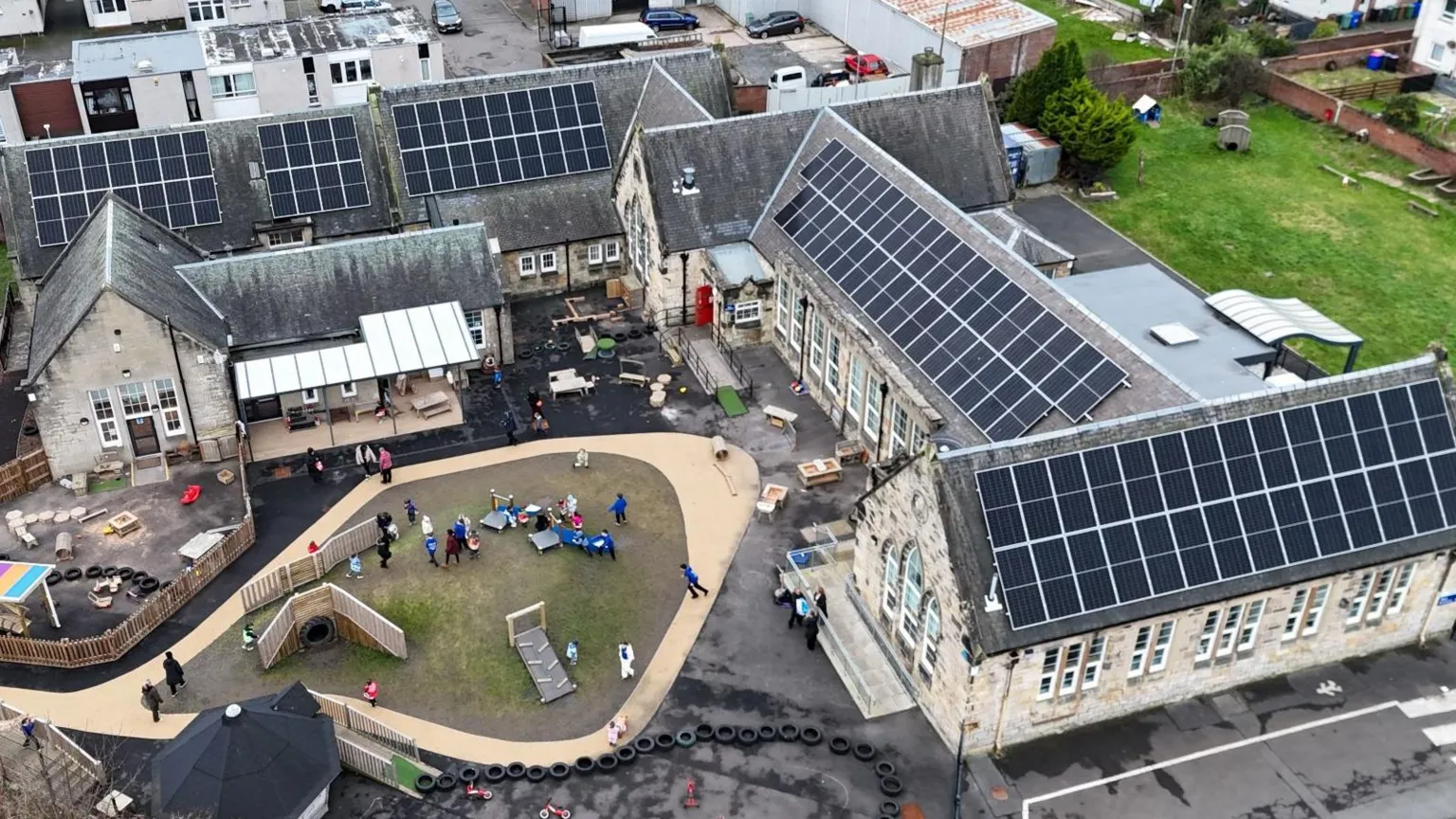
These jobs encompass roles involved in building and maintaining infrastructure such as wind farms and hydropower schemes, as well as domestic installations including solar panels and heat pumps.
The CBI research highlights that the green sector accounts for 4.9% of Scotland's total economic output, which is more than twice the contribution of the agriculture sector.
Perth and Kinross is identified as a key area where net-zero industries represent 12% of the local economy.
Understanding Net-Zero Industries and Targets
Net-zero industries are those engaged in efforts to ensure Scotland ceases to contribute to the accumulation of greenhouse gases responsible for global warming.
The United Kingdom has a legally binding commitment to achieve net-zero emissions by 2050. Scotland, benefiting from greater land availability for carbon-absorbing tree planting, has set an earlier target date of 2045.
Employment Context Amid Oil and Gas Job Losses
The employment figures provide context to the frequently cited statistic that 1,000 oil and gas jobs are lost monthly in Scotland.
The CBI report states that Scotland hosts over 3,000 businesses operating within the net-zero economy, predominantly small and medium-sized enterprises.
While these companies are distributed nationwide, the regions where green industries contribute the highest proportion of economic value include Perth and Kinross, Aberdeen, and East Lothian.
Case Study: Gensource in Musselburgh
One such company is Gensource, based in Musselburgh, which specializes in installing renewable technologies such as solar panels and electric vehicle chargers.
Since its inception four years ago by two founders working from a back bedroom, Gensource has expanded rapidly and now employs 20 staff members, including two apprentices.

Order volumes increased significantly following the two most recent energy crises, triggered by Russia's invasion of Ukraine in 2022 and more recently the US-Israel conflict involving Iran.
"We've got price instability and, ultimately, that drives demand because people want cheaper prices but, also, they want no surprises in their bills," said Gensource director Josh King. "Renewables can help deliver that."
Political Context and Climate Change Challenges
This research emerges amid a fracturing political consensus regarding the necessity of achieving net-zero greenhouse gas emissions to combat climate change.
Scientists emphasize that net-zero targets are essential to mitigate the effects of a warming planet, including wildfires and extreme weather events. However, some opposition parties, notably the Conservatives and Reform UK, argue that the policies required are unaffordable.
Research Methodology and Sector Earnings
The study was conducted by CBI Economics on behalf of the climate think tank Energy and Climate Intelligence Unit (ECIU).
It found that average earnings in the net-zero sector are 5.2% higher than the Scottish average, standing at £41,000. This reflects the skilled nature of many roles, particularly in engineering.
Regional Industry Focus
In Perth and Kinross, employment is concentrated around longstanding hydropower schemes, supplemented by newer onshore wind farms such as the Griffin Scheme near Aberfeldy.
In Aberdeen and the broader northeast region, the focus is on offshore wind, hydrogen production, and carbon capture and storage technologies.
East Lothian's green economy centers on electricity transmission infrastructure alongside specialist manufacturing and fabrication.
Growth Prospects and Investment Pipeline
The report indicates that Scotland is well positioned for growth in the net-zero sector, with an investment pipeline valued at £211 billion, representing approximately 34% of the UK's total.
"This is an economy that is strong and is embedded into our economy in many different regions," said Laura Anderson, senior associate at the ECIU. "We know that clean energy is growing across the UK and Scotland is punching above its weight."