

The $13bn World Cup: How the Numbers Stack Up on Fifa’s 2026 Balance Sheet
The earnings from the tournament hosted across the US, Mexico, and Canada will make it the most lucrative competition in the history of sport, despite some of the 48 competing countries reporting financial difficulties.
Fifa’s president, Gianni Infantino, described the 2026 World Cup at the draw last December as set to be the most profitable sporting event ever.
Fifa has progressively increased its revenue forecasts in recent years. The latest financial report indicates that the world governing body expects to generate $13bn (£9.6bn) from the four-year cycle culminating in this summer’s tournament, with nearly $9bn anticipated this year alone.
By comparison, the most recent edition of the Paris 2024 Olympics generated €4.48bn ($5.24bn).
The financial significance of the World Cup will be further detailed on Thursday when Infantino presents Fifa’s draft budget for 2027 to 2030 at its annual congress in Vancouver, with another substantial increase expected.
It is noteworthy that, until the 2010 tournament in South Africa, the World Cup’s financial returns lagged behind the Olympics. The 2010 World Cup generated $4.19bn in revenue, surpassing the $3.23bn (at current exchange rates) produced by the London 2012 Games. Fifa’s decision to host the tournament in the United States appears to have propelled its earnings to unprecedented levels.
Between the 2018 World Cup in Russia and the 2022 edition in Qatar, revenues increased by 18%, reaching $7.5bn. Projections indicate a further 73% increase by the end of this summer’s tournament.
Following the exceedance of its revenue target for 2022-26, Fifa raised its budget for the next four years to $14bn in its most recent financial report published last month.
“If you ignore the noise and the politics then the work done by Fifa’s commercial team is very impressive.”
— Ricardo Fort, sponsorship consultant who has negotiated commercial deals with Fifa on behalf of Visa and Coca Cola
The Money Spinners
The sale of global TV rights remains Fifa’s largest revenue source, with forecasted income from broadcast deals increasing from $3.4bn in Qatar to $3.1bn in Russia four years earlier.
Fifa’s controversial expansion of the World Cup from 32 to 48 teams has significantly contributed to this growth. The number of matches has increased from 64 to 104, providing more content for broadcasters. Additionally, the scheduling offers more favorable kick-off times for lucrative markets in North America and Europe compared to four years ago.
Beyond tournament size and location, Fifa has introduced innovations to boost revenue, including selling TV rights for the Women’s World Cup as a standalone property for the first time during this cycle. It has also monetized social media by selling rights to live-stream the first 10 minutes of matches on TikTok and YouTube, aiming to attract younger audiences to network coverage.
Ticket sales and hospitality rank second in value for Fifa, projected at around $3bn, a significant increase from the $950m generated from matchdays in Qatar.
The increased number of matches and strong demand from the large North American market have enabled Fifa to push ticket prices higher.
Due to Fifa’s use of dynamic pricing, calculating average ticket prices is challenging. However, Football Supporters Europe, in an official complaint to the European Commission last month, claimed that the minimum cost for a disabled fan wishing to watch their team from the first match to the final would be $6,900 for tickets alone—five times higher than in Qatar.
Regarding the final at MetLife Stadium in New Jersey, renamed the New York New Jersey Stadium for the World Cup, on July 19, ticket prices start at $4,185. This is seven times the cost of the cheapest ticket for the final four years ago and over 40 times the price of the most affordable seat at the 2024 European Championship final in Germany. The most expensive tickets are nearly seven times the price of the highest-priced ticket for the 2022 final in Qatar.
In their bid to host the 2018 tournament, the USA, Canada, and Mexico estimated the average ticket price for the final would be $1,408.
Despite widespread complaints, demand appears to exceed supply. Infantino told CNBC last month that Fifa has received over 500 million applications for the seven million seats available, although many tickets remain on sale. Sixteen cities are hosting matches—11 in the US, three in Mexico, and two in Canada.
“In the last four weeks we have had requests for a thousand years of World Cups,”Infantino said.
“We have received ticket requests from over 200 countries as everyone wants to be part of something special. The prices have been fixed, but in the US there is a thing called dynamic pricing which means they can go up as well as down. That’s part of the market we’re in. It’s not a problem as the demand is there.”
Fifa has also benefited from strong demand from commercial partners and sponsors, expected to generate a record $2.7bn, plus an additional $670m from licensing deals.
“We have seen unprecedented interest from brands across the globe,”Fifa’s chief business officer, Romy Gai, stated at the Business of Soccer Conference in Atlanta last month.
“This is already the most successful commercial programme in Fifa’s history, and we are still building momentum.”
Fifa has secured 16 global partner deals with companies such as Adidas, Aramco, and Coca Cola, alongside numerous regional and local sponsorships. While the North American market’s strength has been significant, Ricardo Fort credits Fifa’s commercial team for their innovative approach.
“In the past there was a fixed fee for a certain set of rights, and it was all very structured,”Fort said.
“For this World Cup they have shown much greater flexibility. Companies are being offered basic commercial rights, plus the opportunity to bolt-on extras for an additional fee. They can add World Cup experiences for guests and clients, for example, or do multi-regional deals.”
Where the Cash Goes
As a not-for-profit organisation, Fifa states it will reinvest at least $11.67bn of its $13bn revenues to “boost global football development,” representing a 20% increase over the current cycle. However, the distribution of these funds remains controversial.
Approximately $2.7bn is allocated as direct funding to Fifa’s 211 member federations and six continental confederations, a method critics argue effectively maintains the current regime.
Fifa’s largest expense is running tournaments, with a budget of $7.6bn for all competitions over the last four years. The 2026 World Cup is the most expensive, with costs totaling $3.8bn, including operational expenses and prize money.
Infantino is anticipated to stand unopposed for a third full term as Fifa president next year after amending Fifa statutes to permit this. The Swiss-Italian lawyer was first elected as a reform candidate to replace Sepp Blatter in 2016 and is likely to remain in office for 15 years, just two years less than his predecessor.
In line with Fifa’s one-member one-vote system, each national association—from England to San Marino—receives a guaranteed $5m payment every four-year cycle to assist with operational costs, with the option to apply for an additional $3m for specific projects. The six confederations receive $60m each per cycle to support football development in their regions.
Beyond development funding, the immediate financial beneficiaries this summer are less clear. Last year, Fifa announced a 50% increase in the prize fund from that offered in Qatar, raising it to $727m. Each of the 48 teams was originally set to receive at least $10.5m, with the winners awarded $50m. has reported for several months that some teams fear financial losses from participation and revealed last weekend that Fifa was prepared to increase the prize and participation fund.
At a Fifa Council meeting in Vancouver on Tuesday, it was agreed to increase payments by 15%, raising the total pot to $871m, with all 48 countries now guaranteed $12.5m.
Fifa also engaged in last-minute negotiations to secure exemption from US federal tax liability for the national associations. The US government had expected national associations to pay a 21% federal tax, increasing to 37% on individual players’ earnings, plus various city and state taxes. Canada and Mexico, the other co-hosts, have granted tax exemptions to national associations playing in their countries.
While Fifa succeeded in obtaining federal tax exemptions, significant variation exists in state and city tax levels across the US, meaning the tax burden will not be evenly distributed.
“A year ago, Fifa was telling everyone that they would have a tax agreement and they would be paying no taxes,”said Oriana Morrison, a tax accountant advising the Brazilian and Portuguese federations.
“In US politics there’s huge resistance to giving tax breaks to sporting organisations. The NFL used to be a tax exempt organisation, but they were making such vast amounts of money that there was enormous backlash and it was removed.
“While Fifa has been tax-exempt in the US since the 1994 World Cup the FAs are not. For Fifa it’s fine. The ticketing, hospitality and sponsorship income, which runs into billions, will be tax exempt.
“But for the FAs, no. For the players, no. For the delegations, hopefully yes, provided they are coming from a country that has a tax treaty. So Fifa and the US tax authorities will be the biggest winners from the World Cup.”
As one of the three host federations, US Soccer expects to make a profit. Its chief executive, JT Batson, told it anticipates receiving around $100m from Fifa, based on a revenue share of 1% of tournament proceeds with Canada Soccer and the Mexican Football Federation.
However, relative to Fifa’s revenues, this payout is modest compared to the treatment of US Soccer in 1994, when the hosts retained ticket and domestic commercial revenue, as explained by then US Soccer president Alan Rothenberg.
According to Fifa’s annual report, the 1994 tournament generated $235m in revenue, producing a surplus of $99.6m, of which 30% went to the hosts and 70% to other federations.
“In 1994 Fifa retained the international marketing and TV rights, and then turned everything over to us,”Rothenberg said.
“We had all the responsibility, but we also had revenue opportunities from ticketing and selling sponsorships and licensing.
“In this tournament the host committees have the responsibility to put on the matches, but have been given very, very limited revenue opportunities. So it’s been a real challenge for a lot of these host committees to get it all together and do it in a way that it won’t be a financial disaster.”
Fifa v the Host Cities
Rothenberg’s comments somewhat understate the tensions between many of the 11 US host cities and Fifa over the past year.
Under the hosting agreements, Fifa collects income from broadcasting, sponsorship, ticket sales, and even ancillary venue services such as parking fees, while host cities are responsible for expenses related to safety, security, and protection.
A prolonged dispute over security costs at Gillette Stadium in Foxborough, Massachusetts (renamed Boston Stadium for the World Cup) was only resolved last month. Additionally, several venues face ongoing challenges with public transportation.
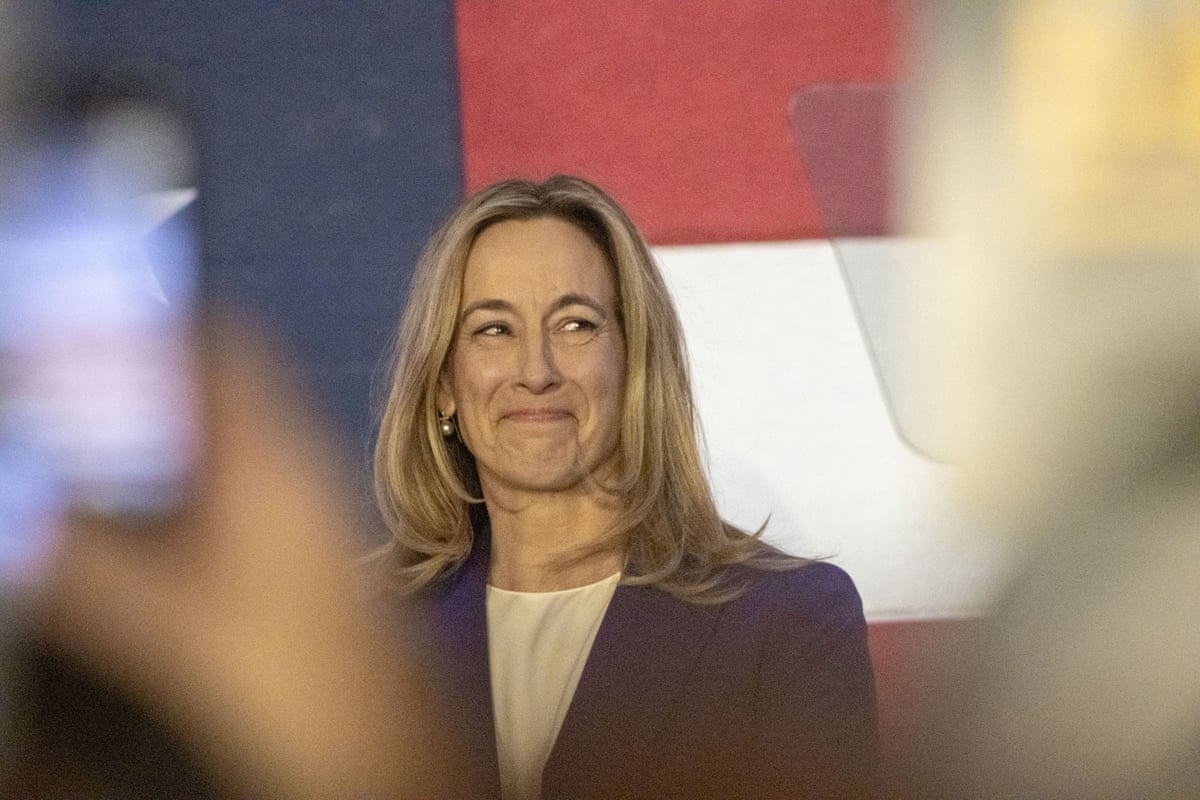
New Jersey governor Mikie Sherrill criticized Fifa for not contributing to transportation costs after NJ Transit announced a $150 round-trip fare from Manhattan to the New York/New Jersey Stadium. Sherrill defended the pricing, stating that without Fifa’s support, the city would face a $48m bill, which she is unwilling to pass on to taxpayers.
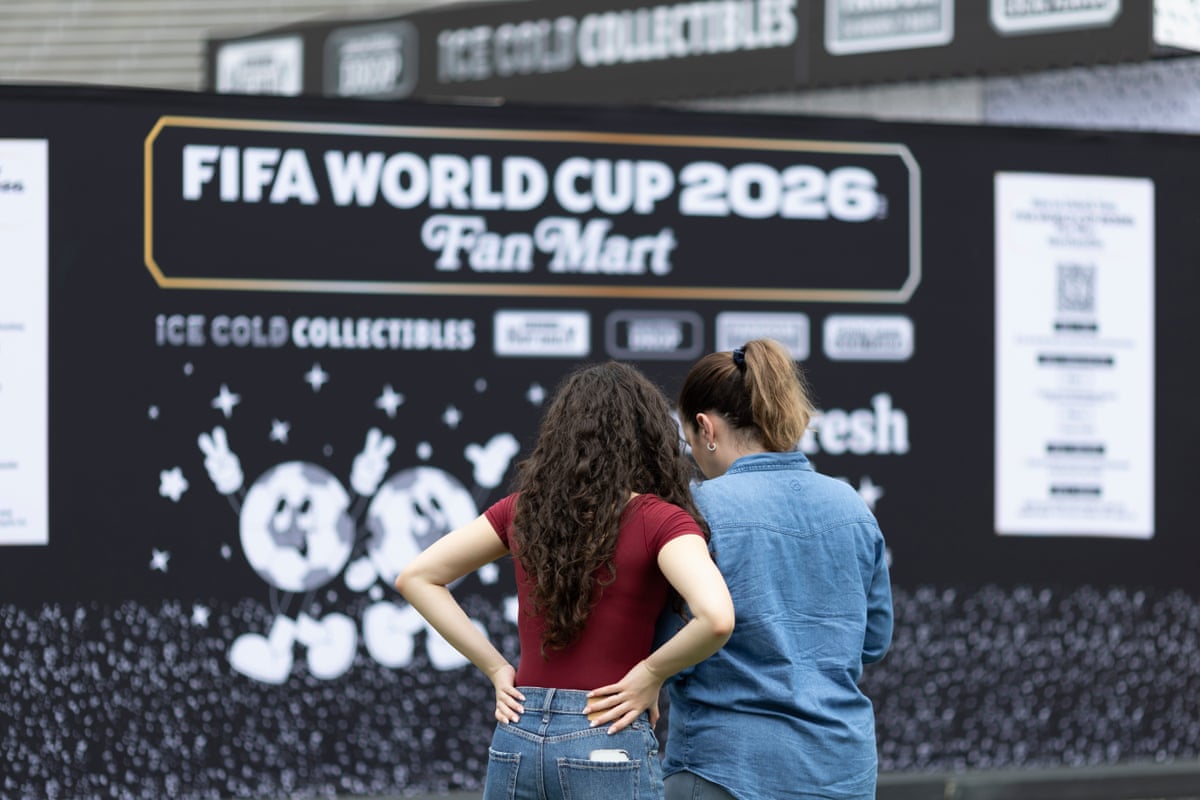
Escalating costs have led many cities to cancel or reduce their commitments to hosting official fan festivals. Of the host cities, only Philadelphia and Houston are maintaining Fifa’s original plan of a 39-day festival throughout the tournament.
One individual who will be prominently present throughout the tournament is Infantino, who will also benefit financially.
Fifa’s 2025 financial report, published last month, revealed that Infantino’s annual bonus increased from $2m to $3m last year due to the success of the Club World Cup, bringing his total pay package to $6m.
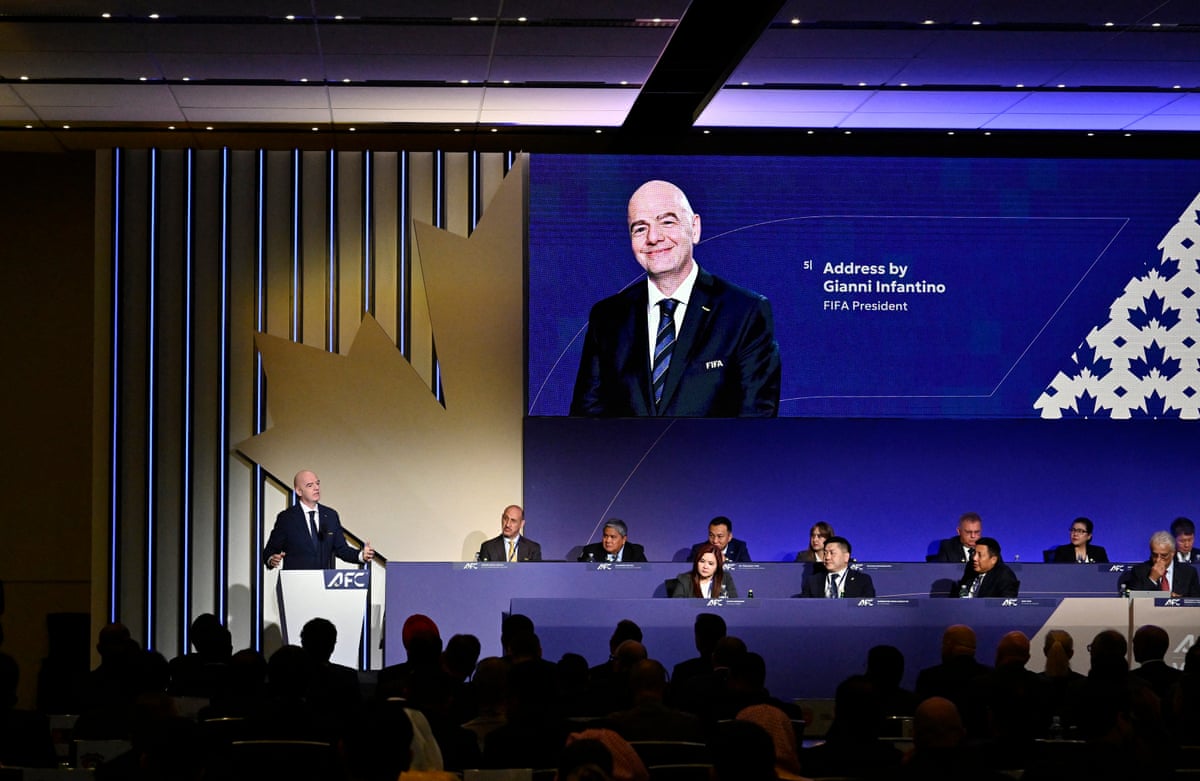
The most likely outcome is that this figure will increase further this year.
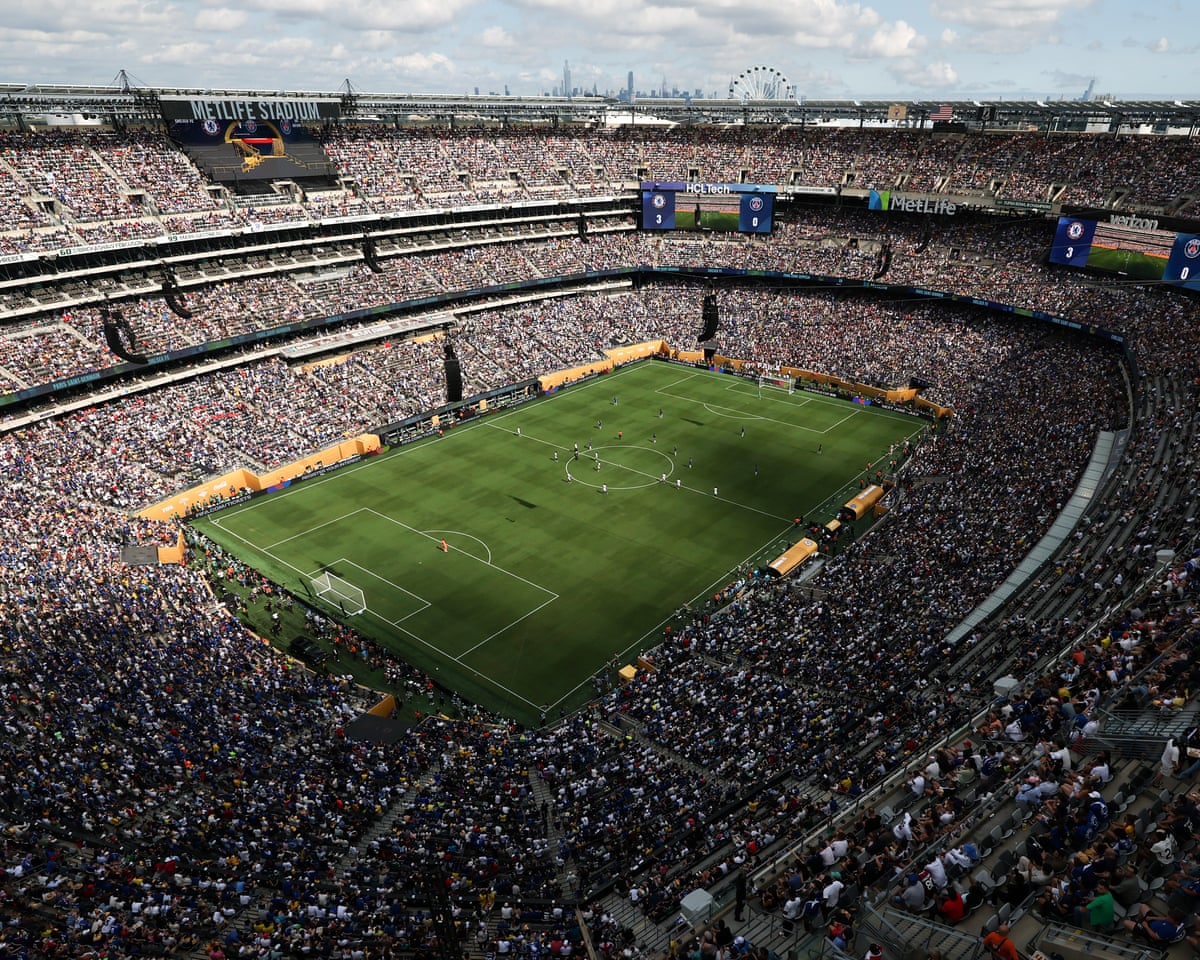
MetLife Stadium, which will be renamed the New York New Jersey Stadium for the World Cup, will host the final. It also hosted last year’s Club World Cup final between Chelsea and PSG.
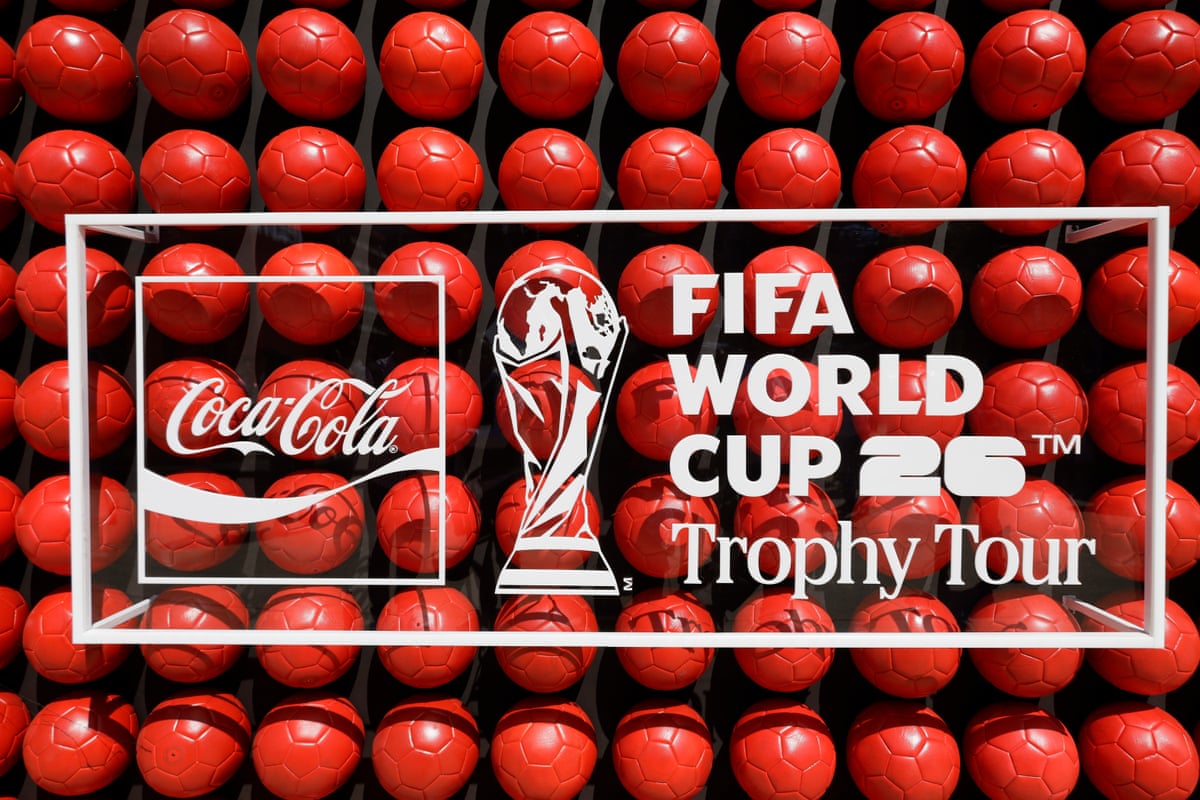
A Coca-Cola commercial in Mexico City, one of three Mexican venues.
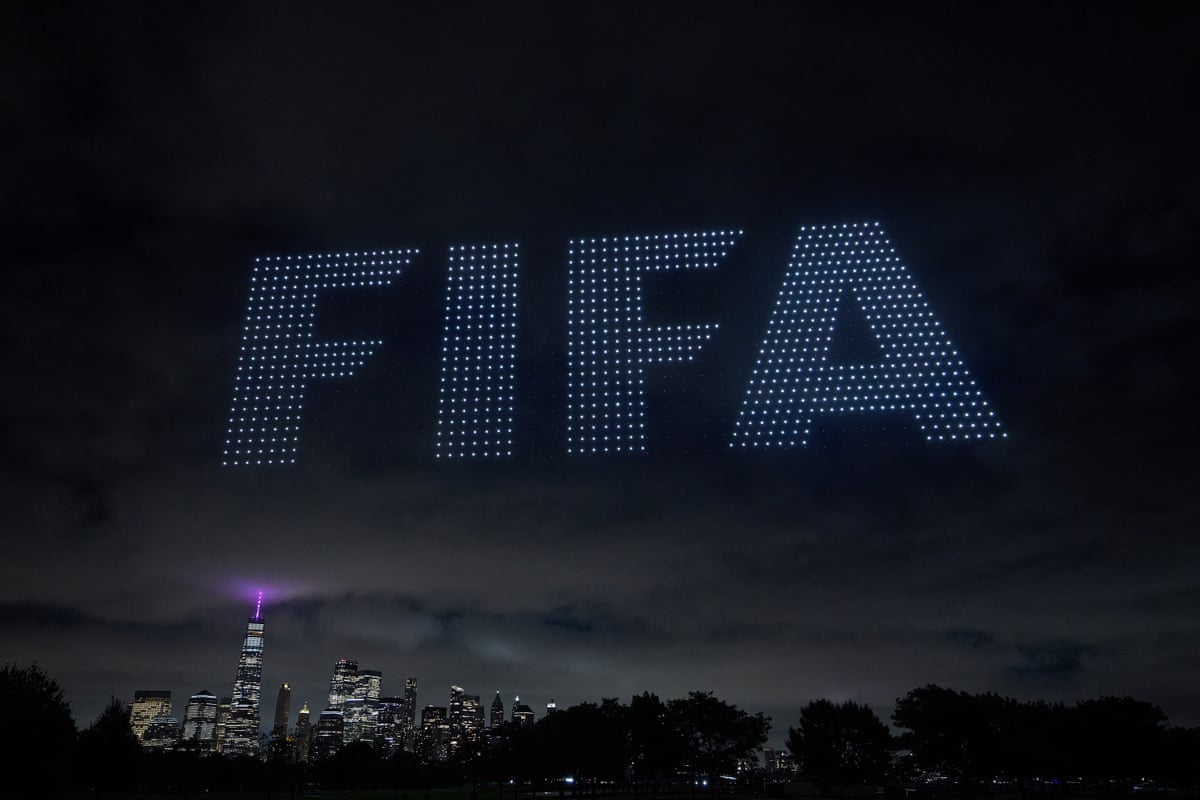
Drones displayed against the Manhattan skyline before the Club World Cup final in 2025.


