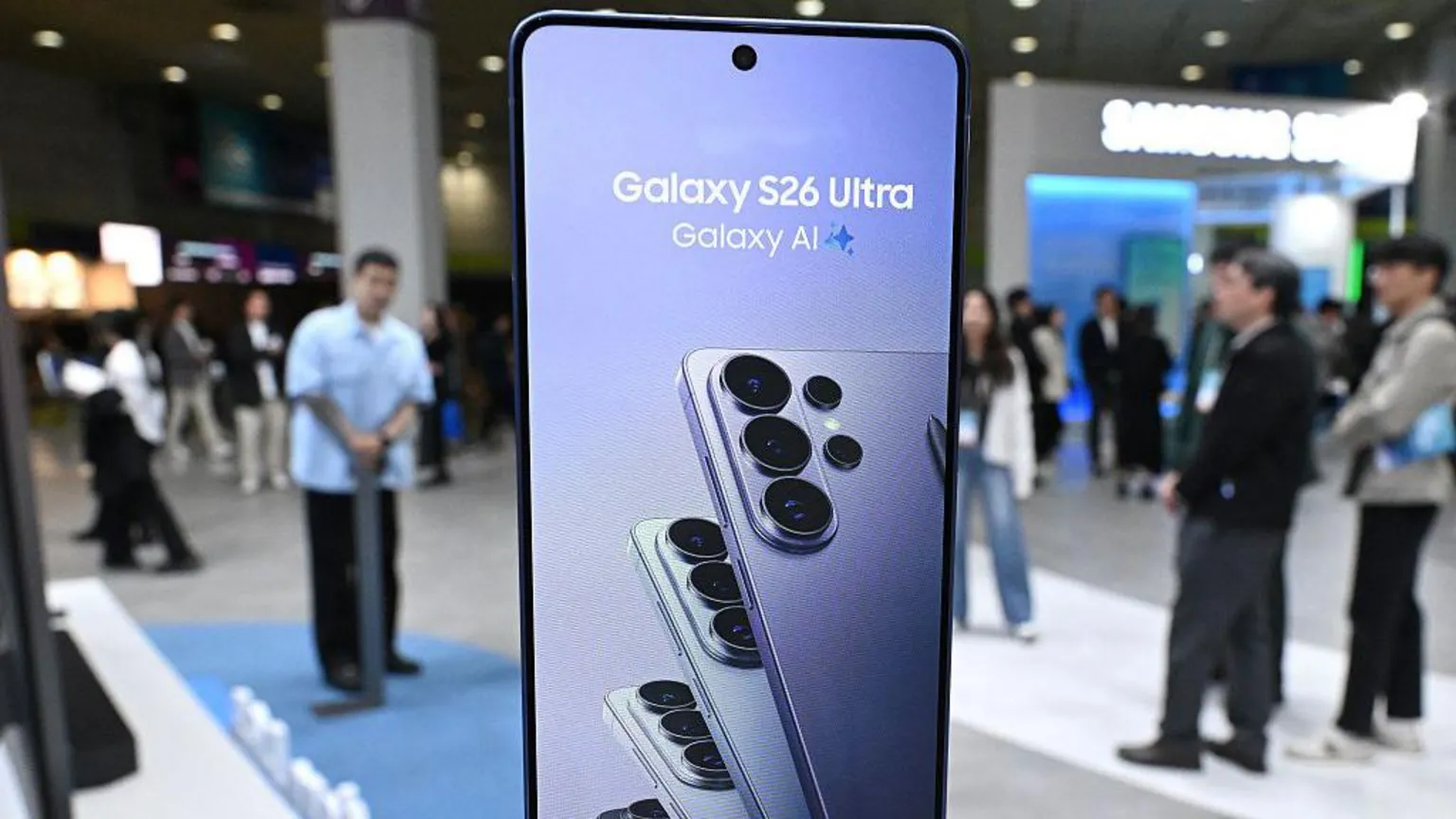
When Power Shifts at Samsung
Transitions of power at the helm of major global corporations often go unnoticed by the public. As long as products perform well, services operate smoothly, and retail shelves remain stocked, the identities of boardroom leaders rarely become headline news. However, Samsung's leadership changes attract significant attention due to the complexity of its founding family and the company's critical role in South Korea's economy.
In 2017, Samsung's heir apparent, Lee Jae-yong, also known as JY Lee, was imprisoned following his involvement in a corruption scandal that also implicated South Korea's president. At 57 years old, Lee is the grandson of Samsung's founder. Geoffrey Cain, author of Samsung Rising, described him as "one of the most powerful people in the history of technology."
In 2015, Lee's succession was uncertain as his father, Samsung's chairman, was hospitalized after a heart attack. Lee faced accusations of funneling money to foundations managed by Choi Soon-sil, a close confidant of former President Park Geun-hye, in exchange for political backing of a merger designed to consolidate his control over the conglomerate.
He was also charged with stock and accounting fraud related to the merger between Samsung C&T and Cheil Industries, two Samsung subsidiaries. Prosecutors alleged that these actions were intended to maximize his stake in the merged entity, thereby securing control over Samsung Electronics, the flagship of the empire and a vital source of influence.
Lee Jae-yong has consistently denied fraud charges but was convicted of bribery in 2017. The 2016 corruption scandal triggered mass protests involving millions in Seoul, culminating in the impeachment of the president.
Why Was This Deal So Crucial?
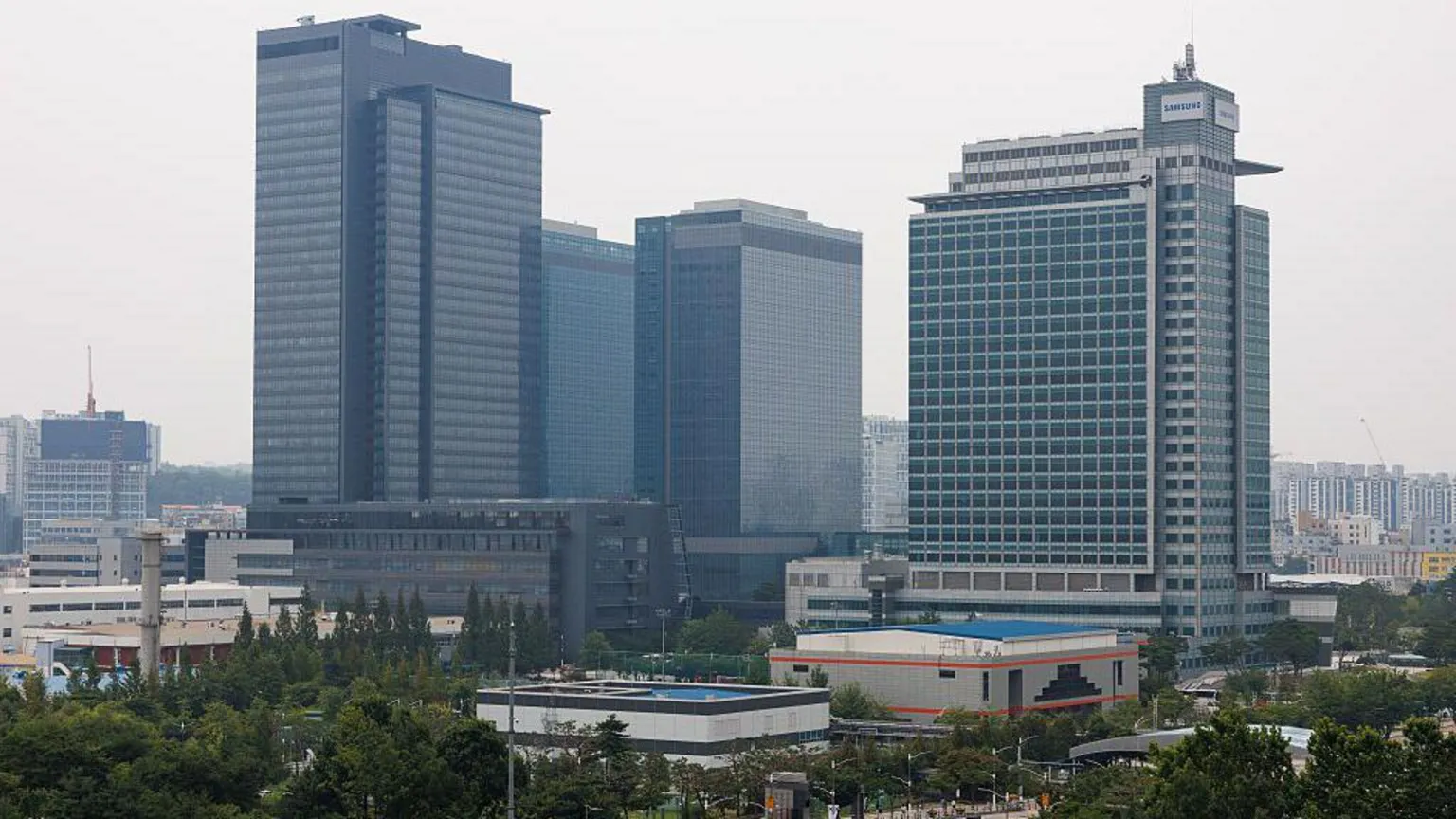
Samsung began as a grocery store in the late 1930s and has remained under the Lee family's control ever since. Geoffrey Cain characterized the family as the "equivalent of royalty" in South Korea. Over decades, they expanded the business into a global powerhouse encompassing insurance, memory chips, construction, and consumer technology.
Maintaining family ownership required a series of intricate mergers, acquisitions, and power transitions. These maneuvers ultimately led to Lee Jae-yong's imprisonment.
Lee had effectively been in charge since 2014 after his father suffered a heart attack. His father had transformed Samsung from a successful domestic company into a global conglomerate. Lee Jae-yong had prepared for leadership through various senior roles.
Upon becoming acting chairman, Lee faced the challenge of completing the complex processes necessary for absolute family control over Samsung. The conglomerate had grown highly intricate, comprising dozens of companies ranging from Samsung Electronics to retail, construction, and chemicals, all interconnected through a complex web of cross-shareholdings.
Another significant challenge was the family's inheritance tax liability exceeding $10 billion (£7.4 billion). Selling shares to cover this tax risked losing family control over the conglomerate.
The Risk of Succession
As the sole son, Lee Jae-yong was designated to lead Samsung after his father's passing. Despite three decades of grooming, some questioned his suitability to lead South Korea's largest company and a key pillar of the nation's economy.
Jaeyeon Lee, a reporter at South Korean newspaper Hankyoreh, said,
"he was just really different... While his father was seen as very aggressive and just very goal-oriented. [Lee Jae-yong] was seen as more shy and quiet and cautious."
Critics suggested his sister was more capable and faulted him for lacking ruthlessness. Doubts about his leadership also arose after his e-Samsung initiative failed during the dotcom bust.

The family had previously experienced a troubled succession when Lee Jae-yong's father, the youngest son, was chosen to lead over his two elder brothers. The eldest son, Lee Maeng-hee, traditionally the heir, was sidelined. According to one account, Lee Maeng-hee ran the company for seven years but was ultimately deemed unsuitable. Regardless, the youngest son, Lee Kun-hee, was named heir in 1976, a decision with lasting consequences.
The Empty Chair
After an uncertain beginning, Lee Kun-hee led Samsung through a successful period in the 1980s and 1990s. However, challenges persisted. In 2008, both Lee Jae-yong and his father resigned following allegations from a former Samsung lawyer turned whistle-blower, who revealed the existence of a slush fund used for bribes and political payoffs.
Jaeyeon Lee described the situation:
"[the lawyer] said he just couldn't stomach the corruption anymore. According to him, Samsung was like so rotten that it made his job unbearable."
This raised concerns about Samsung's future and South Korea's economy, especially since Lee Jae-yong was the anticipated next chairman.
Though Lee Kun-hee was later cleared of bribery charges, he was convicted of tax evasion and received a suspended sentence and fine. Despite being technically free, the leadership void remained. The question persisted: how would the Lee family reassert control?
The 40-Year Feud
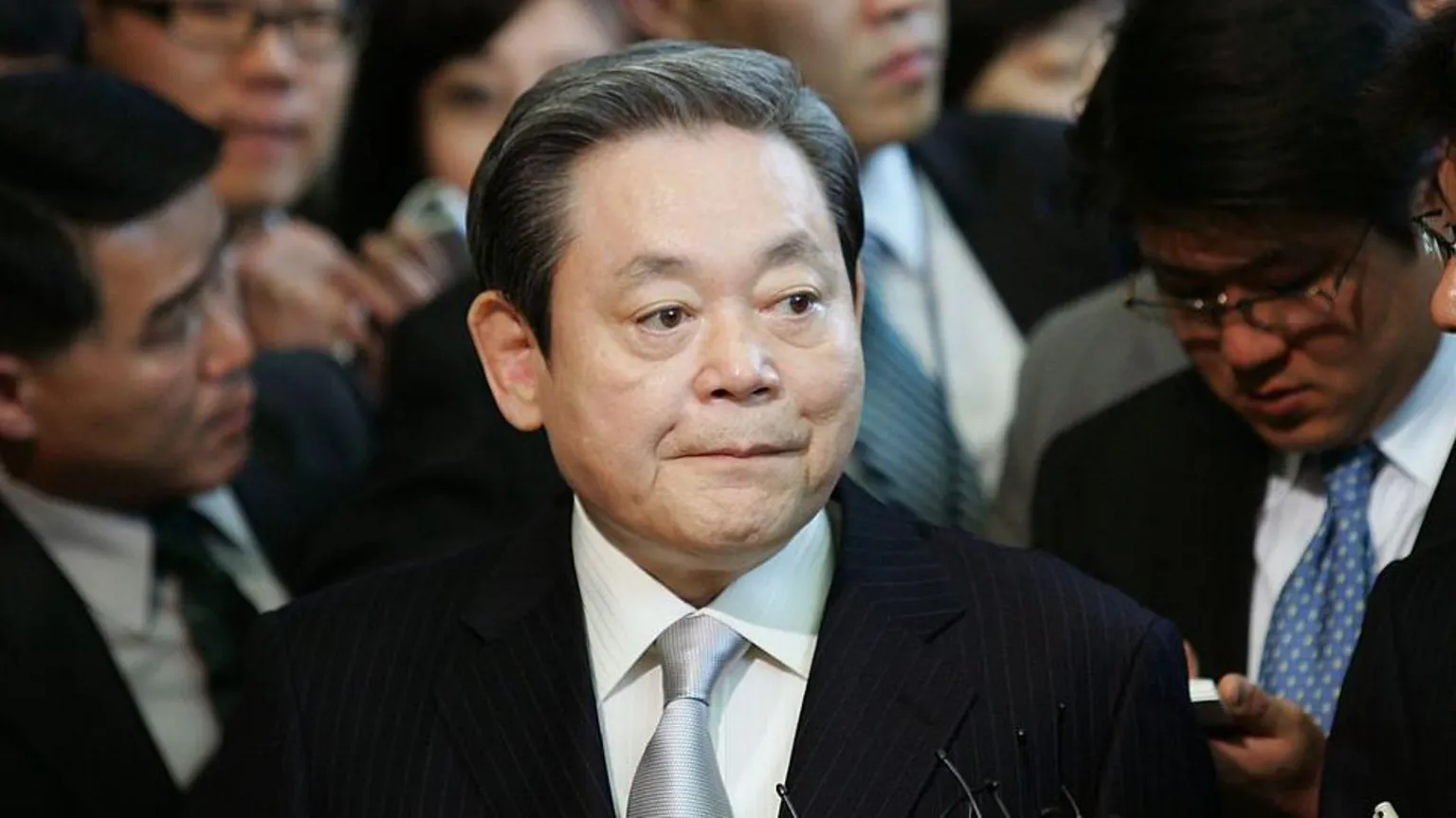
Lee Kun-hee was eventually pardoned by the president and reinstated as Samsung chairman. However, in 2012, Lee Jae-yong's uncle, the elder brother, initiated legal action to reclaim what he considered his rightful inheritance, threatening the succession plan.
The eldest son of Samsung's founder had expected to lead the company but was overlooked in favor of the youngest brother. The dispute intensified when Lee Kun-hee divided the empire in 1976, allocating a less influential portion to his brother's family.
Decades later, Lee Jae-yong and his father faced a lawsuit that could have forced them to return shares worth hundreds of millions of dollars to the uncle. A successful claim would have dismantled the empire and jeopardized Lee Jae-yong's succession.
Steadying the Ship
The family dispute and lawsuit underscored the importance of a clear succession plan. Courts ruled that although some claims by the uncle had merit, the statute of limitations had expired. Jaeyeon Lee noted,
"the siblings were all angry at each other, and I think that's partly why [Lee Kun-hee] just made the succession line very clear for his children".
Thus, when Lee Jae-yong's father became incapacitated after a heart attack, the succession was unambiguous: his son would take charge. This son would later become embroiled in a decade-long corruption and bribery scandal.
In July 2025, Lee Jae-yong was finally acquitted when the Seoul High Court upheld his dismissal of fraud charges related to the merger deal that had secured his succession. This concluded ten years of legal battles, court proceedings, and imprisonment for the Samsung chairman.
The outcome also signaled a shift in the tradition of South Korean chaebols, or family-run businesses. During the legal process, Lee Jae-yong expressed a new direction for Samsung's future, stating,
"I want to make a promise right now – that there will not be any more controversies related to the succession. I will not hand over managerial rights to my children."
This raises the question: if the eldest son will not automatically inherit control, who will?
Hear in the 10-part BBC World Service podcast Inheritance: Samsung, available in the UK and worldwide.