

Cake Sheds: A Growing British Tradition
Cake sheds have become a notable part of British culture. These small, cupboard-like structures, often filled with homemade baked goods, operate on an honesty box system where customers help themselves and pay accordingly.
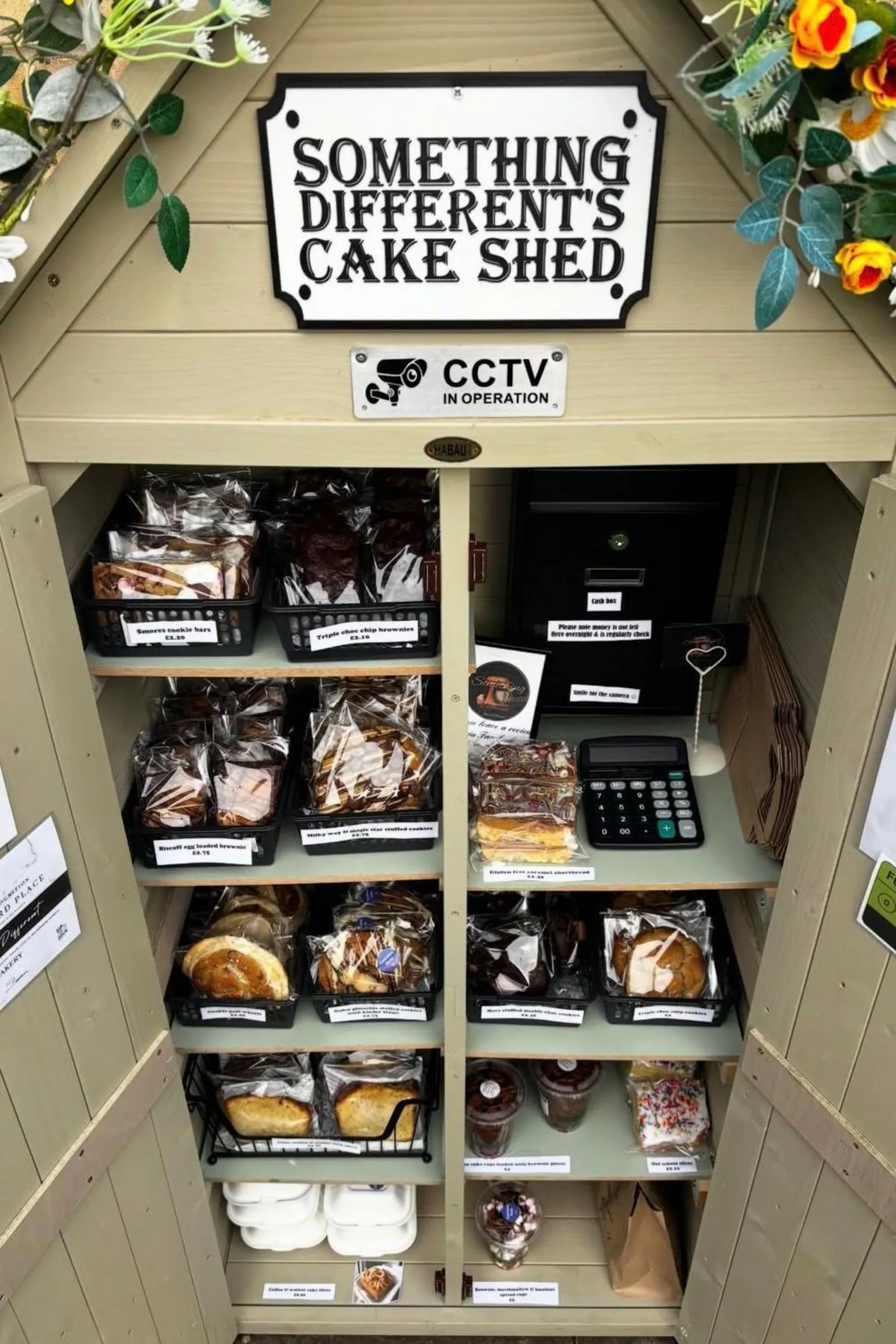
Typically stocked with cookies, brownies, sprinkle cakes, and lemon drizzle, these sheds are commonly found in front gardens, on driveways, or by the roadside.
For some, cake sheds serve as a side hustle, while for others they represent a thriving business opportunity. However, as the trend expands, some local councils are scrutinizing the sheds more closely.
"They are definitely becoming a feature in our landscape and are spreading from the countryside to the urban environment," said Bronya Seifert of Daisy Cake Company. "It's wonderful."
Despite their popularity, the future of cake sheds may be uncertain in certain areas due to potential enforcement of stricter licensing regulations by local authorities.
Some dedicated cake shed owners have expressed concerns that such regulations could force them to close.
One online cake shed community reported gaining up to 400 new Facebook members weekly.
"Over the past few months the group has grown exponentially," said Susanne Niess of That's Cake by Susanne.
From Side Hustle to Full-Time Business
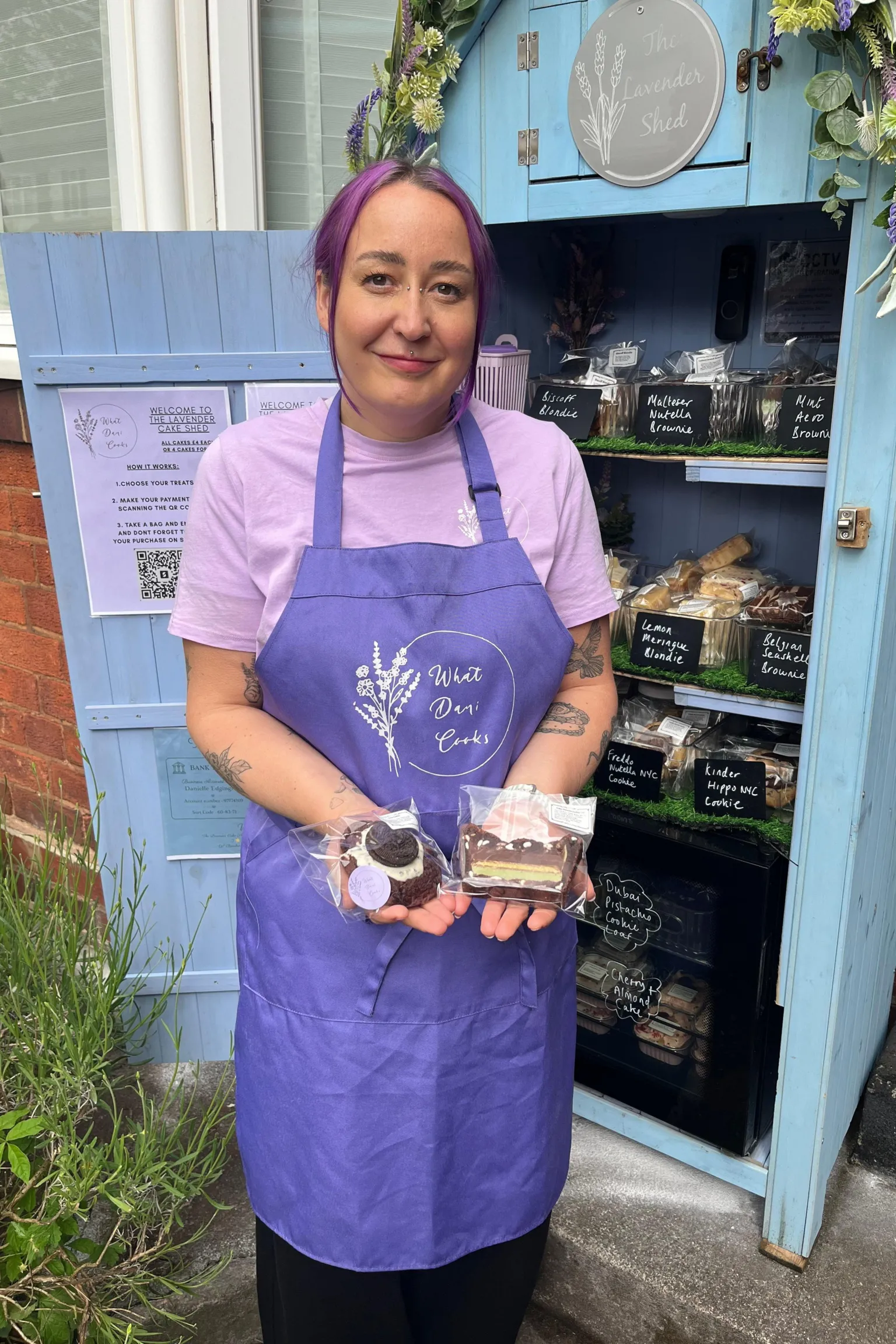
Danielle Edgington established her cake shed in Kings Heath, Birmingham, eight months ago. Its popularity has enabled her to leave her catering manager position and dedicate herself to the shed full time.
Prior to this, Danielle sold baked goods at markets and launched a business during the Covid pandemic delivering afternoon teas and birthday cakes. The shed was initially intended to sell surplus items.
"It's taken over my life," said the 41-year-old chef with 20 years of experience. "I'd get up, I'd go to work in the morning and then I'd come home. I'd be baking all evening. So it just became too much. I've just not been able to keep up with the demand so I've decided to go full-time."
The Lavender Cake Shed now generates between £500 and £1,000 weekly, attracting customers from nearby towns such as Redditch and Solihull to Danielle's suburban street.
"It's a lot of cake," she said.
The shed operates seven days a week from 09:00 to 21:00 BST. Danielle attributes much of the interest to her TikTok presence.
"I've got quite a big social media presence. I'll get messages off customers saying 'What have you got in the shed today? Because we are travelling from a bit further out.' To see a queue out there is just unbelievable. It's quite humbling really to see."
Community Support and Flexibility
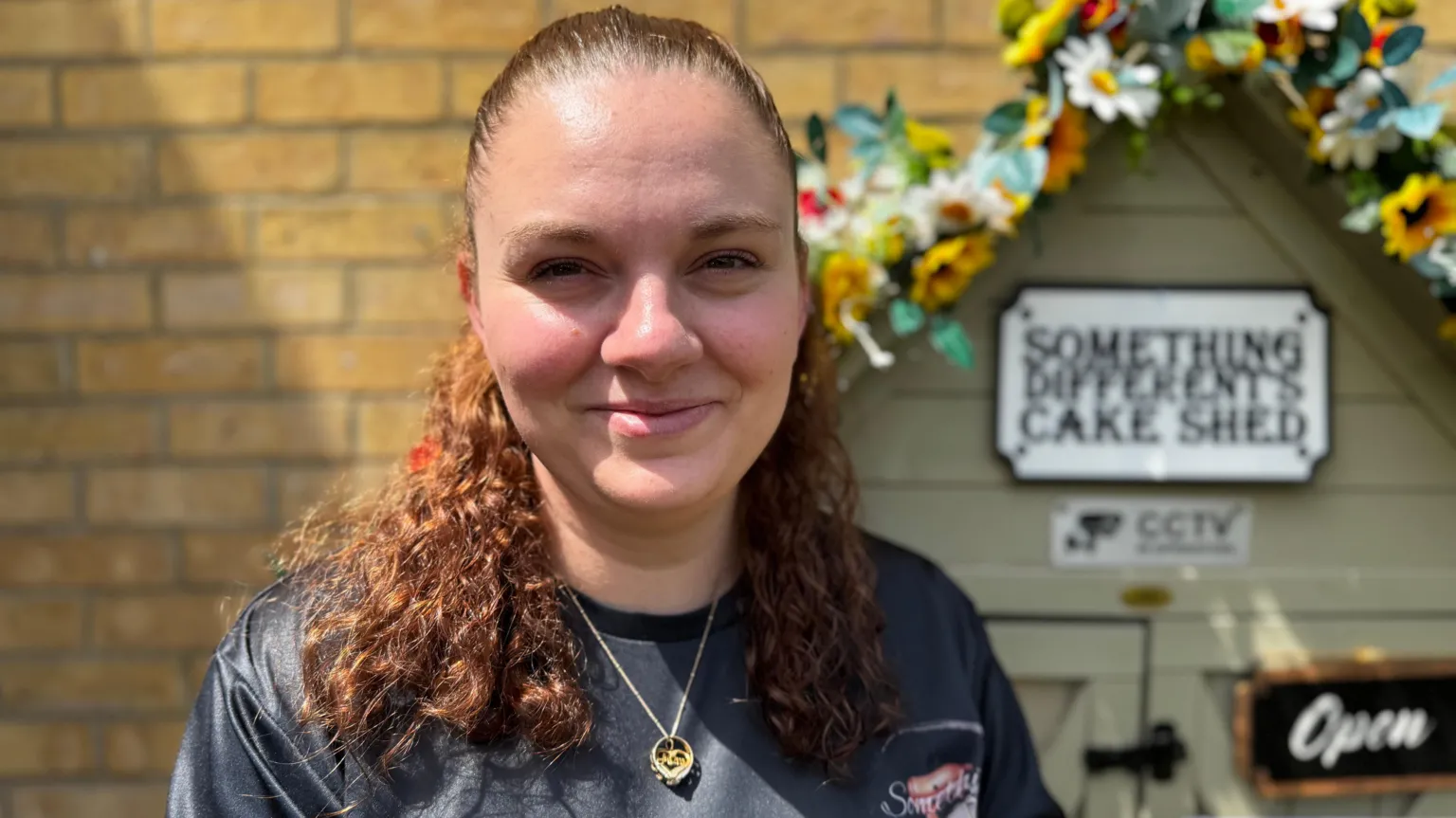
Charley Coleman-Pollard, a mother of two, opened her cake shed a year ago to complement her eight-year baking business. Located in Castlethorpe, Milton Keynes, the shed has been met with enthusiastic support.
"They think it's amazing. It's their weekly goodies and they are supporting a local business as well," said the 28-year-old.
Charley maintains moderate pricing, reinvesting all profits back into the shed without personal financial gain.
"I don't like doing the prices too high or too low, all my profit has gone back into the shed. So I've not actually got anything out of it myself."
Her Something Different's Cake Shed operates on Fridays and Saturdays, allowing her to manage childcare responsibilities, a common consideration among many women running cake sheds.

"A lot of mums are doing it as a full-time job," Charley said. "They're just popping up absolutely everywhere. There's hundreds around the country now."
Licensing and Regulatory Challenges
However, regulatory challenges are emerging as some councils in England review street trading policies and debate whether cake sheds require licenses.
Street trading is governed by the Local Government (Miscellaneous Provisions) Act, which mandates a street trading licence or consent for selling goods in public streets.
Licensing Requirements and Local Council Actions
In Nottinghamshire, council officials have proposed that cake shed owners contribute a portion of their earnings to the council.
Earlier this month, several cake shed proprietors in the area were informed they must pay over £1,000 for a street trading licence or face equivalent fines.
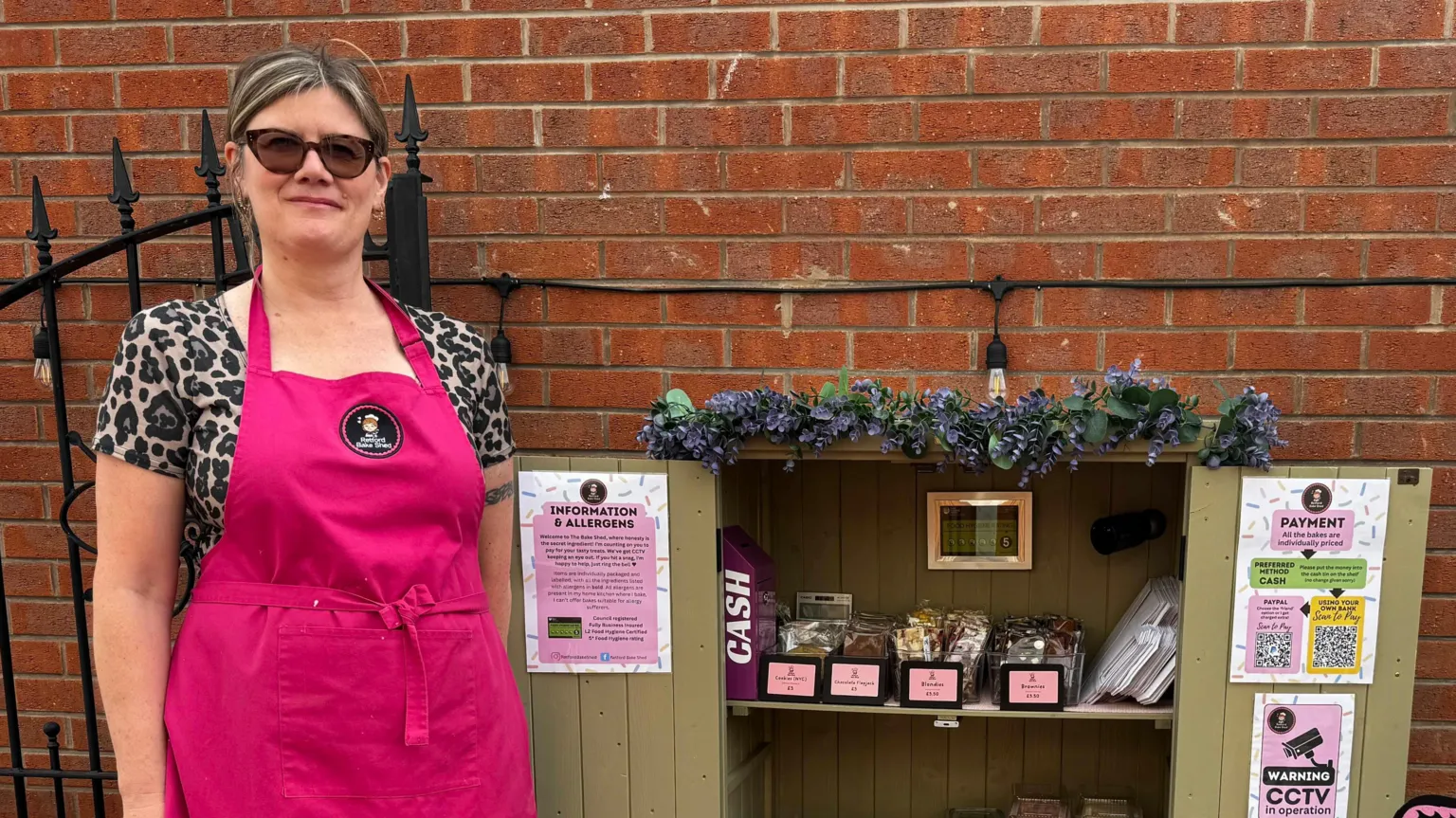
Heather Price of The Retford Bakeshed was among eight owners who received such notices from Bassetlaw District Council.
"A licensing enforcement officer arrived and hand delivered a notice to say I needed a street trading license," Heather said. "I was flabbergasted."
Following community backlash, the council paused enforcement actions to review its policy.
At a recent council meeting, no resolution was reached, and further consideration of the street trading policy was requested.
A council spokesperson stated that due to lack of consensus, enforcement remains paused pending a further report.
Impact on Bakers and Community
Meanwhile, Heather continues to operate her shed alongside her full-time job, holding all necessary paperwork for selling cakes. She enjoys the weekly support from her local community.
"We have a little camera inside, you see a little happy dance," Heather said. "They're opening the doors with glee to see what there is this week. I've just had lots of support, lots of happy smiles."
Heather indicated that the additional costs of licensing would make continuing the shed unfeasible.
"Those extra requirements in themselves are too expensive to make it worthwhile," she said. "I love baking. I love making things for people. It was a good way of sharing my baking with the community."
Seeking Clarity on Licensing
Danielle, who has registered her business with her local authority and holds a level three food safety and hygiene certificate, is seeking clarification regarding potential licensing requirements.
"I have contacted Birmingham's council," she said. "I haven't heard back yet. The cost can be anything from £1,000 to £3,000, so for some of the smaller sheds, perhaps that wouldn't be viable for them. Because mine's quite popular, if it's around £1,000, then I probably would still pay for the street trading licence."
For now, the future of cake sheds across the country remains uncertain.
Listen to BBC Radio Nottingham on Sounds and follow BBC Nottingham on Facebook, on X, or on Instagram. Send your story ideas to eastmidsnews@bbc.co.uk or via WhatsApp on 0808 100 2210.


