

BBC Annual Report Highlights Serious Challenges
Scott Mills' earnings and those of other highly paid presenters have attracted media attention, but the BBC's annual report reveals a broader and more significant narrative.
Amid ongoing negotiations with the government over a new royal charter, the report repeatedly references "challenges", "financial pressures", and even "jeopardy". These terms were emphasized during a press conference held by senior BBC leaders prior to the report's release.
With the current charter set to expire next year and a decline in TV licence sales, the BBC faces the task of convincing the government that its role remains crucial and that a new funding model is necessary to sustain its services.
The prominence of these difficulties in the report appears to be a deliberate strategic decision. It is unusual for an annual report to place such emphasis on the organization's challenges, signaling a clear message to the government and the incoming prime minister.
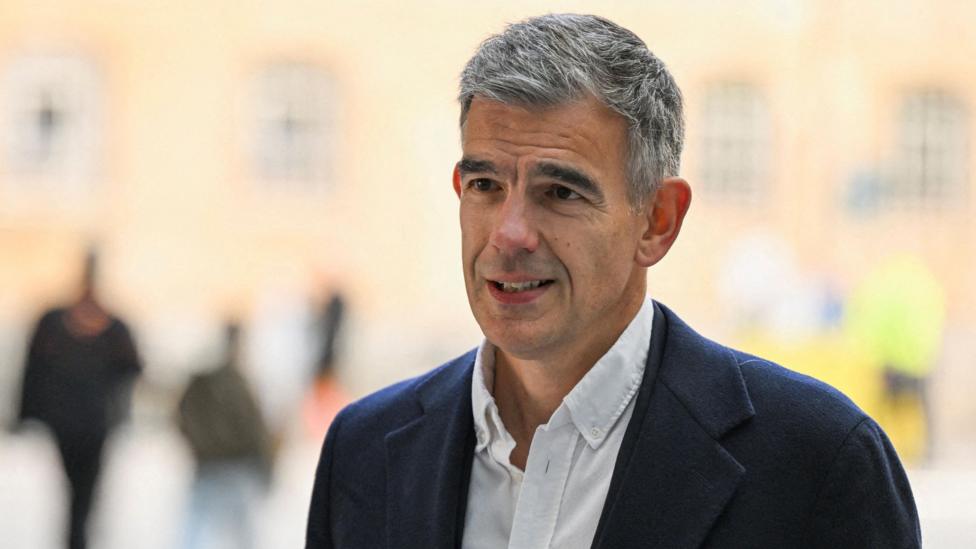
Newly appointed Director General Matt Brittin underscored this point by describing the situation as
"a moment of real jeopardy, not just for the BBC but for public service broadcasting and the UK as a whole".
The rise of global streaming platforms and evolving media consumption habits are presenting significant challenges to traditional media institutions like the BBC.
Declining Licence Fee Revenue and Audience Shifts
The report presents stark data regarding the BBC's funding and audience. The number of households paying the licence fee decreased by approximately 500,000 last year.
Over the past five years, TV licences in force have dropped by two million, an 8% decline from 25.3 million in 2020-21 to an estimated 23.3 million in 2025-26.
The BBC questions whether this decline reflects an active rejection of the corporation or is primarily due to the licence fee system itself becoming outdated. Director General Matt Brittin recently described the licence fee as a
"busted flush"during a session with Members of Parliament.
On Tuesday, Brittin explained that the licence fee model is based on
"yesterday's behaviour", requiring payment if viewers watch live TV or use the . Historically, this meant that even if a household watched only non-BBC channels like ITV, a TV licence was still necessary. Notably, listening to BBC radio alone does not require a licence, which the BBC acknowledges as an anomaly.
The BBC argues that the decline in licence fee payments is largely due to changes in viewing habits, particularly the reduced consumption of live TV, a trend expected to continue and accelerate.
While fewer than 80% of households currently pay the licence fee, the BBC reports that 94% of adults access its content. However, this comparison is not direct since multiple adults often reside in one household.
Licence fee income, the BBC's primary funding source, has decreased by £1.2 billion, or about 25% in real terms, since the current charter began in 2017. This reduction results from freezes in the licence fee during some of this period and shifts in audience behaviour.
Generational Divide in BBC Usage
The report highlights a pronounced generational divide in BBC consumption. The BBC remains the most-used media brand among those over 35, with 95% of individuals over 55 and 81% of those over 35 accessing it weekly.
Conversely, younger audiences under 35 show different preferences. YouTube is the top choice for this demographic. Nevertheless, the BBC is the only UK media brand to rank among the top five brands used by young people, with 69% of under-16s and 63% of 16-34-year-olds accessing BBC content weekly.
The other popular brands among young audiences are predominantly large streaming and social media platforms.

Despite these challenges, the BBC continues to reach a substantial audience internationally and nationally.
Internationally, the BBC now reaches over half a billion people for the first time.
Nationally, 94% of UK adults use BBC content on average each month, engaging with programming ranging from entertainment like "Celebrity Traitors" and the World Cup to Sir David Attenborough's 100th birthday celebrations and fact-checked news reporting.
Editorial Challenges and Legal Issues
The report also acknowledges that editorial errors and scandals in the previous year have harmed the BBC's reputation.
These include a Gaza documentary narrated by the son of a Hamas official, a documentary about medics in Gaza that the BBC chose not to air but was later broadcast on , and a Panorama episode about Donald Trump that has resulted in a lawsuit.
Donald Trump is suing the BBC for $10 billion (£7.45 billion), alleging damage from the broadcast of the documentary, which the BBC states was never shown in the United States. The BBC is contesting the claim.
Trump is mentioned nine times in the 256-page report, which reiterates the BBC's apology for editing two parts of his speech prior to the Capitol Hill riots.
The BBC's annual income consists of £3.88 billion from the licence fee and £2.15 billion from commercial operations. The report notes that
"no provision"has been made for covering the potential cost of the lawsuit, which would significantly impact the BBC's finances.
Future Funding and Strategic Outlook
The report serves as a call to action for a revised funding model. Given the current financial pressures faced by individuals across the UK, increasing the licence fee is not considered a viable option.
The BBC proposes that the overall cost could decrease if all consumers of BBC content contributed financially.
It has also suggested that viewers who use streaming services should be required to pay the licence fee.
Culture Secretary Lisa Nandy has ruled out funding the BBC through general taxation, a corporate levy on streaming platforms, or permitting the BBC to carry advertisements.
Within the BBC, there is cautious optimism that a new prime minister might offer renewed support to the Director General.
Decentralization is a significant theme in the report, with an emphasis on relocating power and jobs away from London. Last year, 59% of the BBC's network TV budget was spent outside London, a slight decrease from the previous year.
The BBC takes pride in its contribution to the economies of cities hosting major production centers, including Greater Manchester, where it has made long-term investments in MediaCity.
Manchester is mentioned 13 times in the report, possibly reflecting the current political climate influenced by Andy Burnham's "Manchesterism".
Ultimately, the annual report appears to be directed at the incoming prime minister, highlighting the BBC's challenges and its need for a sustainable future.
- Scott Mills was highest-paid BBC star before sacking
- BBC pay 2025-2026: The full list of star salaries
- TV licence fee is 'yesterday's model', new BBC director general says


