From Humble Beginnings to a Sportswear Giant
In the late 1980s, as China's economy began to open up, Ding Shizhong, a determined high school dropout, arrived in Beijing carrying 600 pairs of shoes. These shoes were produced in a relative's factory, and the proceeds from selling them funded his first workshop, where he started manufacturing footwear for other companies.
Ding was among the many new entrepreneurs emerging in China as capitalism expanded under the oversight of the Communist Party. However, his ambitions extended far beyond initial success.
His enterprise evolved into Anta, a leading sportswear company that has acquired several international brands, including Arc'teryx and Salomon, and recently took a stake in Puma. Anta aims to compete with global giants Nike and Adidas, a vision Ding articulated in 2005:
"We don't want to be the Nike of China, but the Anta of the world."
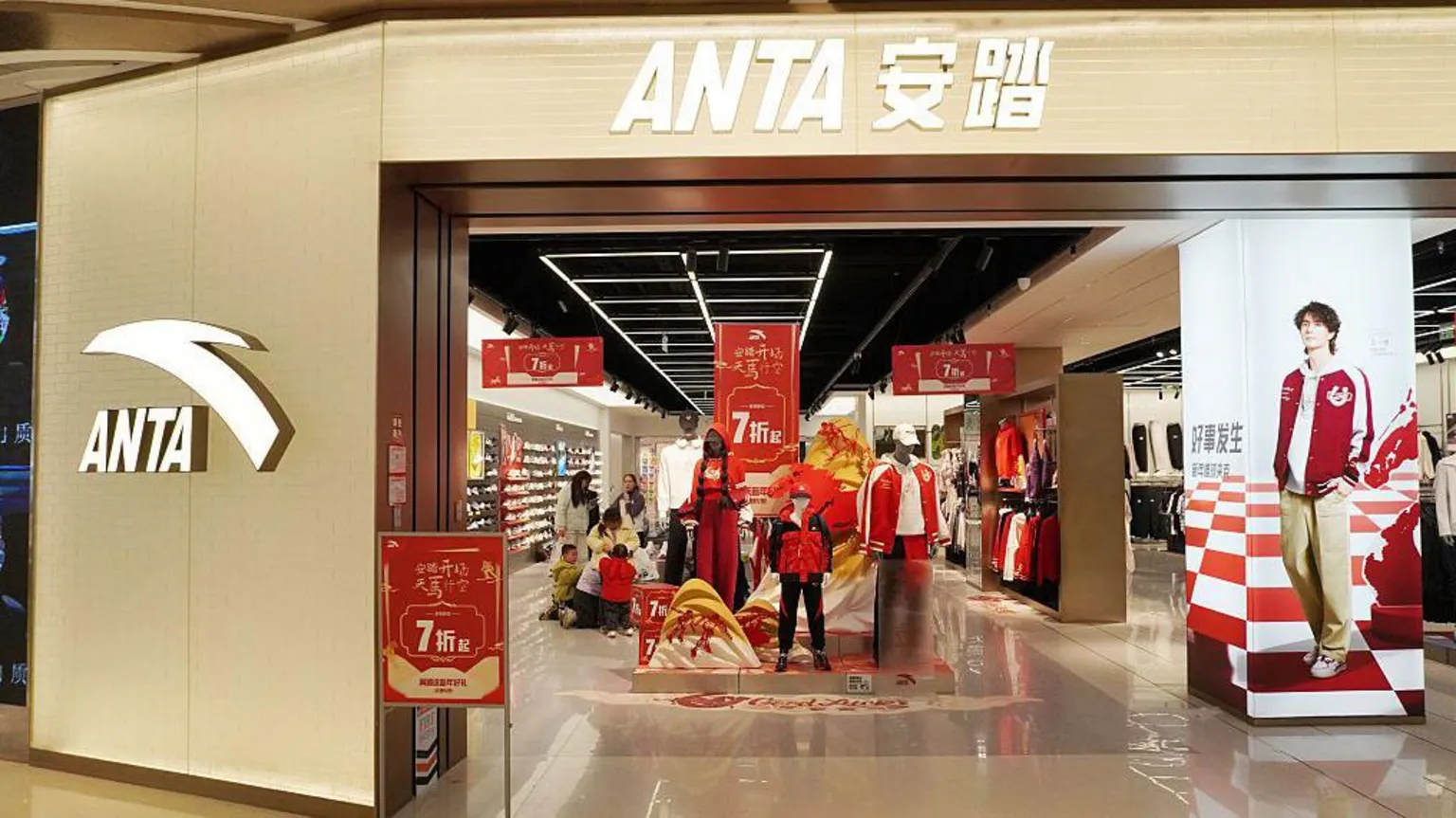
While Anta may not yet be widely recognized in Western markets, it operates over 10,000 stores in China and sponsors prominent athletes such as freestyle skier Eileen Gu.
In February, Anta launched its first U.S. flagship store in Beverly Hills, Los Angeles, marking a significant step in its global expansion. This move underscores the critical role and competitiveness of Chinese supply chains in manufacturing, especially amid U.S. efforts to repatriate factory jobs through tariffs.
The name Anta means "safe steps," and its rise reflects a broader trend of ambitious Chinese companies leveraging decades of manufacturing experience to challenge the very brands they once supplied.
From Shoe Maker to Global Brand
Founded in 1991, Anta began as a modest manufacturer in Jinjiang, a city in Fujian province in southeastern China. Jinjiang transformed rapidly from an agricultural county into the "shoe capital" of the world, driven by government initiatives to develop specialized industries in various provinces.
The city attracted significant investment from international sneaker companies seeking overseas factories to reduce production costs. This led to the formation of specialized clusters focusing on different types of footwear along the eastern coast, each supported by dedicated supply chains.
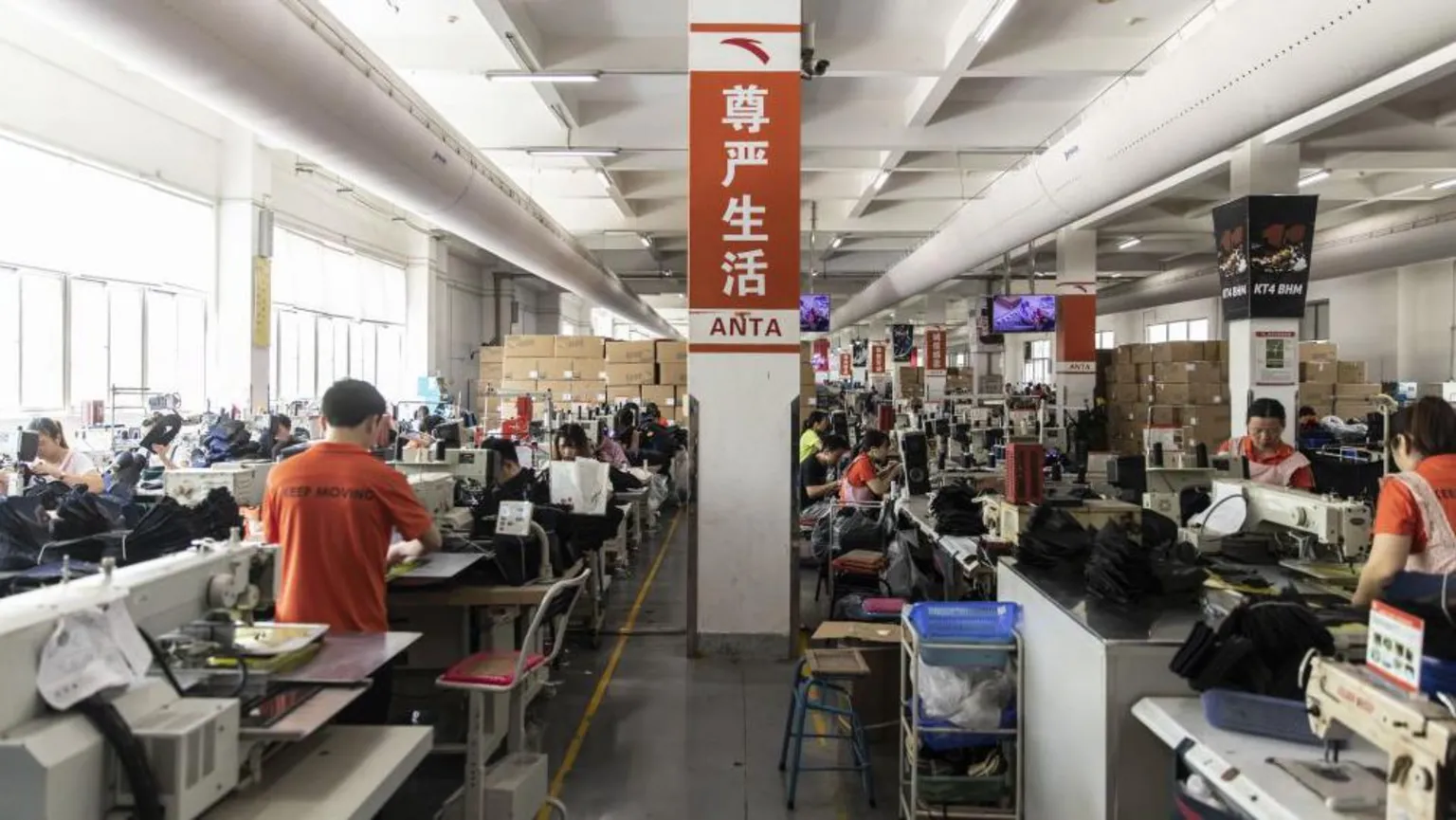
At the heart of Jinjiang's manufacturing hub is Chendai town, a 40 square kilometer area housing thousands of factories and suppliers. This district became renowned for producing shoes for global brands such as Nike and Adidas.
These hubs integrated suppliers of laces, soles, and fabrics, alongside logistics firms that expedited the transformation of designs into retail-ready products and their distribution worldwide.
By 2005, Fujian province accounted for nearly 20% of global shoe production, according to United Nations estimates. Approximately one-third of Jinjiang's workforce remains employed by the city's thousands of shoe manufacturers, contributing to one of China's highest-earning economic districts.
Similar manufacturing clusters developed across eastern China, specializing in clothing and electronics as well. This degree of manufacturing specialization was unprecedented globally at the time, according to Fei Qin, associate professor at the University of Bath, who studied factories in eastern China during the 2000s.
As foreign clients engaged with these factories, China gained more than just income.
"They learned not only how to make more, but how to produce better, faster and more consistently,"
Fei added.
Within this environment, Anta expanded by producing shoes in large volumes and at low cost for international brands. It also developed an extensive distribution network across China, a critical factor for manufacturers aiming to grow.
Simultaneously, Anta increased its domestic brand presence by opening new stores and sponsoring major sporting events, including national basketball and table tennis competitions.
Experts note that companies like Anta recognize the greater value in building a recognizable brand rather than remaining solely as subcontractors.
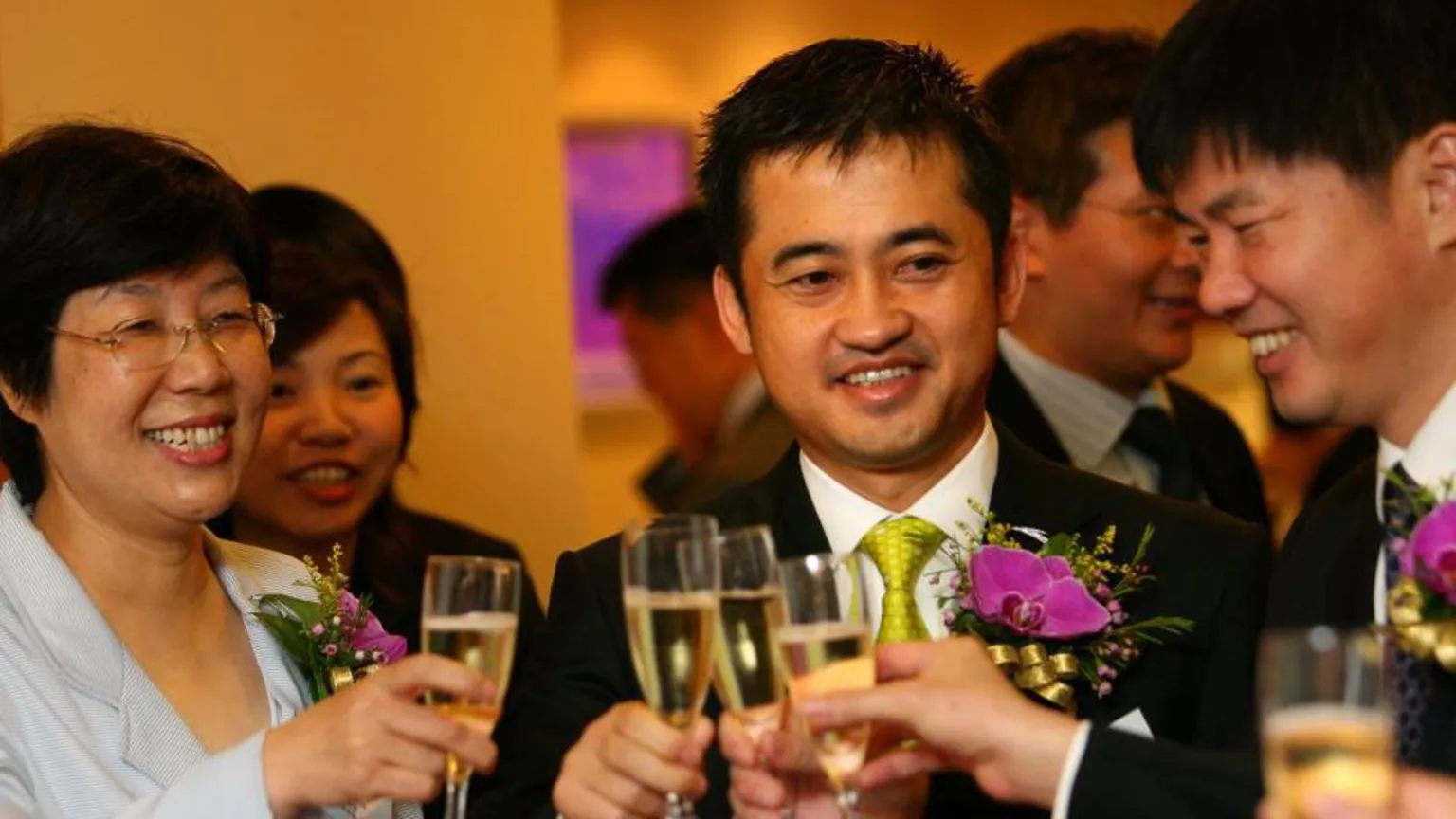
In 2007, Anta went public on the Hong Kong Stock Exchange, raising approximately HKD 3.5 billion (£330 million; $450 million), setting a record for a Chinese sports company at that time.
Branding consultant Wei Kan, who has worked with Converse and Nike in China, highlighted Anta's distinctive advantage:
"Anta stood out because of its fully-fledged production hub that allowed it to design and sell shoes faster than its rivals."
Kan also noted that Anta was among the few Chinese companies targeting the same consumer segments as major Western brands.
Companies like Anta, which begin by manufacturing goods for global brands, gradually acquire essential business management skills, succeed domestically, and naturally progress to larger ambitions, Kan explained.
Other examples include Xiaomi, which started as a software developer customizing Android systems before producing its own phones, electronics, and electric vehicles; DJI, which initially made camera and drone components before becoming a leading drone manufacturer; and BYD, which evolved from a battery supplier for Tesla to the world's top electric vehicle manufacturer.

"Each of these firms are now giants in their fields,"
Kan stated.
Wooing the West
Anta is now focusing on expanding into Western markets. It operates over 12,000 stores in China and more than 460 outlets internationally, with plans to open 1,000 stores in Southeast Asia within the next three years.
By comparison, Nike, which holds the largest market share in sports footwear, has approximately 1,000 stores worldwide.
Chinese companies often expand rapidly within their domestic market before encountering challenges when scaling abroad. One significant obstacle is perception; Chinese products are frequently associated with being cheap, low-quality, or imitative.
Anta has addressed this through acquisitions as part of its "multi-brand strategy." Its first major acquisition was the rights to Fila in China in 2009, transforming the Italy-founded brand into a significant revenue source, according to Elisa Harca of Chinese marketing agency Red Ant Asia.
In 2019, Anta acquired a controlling stake in Finnish athletic brand Amer Sports, gaining control of premium brands such as Arc'teryx and Salomon.
Anta also owns Wilson, the U.S. manufacturer of tennis rackets and basketballs used by the National Basketball Association. This year, it acquired a 29% stake in Puma, committing to support the German company’s growth in China.
These strategic moves allow Anta to avoid aggressively pushing its own brand into every market, instead leveraging Western brands as entry points, explained Rufio Zhu, business analyst at global sports marketing agency IMG.
This approach helps Anta reach consumers who might be hesitant to purchase products branded as "made in China."
Celebrity endorsements are vital for establishing a global brand. Nike’s landmark deal with Michael Jordan in the 1980s is a prime example.
Anta has signed basketball players such as Klay Thompson and Kyrie Irving, but it has yet to secure deals comparable to those that propelled Nike or Adidas to international prominence.
Being a Chinese brand also presents challenges due to geopolitical tensions, particularly between Beijing and Western countries like the United States.
American-born skier Eileen Gu, an Anta ambassador, became a polarizing figure after choosing to represent China rather than the U.S. at the Olympics, drawing scrutiny.
Kan emphasized the delicate balance large companies must maintain between China and Western markets:
"Brands like Anta need to be ready for it."

A Turning Tide
Anta’s ascent coincides with difficulties faced by competitors such as Nike and Adidas, both globally and within China.
U.S. tariffs have negatively impacted their earnings due to reliance on imports from Asia. Nike is also working to recover sales after an unsuccessful e-commerce push following the COVID-19 pandemic, while demand in China has slowed amid reduced consumer spending.
These challenges position Anta favorably in international markets, especially as consumers show increased interest in alternative brands, according to sports marketer Zhu.
"The question isn't whether Anta will raise their profile. It's whether competitors can adapt quickly enough to defend their home turf."
Meanwhile, China is preparing its manufacturers for the future by rapidly integrating robotics into factories, accelerating production, and potentially reducing costs, Fei noted.
Anta’s first U.S. store opening follows years of selling products through department stores in the country. The store features extensive selections of sneakers and basketball shoes—key markets Anta must capture to compete with Nike and Adidas in the U.S.
The company acknowledges the challenges ahead.
"We're realistic about the competition but the global sportswear landscape is not a zero-sum game,"
an Anta spokesperson told the BBC.
"We are confident that sports lovers will recognise Anta's innovations and brand value."
Additional reporting by Adam Hancock.