Exhibition Showcases One of the World's Most Valuable Books in Glasgow
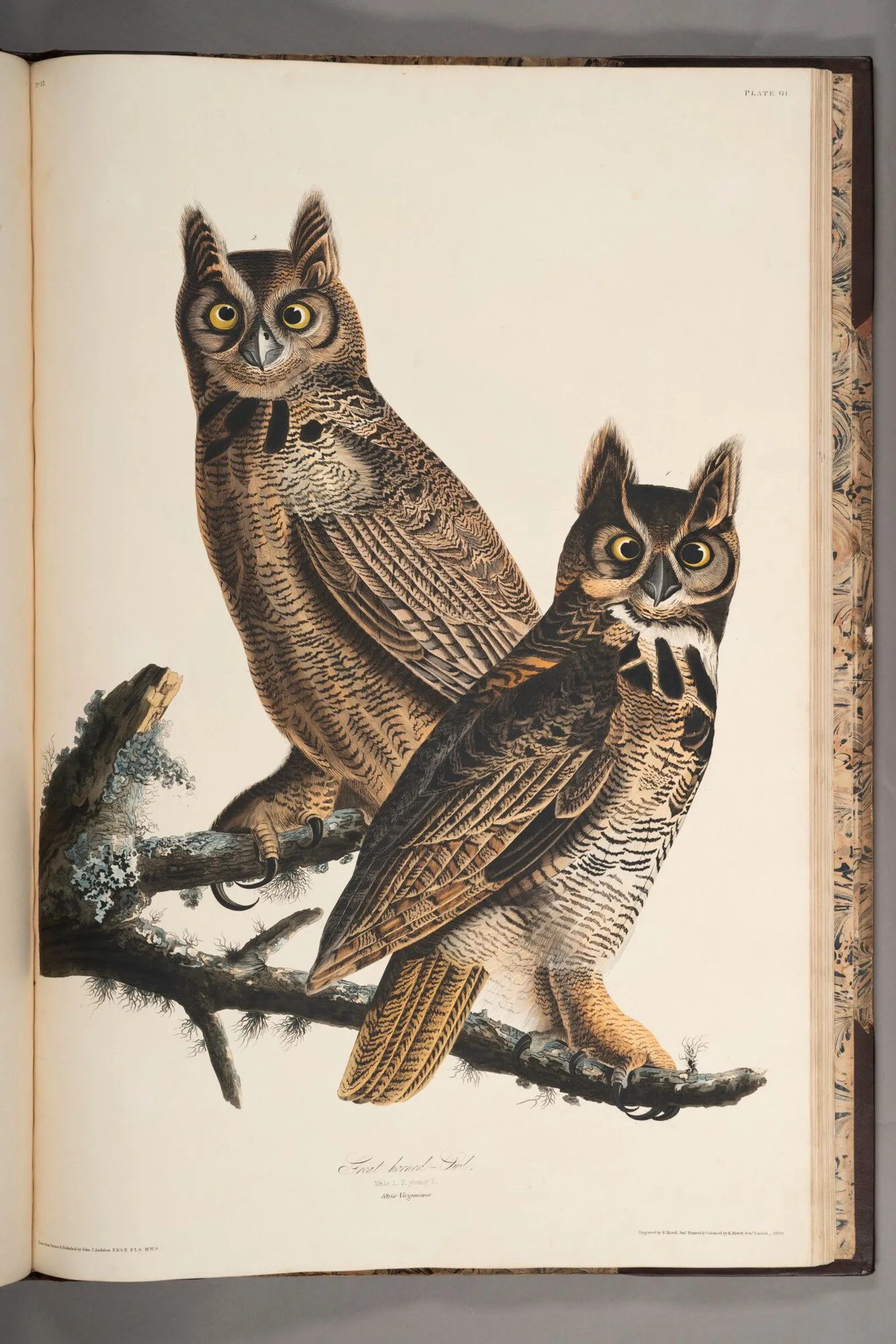
An exhibition highlighting two volumes of Birds of America by John James Audubon, among the world’s most valuable rare books, has opened to the public at the Royal College of Physicians and Surgeons of Glasgow (RCPSG). The college has owned these art treasures for two centuries.
The two first-edition volumes were acquired by the college in 1838 for £48, a sum equivalent to the annual wages of a skilled labourer at that time.
It is estimated that only about 120 complete volumes of Birds of America exist worldwide. A library in Liverpool recently disclosed that its copy was insured for £7.5 million.
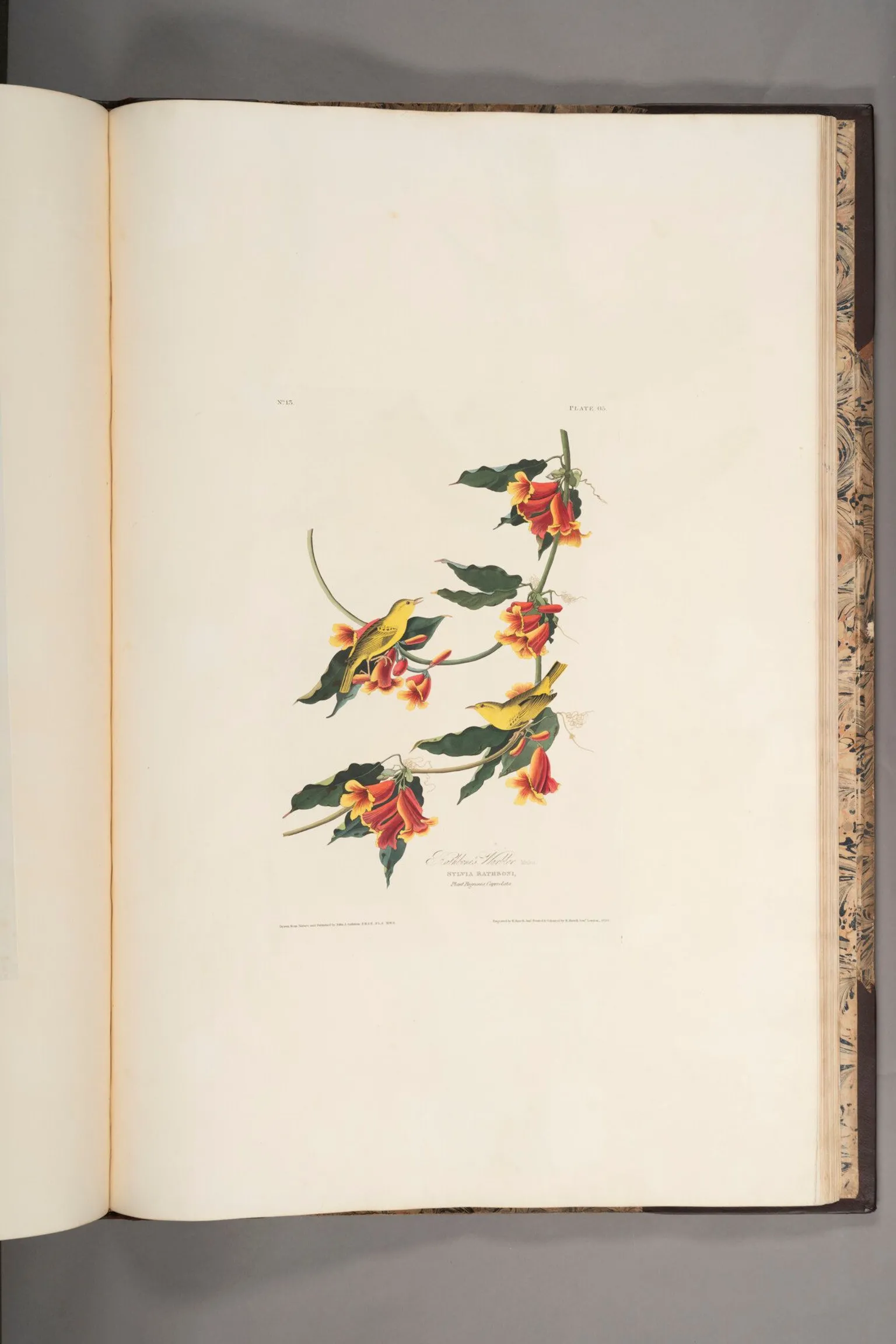
Public viewing of this book is rare. It contains life-size, meticulously hand-coloured illustrations of more than 200 bird species native to North America during the early 19th century.
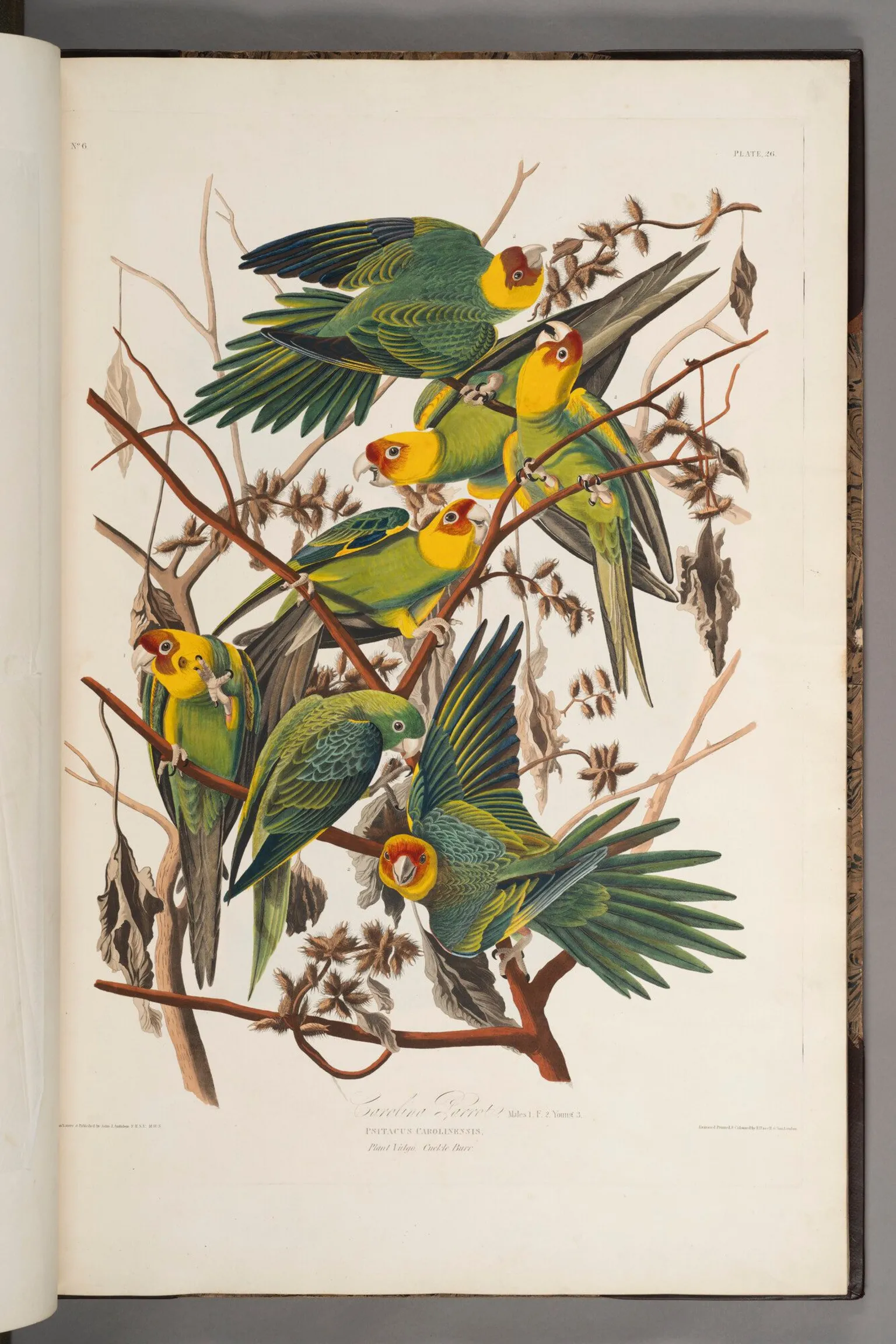
The book recently featured prominently as a major plot element in Mackenzie Crook's BBC comedy Small Prophets. Experts regard it as the "absolute pinnacle of ornithological art."
Each page measures approximately 3 feet (99 cm) by 2 feet (66 cm). Due to its large size, turning a page requires at least two people to avoid damage. Consequently, only one plate can be displayed at a time.
Origins of the Exhibition
The exhibition concept originated two years ago when Claire McDade, the heritage lead at RCPSG, discovered the two volumes in the college’s library.
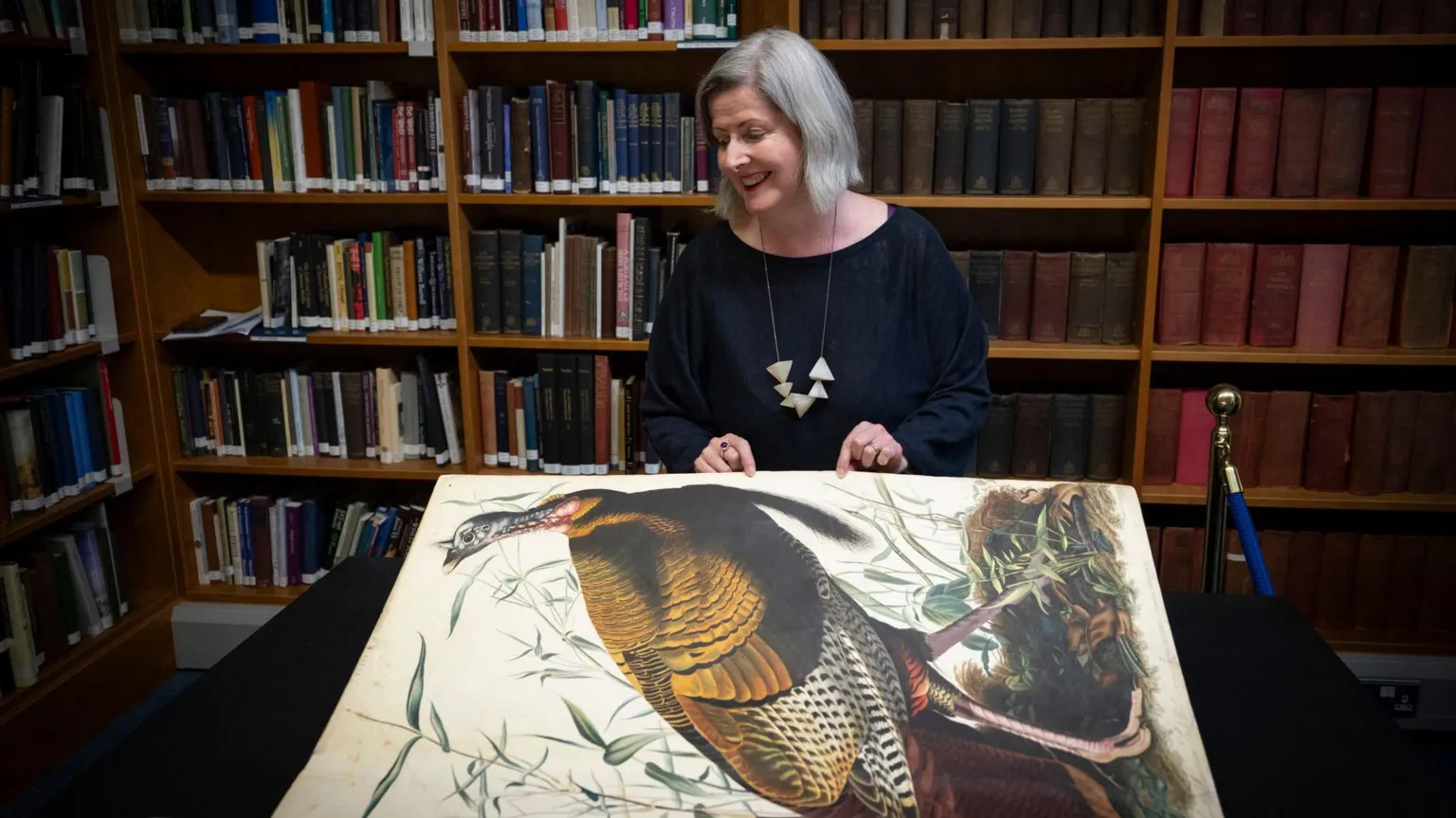
"I remember being astounded to discover we had this world treasure right here.
"I made it my mission to tell people what was special about what was fondly known as the bird book.
"It's a real pleasure to be able to welcome members of the community to the college to let them see this important work of art for themselves."
Production and Historical Context
The scale, materials, and labour involved made the book expensive to produce. To finance the project, Audubon sold copies in advance of printing.

In 1826, Audubon traveled across the Atlantic to promote his book in the United Kingdom, beginning in Edinburgh, which was home to many wealthy individuals and institutions.
McDade explains that institutions purchased the book because, during the Enlightenment, their members had a "great curiosity" about the wider world.
While in Edinburgh, Audubon engaged with the Royal College of Surgeons of Edinburgh. He delivered lectures on bird dissection attended by notable figures, including Charles Darwin, who was a medical student there at the time.
Edinburgh was also where Audubon secured his first UK publisher, William Home Lizars.
Audubon's Background and Acknowledgement of Historical Context
Born in France, Audubon later moved to Pennsylvania, where he lived on his father's plantation.
McDade acknowledges that the work of enslaved people and indigenous Americans contributed to the creation of the book.
"The college acknowledges very much the harm caused by racism and the fact that the books that we are celebrating were also made by people who were being harmed and damaged by Audubon," she added.
Exhibition Details
The exhibition is held in the college’s library located on St Vincent Street in Glasgow.
Admission is free, and visitors are advised to contact library@rcpsg.ac.uk in advance to arrange their visit.