

Leith Theatre Removed from Theatres at Risk Register
Leith Theatre, which opened in 1932 as a gift to Leith from the people of Edinburgh, has been removed from this year's Theatres at Risk Register. It is one of only two venues in the UK to achieve this status.
The Theatres Trust, the advisory body dedicated to promoting and protecting theatre buildings across the UK, publishes the list annually. The historic Edinburgh venue had been on the at-risk register for nearly a decade before receiving a £4.5 million grant from the National Lottery Heritage Fund last year.
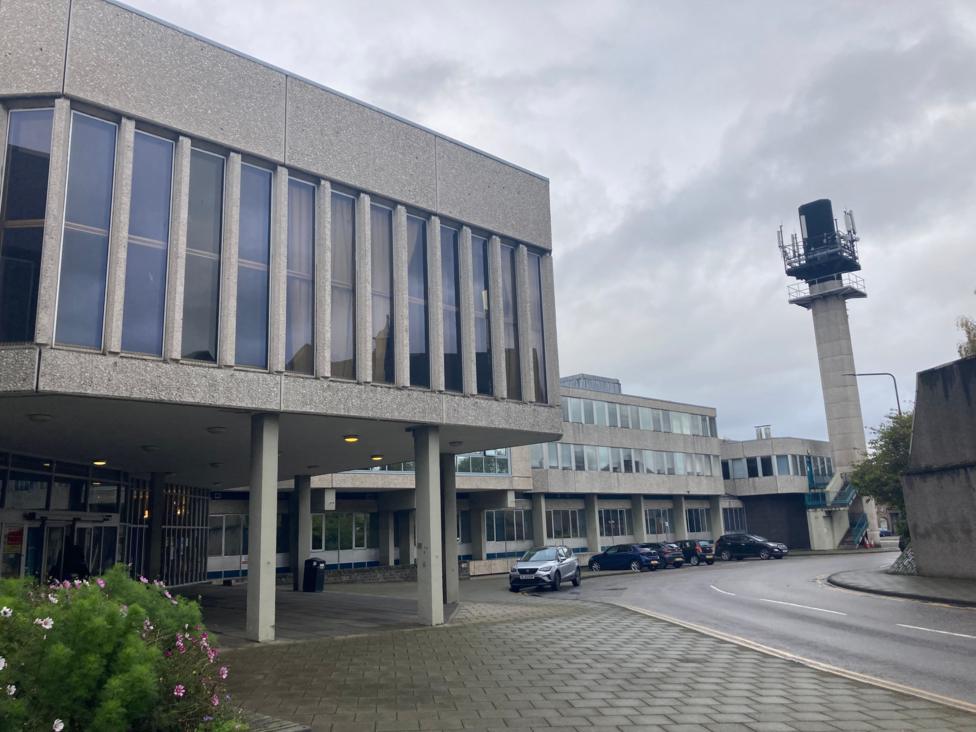
Three other Scottish theatres remain on the risk register: Motherwell Concert Hall and Theatre, Brunton Theatre in Musselburgh, and Dundee's King's Theatre.
Scottish Theatres Still at Risk
North Lanarkshire Council has submitted plans to demolish Motherwell's 1,600-seat concert hall and 392-seat theatre. The venue has been closed since 2023 following the discovery of reinforced aerated concrete (RAAC) in its infrastructure.
The Brunton Theatre in Musselburgh, managed by East Lothian Council, is also scheduled for demolition due to the presence of RAAC.
Both councils have stated that they considered options such as repair, sale, or transfer of ownership but concluded that demolition was the only economically viable solution.
The King's Theatre in Dundee has been closed since the 1960s and suffers from a water-damaged roof. Located in the city's Cowgate, the building retains its original auditorium, and there have been multiple attempts to initiate restoration plans.
Perspectives from Theatres Trust
Joshua McTaggart, chief executive of The Theatres Trust, emphasized that communities still have time to engage with the theatres affected by these issues.
"Returning these buildings to public use would require significant investment," he said. "Given the lack of alternative provision in those local areas, what we would see is not just buildings lost, but a place where people can gather, share stories, and connect with their community."
"The register exists to remind people what's on their doorstep and more importantly, what they can do to try and keep that or revitalise that space for public good," McTaggart added.
He acknowledged that some buildings may have reached the end of their useful lives and that saving them may not be financially feasible. In such cases, the trust works with councils to develop alternative cultural provisions that compensate for what is lost.

Leith Theatre Trust's Progress and Challenges
Lynn Morrison of Leith Theatre Trust, established in 2008 and hosting one-off events at the venue since 2016, described the removal from the risk register as an important milestone on the path to full restoration.
"It's a real testament to the journey we've taken," she said. "But we still have a long way to go. People are so blown away to be back in the building for events, they can't see that we don't have running water in some parts of the building and that we're not wind or water tight."
In recent years, the campaign has achieved several key milestones. The trust signed a 50-year lease with City of Edinburgh Council, which owns the building. It has also received development funding from the National Lottery Heritage Fund, which it hopes will leverage an additional £4.5 million for a capital project bid.
Additionally, the trust secured £5 million over the next three years from the council's Transient Tourist Levy.
Historical Significance and Cultural Impact
The B-listed Leith Theatre opened in 1932 and was severely damaged by a German bomb nine years later. It took over two decades to repair and reopen the venue. From the 1960s to the 1980s, it hosted opera, theatre, and ballet performances during Edinburgh's annual festivals and also functioned as a music venue.
Author Irvine Welsh, known for "Trainspotting," recalls attending a Mott the Hoople concert there in 1975 and has been a prominent supporter of the theatre's restoration efforts over the past decade.
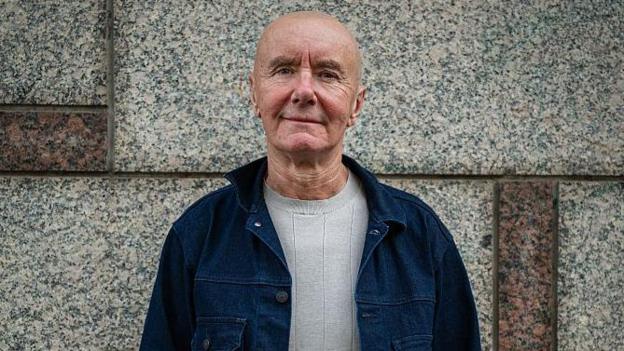
Next month, Welsh and cast members from "Trainspotting" will celebrate the film's 30th anniversary at the theatre as part of the Edinburgh International Film Festival. Later this year, he plans to return for another theatre-based fundraiser.
Community Support and Future Outlook
Morrison stressed the importance of community support during this critical phase between fundraising and active venue use.
"It's a building project and it's a heritage project but it's also a people project and it's thanks to the community that we've been able to save this building," she said.
McTaggart highlighted that Leith Theatre is one of 80 venues restored to active use since the register began in 2006.
"There's a real challenging economic climate for all theatres," he said. "Audience patterns are still shifting after the pandemic, even several years after we've been allowed to return to live performance spaces.
"So I'd urge everyone to really think about Leith once it reopens. Go and see a show there, go and support it, because that's how we keep these spaces in public use. By making sure that we are actually using them."
The Fate of Other Scottish Theatres
Time has run out for one Scottish theatre. The King's Theatre in Kirkcaldy is among four venues removed from the At Risk Register because the building has deteriorated to the point that demolition is now proposed.
Theatre-goers in that area are now served by the recently renovated Adam Smith Theatre and a smaller venue on the esplanade named after the King's Theatre.


