

Ian McKellen Reflects on His Acting Career and Theatre Changes
In over six decades of acting, Ian McKellen notes significant changes in the theatre landscape. His first role in 1961 was at the Belgrade Theatre in Coventry, the first British civic theatre built after World War II with public funding and Arts Council support. At that time, his weekly wage was £8, sufficient to cover his flat rent of three guineas and living expenses. Cities of similar size maintained repertory companies that staged new productions every two weeks, providing essential training and employment for emerging actors alongside seasoned performers. This system allowed actors to learn their craft and set career aspirations. Unfortunately, McKellen points out, today the UK lacks any repertory companies or comparable training systems for new talent.
His former flat at the Belgrade, originally built for a member of the disbanded company, now serves as the council’s outreach and education office. Despite these changes, McKellen observes that audience enthusiasm for lively theatre, whether classic or contemporary, remains strong. Attending live theatre continues to be a principal form of entertainment in the UK.
Warm-Up Rituals and Potential TV Projects
When asked about his warm-up routine before performances, McKellen confirms that he still participates in physical and vocal warm-ups with fellow actors, emphasizing the communal nature of theatre. He jokes about the possibility of doing warm-ups in a jockstrap but is uncertain about that detail.
Regarding a hypothetical TV show traveling around Europe in a camper van to review local stage productions and discuss them over dinner, McKellen expresses interest but prefers five-star hotels over camper vans, noting he would consult with his partner Pat about such arrangements.
Meeting Shakespeare and Theatre Insights
If given the chance to meet Shakespeare, McKellen would ask whether Shakespeare truly wrote and acted in his plays, acknowledging skepticism among some scholars. He would also request a sketch of the original Globe Theatre, suspecting it lacked the two obstructive columns present in the modern reconstruction on the South Bank. Additionally, he would inquire if Shakespeare has seen the film Hamnet.
Memorable Performances and Fan Experiences
Reflecting on his 2025 Glastonbury Festival appearance with the Scissor Sisters, McKellen describes the experience as exhilarating, noting the crowd chanted his name to the tune of The White Stripes’ "Seven Nation Army." Although he never aspired to be a pop singer, he appreciated the enthusiastic reception and likened the entire set to a prolonged curtain call filled with love and gratitude.
Gandalf vs. Dumbledore: A Wizardly Debate
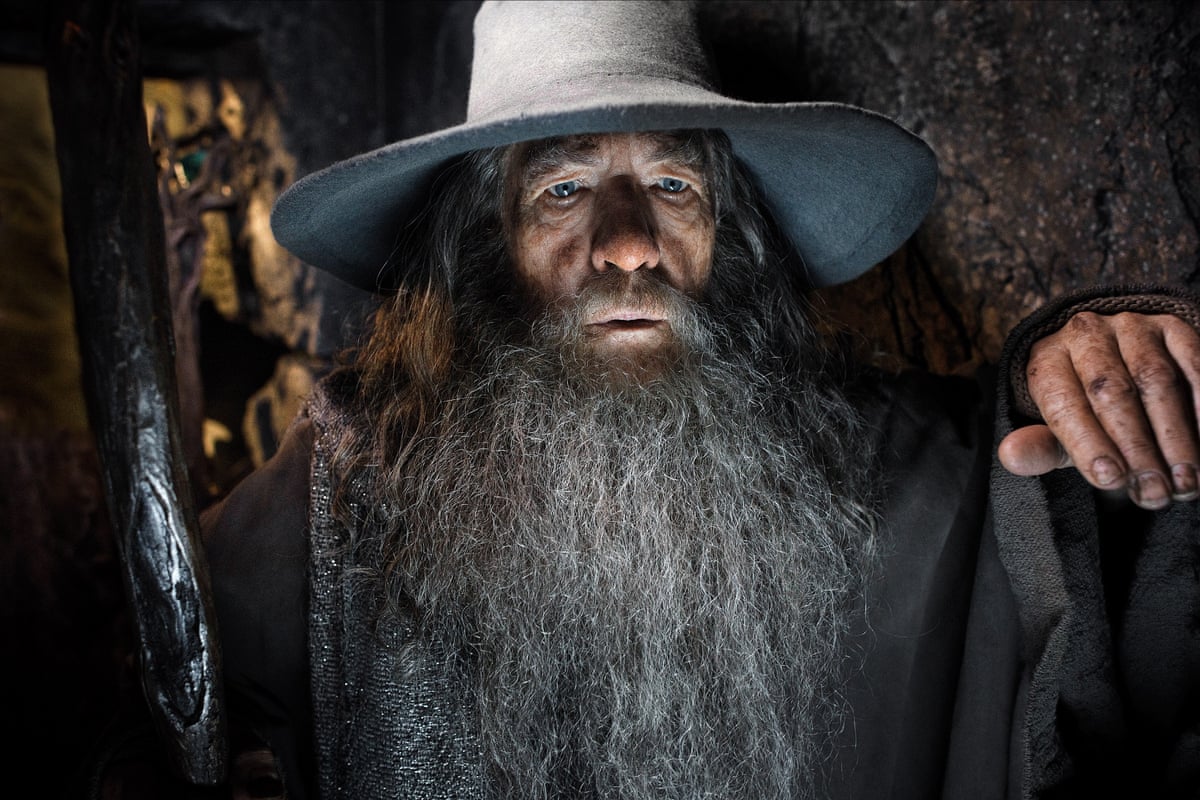
Addressing who would win in a fight between Gandalf and Dumbledore, McKellen questions the premise of such a conflict but asserts that Gandalf would win as the original wizard.
Family Influence and Personal Beliefs
McKellen recalls that while his father was a lay preacher, it was actors—both amateur and professional—who truly captivated him and inspired his acting career. He shares an anecdote about his grandfather, a nonconformist preacher known for his wide gestures and thin Lancashire tones, who once humorously reassured a confused audience after momentarily losing his place during a speech.
Regarding faith, McKellen fondly remembers gospel stories from his childhood but ceased worshipping in his teens. He expresses admiration for the Quakers for their commitment to the sixth commandment and early support of gay rights in the UK.
Passion for Pantomime
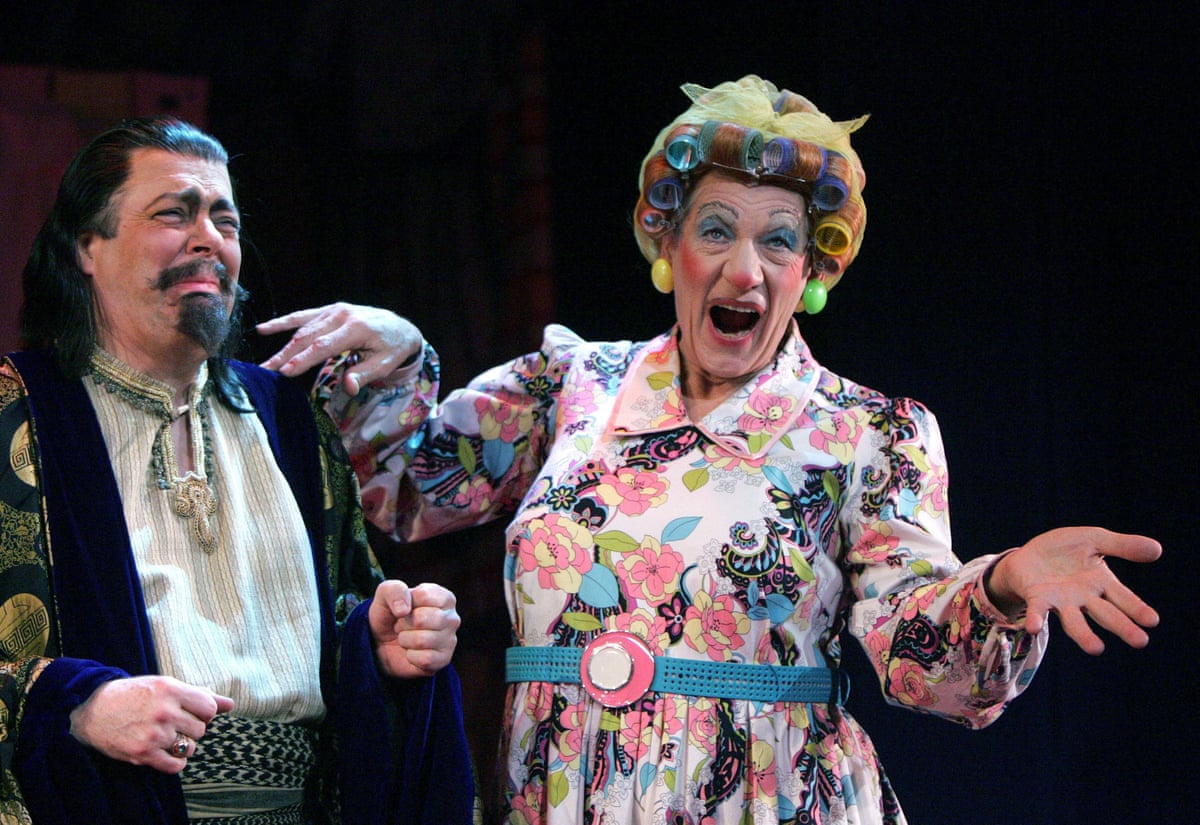
McKellen explains his attraction to pantomime, highlighting its use of diverse theatrical techniques—slapstick, sentiment, song, dance, verse, cross-dressing, community singing, extravagant costumes, scenery, and audience participation—to convey moral tales. He describes pantomime as an unmatched introduction to theatre, ideal for children and family outings. He notes that pantomime, a homegrown British art form, is often baffling to Americans, comparing it to cricket in that regard. His patriotism is deeply rooted in Shakespeare and pantomime traditions.
David Bowie and the Role of Gandalf
When asked about David Bowie’s potential casting as Gandalf, McKellen states that Peter Jackson has never confirmed who declined the role. He acknowledges that Bowie was among several prominent musicians who aspired to film success but did not fully achieve it. McKellen was drawn to Gandalf’s humanity—the image of a rugged wanderer—whereas Bowie’s distinctive looks and voice might have emphasized the wizard’s supernatural aspects.
Experiences as a Pub Landlord
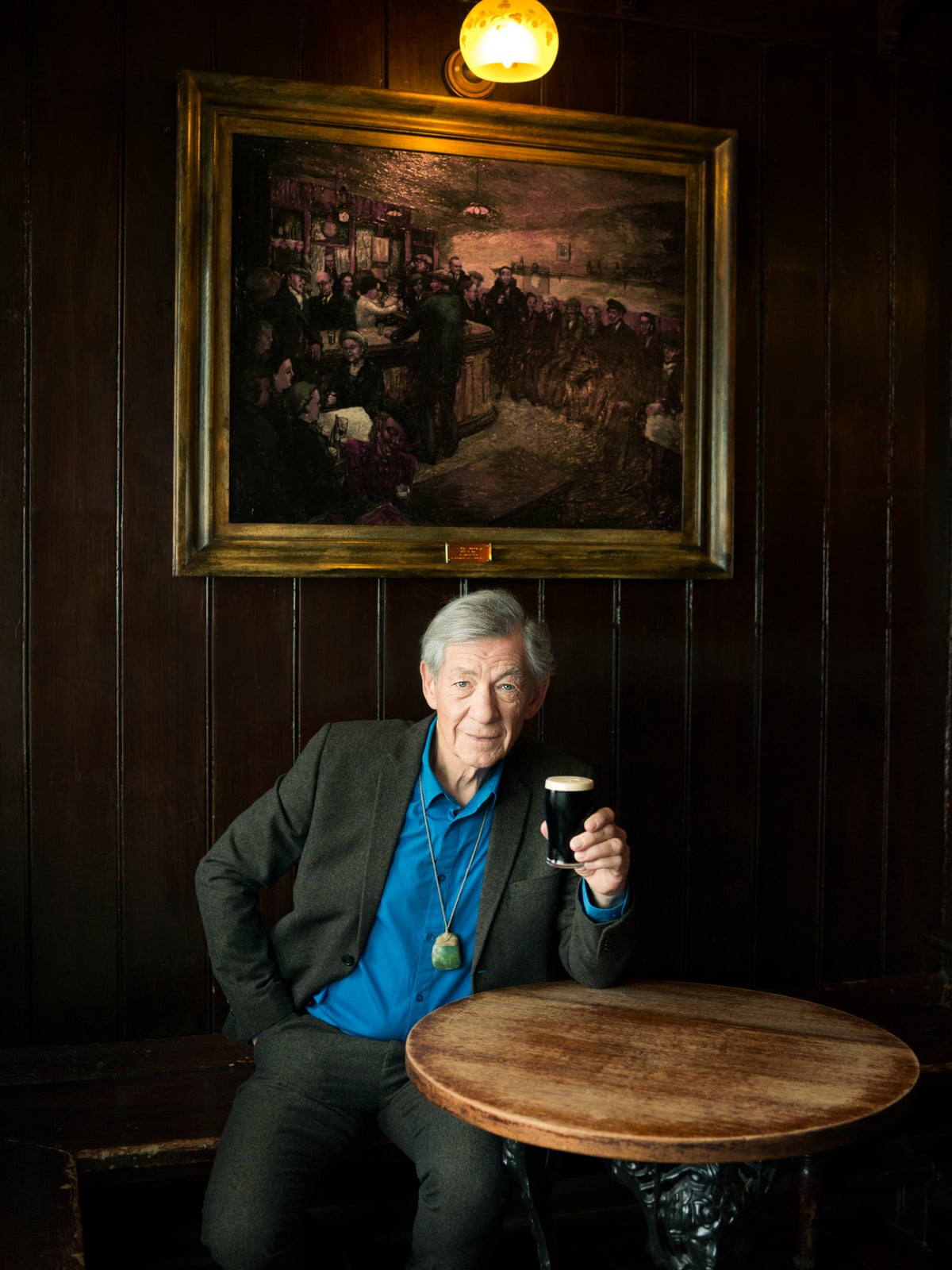
McKellen, who owns a pub, says he has never had to eject anyone, possibly because the presence of Gandalf’s staff behind the bar serves as a deterrent to misbehavior among patrons, whether hobbits from Middle-Earth or local drinkers in Limehouse.
Challenging Advice and Political Engagement
Recalling the worst advice he ever received, McKellen recounts an encounter after a 1979 performance of Martin Sherman’s Bent, a play about the persecution of gays in Nazi camps. A respected British actor visited him backstage and later invited him to lunch, where he advised McKellen to withdraw from his activism with Stonewall, a lobby group advocating for equal rights for UK lesbians and gays. The actor considered political involvement unseemly for an actor. McKellen did not heed this advice. He reflects on this in light of the current tour of Two Halves of Guinness, a solo show that subtly references Sir Alec Guinness’s latent bisexuality, which might have unsettled Guinness himself.
Roles That Raised Questions
McKellen admits that he once questioned a role he played: the son of Dame Celia Johnson in the BBC adaptation of Noël Coward’s Hay Fever. He admired Johnson’s work in Brief Encounter and hoped to befriend her during rehearsals. However, she remained distant, engrossed in her crossword puzzles during breaks, leaving McKellen to wonder why he was playing one of the least humorous parts in drama.
Reflections on Hamlet and Life
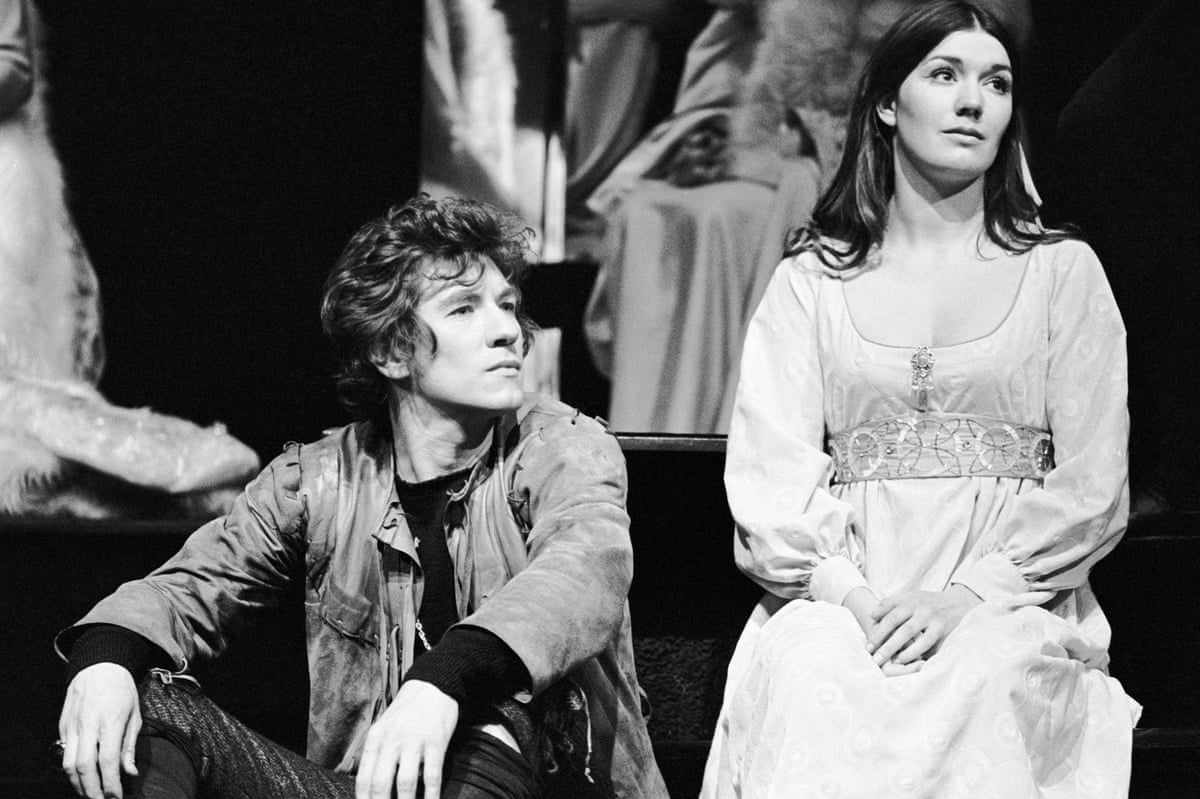
Discussing the famous soliloquy "To be or not to be," McKellen shares his interpretation from playing Hamlet in his late 20s, viewing "be" as living life fully, which aligned with his youthful ambitions. Upon revisiting the role years later, he understood Hamlet’s final acceptance expressed in the phrase "Let be," a sentiment McKellen now embraces.


