Iconic Sculptures Once Adorned Southern Scotland
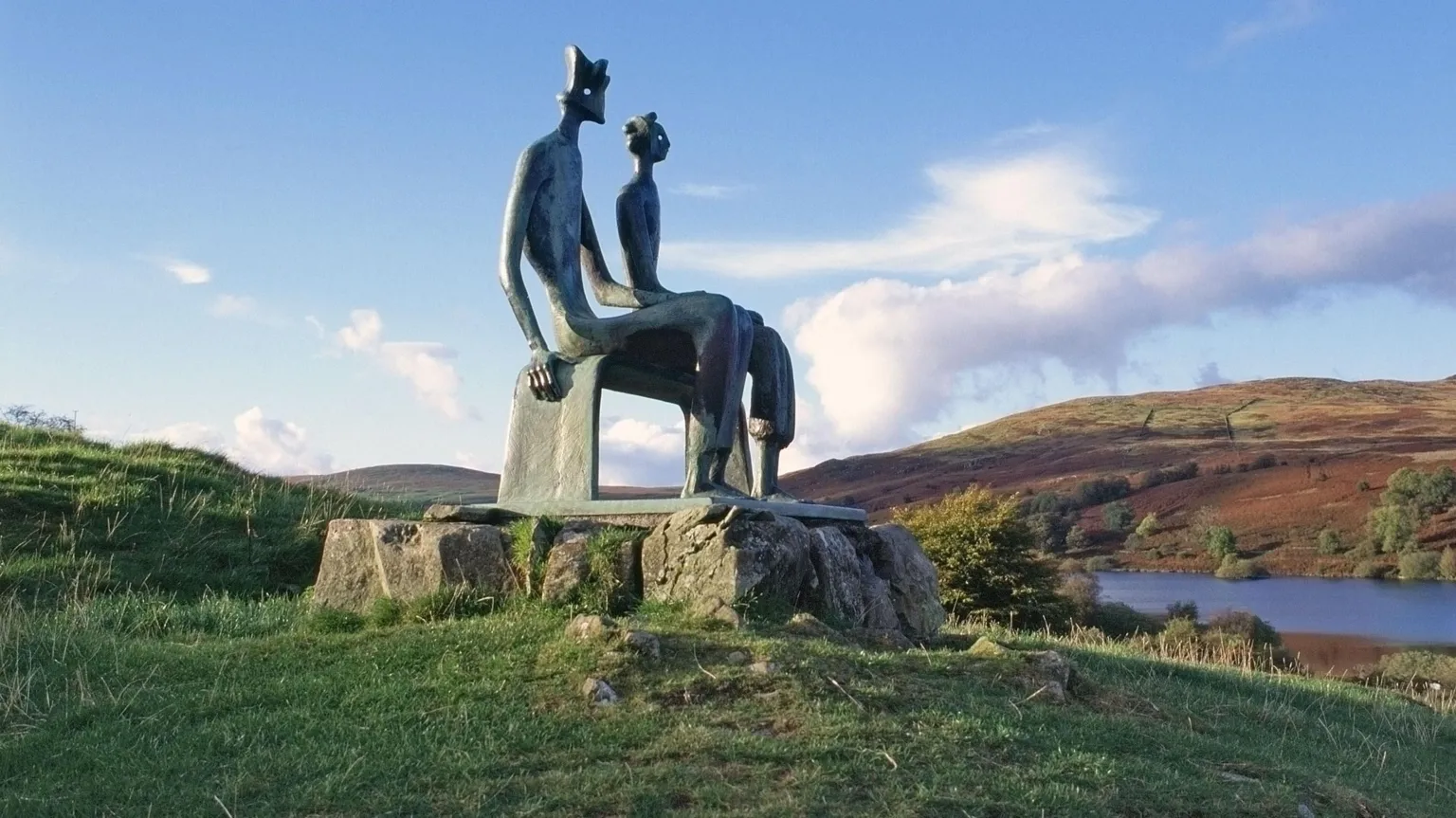
A series of sculptures by Henry Moore and other notable artists were once prominent features around Glenkiln in Dumfries and Galloway, serving as a striking example of modern artwork integrated into the countryside.
Among these was the sculpture King and Queen, which suffered vandalism in 1995 when it was decapitated.
The heads were subsequently recovered and carefully reattached, but the sculpture was permanently removed from public display several years later.
Recently, it sold at auction for £26 million.
The Glenkiln Sculpture Park and Its Origins
The Glenkiln sculpture park was established by local landowner Sir William Keswick between 1951 and 1976.
It featured four works by Henry Moore alongside sculptures by Auguste Rodin and Jacob Epstein.
The concept behind the park was to exhibit modern sculptures within natural outdoor environments rather than traditional gallery spaces. This approach attracted many walkers who toured the sculptures while visiting the region.
"Set within a wild, windswept moorland, King and Queen took on a new life," said Alice Murray of auctioneers Christie's.
"Against vast skies, rolling hills and shifting weather the pair seemed to come alive - timeless s of the landscape."
About Henry Moore and the Sculpture's Inspiration
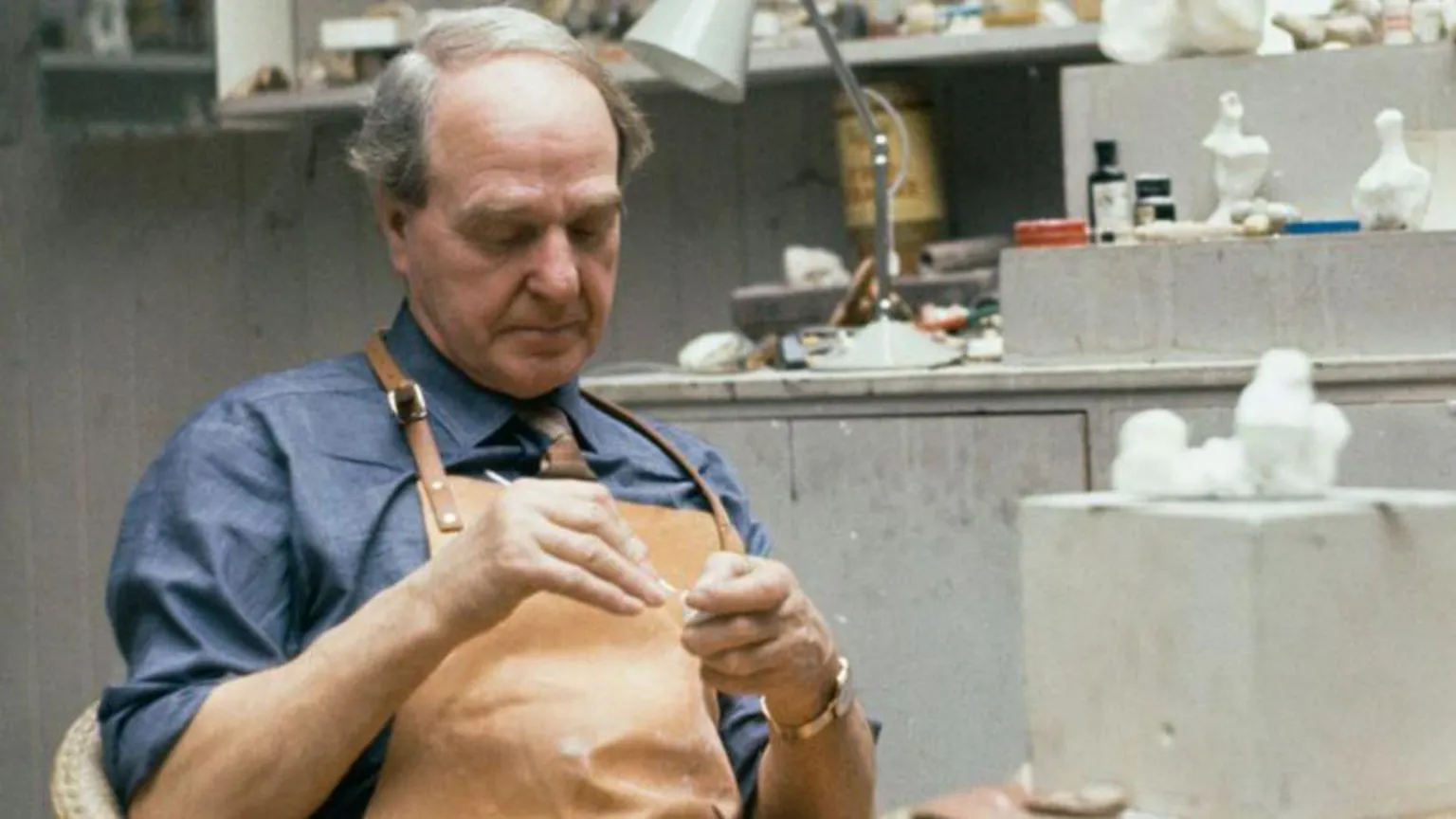
Henry Moore is recognized as one of the foremost British artists of the 20th century. Born in Castleford, West Yorkshire, he studied at Leeds School of Art alongside Wakefield sculptor Barbara Hepworth.
Moore specialized in semi-abstract bronze sculptures displayed in public spaces.
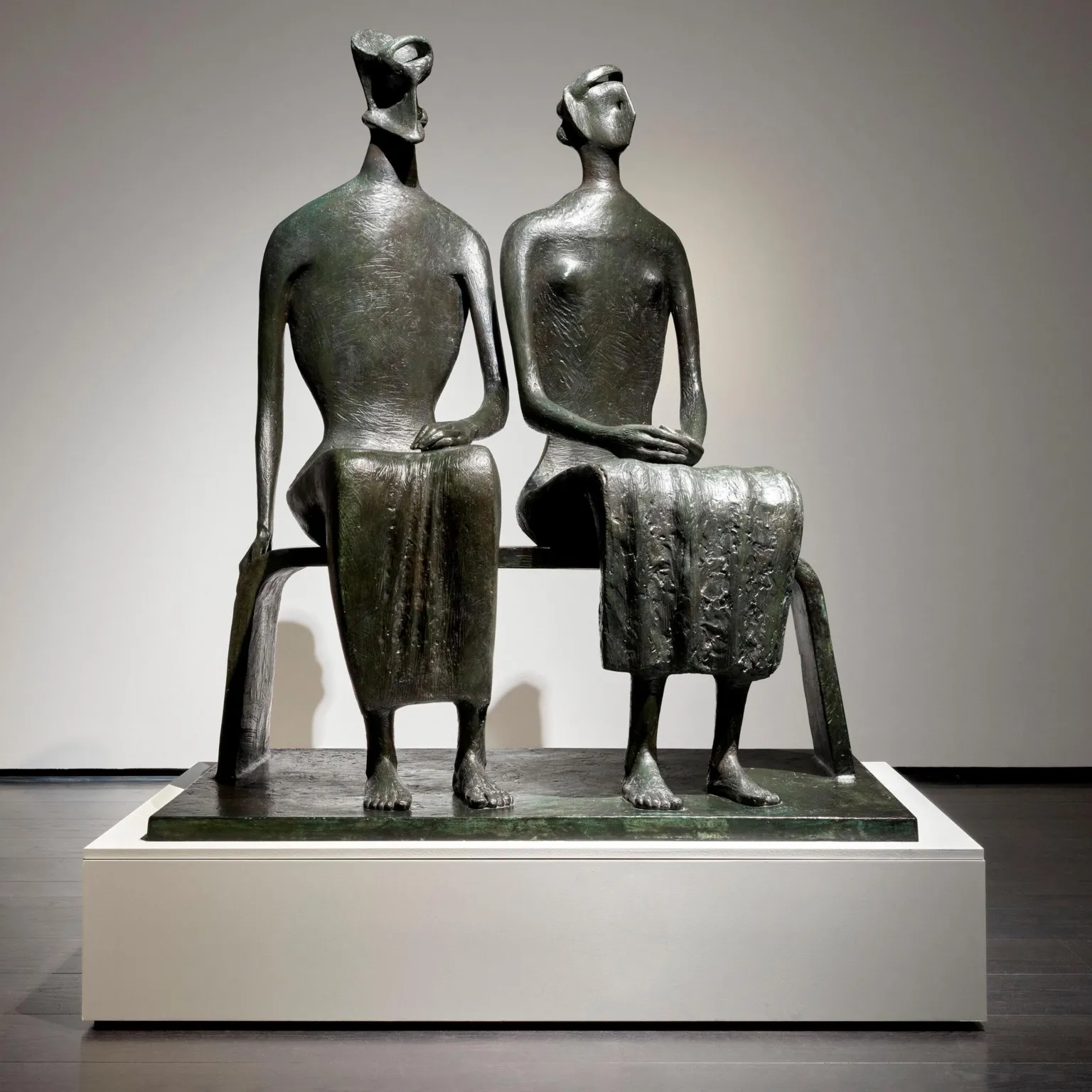
King and Queen was inspired by an Egyptian sculpture housed in the British Museum depicting a court official and his wife. The piece evolved from Moore experimenting with a small piece of modelling wax.
Moore later acknowledged that additional inspiration may have come from years of reading stories about "kings and queens and princesses" to his daughter Mary.
The sculpture became one of Moore's landmark works, described by a critic as "Moore's finest achievement since the war, and probably the most graceful of all his works."

Vandalism and the End of Public Display
King and Queen was a major attraction at Glenkiln but became a target for vandalism and theft.
In 1995, the sculpture was beheaded, but the original heads were eventually recovered and meticulously restored.
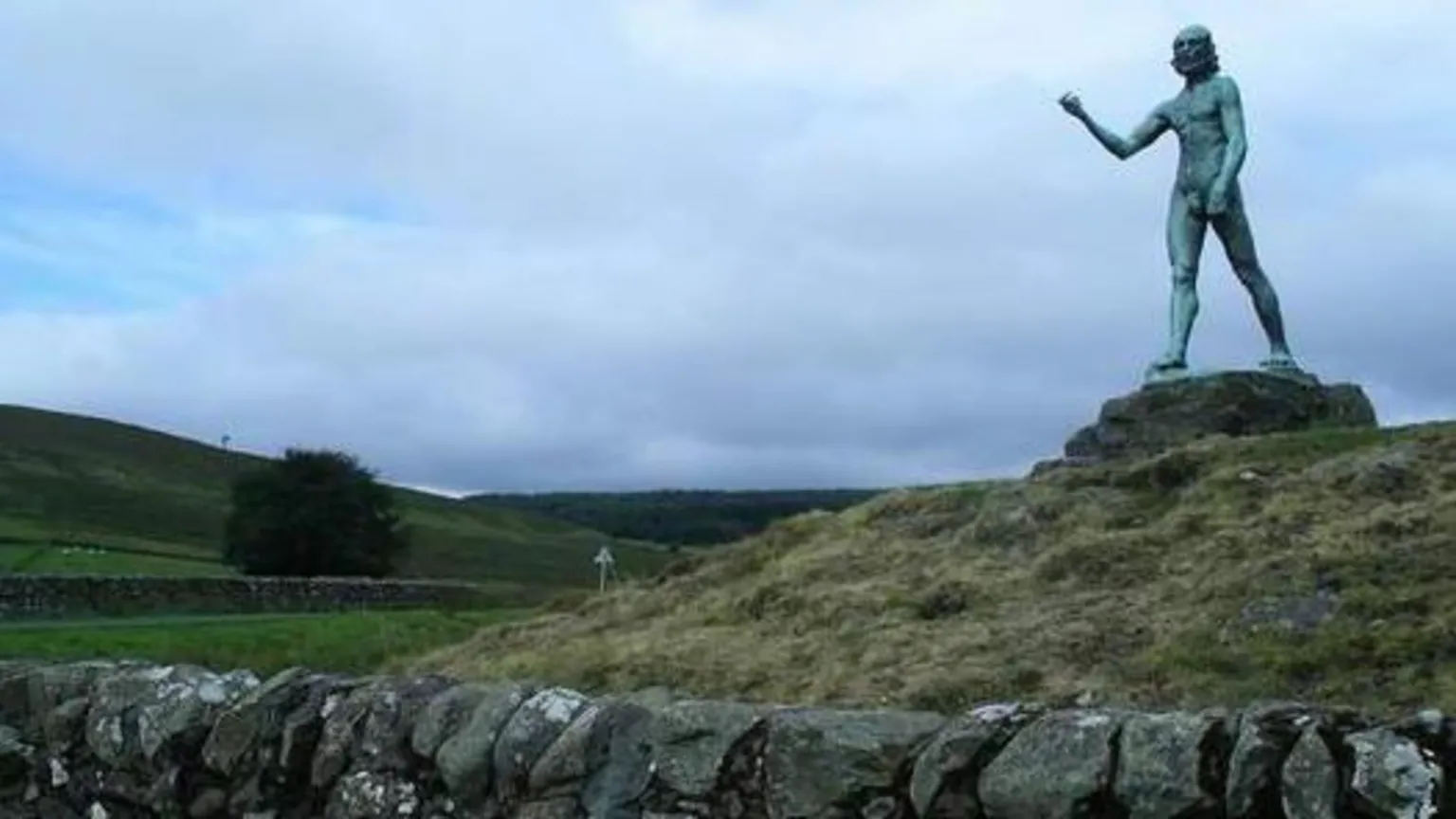
In 2013, the theft of another artwork, Standing Figure, marked the end of the public exhibition space.
The 7ft (2.1m) tall sculpture was stolen, and a £50,000 reward was offered for information leading to its return, but it has never been recovered.
Following this, the remaining sculptures were moved into secure storage, concluding one of southern Scotland's most distinctive attractions.
Recent Auction and Legacy
Memories of King and Queen overlooking Glenkiln Reservoir resurfaced last week when the figures were auctioned.
Initially expected to fetch up to £15 million, the sculpture ultimately sold for £26 million to an undisclosed bidder.
Christie's described the price as remarkable given the sculpture's colorful history.
The bronze is one of four editions of the sculpture but is the only remaining example still in private hands. The others are located in Japan, the Netherlands, and the USA.
Two additional casts were produced for the Tate Collection in 1957 and The Henry Moore Foundation in 1985.
"Henry Moore's King and Queen stirs a strong response in those who view it," said a Christie's spokesperson.
"Housed in major museum collections worldwide including Tate, the present cast is the very last to remain in private hands.
"In the spring of 1995, the work was dramatically beheaded while installed in the wild beauty of its moorland setting.
"Though the gesture was striking, the original heads were retrieved and carefully restored under the guidance of The Henry Moore Foundation adding a powerful footnote to the history of this majestic sculpture."
The Glenkiln Sculpture Park Today
The Glenkiln sculpture park now exists only in memory, but the walking and cycling loop around the reservoir remains a popular destination.
However, it no longer features the accompaniment of multi-million-pound artworks.