Rediscovering Judith Leyster and Baroque Women Artists
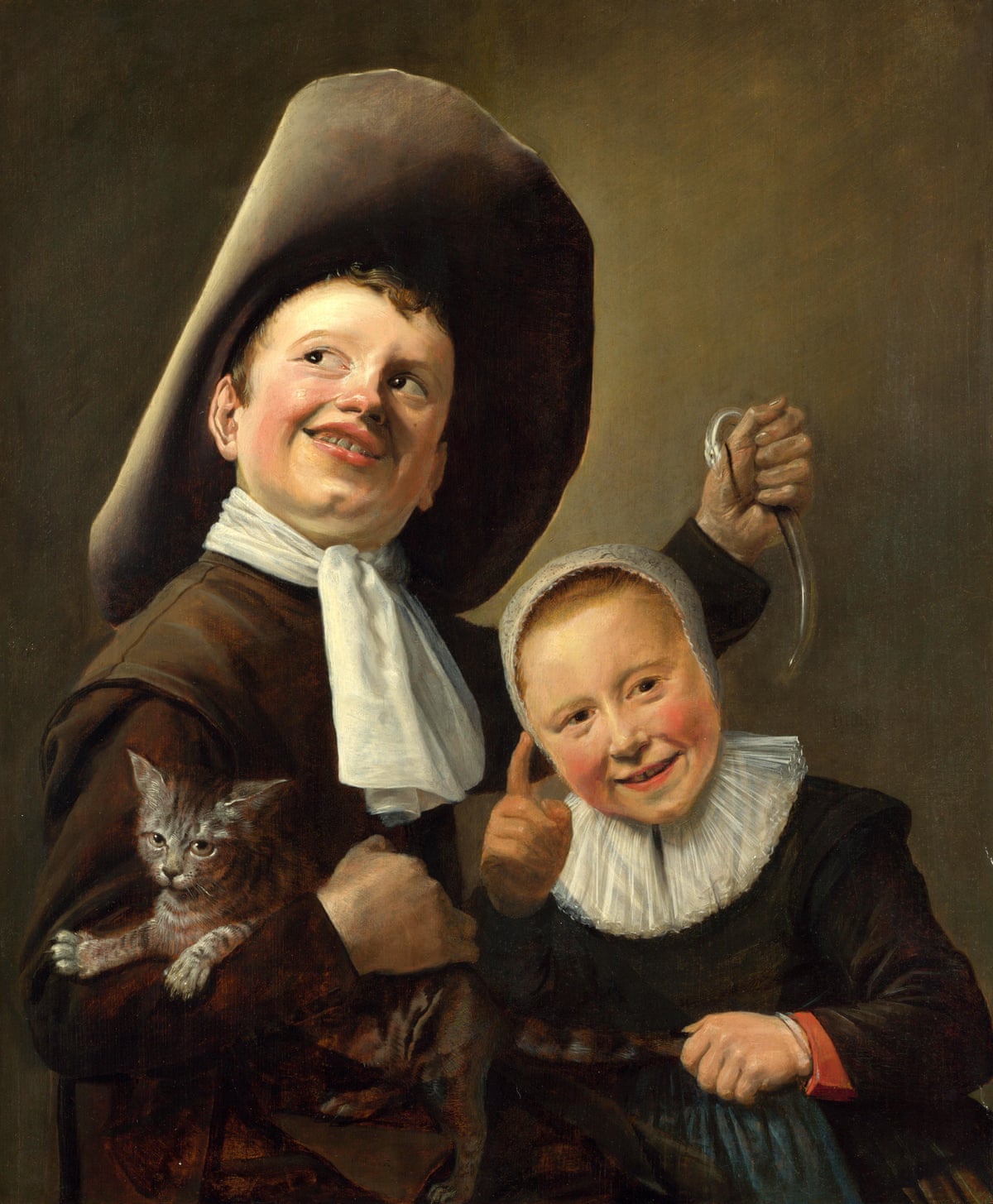
Judith Leyster, a Dutch Golden Age painter, was approximately 21 years old when she created her self-portrait in 1630. In this artwork, Leyster projects a sense of cheerful confidence. She is depicted wearing shimmering silks and a stiffly starched lace collar, reclining in her chair with palette and brushes in hand, alongside one of her paintings.
This self-portrait, completed the same year she joined the painters’ guild in Haarlem, marked her recognition as an established artist. Notably, it was among the earliest self-portraits by an artist in the Dutch Republic, a practice male painters adopted years later.
Although celebrated during her lifetime, Leyster was soon forgotten after her death. A posthumous inventory attributed some of her paintings to “the wife of the deceased,” referring to her husband, artist Jan Miense Molenaer. Subsequently, her works were misattributed to male contemporaries or labeled as by an “unknown master.” Paintings under her name were undervalued; in the 1970s, a major US museum sold one, while others remained unseen in institutional vaults.
Leyster’s work has experienced a revival and she is now featured prominently among over 40 female artists from the Baroque period in the Low Countries in a new exhibition.
Unforgettable: Women Artists from Antwerp to Amsterdam, 1600-1750
The exhibition Unforgettable: Women Artists from Antwerp to Amsterdam, 1600-1750 opened recently at the Ghent Museum of Fine Arts (MSK), following an earlier presentation. It aims to reintegrate women into one of art history’s most celebrated periods, traditionally dominated by figures like Rembrandt van Rijn, Johannes Vermeer, and Anthony van Dyck. The MSK’s slogan encapsulates this mission: “Old masters were women too.”
Co-curator Frederica Van Dam explained that the exhibition invites visitors to consider
“why haven’t we seen artworks by women before? Why has no one ever questioned this”?The exhibition catalogue lists 179 women active in the art economy of the Low Countries, corresponding to present-day Netherlands and Flanders in northern Belgium.
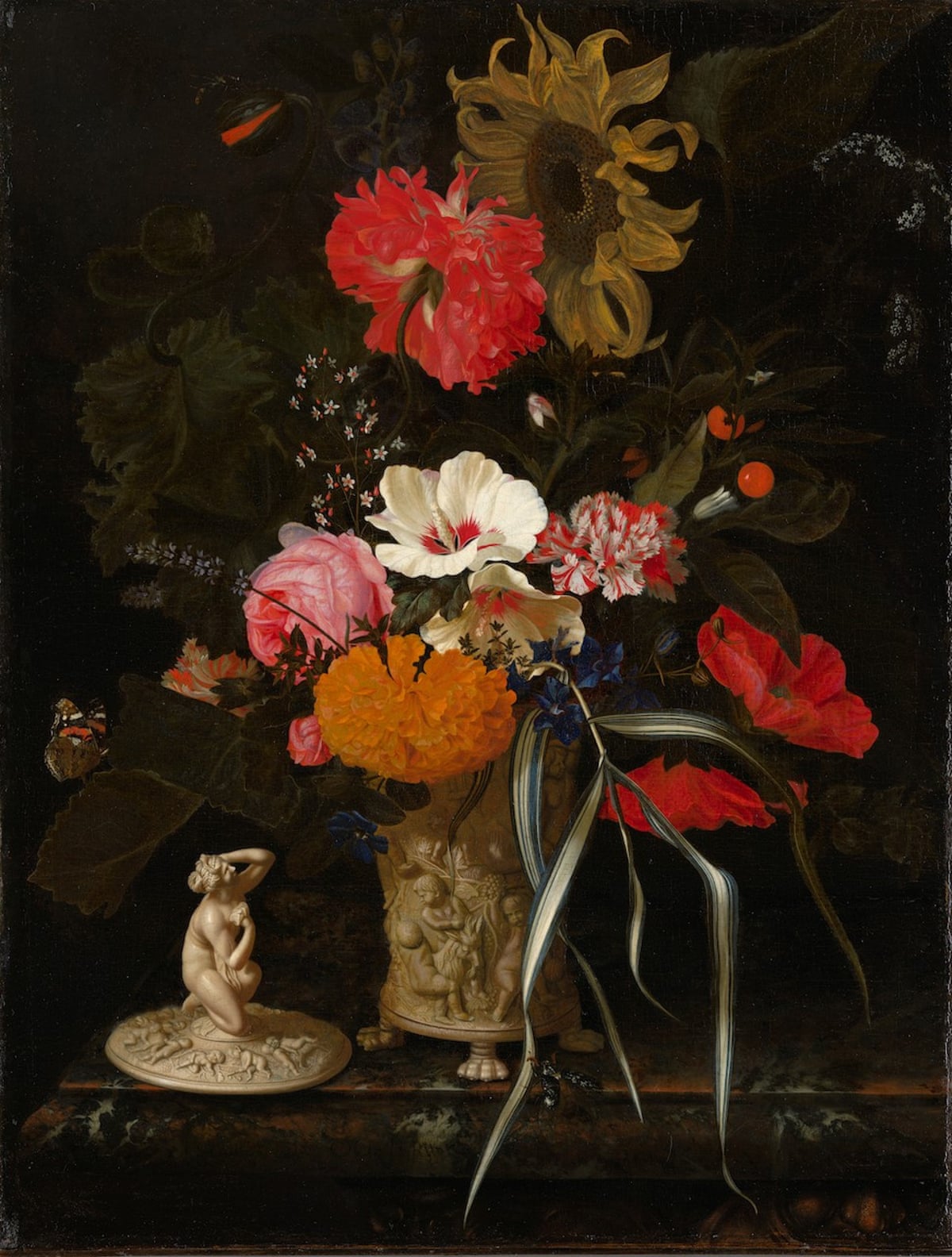
Many of these women were admired in their lifetimes. Maria van Oosterwijck’s still-life paintings adorned palace walls across Europe. In 1697, Russian Tsar Peter I visited the Amsterdam home of Johanna Koerten, a specialist in paper-cutting—a craft combining drawing, calligraphy, and sculpture. Koerten was well compensated; a piece described as “woven silk in a rustic manner” created for the Holy Roman Empress reportedly earned her more than twice what Rembrandt made for a comparable work.

Reclaiming Women’s Place in Art History
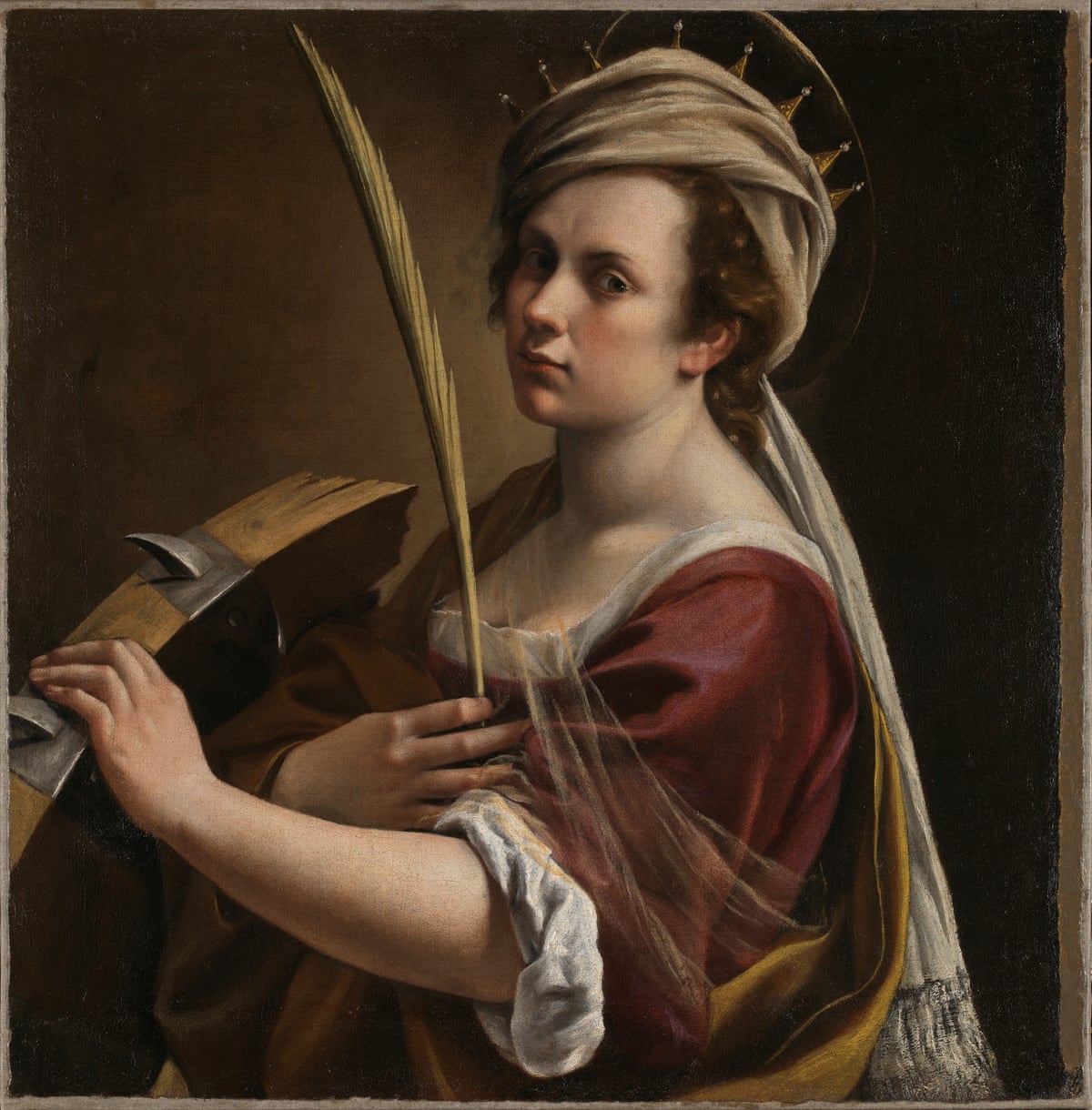
This exhibition forms part of a broader rediscovery of women artists long omitted from art historical narratives, ranging from Italian Baroque painter Artemisia Gentileschi and her near contemporary from the southern Netherlands, to Belgian modernist Anna Boch and American impressionist Mary Cassatt.
Women were largely erased from art history in the 19th century, when the discipline was formalized. Predominantly male art historians determined what constituted valuable art and who merited recognition. Van Dam noted that when women appeared in the narrative, they were often dismissed as imitators. This was the case for Rachel Ruysch, whose floral still lifes were highly sought after by collectors for their meticulous detail and refined brushwork, yet scholars regarded her work as derivative.
During the 19th century, painting became the pinnacle of museum collections, overshadowing applied arts such as paper-cutting, calligraphy, and lace-making, fields in which women excelled. In the early modern era, lace commanded high prices, though the poorer women, nuns, and orphaned girls who produced exquisite fans, veils, aprons, and tableware received minimal compensation. These artisans often remained anonymous, signing documents with an “X.”
Rediscoveries and Unconventional Lives
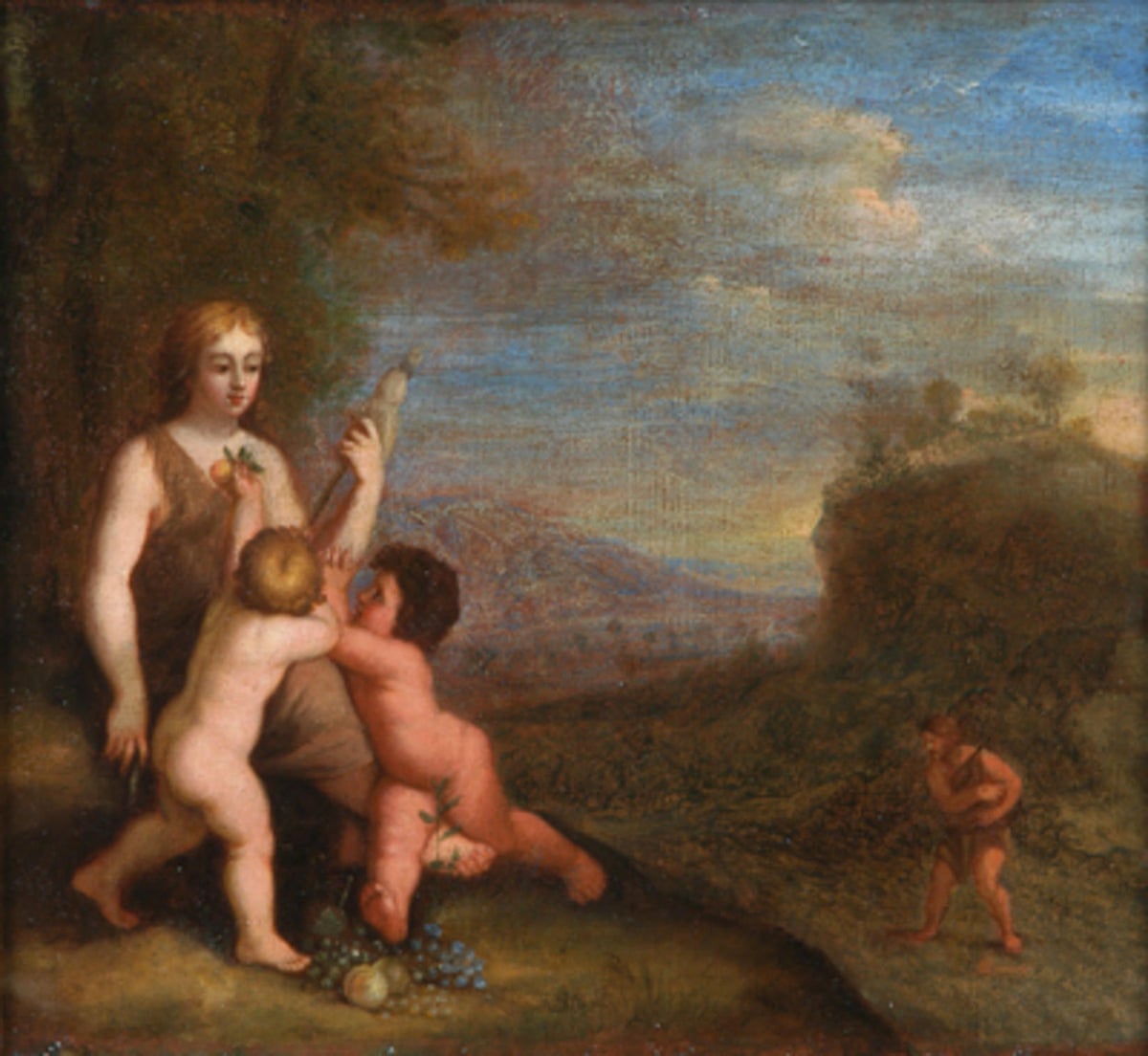
While many female artists remain lost to history, some have been rediscovered. For example, painter Catrina Tieling was nearly forgotten until 2025, when a Dutch art historian re-examined works previously attributed to her brother Lodewijk and identified signatures marked “CT” as hers. The exhibition includes Tieling’s rustic scene depicting two shepherdesses resting beside a herd of cows, a rare example of an Italianate landscape painted by a woman.
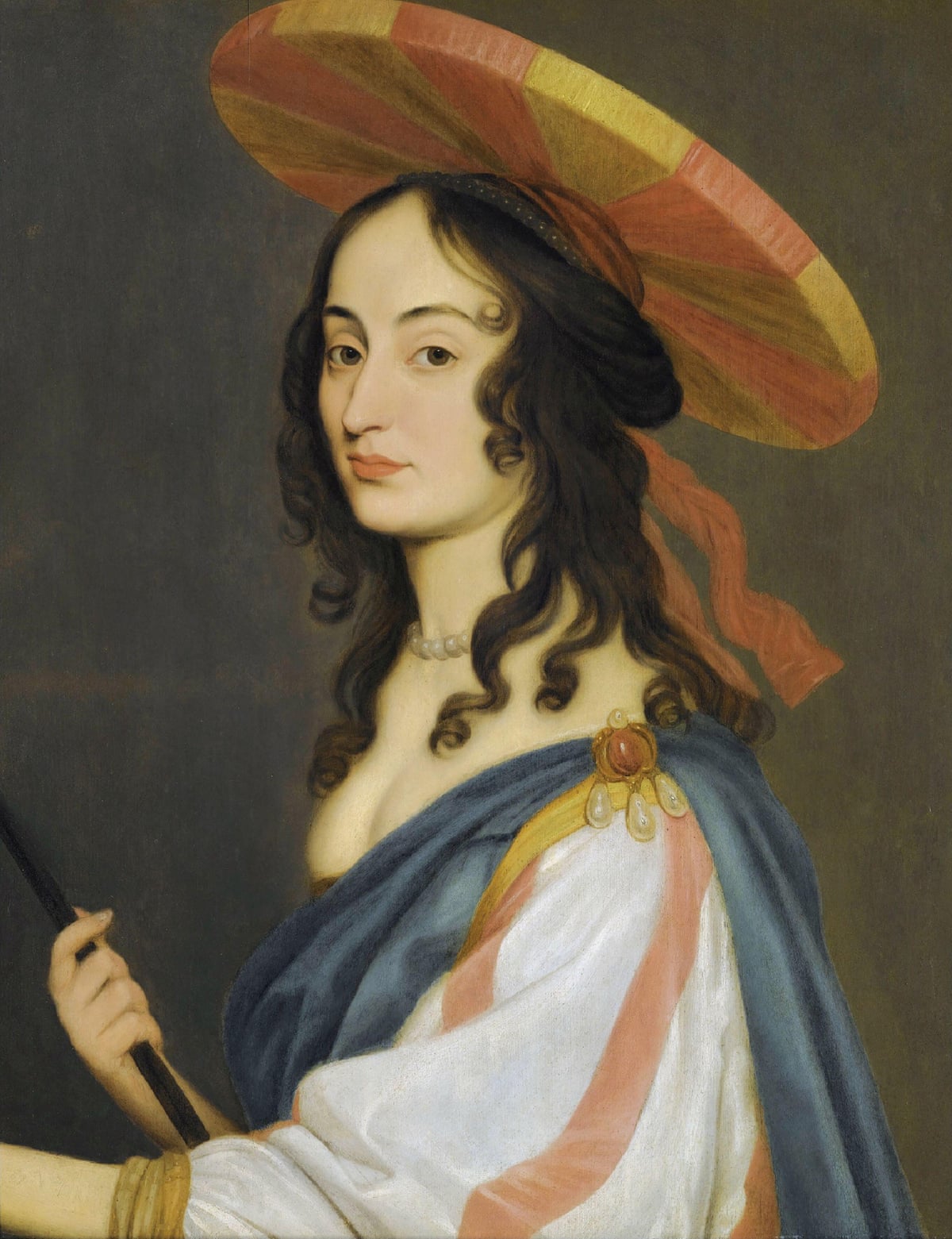
The exhibition also highlights women who made life-altering and unconventional choices. Louise Hollandine converted to Catholicism and entered a convent to preserve her artistic freedom. Daughter of exiled royalty, Hollandine enjoyed a privileged upbringing in The Hague and became a skilled portrait painter of friends and family.
In 1657, she abandoned her comfortable life to become a French Benedictine nun, rejecting her family’s plan for her to marry her nephew. At the convent, she shifted focus to religious genre scenes, though many of these works were lost during the French Revolution. The exhibition presents self-portraits of Hollandine from both phases of her life: one depicting her as poised and elegant in rich silks and a large beribboned hat; the other showing her austere, dressed in a black and white nun’s habit with a cross, yet still radiating a lustrous presence.
Future Directions in Research and Recognition
Van Dam expressed hope for continued research into female artists and efforts to increase accessibility to their work. She stated that through this exhibition,
“you get an impression of how valuable they were for the economic and artistic blossoming at the time.”