

Review of Falling: A Religious Romance
This story of a forbidden romance between a nun and a priest features a notable cast but feels unusual from the outset, largely because Paapa Essiedu and Keeley Hawes portray characters who neither speak nor behave like mature adults.
Yearning has become a rare art. In modern times, it is challenging to find circumstances that keep people apart long enough for passion to develop, fueled by alternating hope and despair. Traditional obstacles such as distance, existing marriages, or hidden truths about sexuality no longer serve as effective barriers. What about religion? Specifically, a love between two individuals bound by doctrine to remain celibate? Catholicism provides such a framework, accompanied by a pervasive sense of guilt about sex, even among its non-clerical members.
In Falling, written by Jack Thorne, Keeley Hawes plays Anna, a nun who took her vows two decades ago and has since lived a sheltered life under the supervision of the abbess Francesca (Niamh Cusack). Paapa Essiedu portrays Father David, a young, energetic priest working to improve the lives of his impoverished parishioners in Easton, a deprived area of Bristol. The narrative feels peculiar from the beginning, primarily because neither character behaves or speaks like an adult. Given that Anna is a nun who regularly visits shops and food banks with produce from the convent garden, her mannerisms are inconsistent. David, a priest deeply engaged with the realities of his community, also behaves implausibly. For example, when a grocer compliments Anna’s box of vegetables, she responds with
“YOU are lovely, Graham!” “THESE are vegetables!”which undermines the authenticity of their interactions.
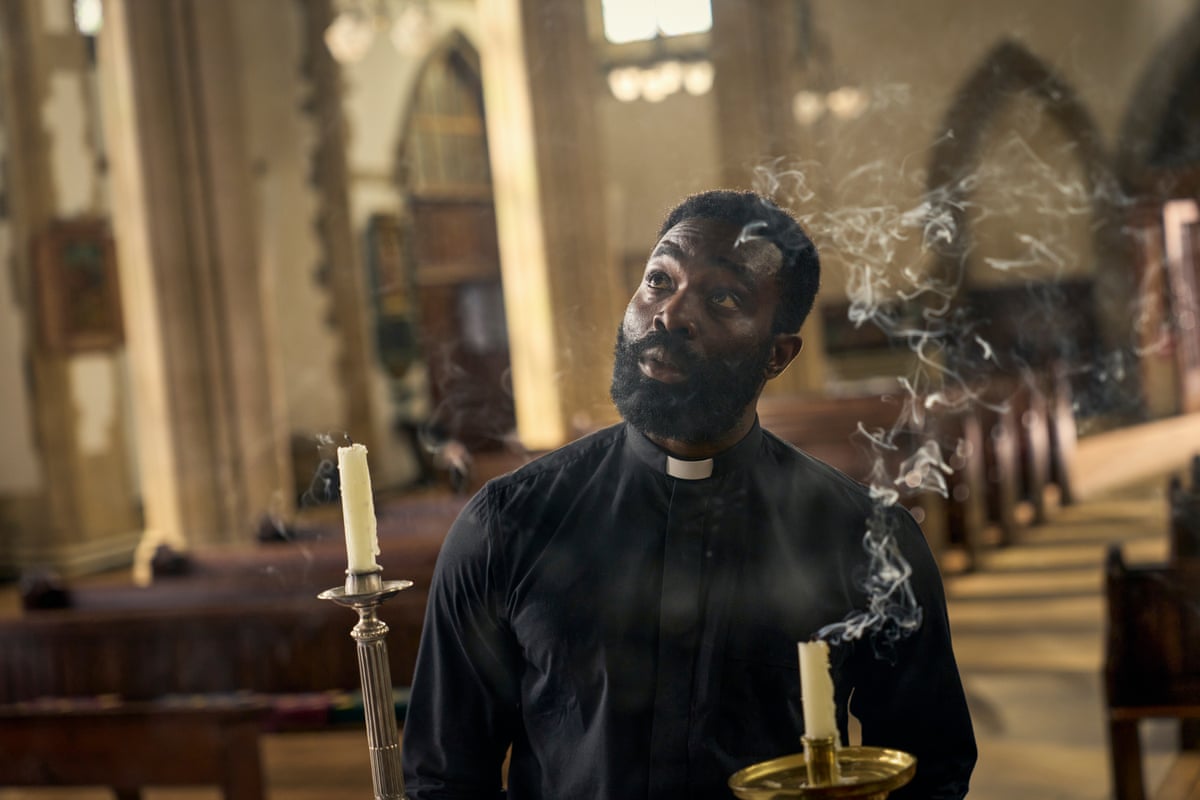
This exchange exemplifies the inauthenticity permeating the main romantic storyline. It is unclear whether Thorne, known for his impactful works such as the This Is England trilogy and dramas addressing disability rights, the pandemic, misogyny, and the manosphere, felt uncertain about portraying emotional depth or the lives of religious devotees. Rarely does a moment in Anna and David’s relationship feel genuine.
At times, the derivative nature of the plot alienates viewers. Their first physical contact occurs when Anna burns herself while cooking for David, and he helps her cool her hand under running water. This brief interaction prompts Anna to leave the convent, take a bus to David’s church, and confess her love:
“I have never felt the way you make me feel!”David responds with
“Does the convent know you’re here?”while appearing, for at least three episodes, not as a man wrestling with his feelings but like a deer caught in headlights. Even a cloistered nun would interpret that as a clear message. Anna then moves in with a kindly parishioner named Muriel (Rakie Ayola) as she adjusts to secular life. This transition is expedited by a haircut, purchasing long-sleeved T-shirts, and shaving her legs. Although the abbess mentions a formal deconsecration process, the narrative opts for a more efficient approach.
Anna’s behavior toward David is largely unreasonable, with Thorne seemingly conflating naivety and inexperience with infantilism, resulting in a character lacking consistency and relatability on a human level.
David’s backstory and secret sorrow are revealed gradually. Meanwhile, he antagonizes bishop Peter (Jason Watkins), who prefers allocating church funds to underfloor heating rather than supporting initiatives like needle exchanges or food banks.
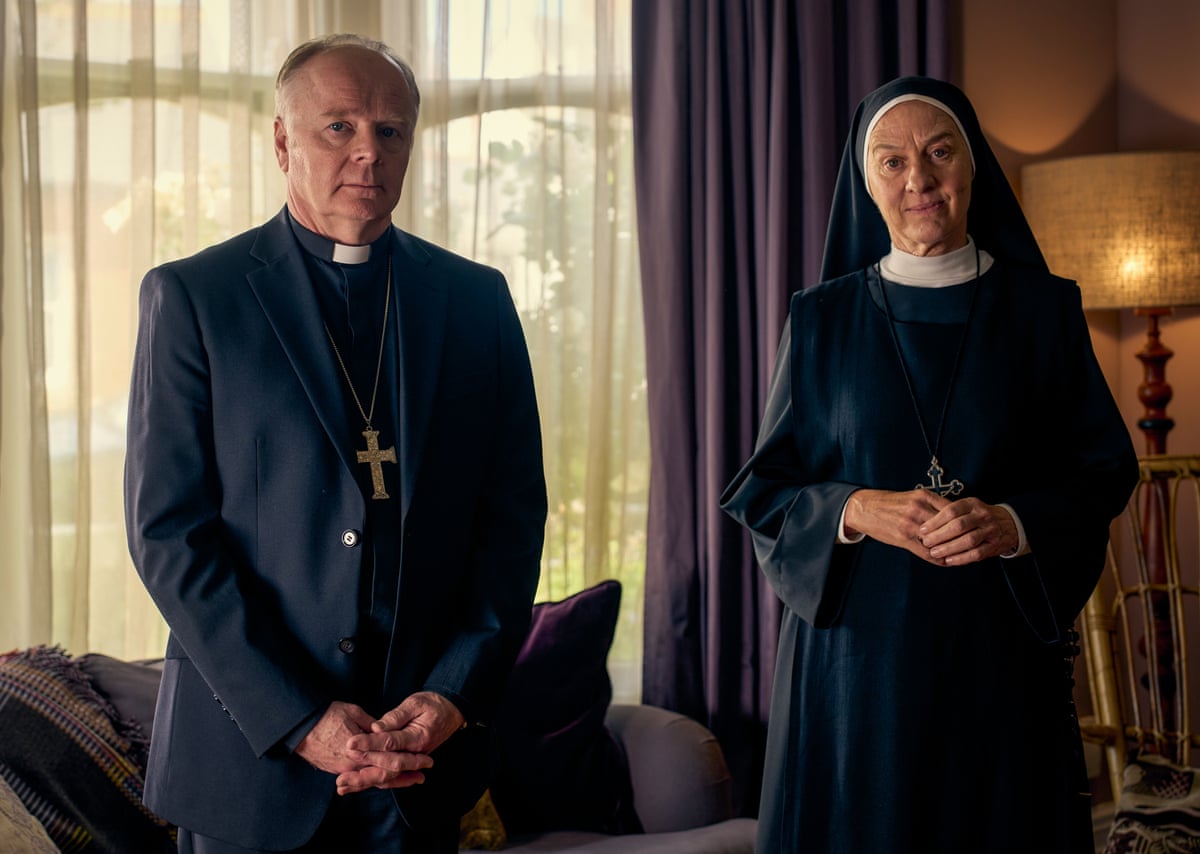
The story continues with frequent tonal inconsistencies. Despite the talented cast, it is difficult for genuine yearning, romance, or passion to develop or deepen into meaningful connection. The significant issue of breaking religious vows is scarcely explored, suggesting it may be outside Thorne’s comfort zone.
However, in the peripheral storylines, where David assists a troubled teenager seeking escape from an unhappy home, witnesses the pain of a daughter as he administers last rites to an unkind mother, manages the consequences of his past, and especially in his complex, loving relationship with his sister Susan (Sophie Stone), the narrative regains some solidity and Thorne appears more assured.
The remainder of the series is largely unsuccessful. Nonetheless, it is anticipated that Thorne will return with stronger work in the future.


