

A Magician Reveals His Visual Tricks
I posted five optical illusions created by Olivier Redon, a French-American inventor. Here they are once again, accompanied by explanations demonstrating how he crafted these effects.
The Necker Cube-Inspired Illusions
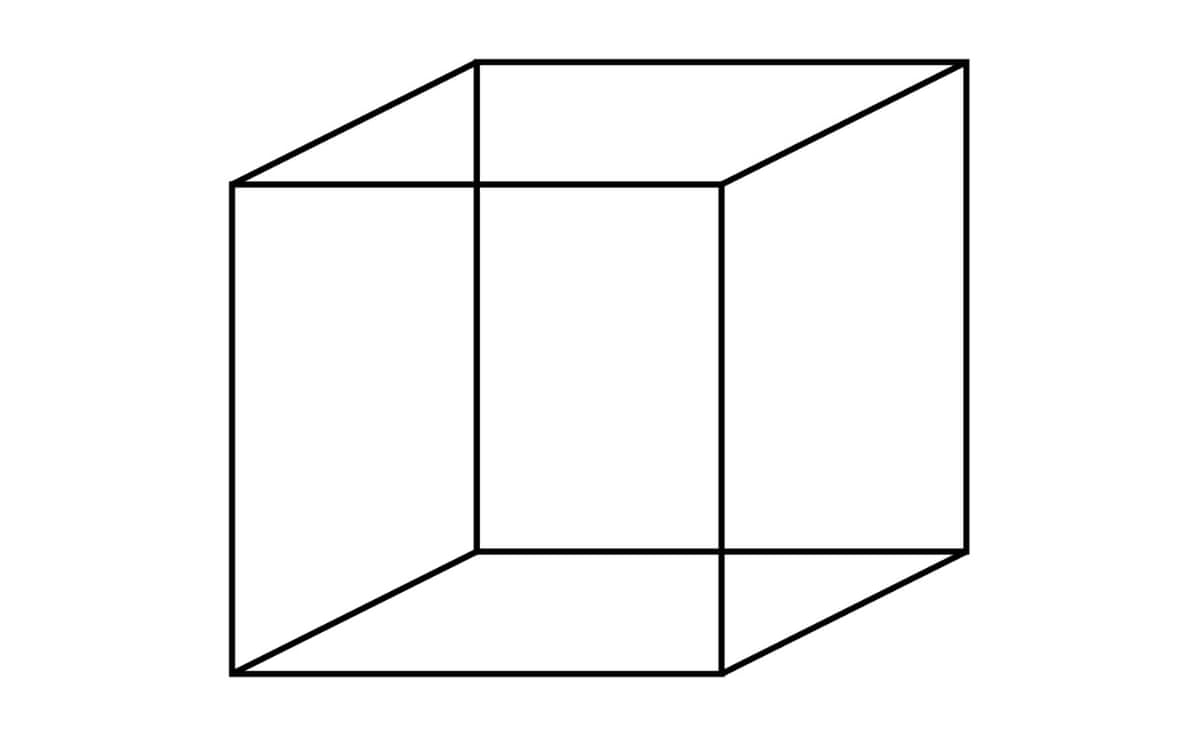
Three of the images draw inspiration from the Necker cube, a two-dimensional drawing of a cube that can be perceived in two distinct ways: either with the bottom left face appearing at the front, or the top right face appearing at the front. Once your eyes settle on one interpretation, it becomes challenging to see the alternative perspective.
The Can Illusion
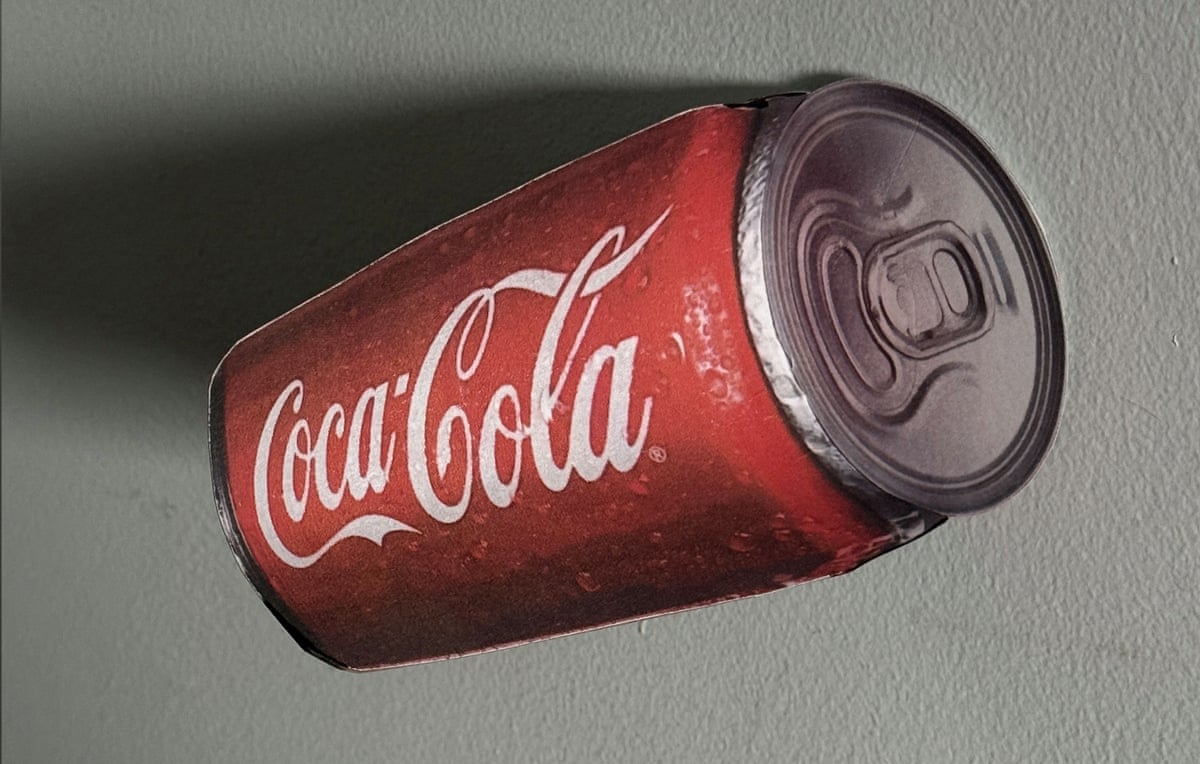
Here is an image of a can. But what exactly are you observing?
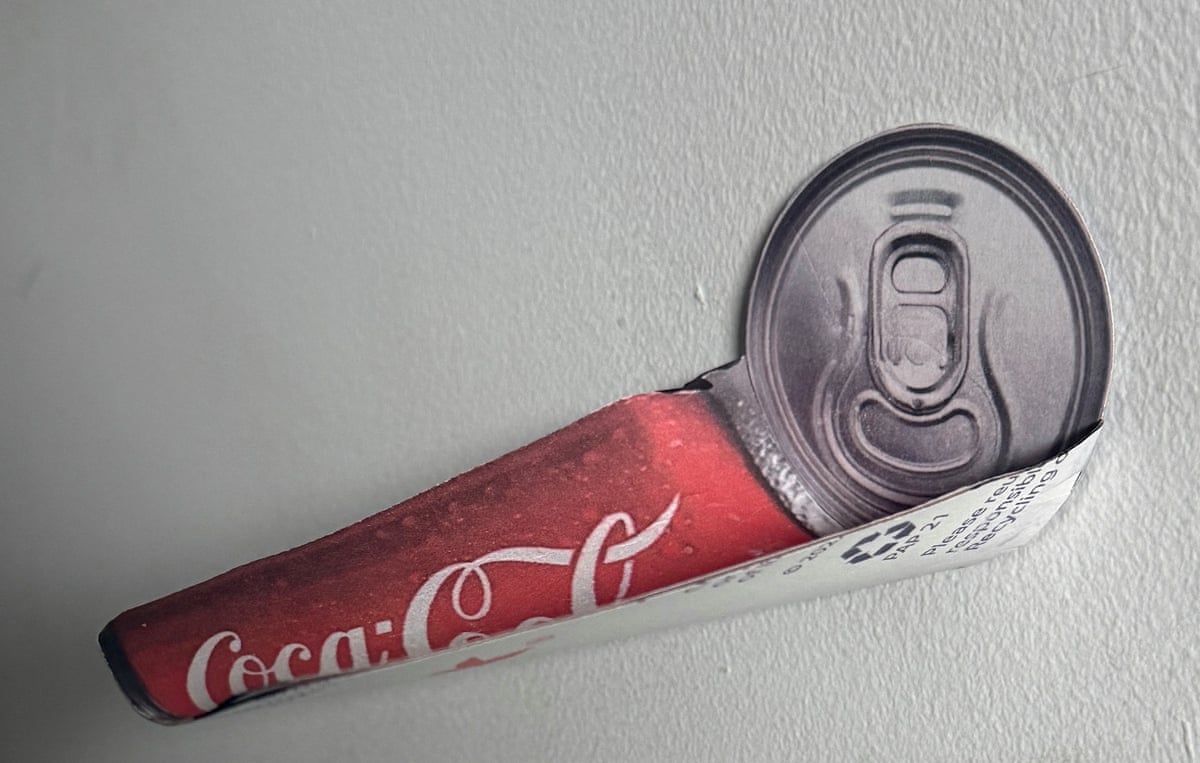
The illusion persuades you that you are looking at the outside of a complete can, when in reality you are seeing an inverted internal segment of the can with the top attached upside down. The eyes perceive the shape as curving outward, whereas it is actually curving inward.
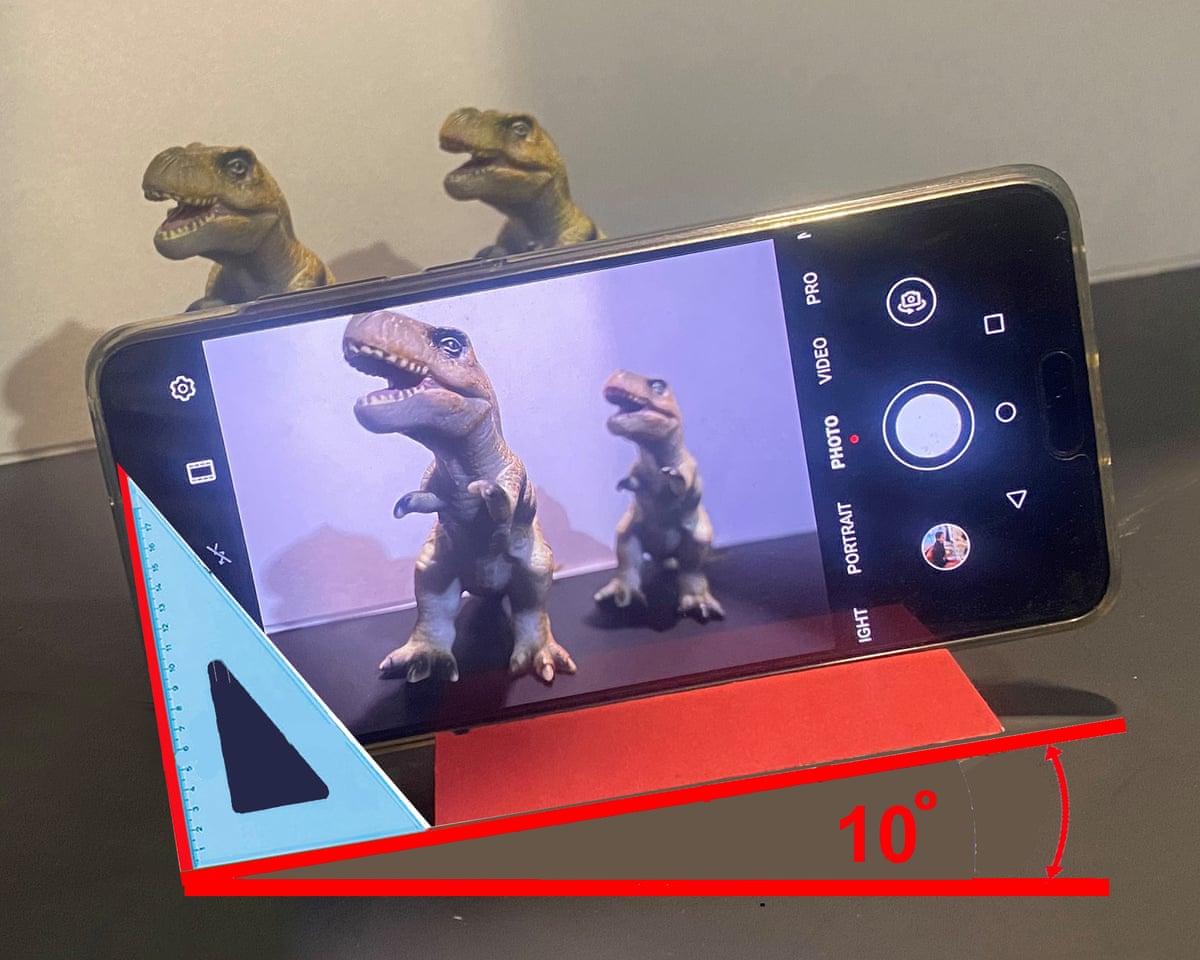
The image at the top of this article displays the two components required to create the illusion: the top disc and the side section, which are then assembled together.
The "Oh La La" Box Illusion
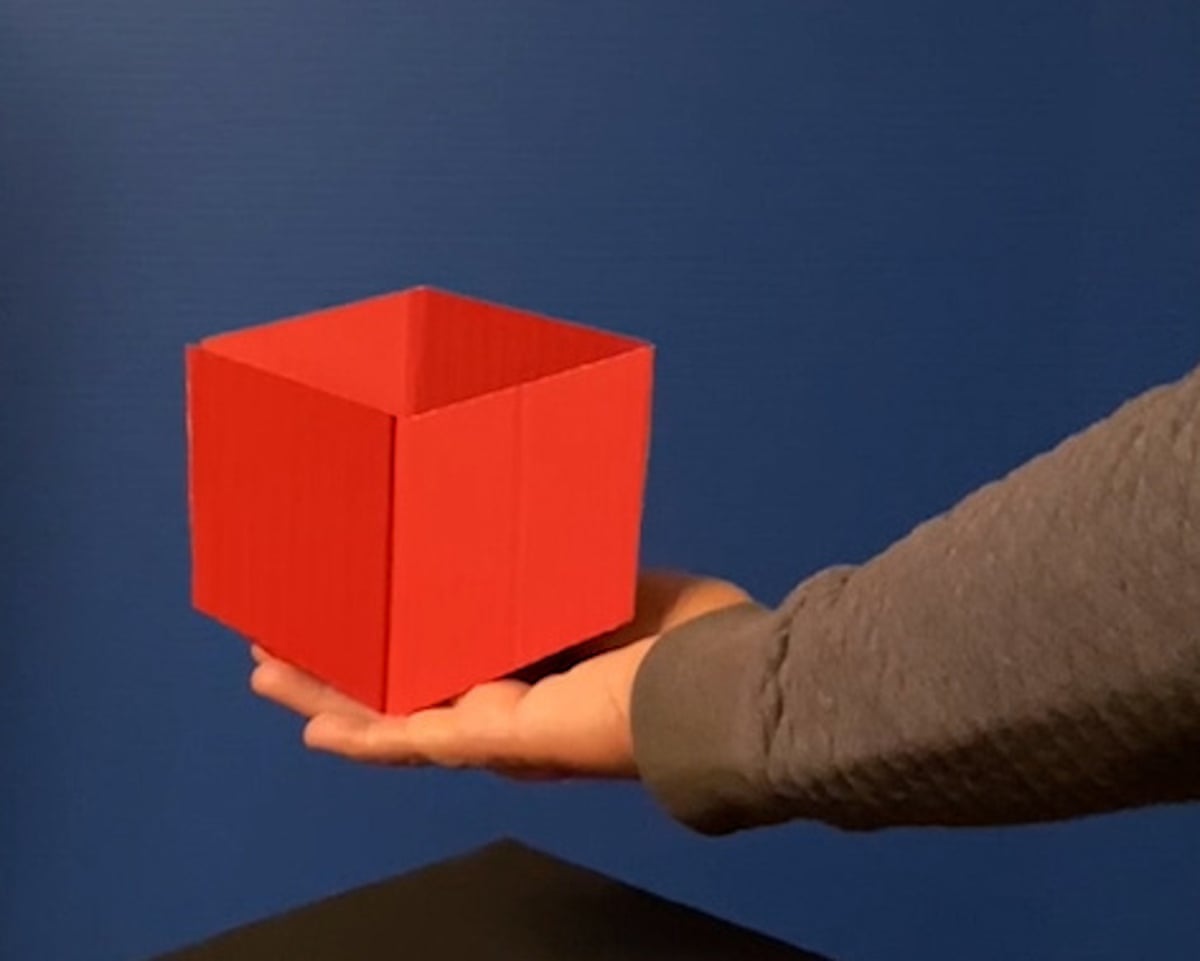
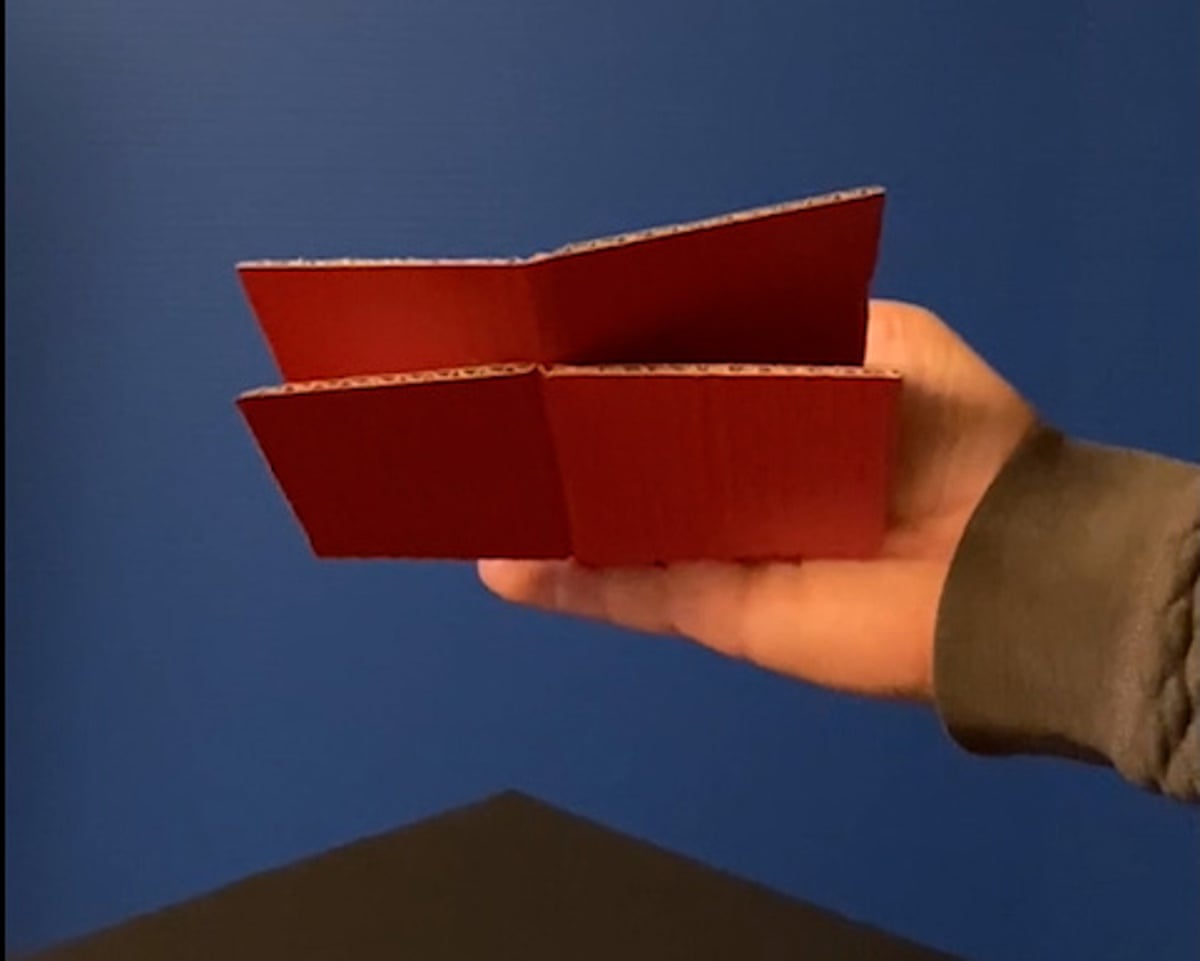
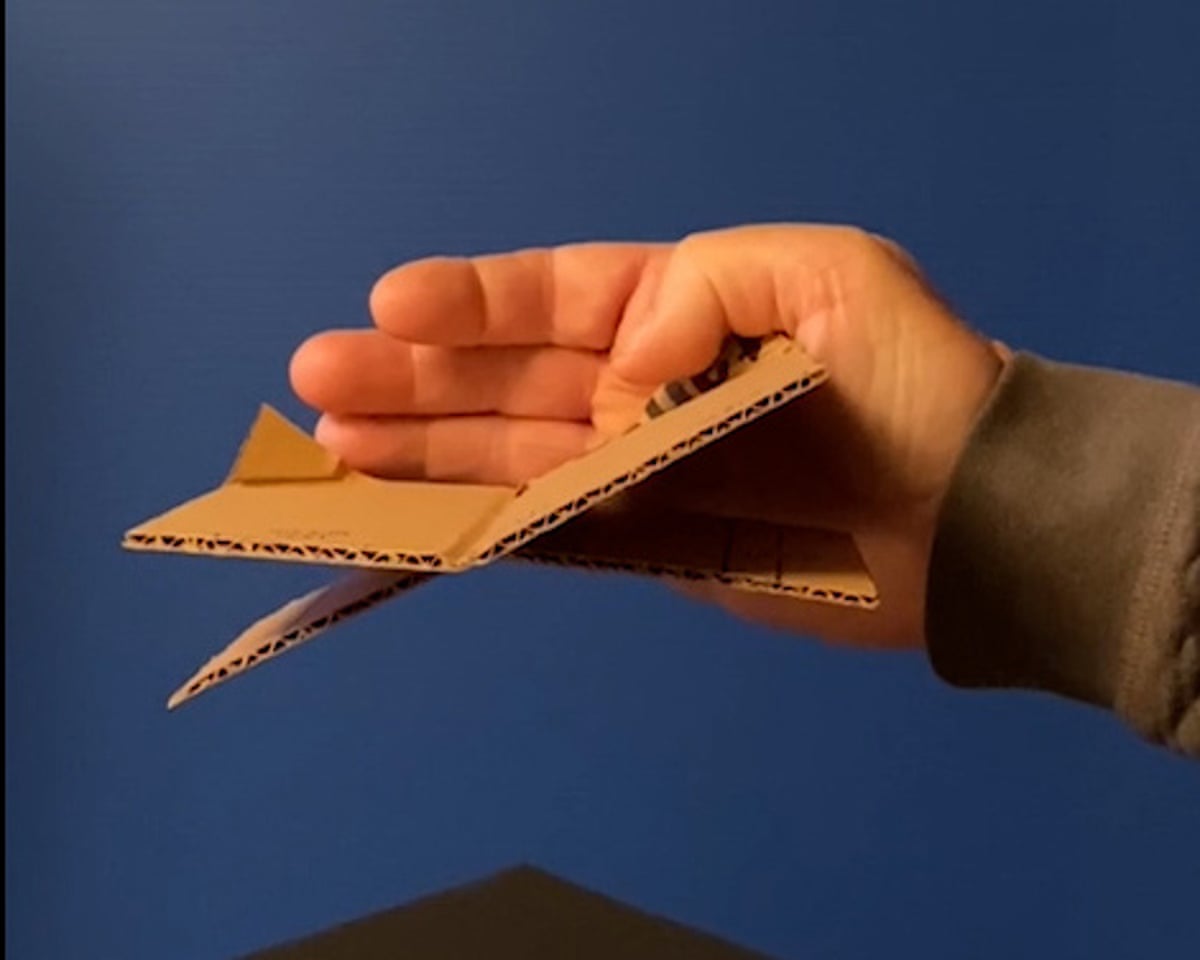
This is not a red box! What is Redon actually holding in his hand?
Amazingly, the cube consists of two pieces of cardboard.
Similar to the Necker cube, once you perceive the faces as protruding (or receding), it becomes very difficult to reinterpret them as receding (or protruding).
The still images do not fully capture the effect of this illusion. The accompanying video is quite remarkable and challenges your visual perception.

The Dinosaur Illusion
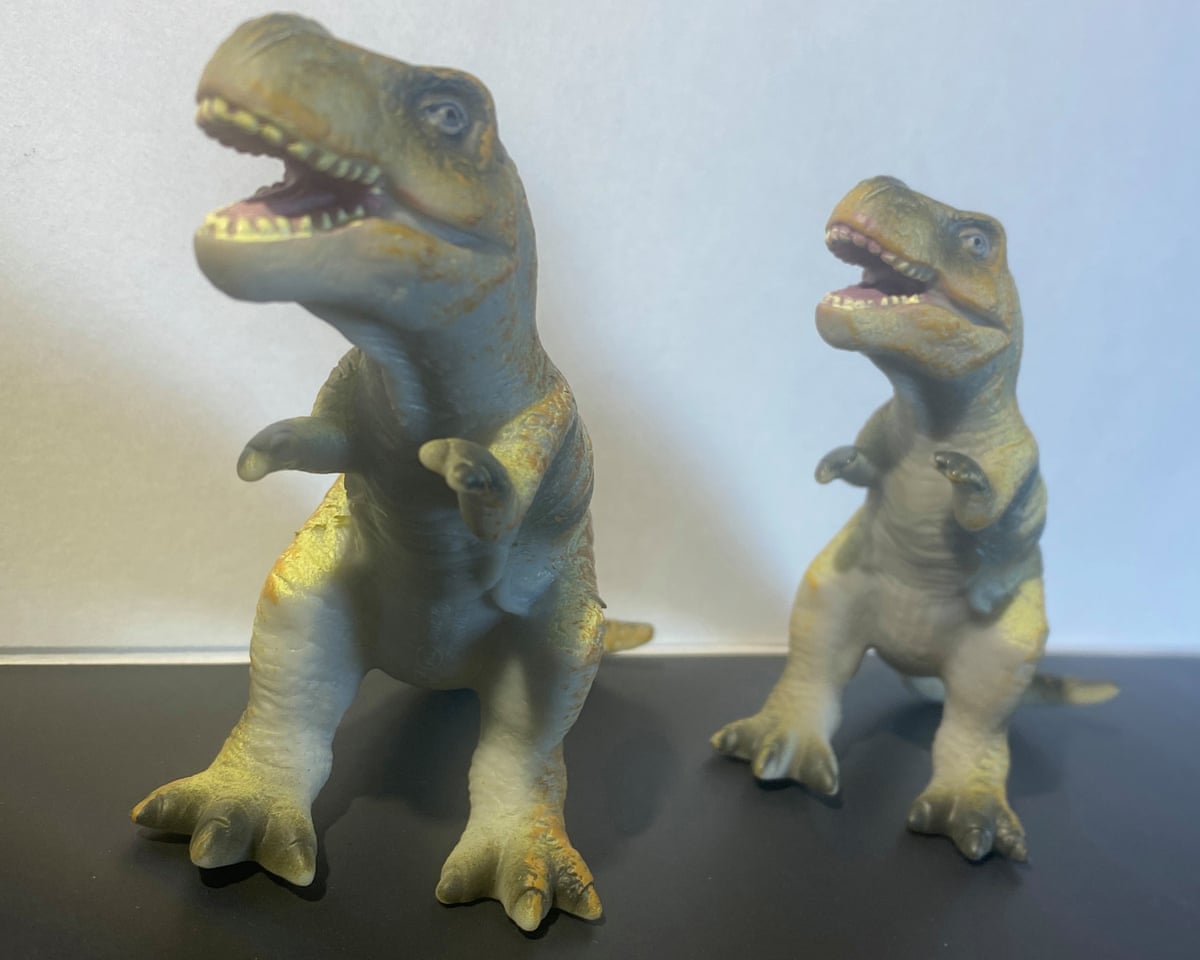
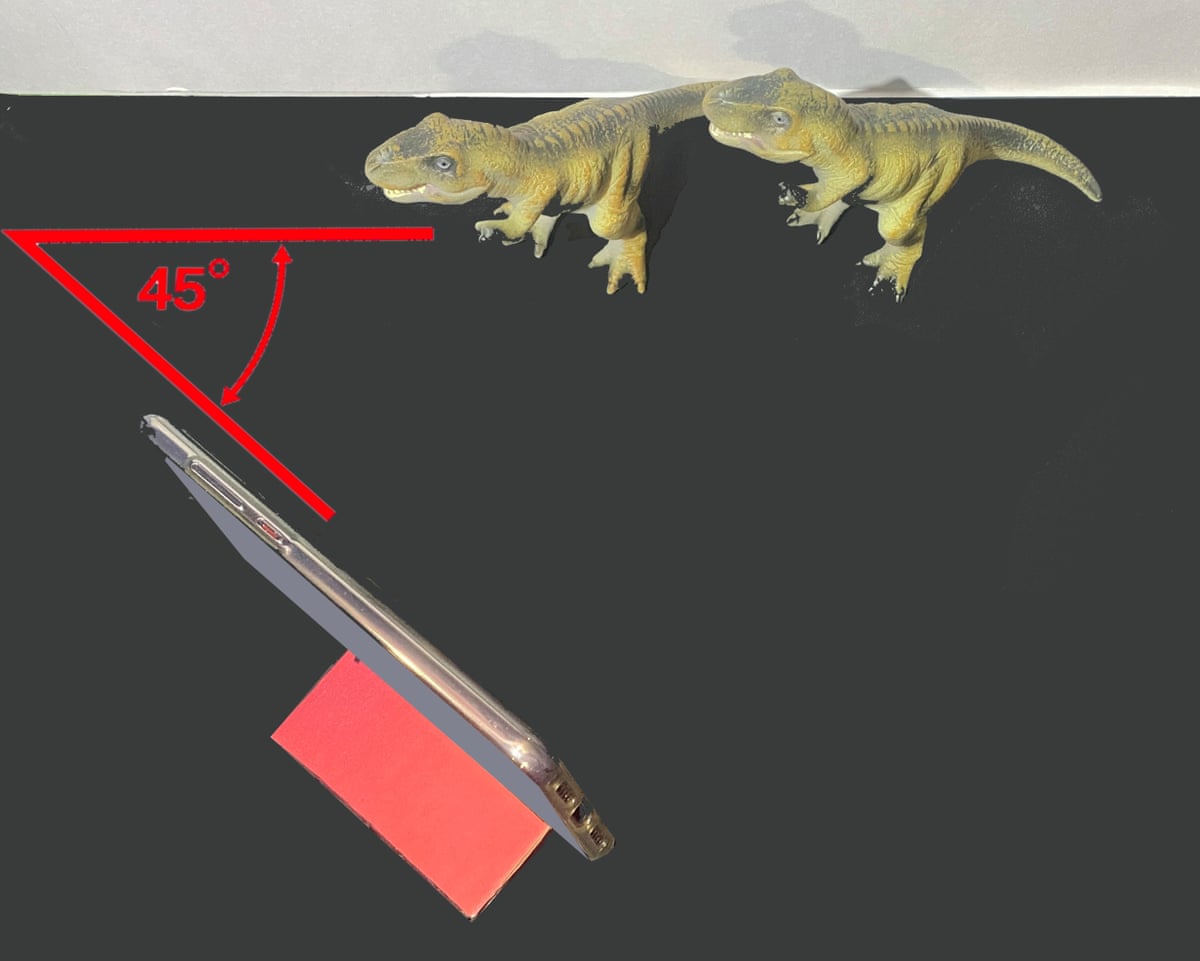
This iPhone image shows two dinosaurs that appear to be the same size. How did Redon capture this image?
This illusion manipulates lines of perspective. The technique involves taking photographs of the dinosaurs from both a horizontal and a vertical angle.
The Shrink Box Portrait
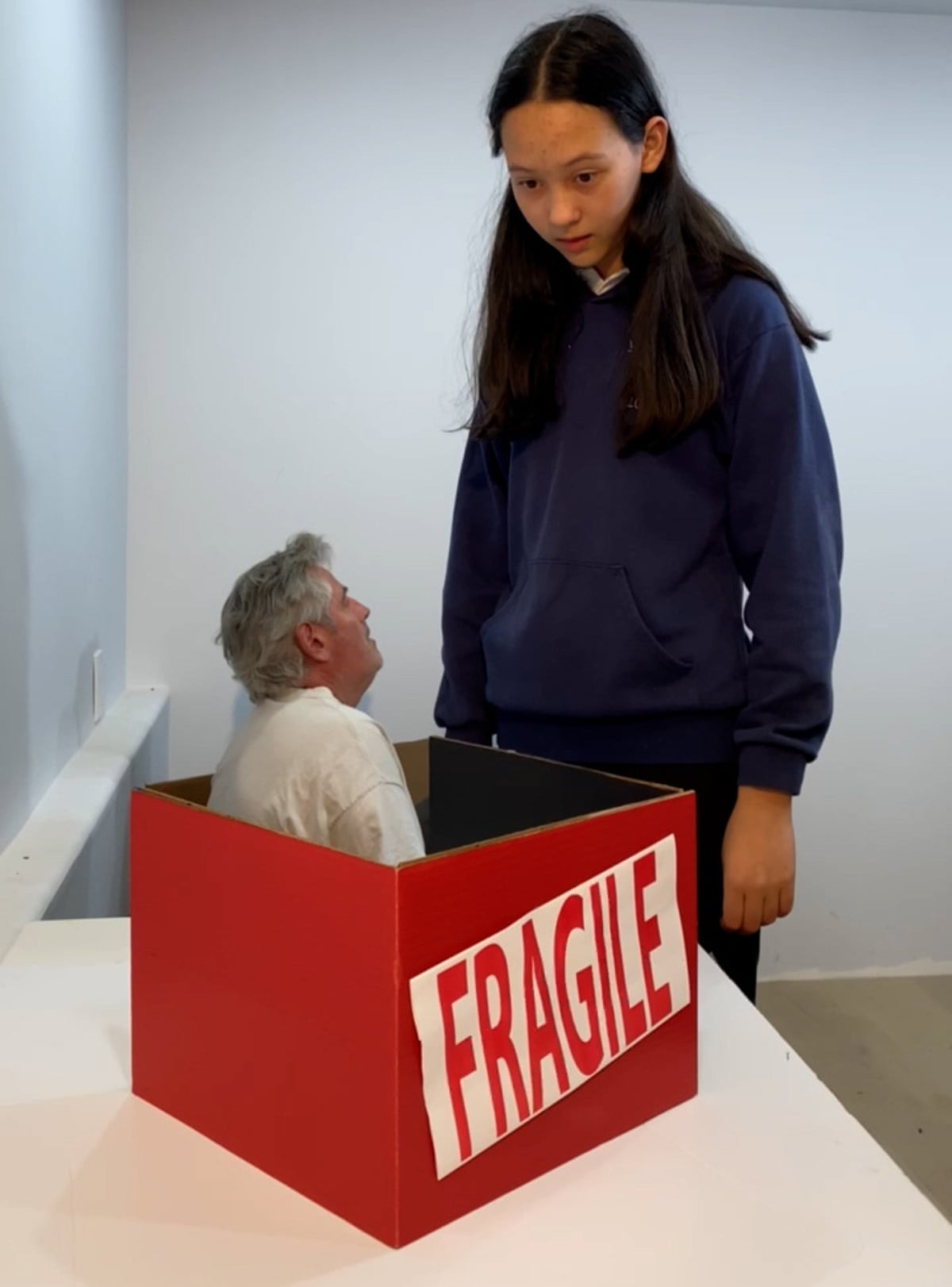
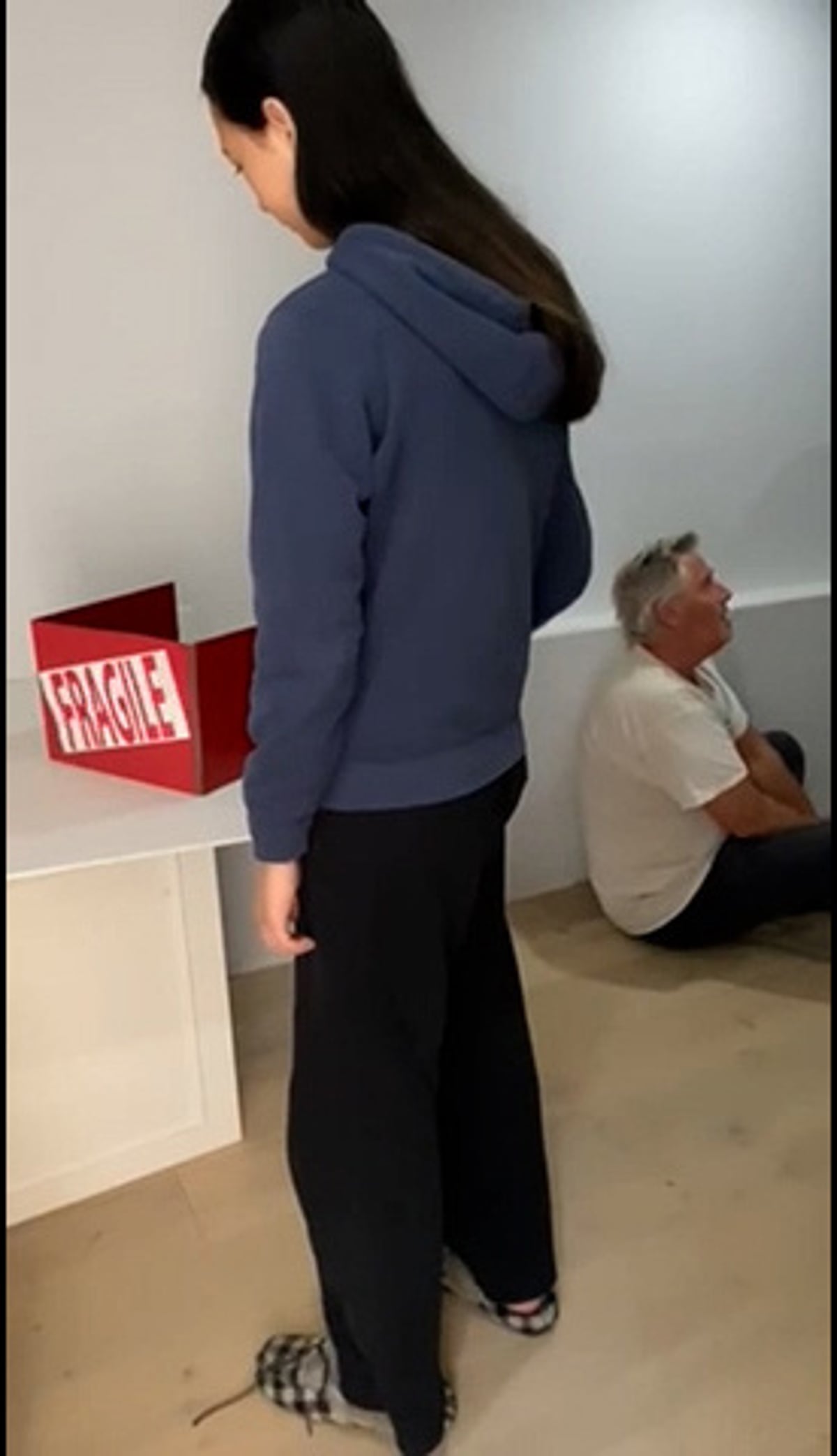
This is a portrait of Redon and his daughter. How was it taken?
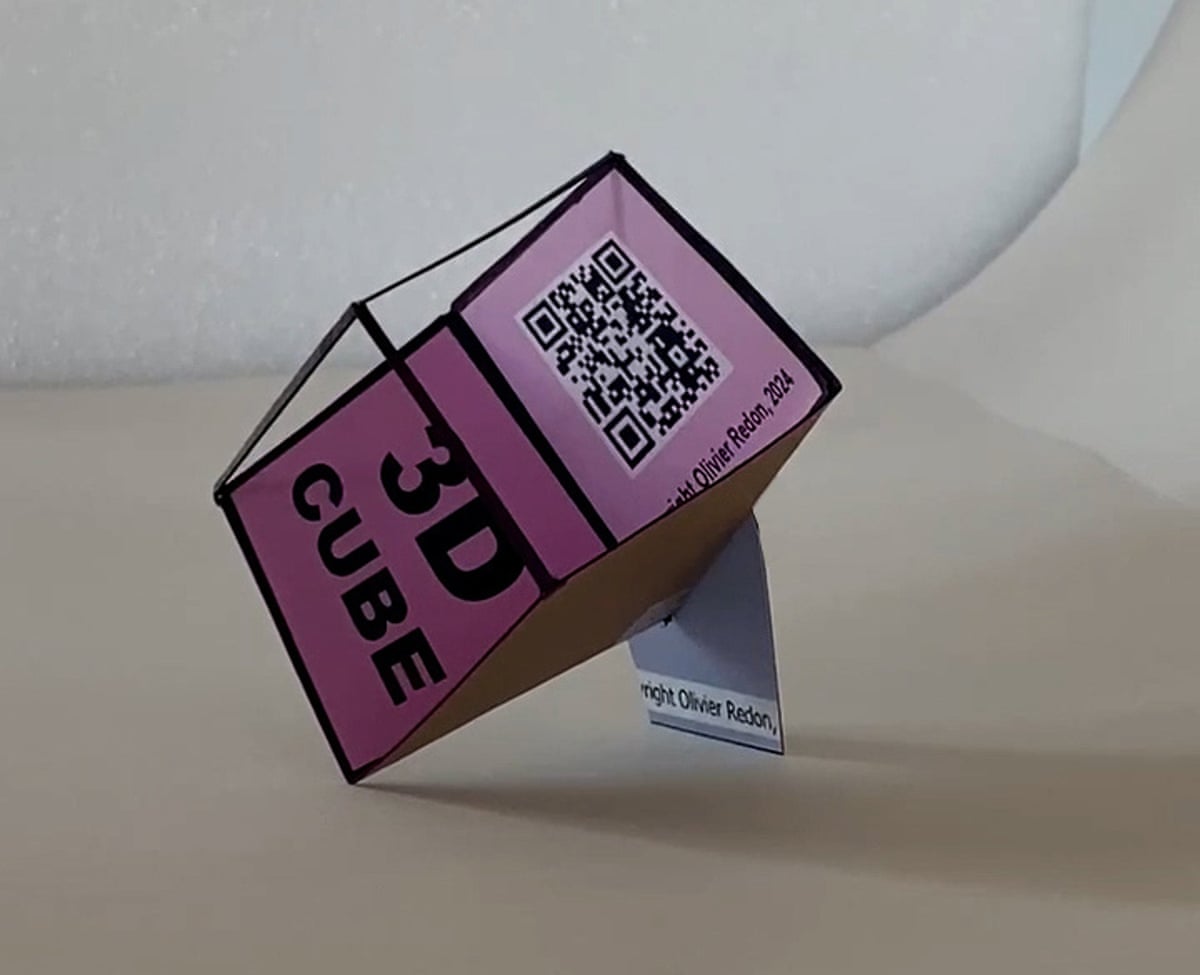
It appears to be a cube with transparent sides. But what is it actually?
This is another example of the Necker cube illusion. The three squares with writing on them are not the outward faces; rather, they are the inward faces.
The Transparent Cube Illusion
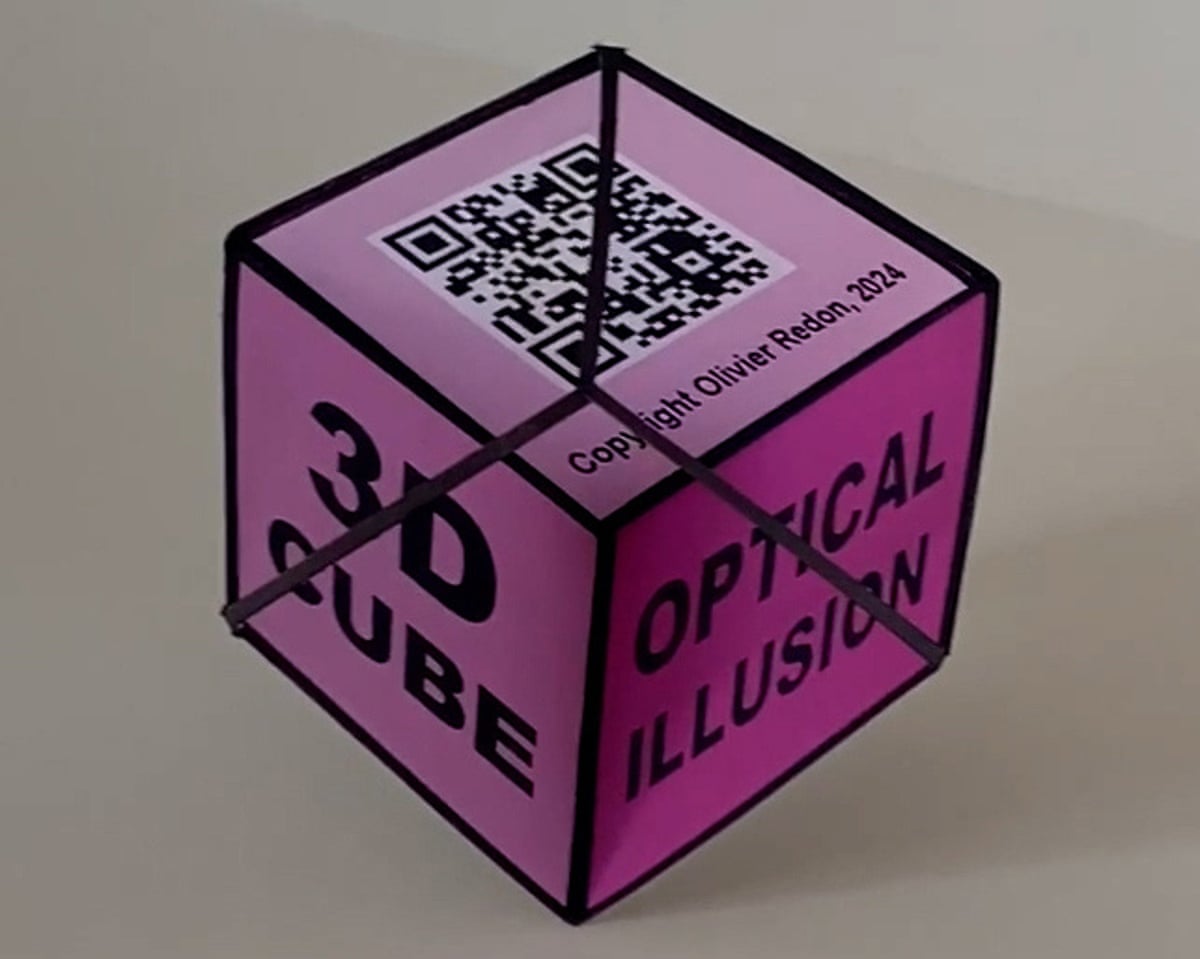
This image looks like a cube with transparent sides. But what is it?
This is yet another instance of the Necker cube illusion.
Final Thoughts
I hope you enjoyed exploring these illusions. I will return in two weeks with more.
All photographs are copyright Olivier Redon. You can visit his website here and follow him on social media.
Since 2015, I have been presenting a puzzle here on alternate Mondays. I am always searching for excellent puzzles. If you would like to suggest one, please email me.


