

Malala Yousafzai: Theatre and Reading
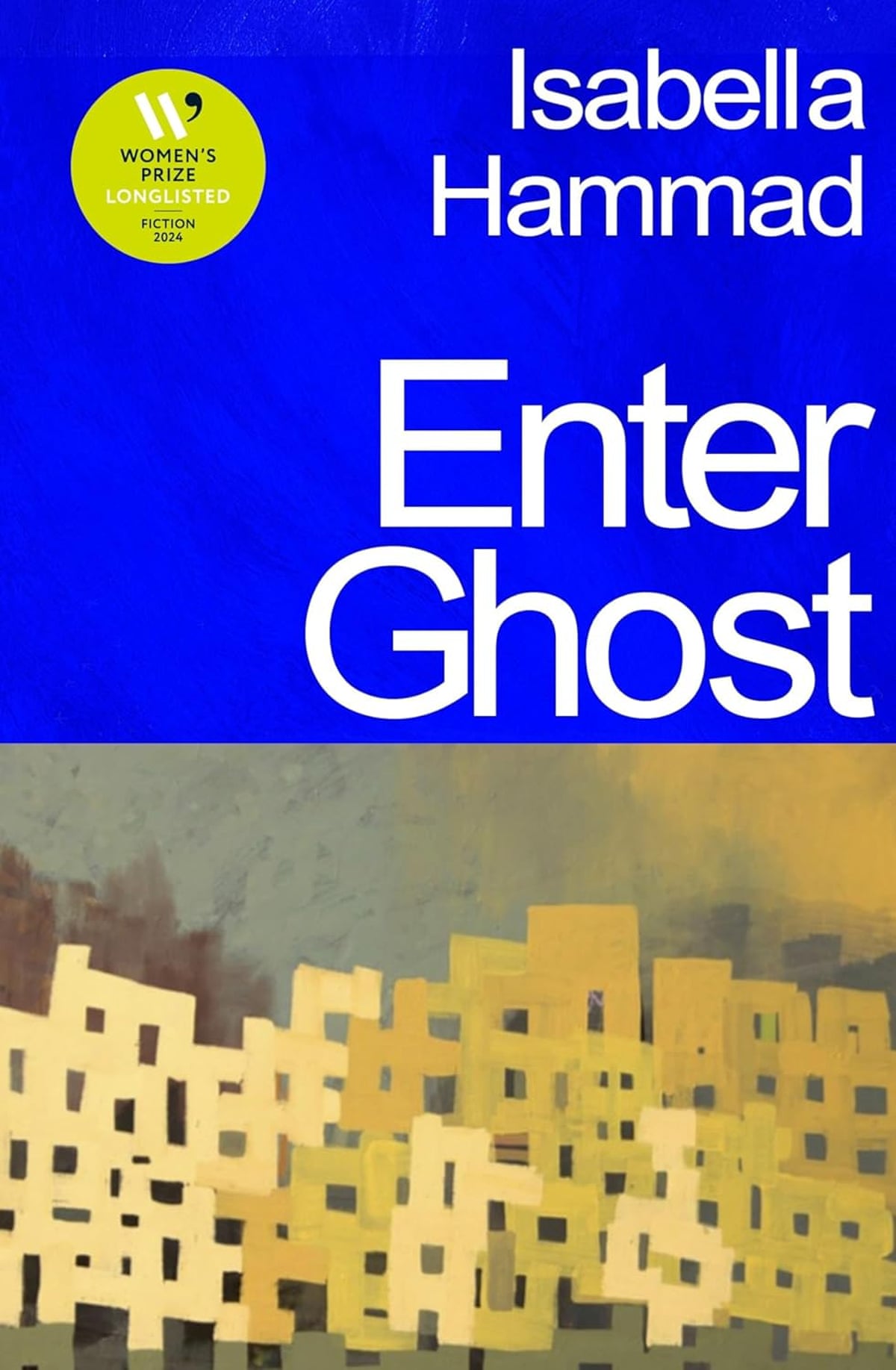
Malala Yousafzai, activist, shares her passion for theatre, sparked by seeing her first musical, Matilda, in London at age 15. She highlights Enter Ghost by Isabella Hammad, a novel about a British-Palestinian actor who travels to the West Bank and becomes involved in a local production of Hamlet. Yousafzai was particularly moved by the rehearsal scenes, which depict arguments over translations, personal relationships, and the challenges of performing under Israeli occupation. She notes that Hammad demonstrates theatre’s unique ability to convey weighty themes that other art forms may not capture.
David Miliband: A Memoir of Albania
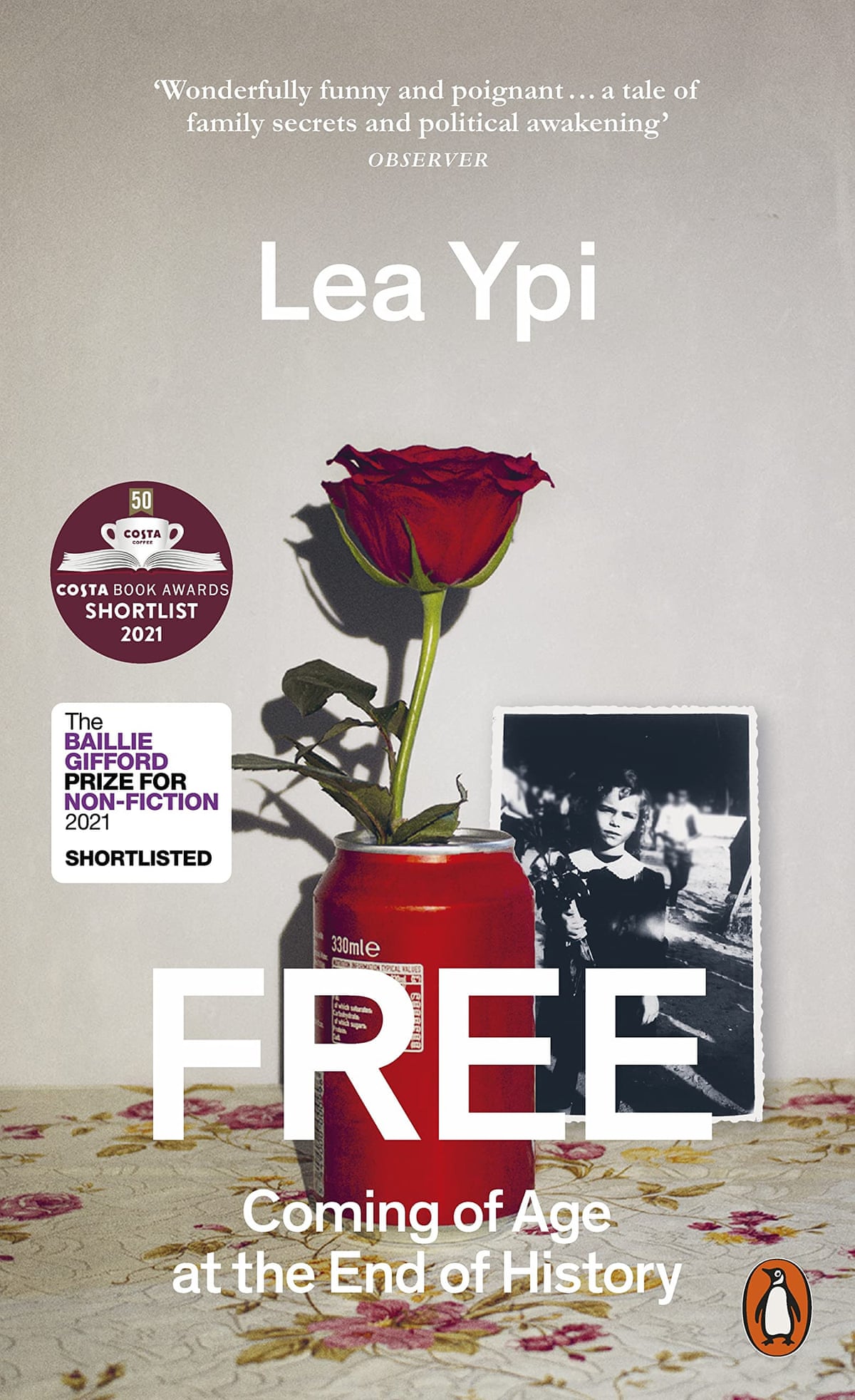
David Miliband, CEO of the International Rescue Committee, recommends Free: Coming of Age at the End of History by Lea Ypi, published in 2021. Though a memoir about growing up in Albania, Europe’s last Stalinist country, Miliband describes it as both hilarious and serious. It vividly portrays the lies and reach of Enver Hoxha’s regime while focusing on the humanity of Ypi’s personal story—from being a "Young Pioneer" in the Albanian Communist party to becoming a student in Italy and a professor in the UK. Miliband emphasizes that Ypi’s experience fuels her political philosophy, making the book more than history or memory; it is an engagement with contemporary challenges.
Katherine Rundell: A Laugh-Out-Loud Novel
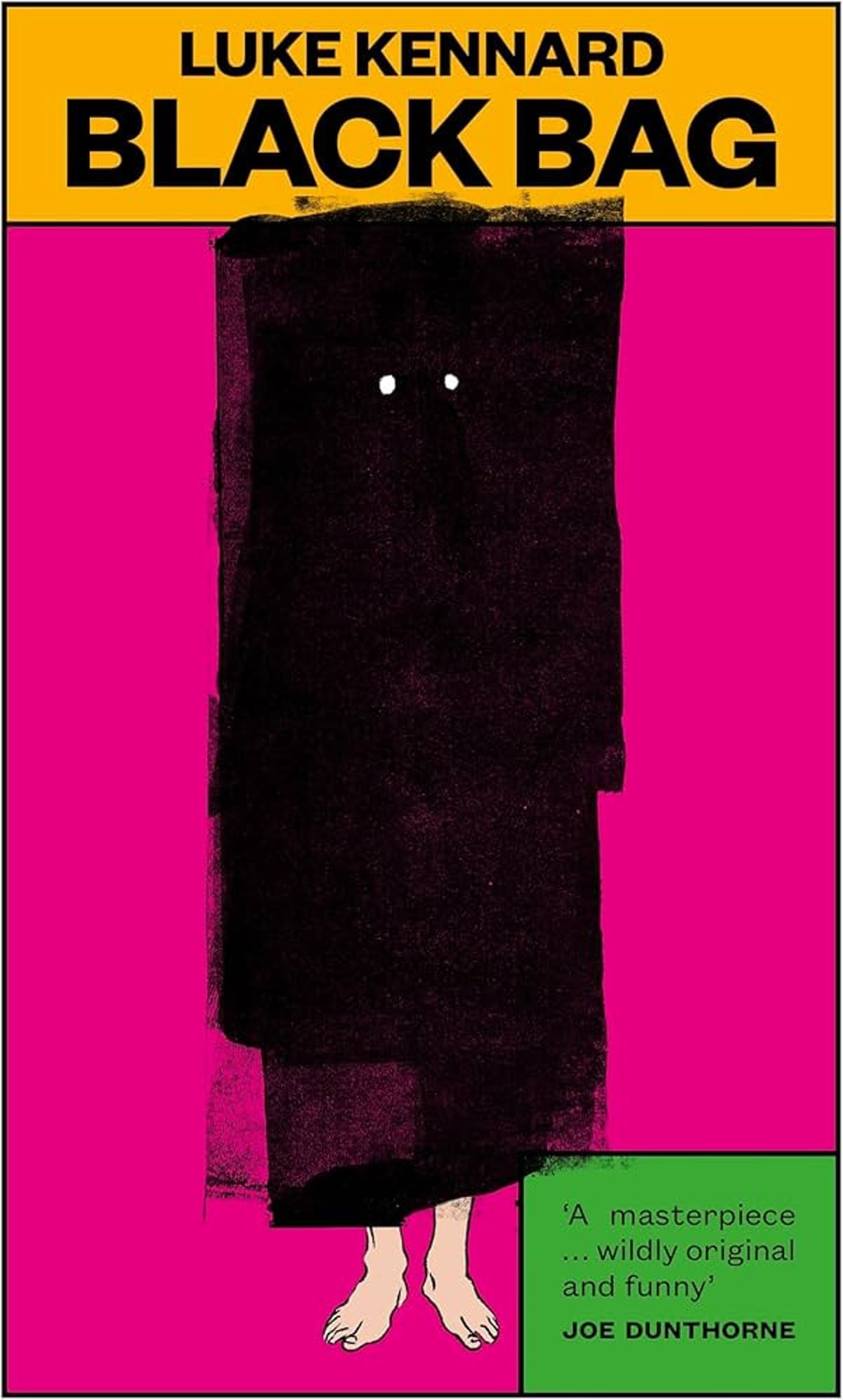
Author Katherine Rundell praises Luke Kennard’s Black Bag for its originality and humor. She acknowledges skepticism about claims of "laugh-out-loud funny" books but attests that this novel made her laugh aloud dozens of times. The story follows a young unemployed actor who works for a psychology professor, dressing in a black bag during lectures to observe students’ reactions to strangeness. Based on a 1967 real-life experiment, Rundell calls it a brilliant and ambitious book well worth reading.
Jack Thorne: Myth and History in Fantasy
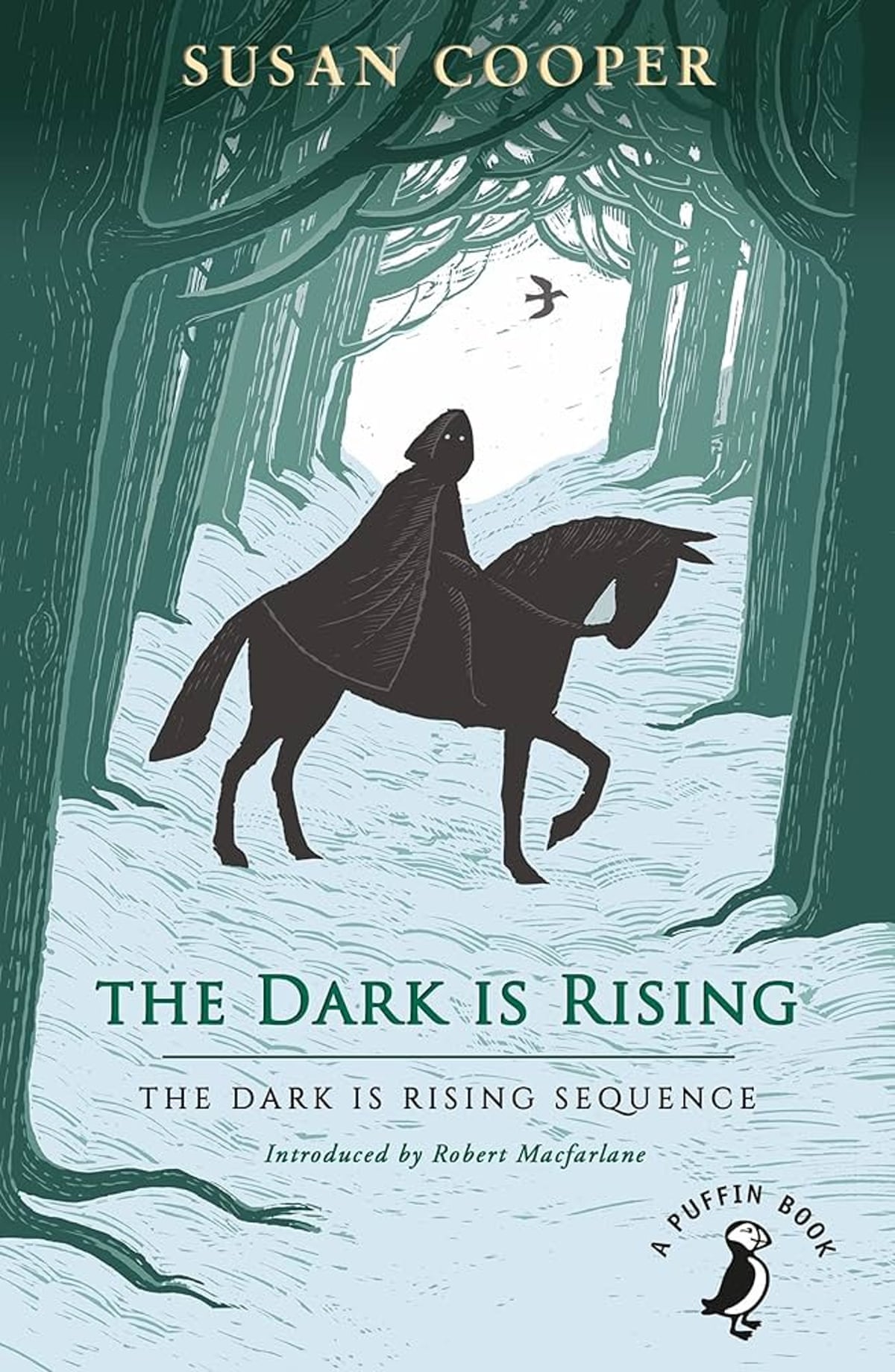
Screenwriter Jack Thorne reflects on Susan Cooper’s The Dark Is Rising, a book that resonated with his own childhood weirdness. He is delaying sharing it with his 10-year-old son, preferring the age of 11 for the perfect reading experience. The novel explores the battle between Dark and Light, blending myth and history with rich language. Thorne appreciates its complexity and mythic quality, noting it often pauses where other fantasies rush, which enhances its impact.
Margaret Busby: Historical Resistance
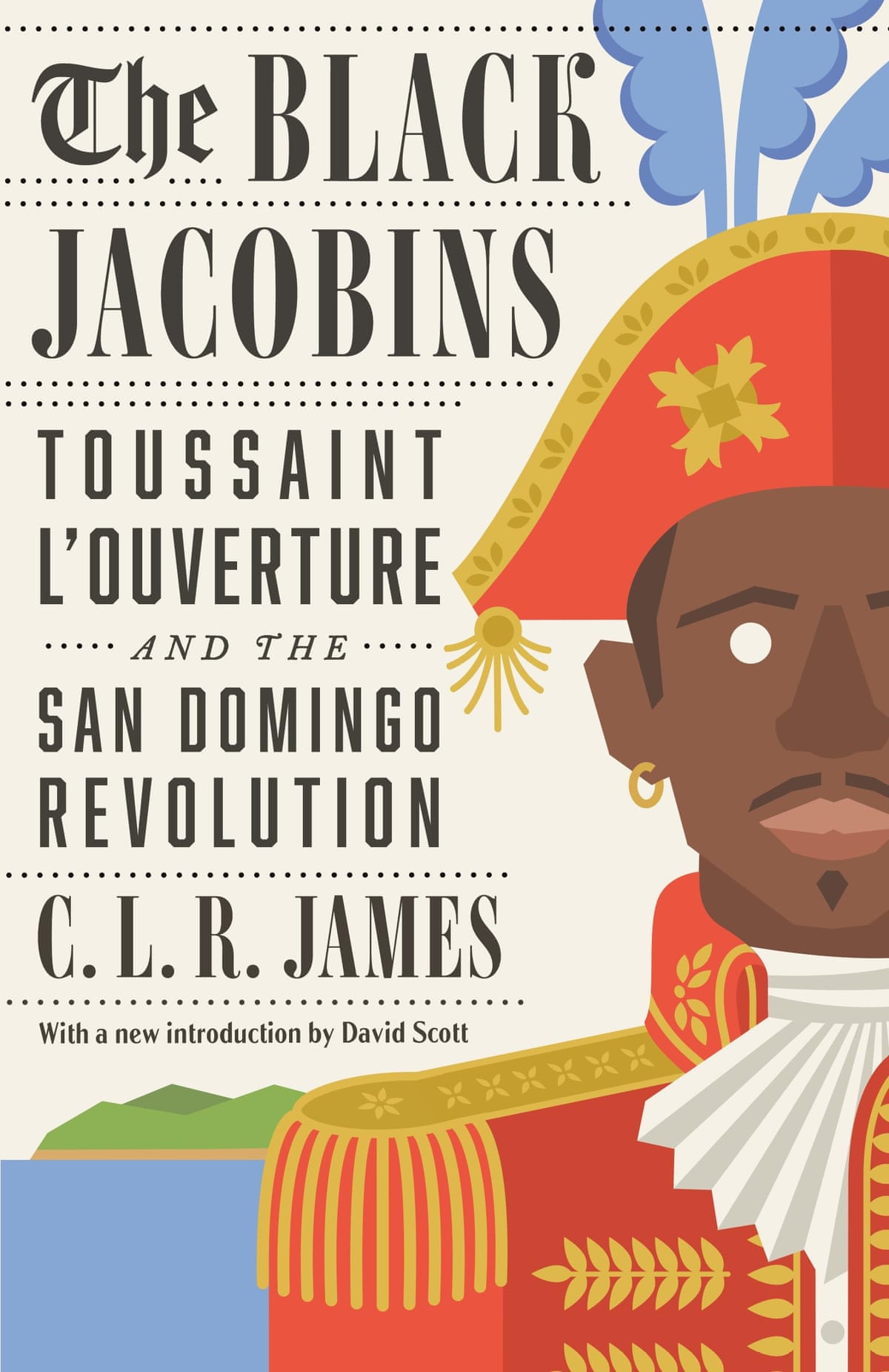
Publisher and English PEN president Margaret Busby highlights The Black Jacobins: Toussaint L’Ouverture and the San Domingo Revolution by CLR James, first published in 1938. The book documents the individual and collective resistance leading to the only successful slave revolt in history, remaining relevant as a call to resist oppression. Busby shares a personal connection, noting James was a friend of her father from Trinidad. She was privileged to reissue this historical masterpiece in the UK during the 1970s when it was out of print.
Philippa Perry: Social Comedy in Literature
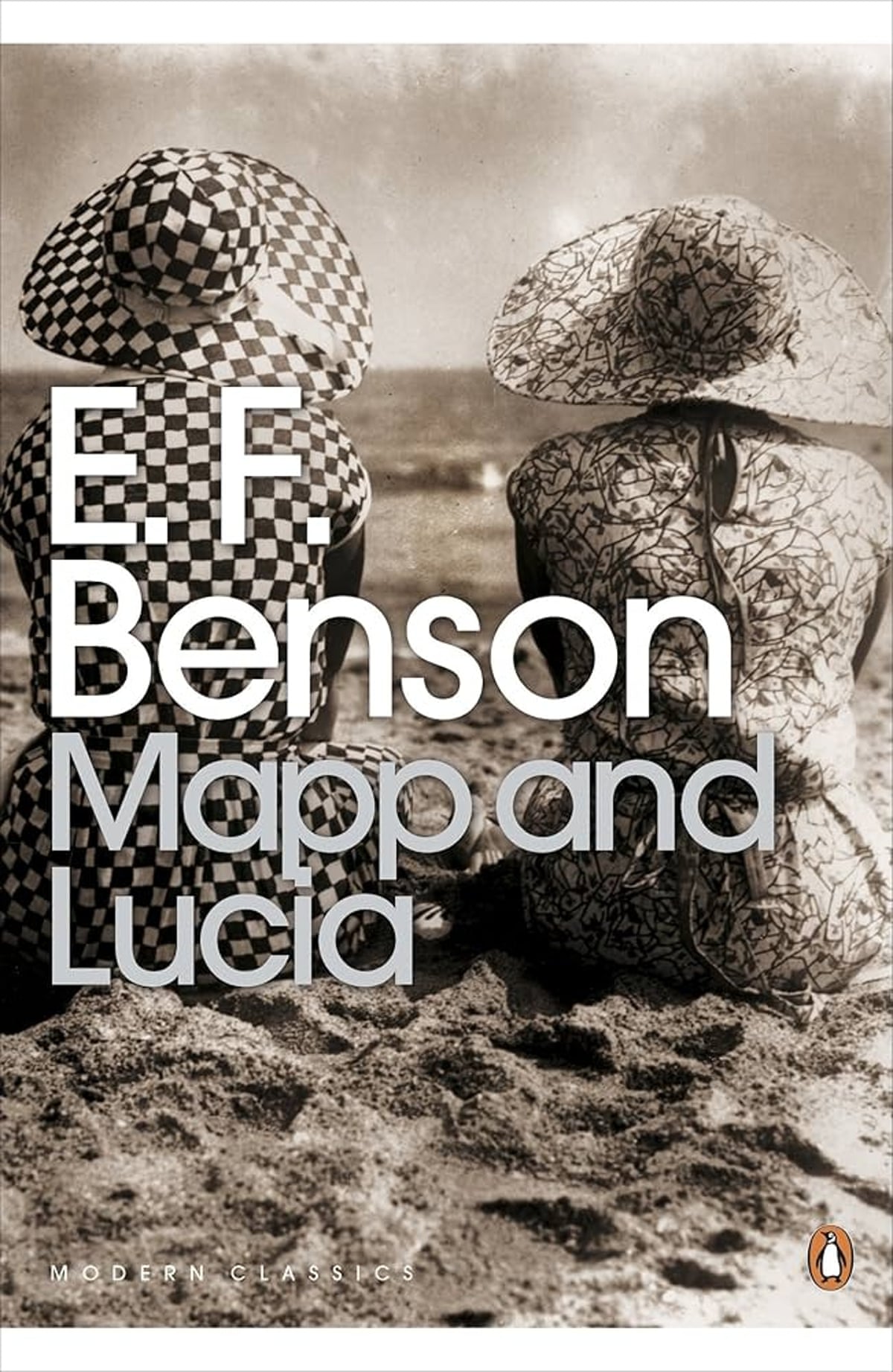
Psychotherapist Philippa Perry cites Jane Austen’s advice about focusing on small interactions in a country village, which EF Benson embraced in his Mapp and Lucia series. Perry recommends reading these books for their humor about human absurdity. The stories revolve around social maneuvering, minor slights, inflated egos, and people taking themselves too seriously. She encourages readers to identify with the characters, noting she finds a bit of herself in all of them.
Sajid Javid: A Story of Partition
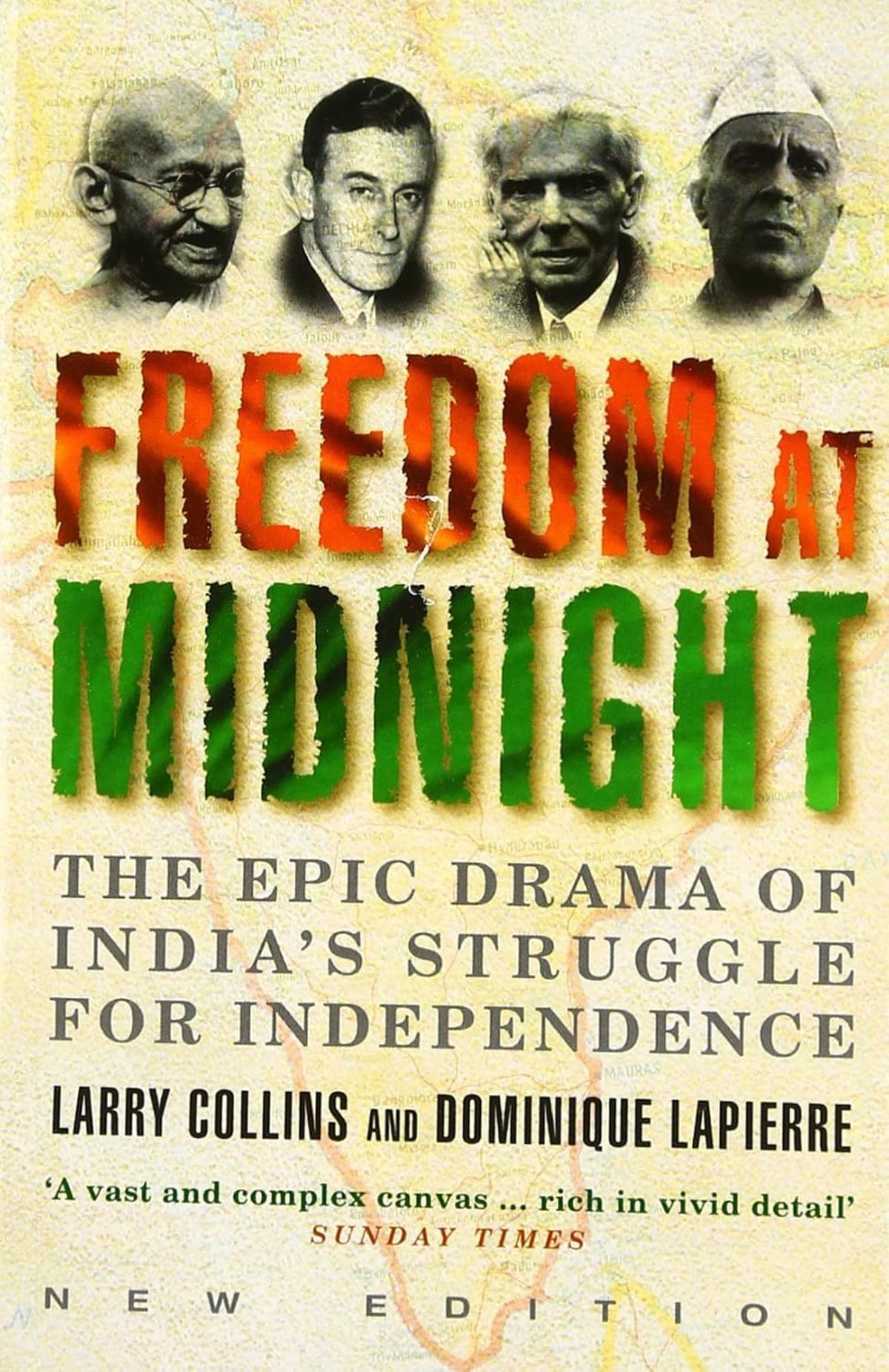
Politician Sajid Javid recalls reading Freedom at Midnight by Larry Collins and Dominique Lapierre at age 14. The book, which vividly recounts the partition of India, left a lasting impression on him. His father had already shared personal experiences of that period. Javid praises the book’s pace, color, and dramatic flair, and he often revisits it. He values it as a rare book he keeps extra copies of to share with children and friends.
Tony Robinson: Old English Language
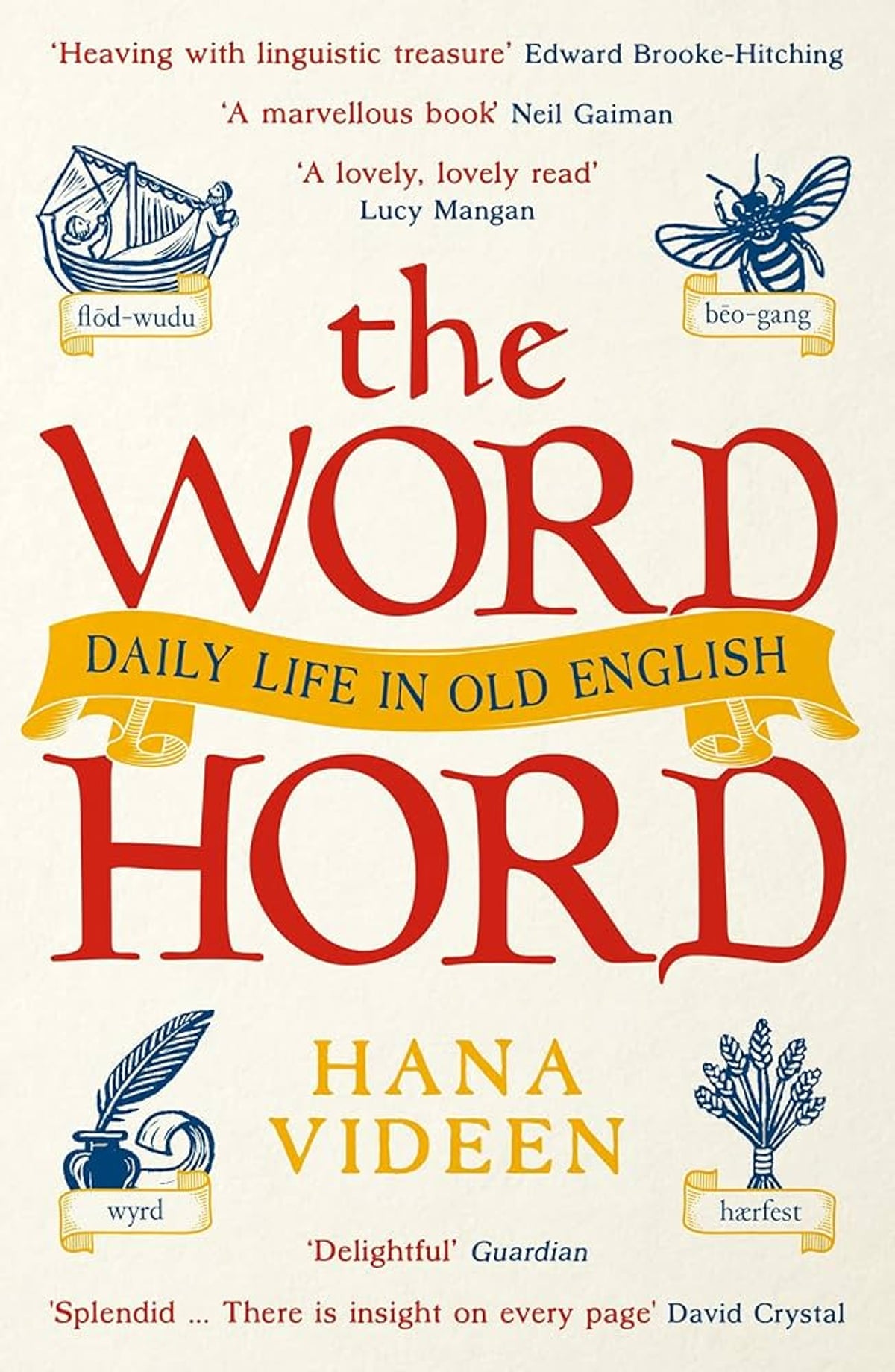
Actor and author Tony Robinson is captivated by The Wordhord, Daily Life in Old English by Hana Videen. He explains that the Old English referenced is not Shakespeare’s language but that of ninth-century ancestors. Alfred the Great translated Latin works into this vernacular to preserve learning after Viking raids. Robinson enjoys words like "dream-craeft" (music), "heafod-swima" (intoxication), and "wil-cuma" (a welcome guest). Exploring this wordhord brings him happiness.
Sarah Moss: The Humor of Shirley Jackson’s Memoirs
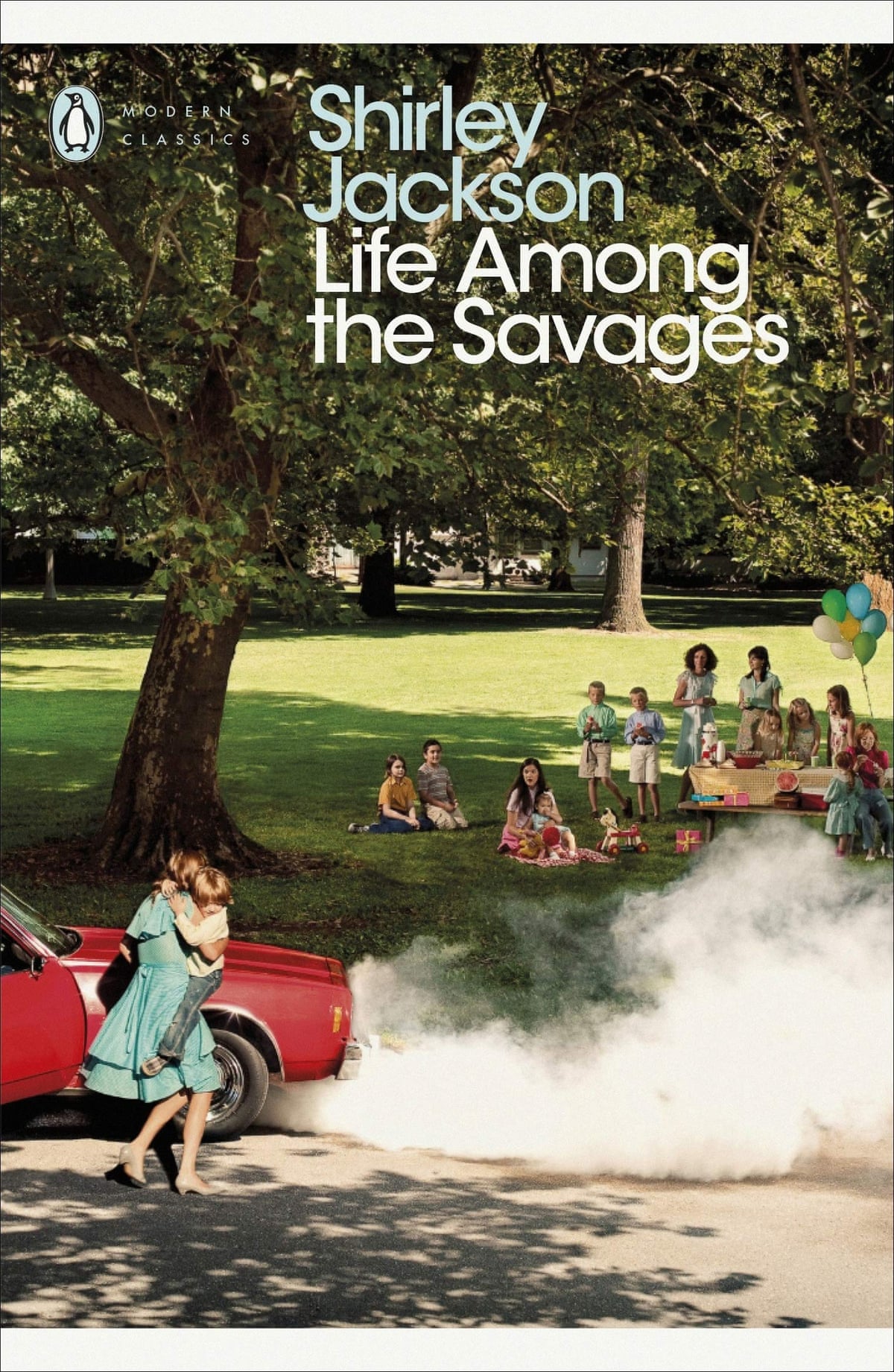
Author Sarah Moss prefers books that are both kind and clever. She highlights Shirley Jackson’s two memoirs, Life Among the Savages and Raising Demons, which contrast with Jackson’s reputation for dark fiction. Moss admires how Jackson writes loving domestic comedy despite challenging circumstances, including raising four children in 1950s America with a husband insecure about her success and distracted by undergraduates. The memoirs acknowledge unfairness without minimizing it and insist on space for laughter and delight. Moss recounts reading them on a train and laughing so much that fellow passengers noted the titles.
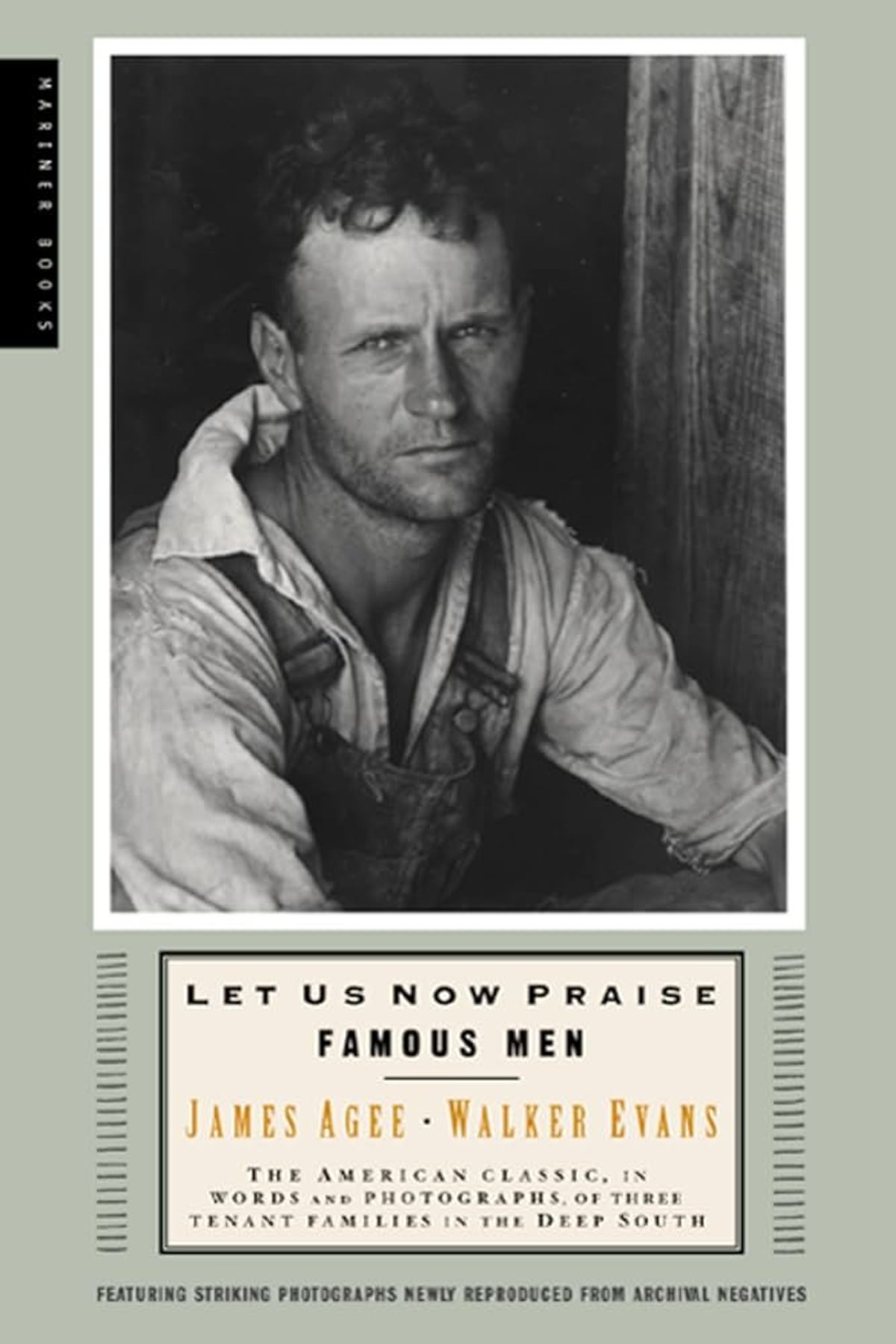
Ocean Vuong: Innovative Nonfiction
Poet and author Ocean Vuong discovered Let Us Now Praise Famous Men by James Agee and Walker Evans early in life, before his own writing career. He describes it as one of the most innovative and unusual hybrids of text and images he has encountered. Written during the Great Depression and published during World War II, the book offers a new way to write about suffering, where the author is both participant and perhaps culpable. It avoids easy answers and gives permission to take risks in work and thought.
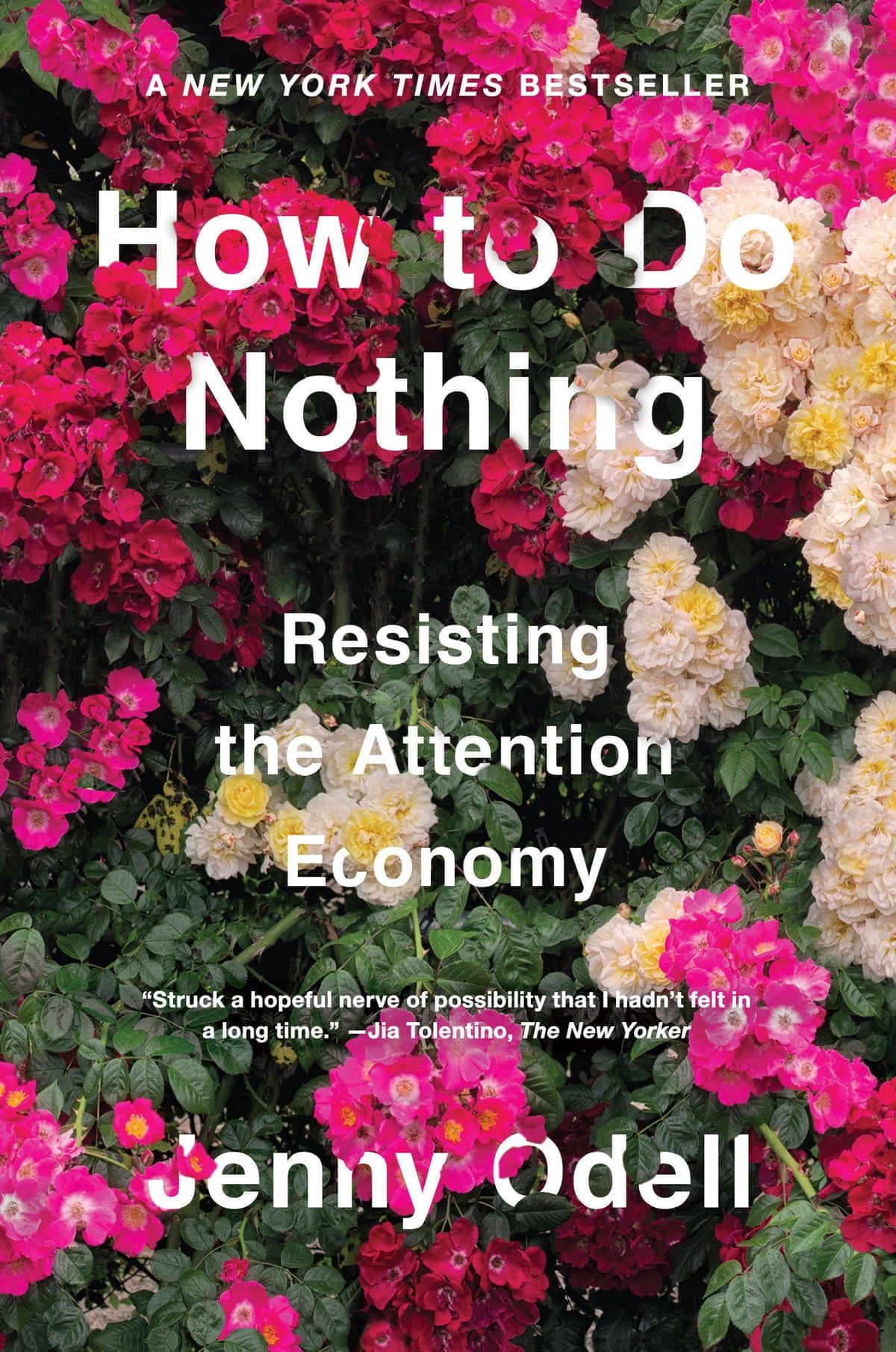
Elif Shafak: Resisting Hyper-Information
Author Elif Shafak recommends Jenny Odell’s How to Do Nothing, which begins with the line, "Nothing is harder to do than nothing." The book explores resisting the demands of a hyper-information society and emphasizes that human value is not tied to productivity or consumption. Odell advocates for solitude, compassion, friendship, introspection, and contemplation as inalienable rights. The book encourages readers to observe, listen, and slow down, reconnecting with the small and local amid societal polarization and rigidity.
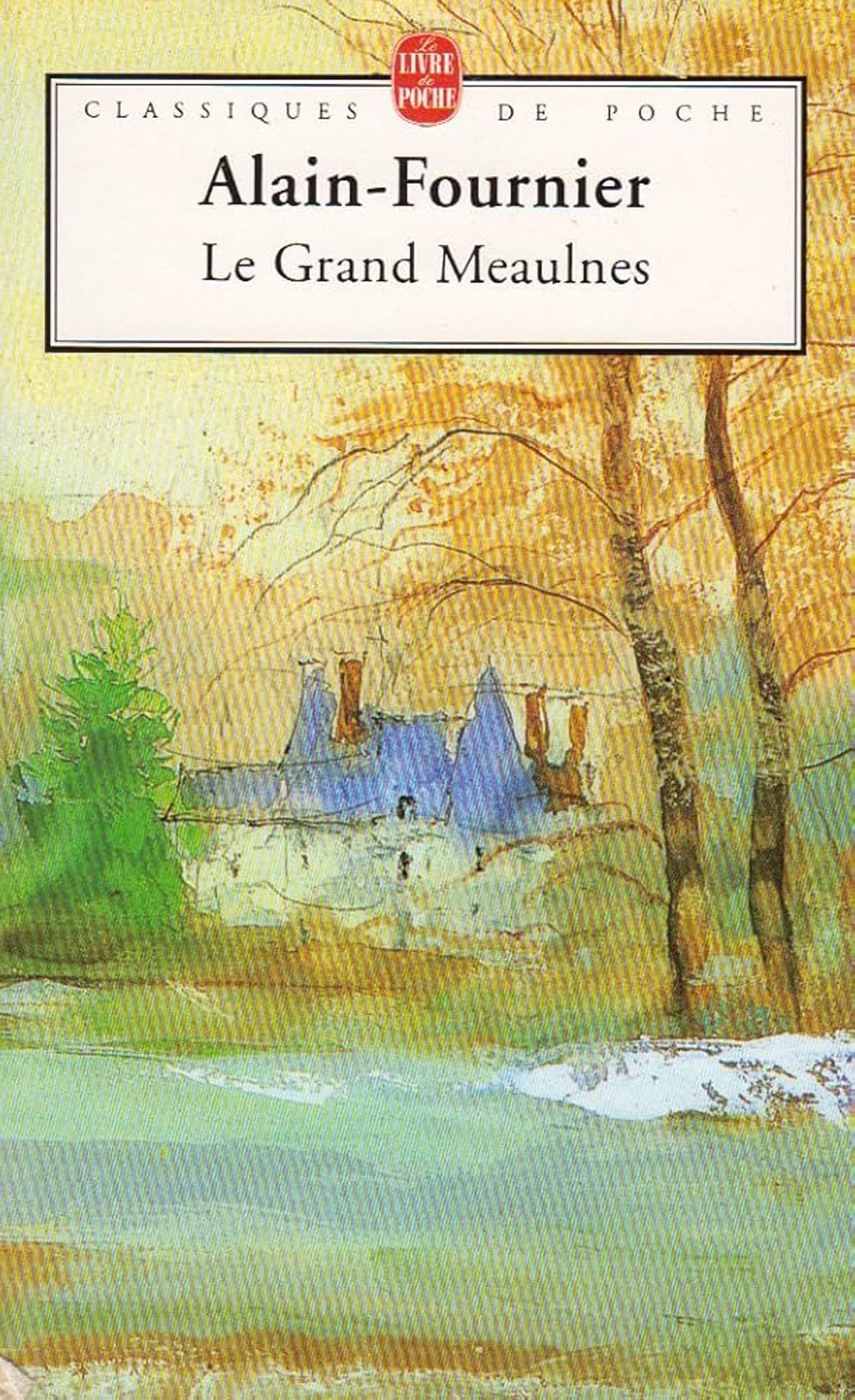
Susie Dent: A Tale of First Love
Lexicographer Susie Dent recalls reading Le Grand Meaulnes by Alain-Fournier as a teenager and finding nothing since has matched it. The novel tells of first love and a young man’s obsessive search for a lost estate and a girl he met there. It captures the fleeting space between childhood and adolescence, before the costs of growing up are understood. Dent finds it perfect for a 17-year-old dreamer and remains enchanted whenever she reads it.
Ruth Ozeki: Borges’ Influence
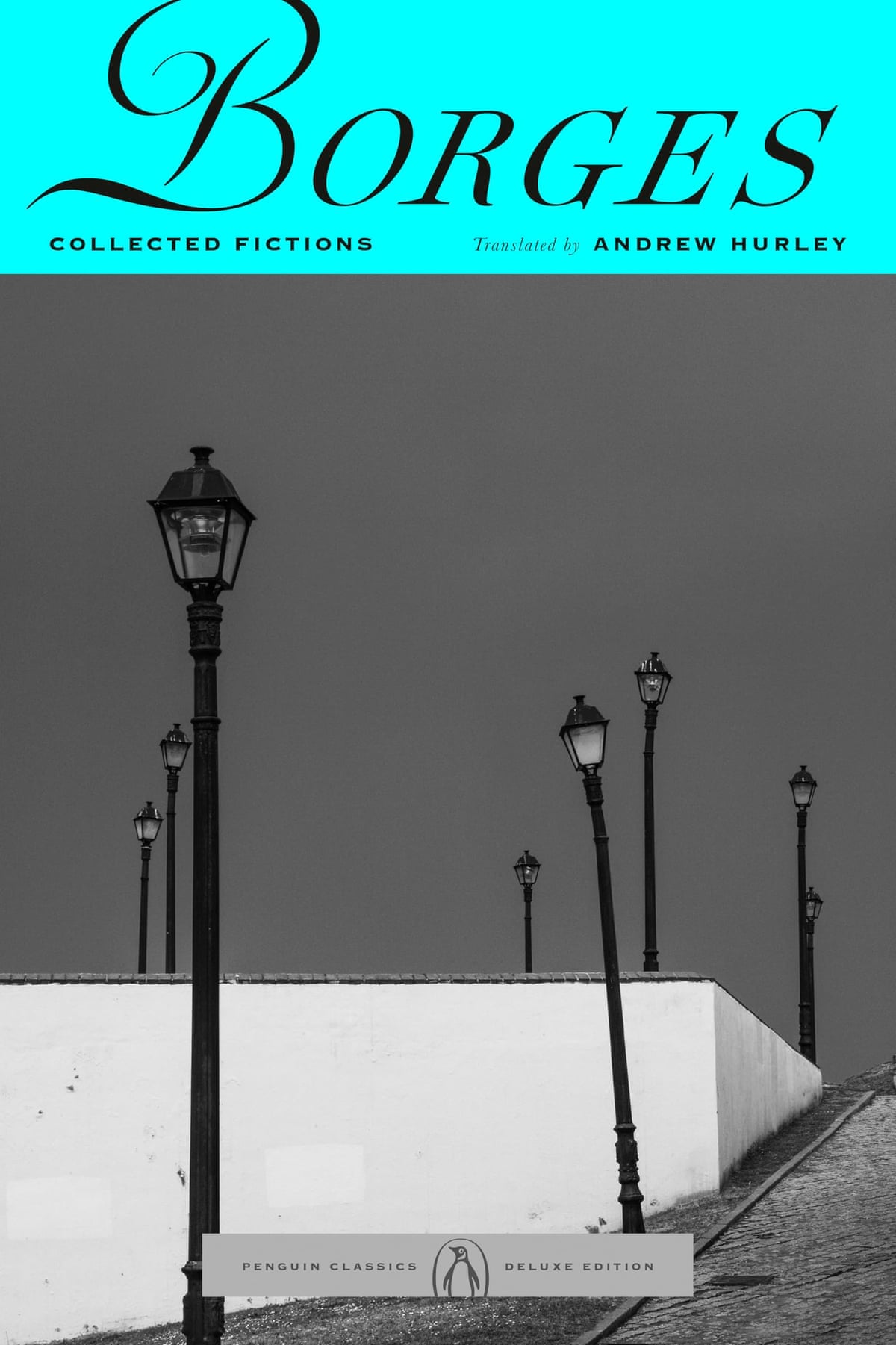
Zen Buddhist priest and author Ruth Ozeki treasures Borges: Collected Fictions, which includes stories like "The Aleph," "The Library of Babel," and "The Garden of Forking Paths," as well as shorter works such as "Borges and I" and the afterword to The Maker. She notes how deeply these stories have influenced her work, though she doubts Borges would recognize his impact. Ozeki expresses gratitude and hopes he would not be offended.
John Lanchester: Ursula K. Le Guin’s Genre Mastery
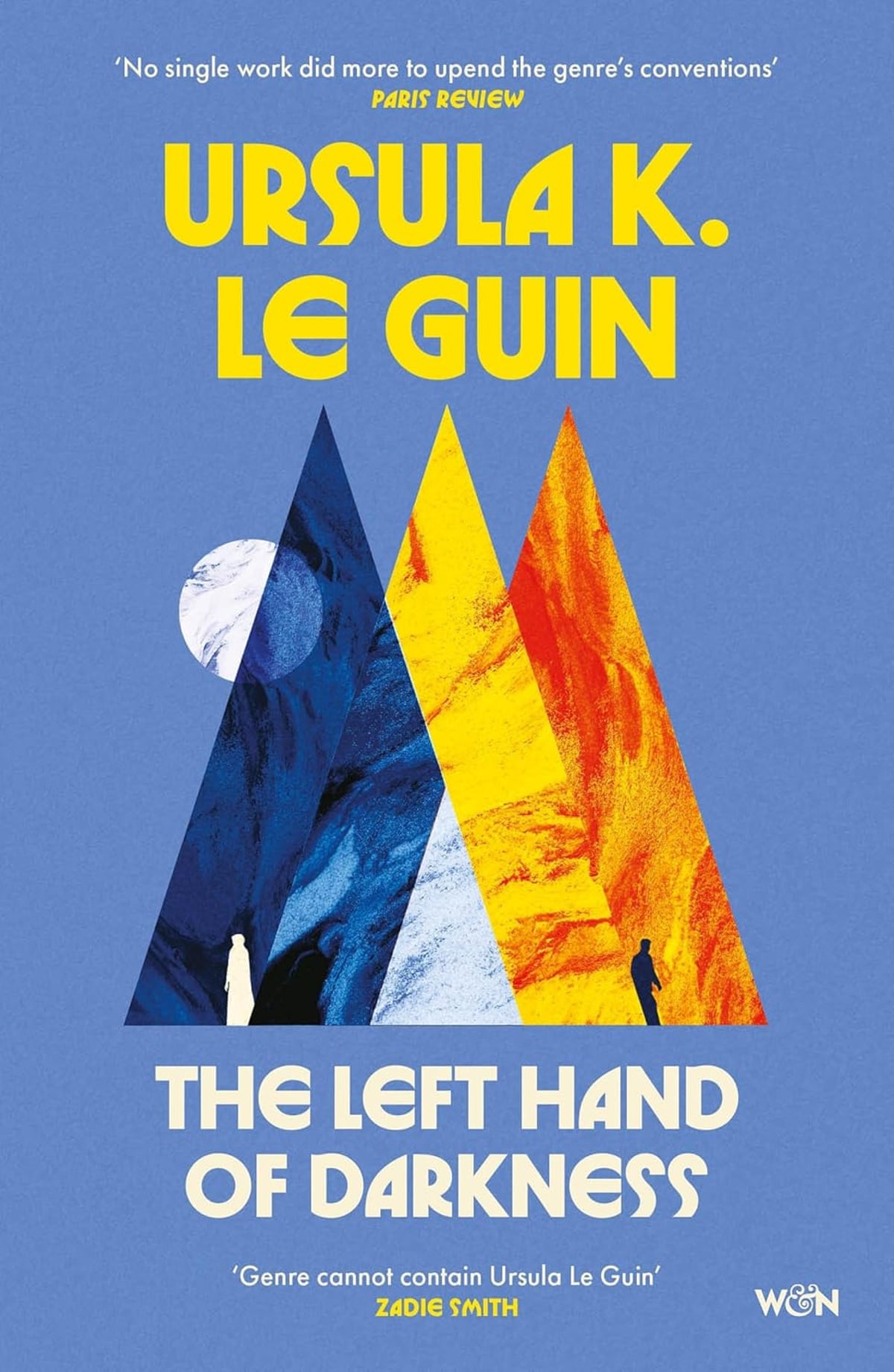
Author John Lanchester praises Ursula K. Le Guin for elevating genre fiction. He debates between Harry Potter and the Philosopher’s Stone and The Left Hand of Darkness, choosing the latter for its thematic depth. Le Guin’s work operates on multiple levels, serving as entertainment and a serious exploration of gender, sexuality, and otherness. Lanchester highlights that the novel’s 1969 publication predates society’s broader understanding of these issues.
Karen Hao: A Book of Resistance
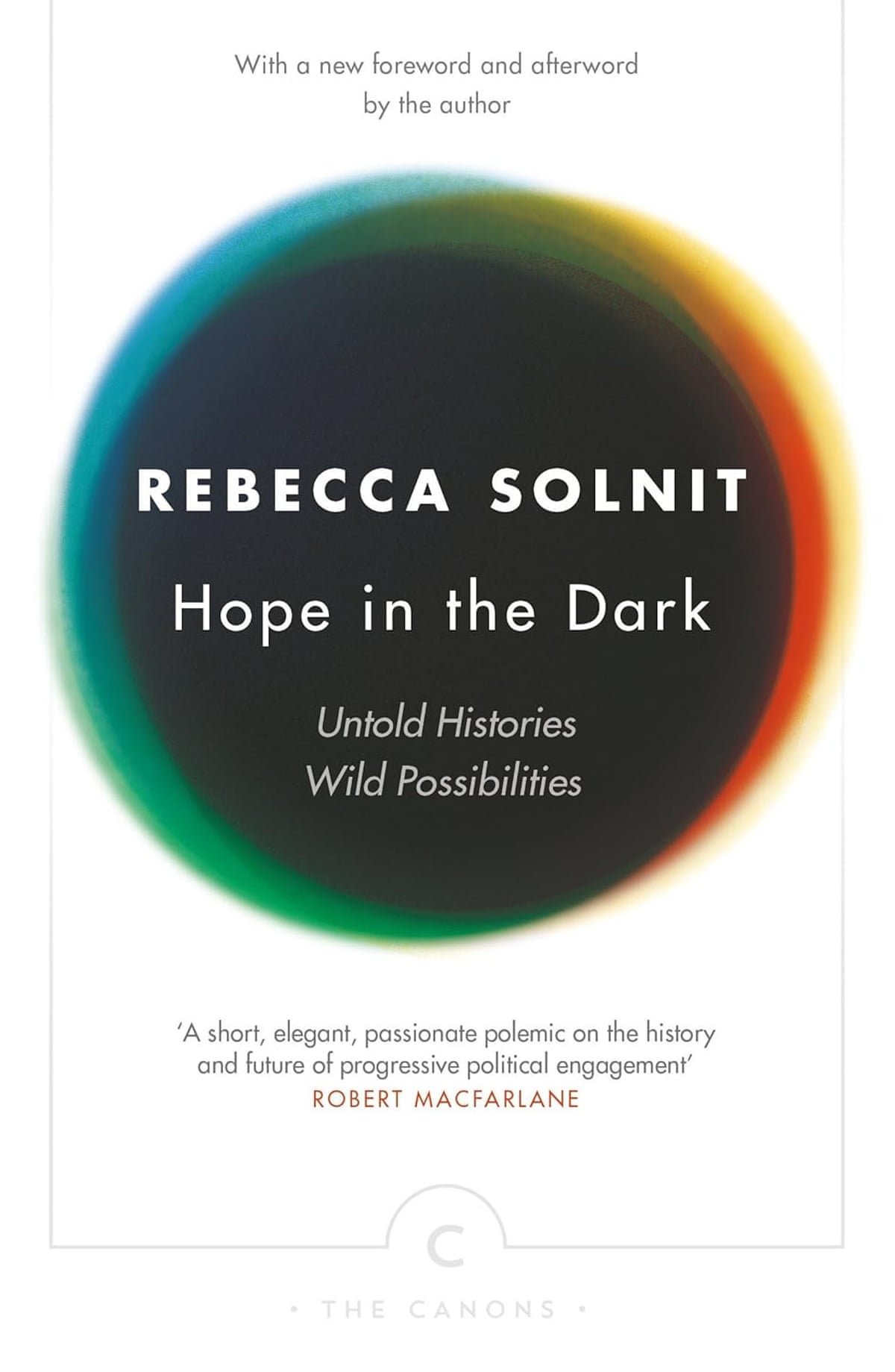
Journalist Karen Hao found solace in Rebecca Solnit’s Hope in the Dark after working on her own book. She describes it as a powerful meditation on the history of resistance movements, emphasizing that it is never time to despair despite obstacles. The book served as an antidote and a constant reminder that every day is a good day to act.
Val McDermid: Timeless Adventure
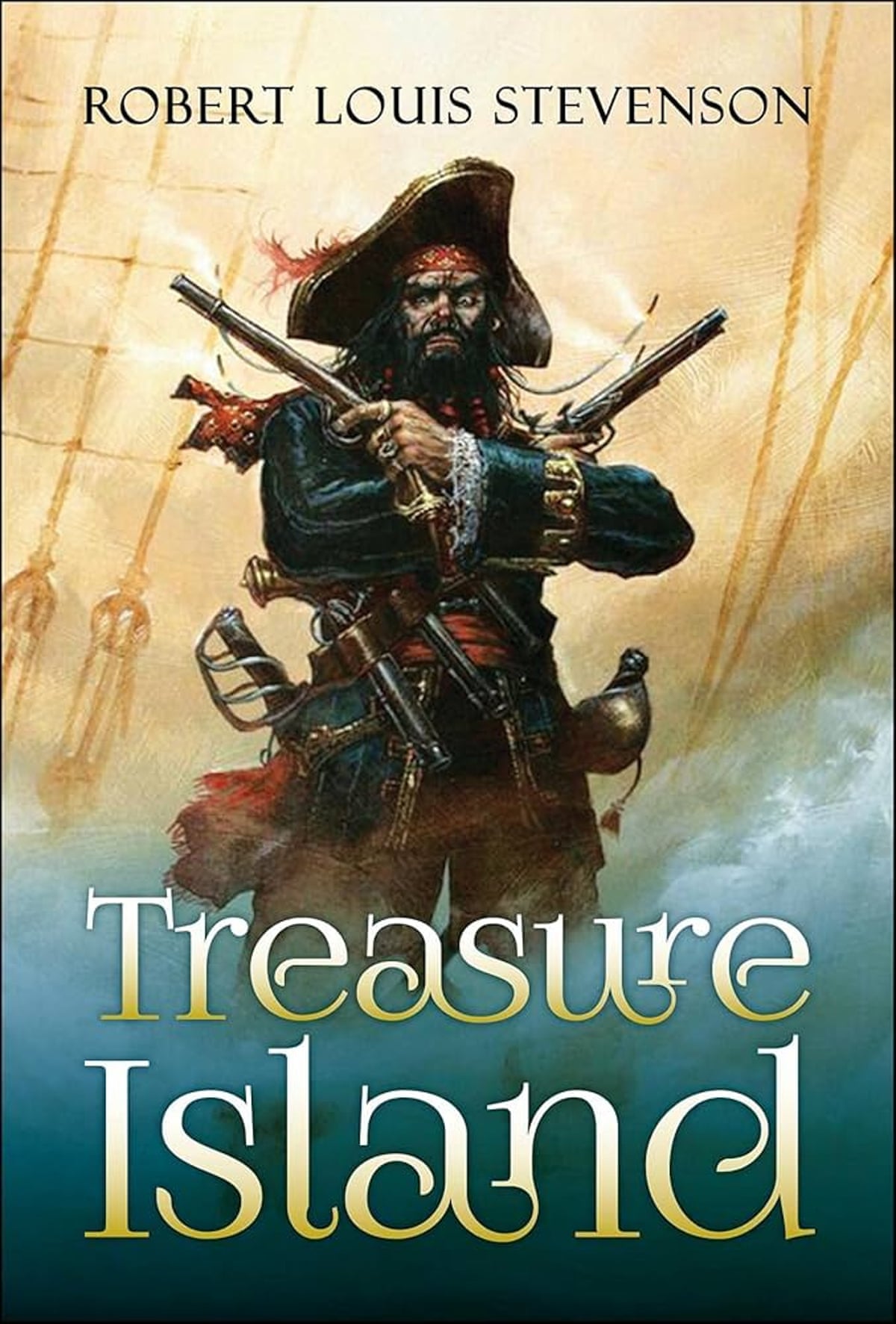
Author Val McDermid recommends Robert Louis Stevenson’s Treasure Island to readers aged nine to ninety. She first encountered it at age nine in a Classic Comic format, akin to a graphic novel. McDermid was captivated by the adventure, settings, and vivid characters like Long John Silver and his parrot. She discovered the original book soon after and rereads it annually, finding its magic enduring.
Simon Jenkins: Geography as Key Science
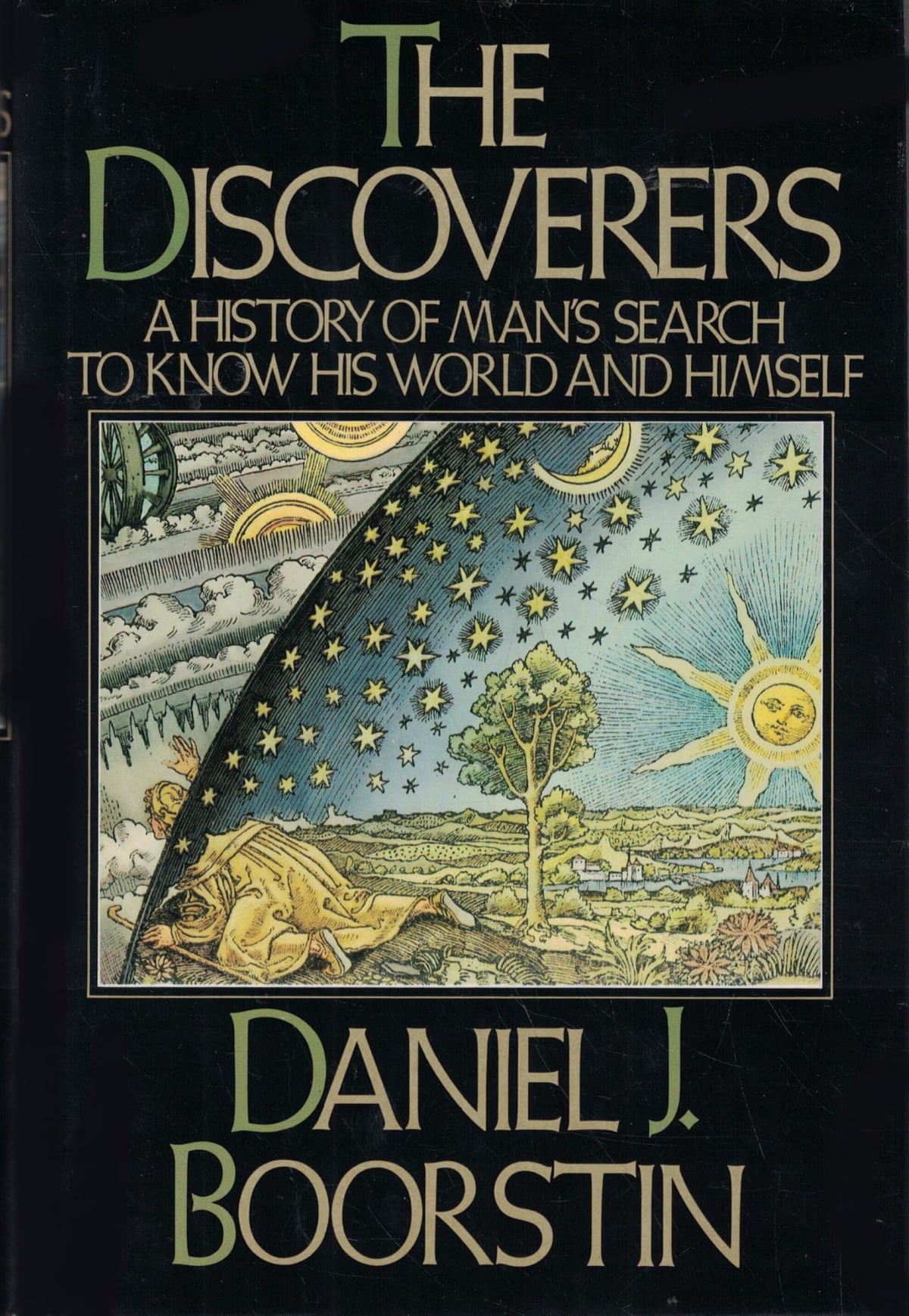
Columnist and author Simon Jenkins regards Daniel Boorstin’s The Discoverers as his bible. Subtitled A History of Man’s Search to Know His World and Himself, it is a lively history of geography. Jenkins explains geography’s historical persecution by the medieval church as heresy and its subsequent neglect by educational elites. Boorstin presents geography as central to history, politics, economics, and the environment, advocating for evidence-based reasoning over prejudice.
Matt Haig: Imaginative Cities
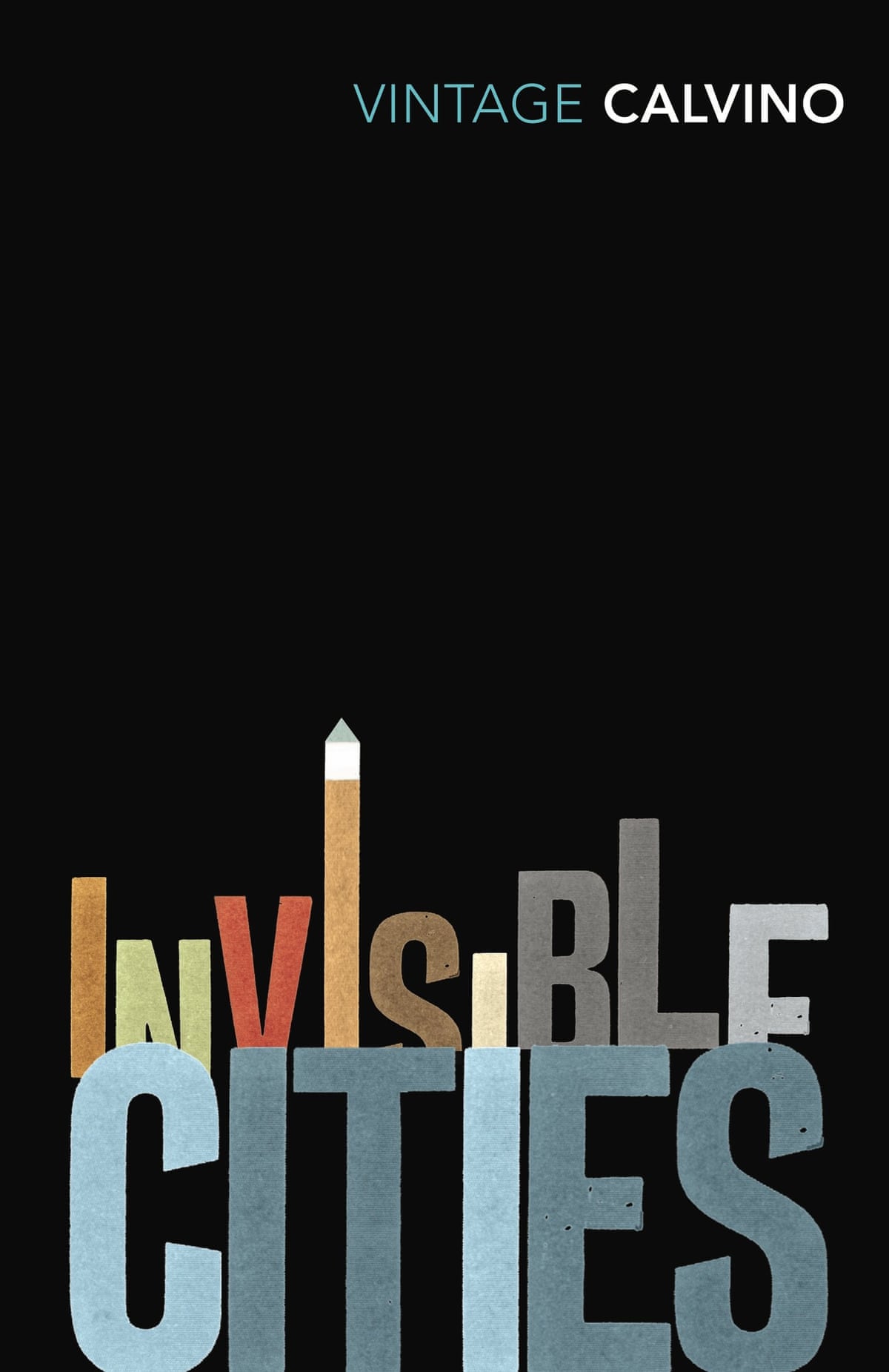
Author Matt Haig recommends Italo Calvino’s Invisible Cities, a slim yet profound book. The premise involves Kublai Khan receiving descriptions of imaginary cities from Marco Polo, all hallucinogenic versions of Venice. Haig describes it as a series of meditations and a calming experience. The book offers pure imaginative pleasure, suitable for readers with ADHD due to its lack of plot or continuity, providing a mental holiday.
Sarah Hall: A Companion in Grief
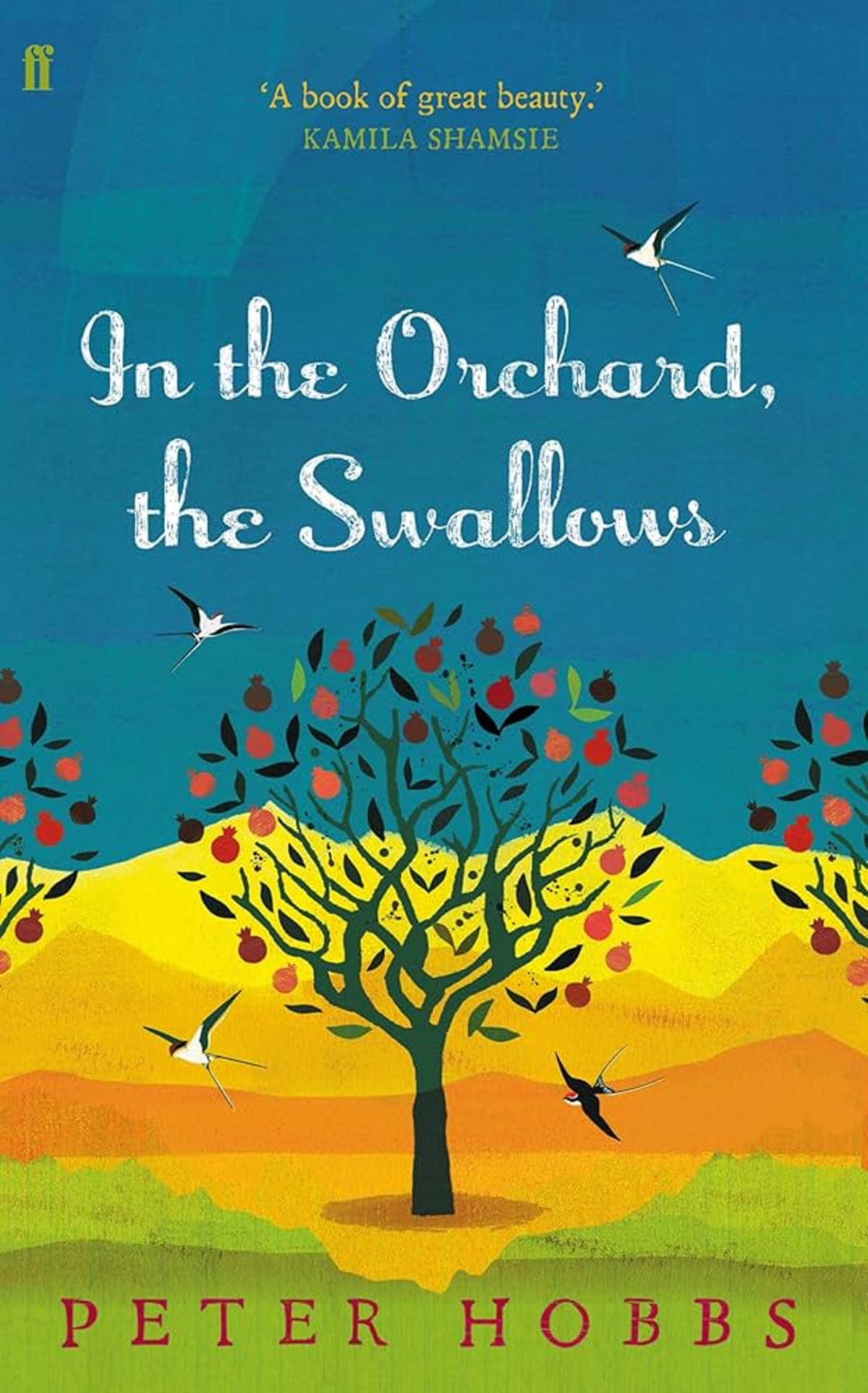
Author Sarah Hall shares a personal experience reading Peter Hobbs’ In the Orchard, the Swallows to her dying father. The novel tells of a young man imprisoned for love, brutalized, released, and cared for by strangers. Hall describes it as short, luminous, and extraordinary, with deep understanding of suffering and hope. During their isolation with Covid, the book was a comforting presence. Her father loved the story, which remains companionable to her.
Marcus du Sautoy: Borges and Infinity
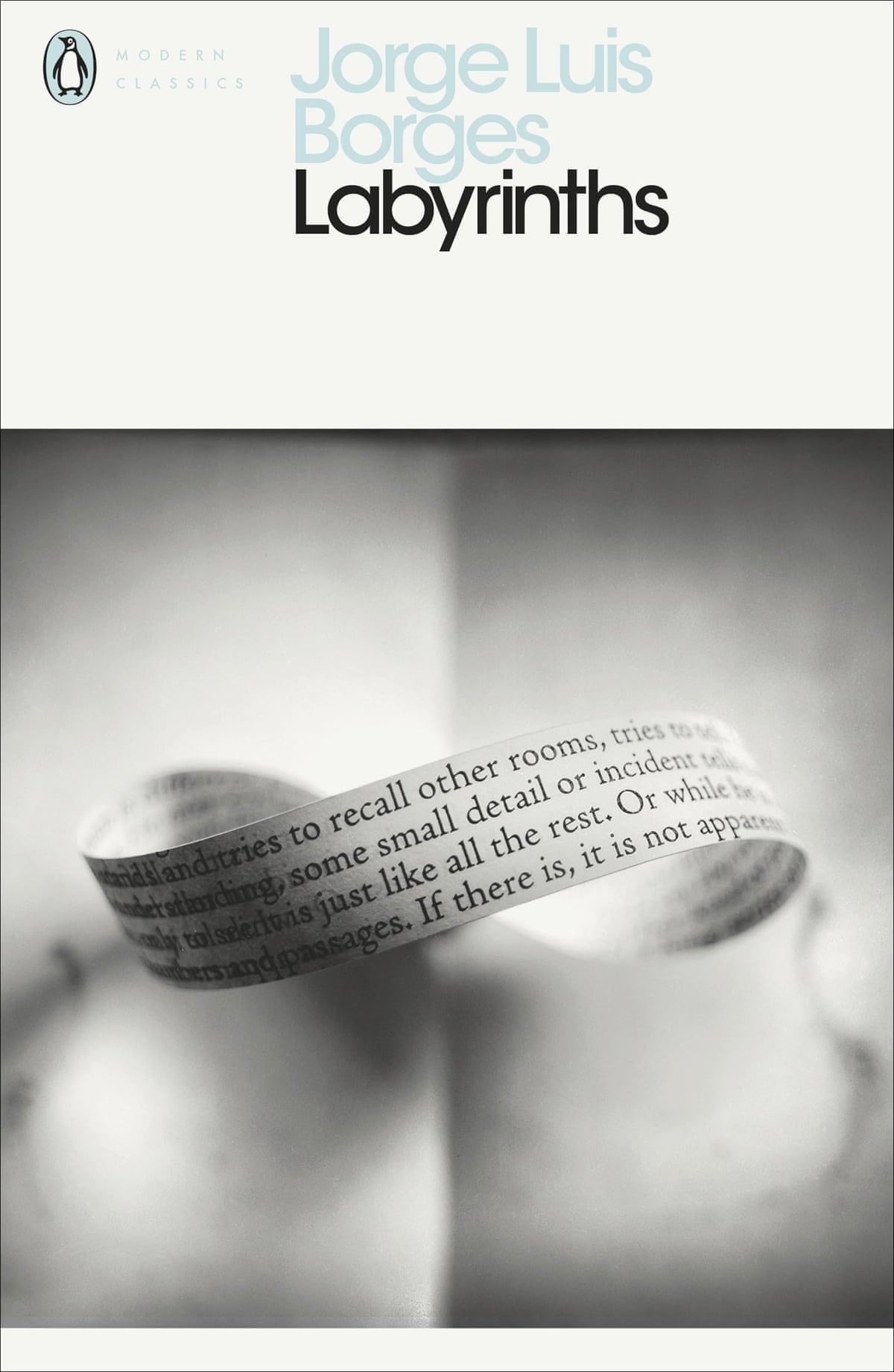
Mathematician Marcus du Sautoy admires Jorge Luis Borges’ short stories, particularly Labyrinths. Though not usually a fan of short stories, he appreciates Borges’ ability to conjure entire universes in about ten pages. Borges explored concepts like infinity and multidimensional space through narrative rather than formulas. Du Sautoy’s favorite story is "The Library of Babel," about a library containing every possible book. He reflects on the importance of the writer’s choices in storytelling and returns to Borges’ work repeatedly.
Hay Festival runs until 31 May. See the festival website for more information.


