Near Death Experiences, ‘Crip Memes’ and the Tyranny of the DWP: The New Exhibition Powered by Illness and Disability
Bunting crafted from hospital sheets, drawings on letters from the Department for Work and Pensions (DWP), and an installation composed of damp materials: a new exhibition highlights art that transforms the challenges faced by its creators into sources of creative inspiration.
“I’m having a flare-up’, is a really common phrase that you hear in the ‘crip’ community,”says Mariana Lemos, co-curator of Flare Up, a group exhibition centered on art inspired by illness, chronic conditions, disability, neurodivergence, and deafness. The exhibition features artists who both identify and do not identify as ‘crip’—a term reclaimed defiantly from derogatory slang—and emphasizes the fluctuating nature of symptoms to portray illness as dynamic rather than static. Lemos’s collaborator Natasha Hoare adds,
“A flare brings light to things that have been kept in the dark, ignored or invisible-ised. There’s a sense of celebration to it, perhaps.”
This sentiment is evident in the work of French artist Benoît Piéron, a prominent figure among artists addressing illness, who currently holds a major solo exhibition at Paris’s Palais de Tokyo. In Flare Up, Piéron’s pastel-colored bunting stretches across the ceiling before pooling on the floor in a heap, its energy seemingly spent. Cut from hospital sheets, the party flags subvert the infantilizing experience of being bedridden. The fabric, in soothing nursery hues, also absorbs the bodily realities it conceals, such as fever sweats or sexual activity. Piéron’s subtle and poetic reminder of the physicality of illness and the fluctuations of chronic conditions exemplifies the exhibition’s witty and surprising artworks.
The exhibition’s themes include near-death experiences, religion’s fixation on purity, “crip” memes, and the oppressive bureaucracy faced by those unable to work. Water recurs as a motif, ranging from healing baths to marine ecology and pollution. This theme is powerfully illustrated in Avril Corroon’s work, which examines the impact of poverty on health. Water collected from dehumidifiers in damp, mold-infested homes in Dublin and southeast London drips onto a deep shag rug in her installation.
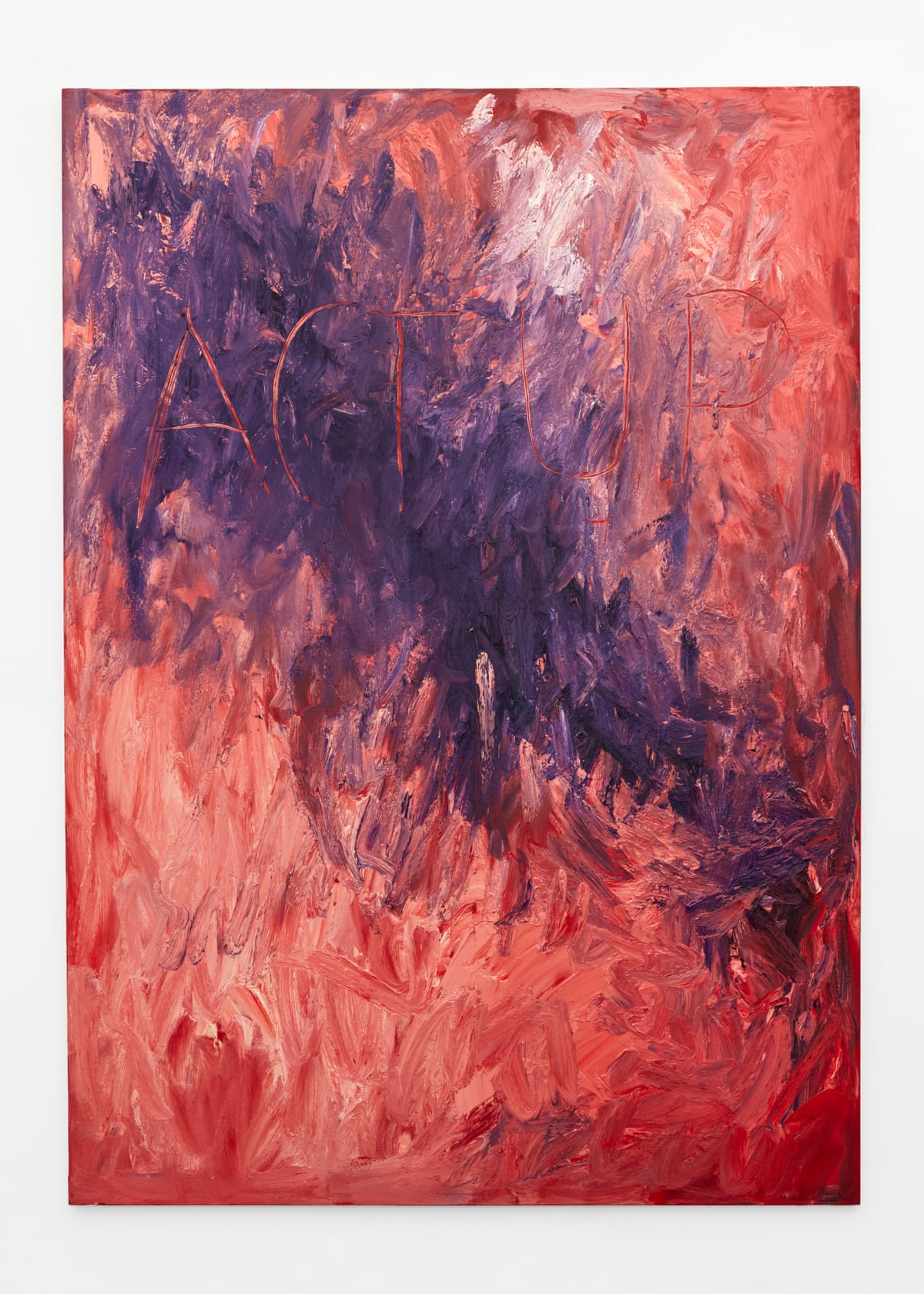
One of the earliest works in the exhibition is Derek Jarman’s large 1992 painting Act Up, a call to action against the prejudice surrounding AIDS. During Jarman’s lifetime, activist art of this nature struggled for visibility. Notably, the exhibition’s younger artists have gained recognition from major institutions. For example, New York’s Whitney Museum recently showcased Christine Sun Kim’s work exploring deaf experiences, and Jesse Darling, whose sculptures investigate bodily fragility informed by their temporary paralysis from a neurological condition, won the UK’s Turner Prize in 2023.
The curators observe that the COVID-19 pandemic has heightened public interest and understanding of living with illness or disability. Hoare states,
“We’ve all realised our vulnerability, and it’s really highlighted that pressure in capitalist society to have a productive body and be constantly working.”
Simultaneously, attacks on disabled people are increasing, including the rise in hate crimes recently reported by . Hoare comments,
“We’re mindful of the burgeoning language around disability, being part of a national narrative. We need to challenge the pejorative idea of disabled communities as not being productive, therefore having no value socially, which is complete fallacy.”
This message is powerfully conveyed in a 40-minute video by Freestylers, a collective of disabled and neurodivergent performance artists. The video combines dance, satirical sketches, and revealing monologues, illustrating how the artists’ challenges fuel their creativity. The piece is titled Honey, You Are.
Flare-Up is on view at CCA Goldsmiths, London, through 16 August.
‘There’s a Sense of Celebration, Perhaps’: Five Highlights of Flare-Up
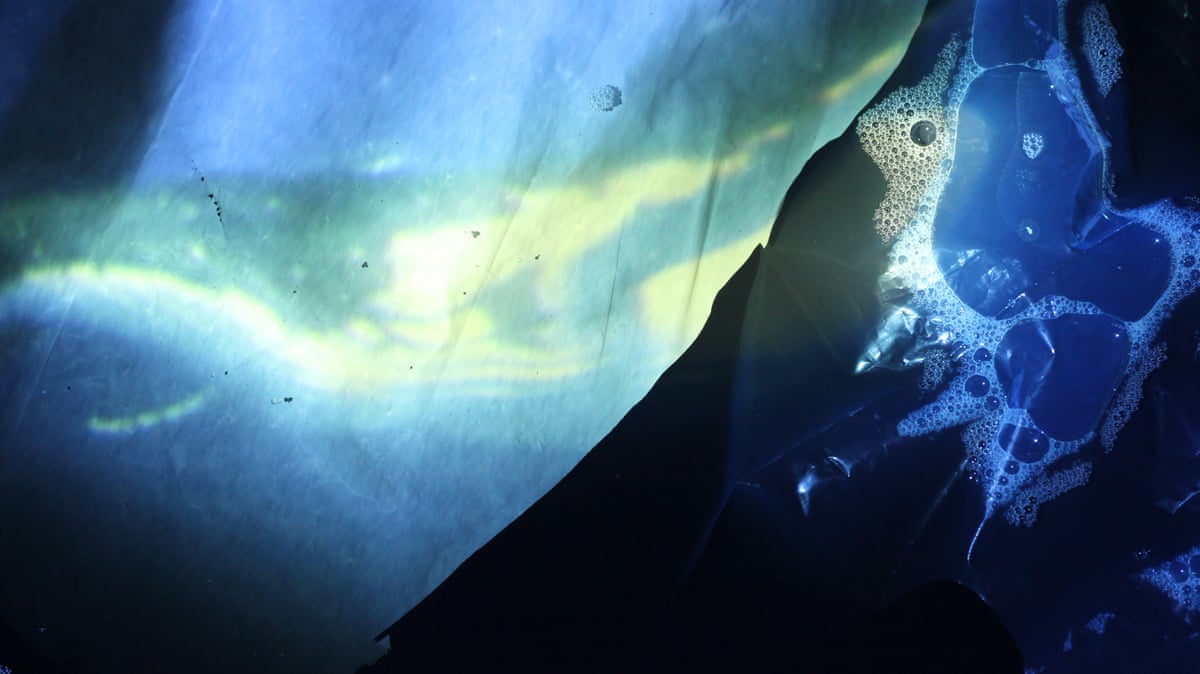
Main image: Racheal Crowther – Qualified to Care (2022)
Crowther discovered a discarded LED pharmacy sign in Lewisham, southeast London, and reprogrammed its software to display her own video footage of a Peckham day care center for adults with learning disabilities, which was scheduled for demolition.
Derek Jarman – Act Up (1992)
The renowned experimental filmmaker painted the name of the campaign group Act Up (AIDS Coalition to Unleash Power) in bold, expressive capitals, channeling the intense energy he devoted to AIDS awareness and activism. Jarman’s piece is included in the exhibition, and artist Benoît Piéron pays homage to him with a sculpture incorporating seed samples from Jarman’s garden in Dungeness.
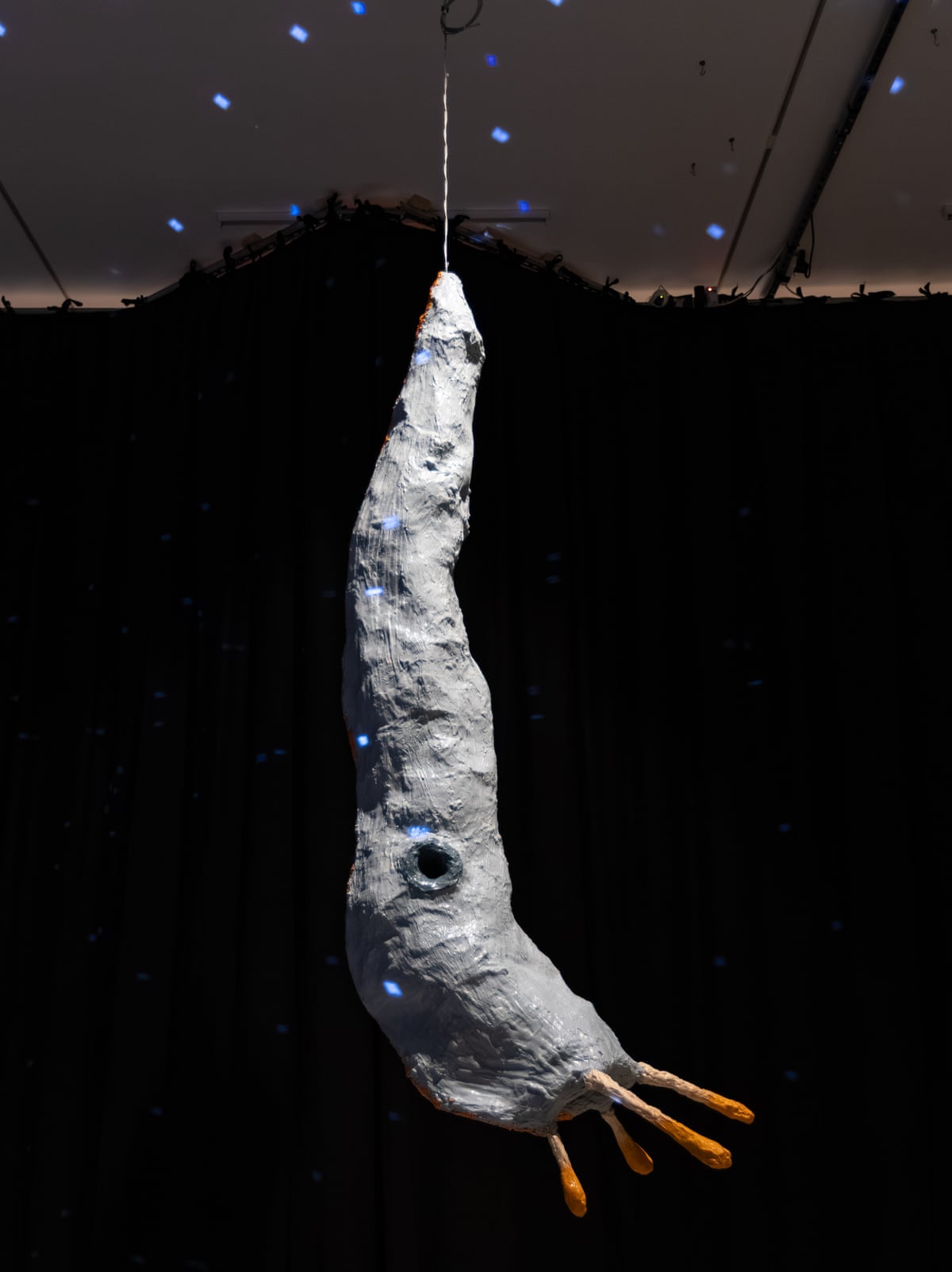
Abi Palmer – Slime Mother (2024)
Palmer transforms a slug, a creature often regarded with disgust, into an object of reverence in this whimsical sculpture. Its shimmering, alien-like wetness celebrates bodies that defy norms, whether through queer desire or acceptance of the slimy discharges associated with illness.
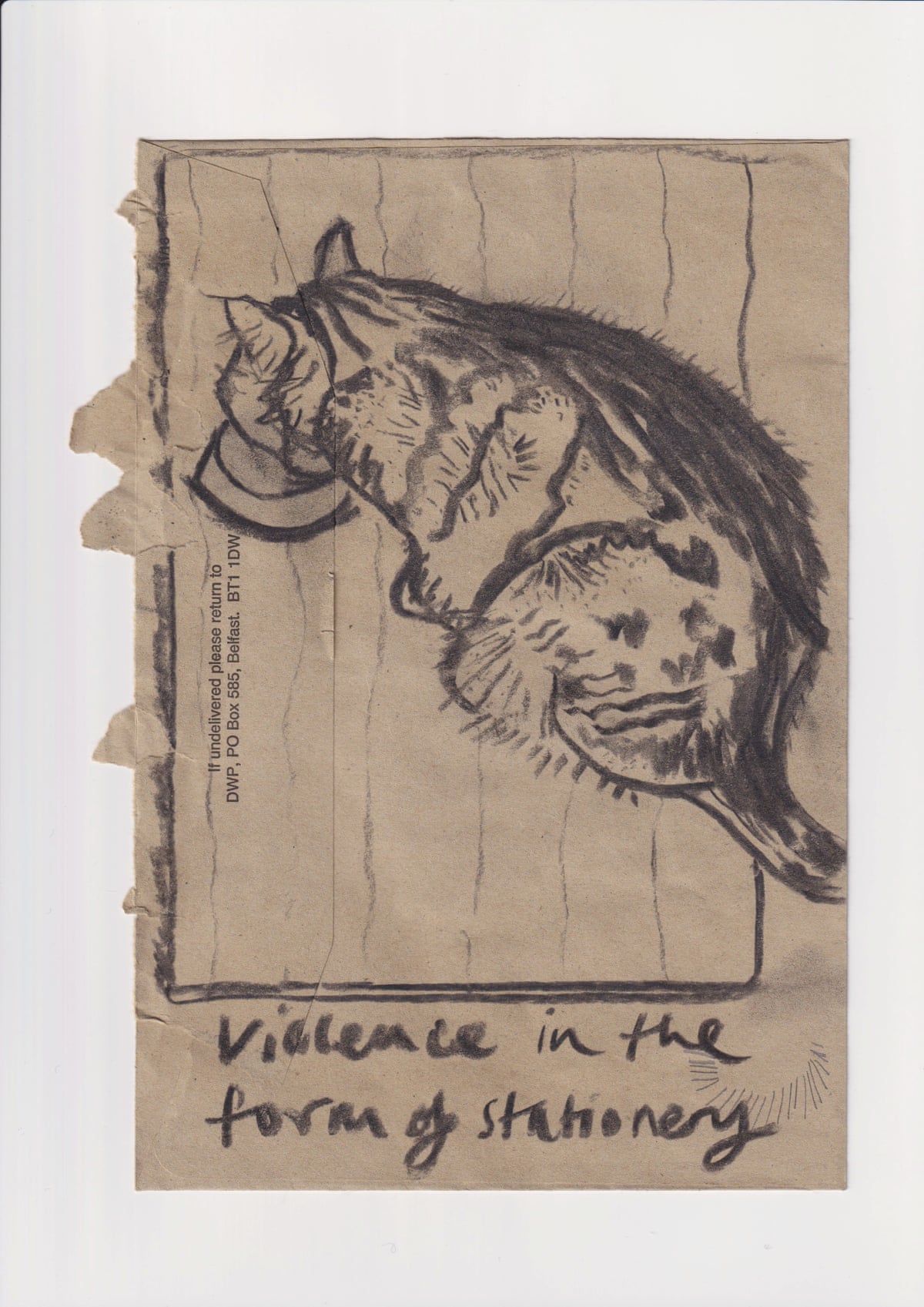
Bella Milroy – Violence in the Form Of Stationery (2018)
Milroy’s drawings and text works depict their domestic environment, including their animal companions. However, these observations carry a sharp edge, as they are rendered on brown A5 envelopes from the Department for Work and Pensions. The approvals or denials contained in these letters profoundly affect the lives of those unable to work.
Lizzy Rose – Sick, Blue Sea (2018)
The late artist Lizzy Rose created a video artwork based on the real-life case of a whale that died near Margate. The piece, both poignant and oddly humorous, is told from the whale’s perspective as she seeks solace in online communities, searching for answers to an illness caused by ingesting plastic—a tragedy she cannot comprehend.