

Historic Glasgow Building Recreated in Miniature
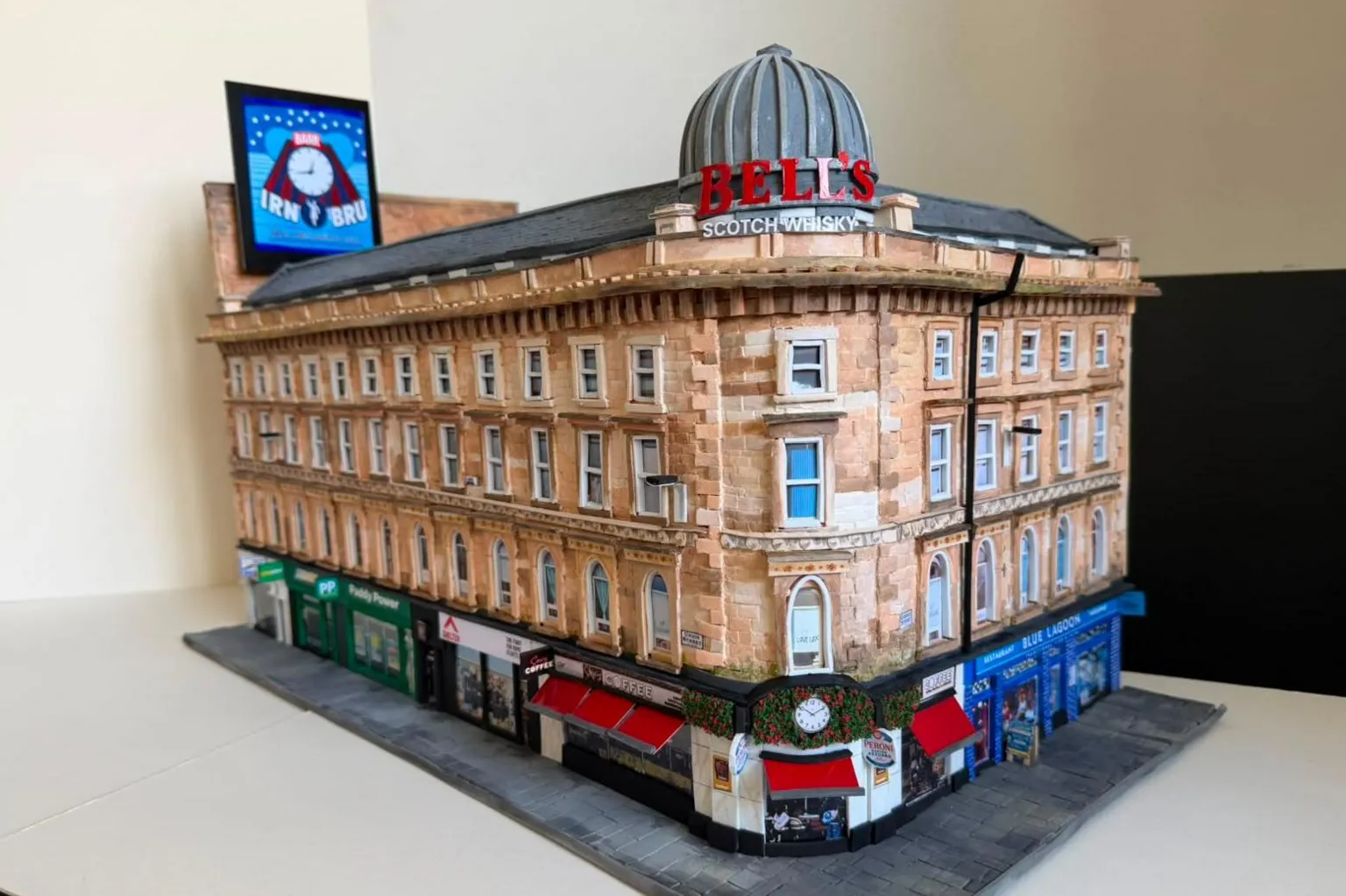
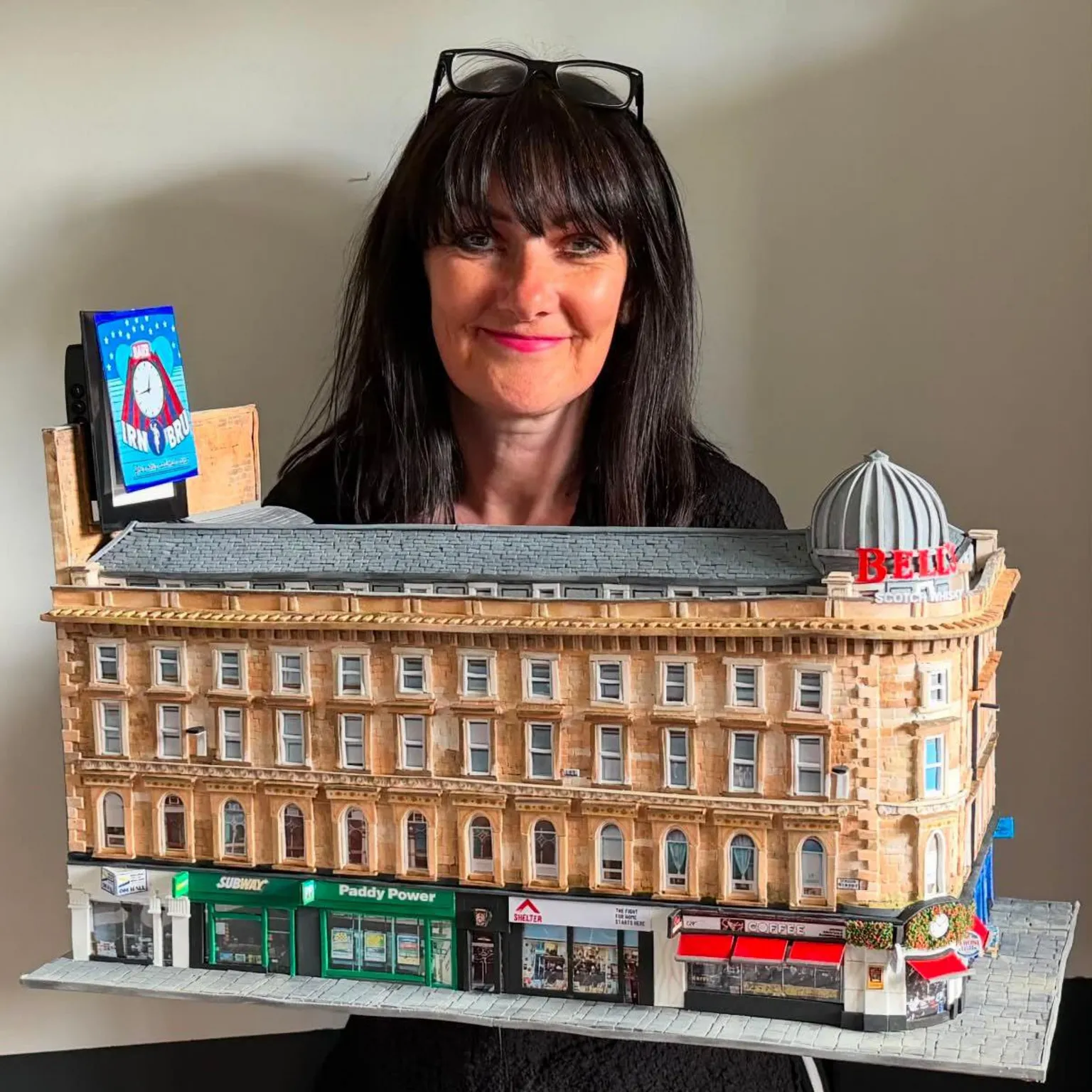
A historic Glasgow building destroyed in a major fire has been meticulously recreated in miniature by artist Karen Bones.
Karen dedicated 10 weeks to crafting a replica of the B-listed Victorian structure known as Union Corner.
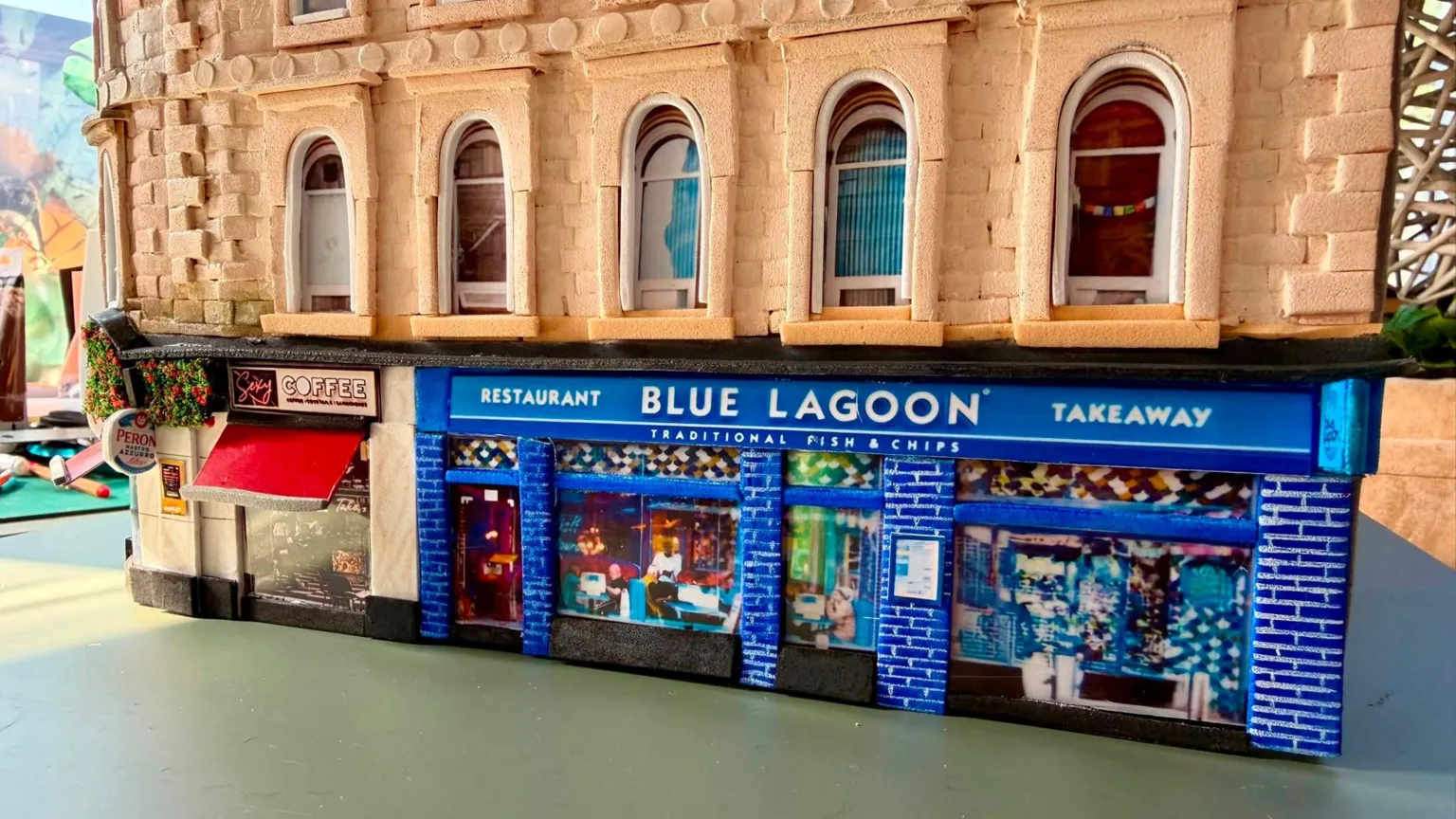
The model, constructed from recycled cardboard, portrays the businesses impacted by the blaze.
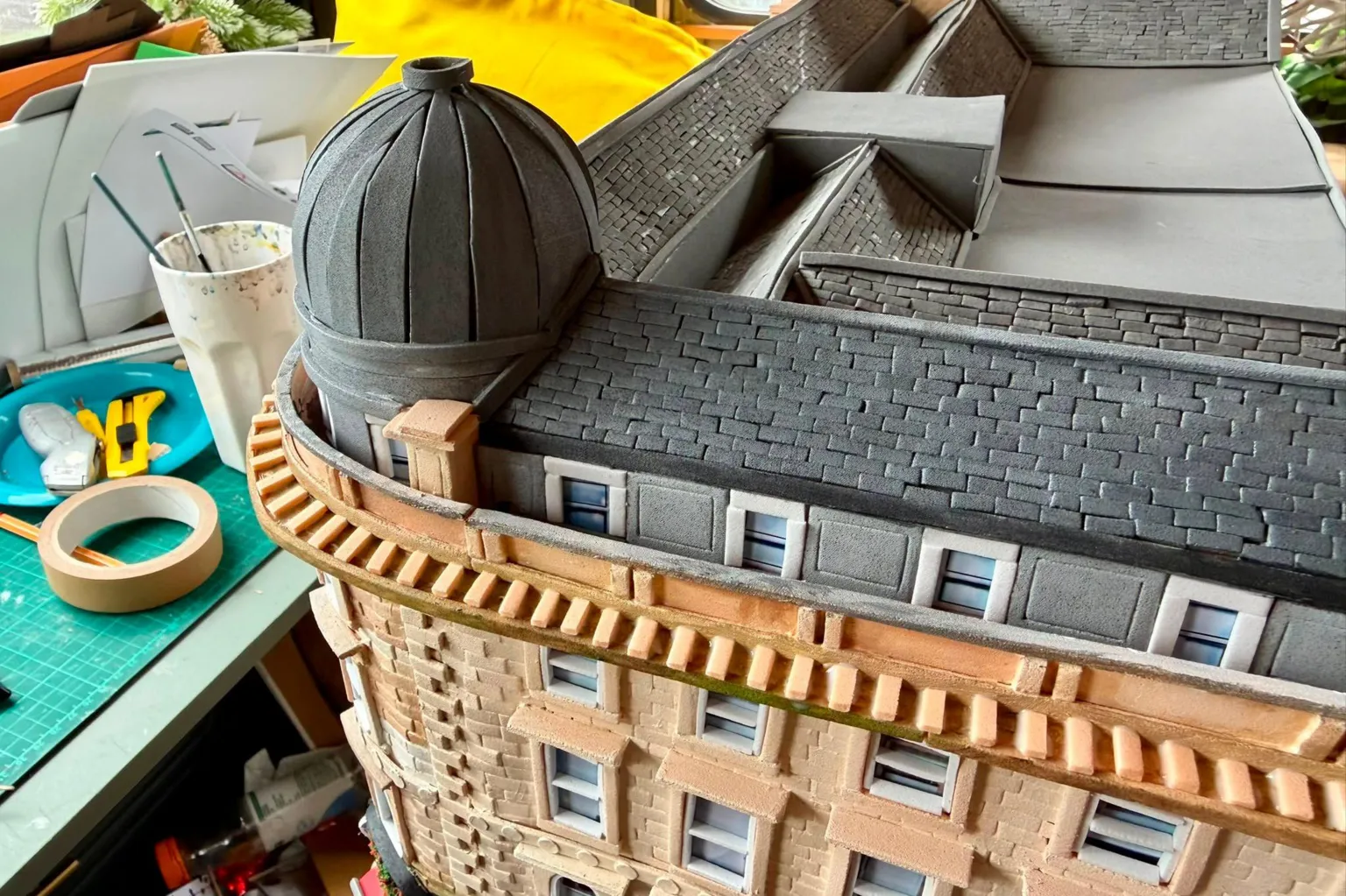
It also features the building’s distinctive dome and the iconic signs that once adorned its roof.
Artist’s Inspiration and Background
Karen explained her motivation:
"After seeing the devastation on the TV, I felt compelled to try and recreate it because such a big part of my childhood was walking up and down Union Street and being fascinated by the Irn-Bru sign."
At 54, Karen transitioned from drawing and painting to creating cardboard models about four years ago.
Her portfolio includes scale replicas of venues and buildings such as the Barrowland Ballroom, other renowned Glasgow music venues, coastal cafes, historic castles, and cottages.
Working from a renovated caravan in her garden in Larbert, she builds models of pubs and clubs where she worked for nearly two decades and accepts commissions through her small business, Bricks & Bones.
Sentimental Value of Union Corner Model
Karen described this latest model of Union Corner as especially meaningful.
She shared,

"My mum had a hairdresser shop on Cambridge Street so on a Saturday my dad would take me into town and we would go shopping, walking along Union Street."
"It was a Saturday treat to go out with my dad and then we would pick my mum up from work afterwards."
"My dad passed away a long time ago so this model is sentimental because it reminds me of spending time with him as well."
Model Construction and Challenges
Using existing photographs and online images, Karen took measurements to accurately scale the model.
The project, measuring approximately 25cm (10in) high and 50cm (20in) wide, was described by Karen as a "monster" and larger than any previous work.
Despite its size, she noted the model is surprisingly lightweight.
Karen elaborated on the challenges:
"The details were the biggest challenge."
"There are thousands of individually hand-cut bricks and roof tiles, and 74 windows, which all had to be spaced out properly."
"I could have just painted them on or some people would have used a 3D printer but the way I do it makes it charming and different to what other people are doing."
Historical Context and Fire Impact
Union Corner dates back to 1851, predating Glasgow Central Station which opened in 1879.
Only the facade remained after a fire broke out in a vape shop on 8 March.
Demolition of the damaged building is ongoing, with a cordon still in place due to safety concerns.
Recreating the Businesses and Nostalgic Elements
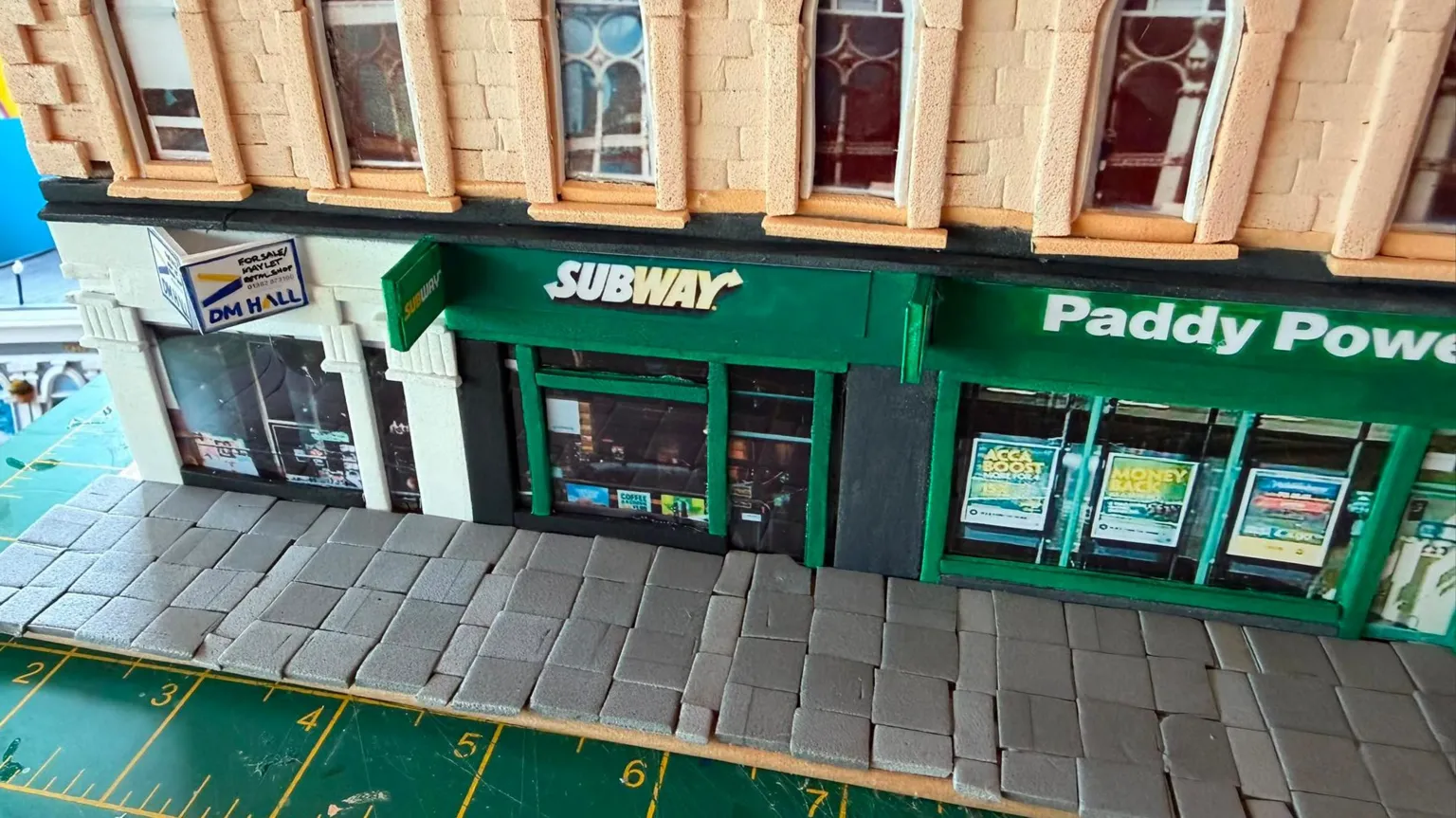
The businesses along Union Street and Gordon Street have changed since Karen’s childhood, but she felt compelled to include the shops affected by the fire.
She explained,
"I had a dilemma before I started because finding a reference for the shops that I remember was really tricky and I don't think I could have done it justice through memory."
"But then I also thought it would be disservice to change the shops that were lost."
"So I used the shop fronts from before the fire and brought back the Irn Bru and Bell's sign to include some of the old nostalgic aspects I remember."
Future Plans for the Model
Karen hopes to find a permanent home for her Union Corner model and is looking to sell it.
She said,
"I would love for it to end up on display in Central Station so people can look at it and it can be appreciated as a stunning building."


