

Players Limit Media Time in Ongoing Wimbledon Protest
The world’s top tennis players upheld their commitment on Saturday at Wimbledon by restricting their media interactions to just 15 minutes during the first week of the tournament. This action is part of their ongoing campaign demanding a larger share of grand slam prize money, increased investment in player pensions, and enhanced funding for player welfare.
Leading the protest were the world No. 1 players, Jannik Sinner and Aryna Sabalenka. Jessica Pegula also indicated that these protests, which have persisted throughout the initial days of Wimbledon, are expected to continue at the upcoming US Open in New York this August.
“I think it’s something that we felt was productive and worked well at the French [Open], limiting the media time,” Pegula said. “Fifteen minutes, some people are like: ‘Well, what is that going to do?’ Well, we usually spend 90 minutes, so I think we saw it work well. I think it’s an easy way to get players to become united when you tell them they don’t have to do media. They [say]: ‘Sure, I’ll for that less obligation.’”
Following the protests, Wimbledon responded by increasing the prize money for this year’s event by 20%, raising the total to £64.2 million. However, the players, who are being advised by Larry Scott, the former CEO of the WTA Tour, argue that this amount represents just over 14% of the All England Club’s projected revenue for 2025-26.

Players expressed that while the increase is appreciated, it does not fully address their concerns.
“We’re very grateful that one of the [slams] has raised the prize money but it’s not really answering the questions that we’ve been asking,” Pegula continued. “I don’t know if the point’s just not getting across. We’ll see how it progresses over the next couple weeks, after doing this today and over the next week, and then going into the next slam, which is the US Open. I think we’ll get a good grasp about where we’re really standing with the slams.”
Varied Approaches Among Players During Protests
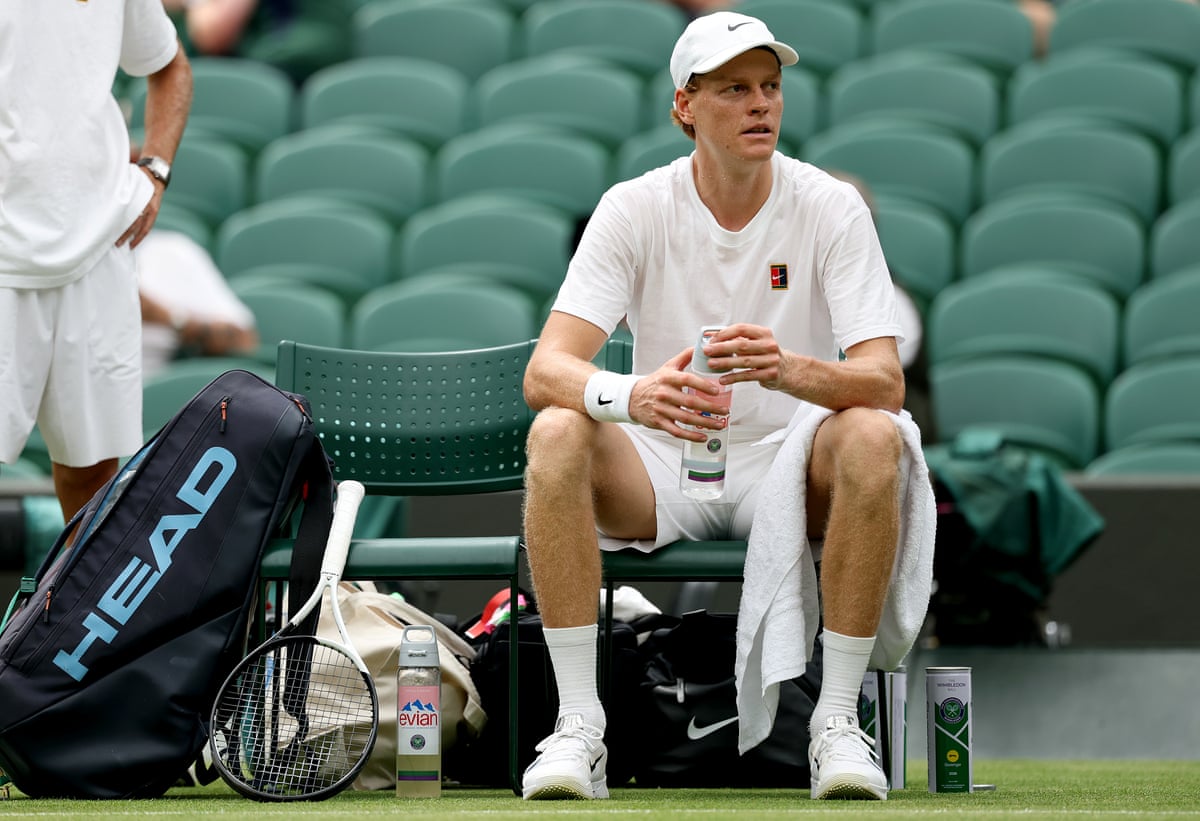
While the players shared a common message, their methods of protest varied somewhat. Jannik Sinner held a standard-length press conference lasting about 10 minutes, emphasizing that the issue extends beyond financial concerns.
Aryna Sabalenka, on the other hand, shortened her press conference. She highlighted that the proportion of prize money relative to tournament revenue has remained largely unchanged over the past decade.
“If you look at the prize money over the last 10 years [as a share of revenue], it’s kind of stayed the same,” Sabalenka said. She added, “We do it for the tour, we don’t do it for ourselves. We do it for the rest of the players who are suffering to even hire a coach. It’s not an easy life for players who are lower in the ranking. So we do it for them.”
Notably, Novak Djokovic, a 24-time grand slam champion who has historically been a prominent voice in prize money discussions, did not participate in the current protests. Wimbledon expressed disappointment over the players’ actions last week, reiterating that the share of revenue metric does not fully reflect the financial contributions it makes to tennis within the UK.


