

Chwalinska's Journey from Qualifier to Roland Garros Final
Exceptional defensive skills and strategic play have propelled world No 114 Maja Chwalinska from qualifying rounds into the Roland Garros final. She is set to face the eighth seed Mirra Andreeva, who possesses the game to challenge her.
The summer of 2022 found Chwalinska competing at the Bank of England Sports Club in Roehampton, a familiar yet modest setting compared to the grand stages of professional tennis. Then ranked world No 170, she battled through three demanding Wimbledon qualifying matches against players ranked outside the top 150, earning a spot in the main draw. She celebrated her debut at the All England Club with a notable victory over world No 79 Katerina Siniakova before being defeated in straight sets in the second round.
For the past four years, that single main draw victory stood as the highlight of Chwalinska’s career at major tournaments. The only other grand slam she qualified for was the Australian Open last year, where she suffered a heavy 6-0, 6-1 loss to Jule Niemeier, then world No 93, in the first round. She has failed to progress beyond the preliminary rounds on 12 occasions, and at times, her ranking fell so low that she was unable to enter qualifying.
Seemingly emerging from obscurity, Chwalinska now stands on the brink of history, needing just one more win to become the first qualifier to claim the French Open title. Since her first qualifying match on 18 May, she has amassed nine consecutive victories over three weeks, dropping only one set.
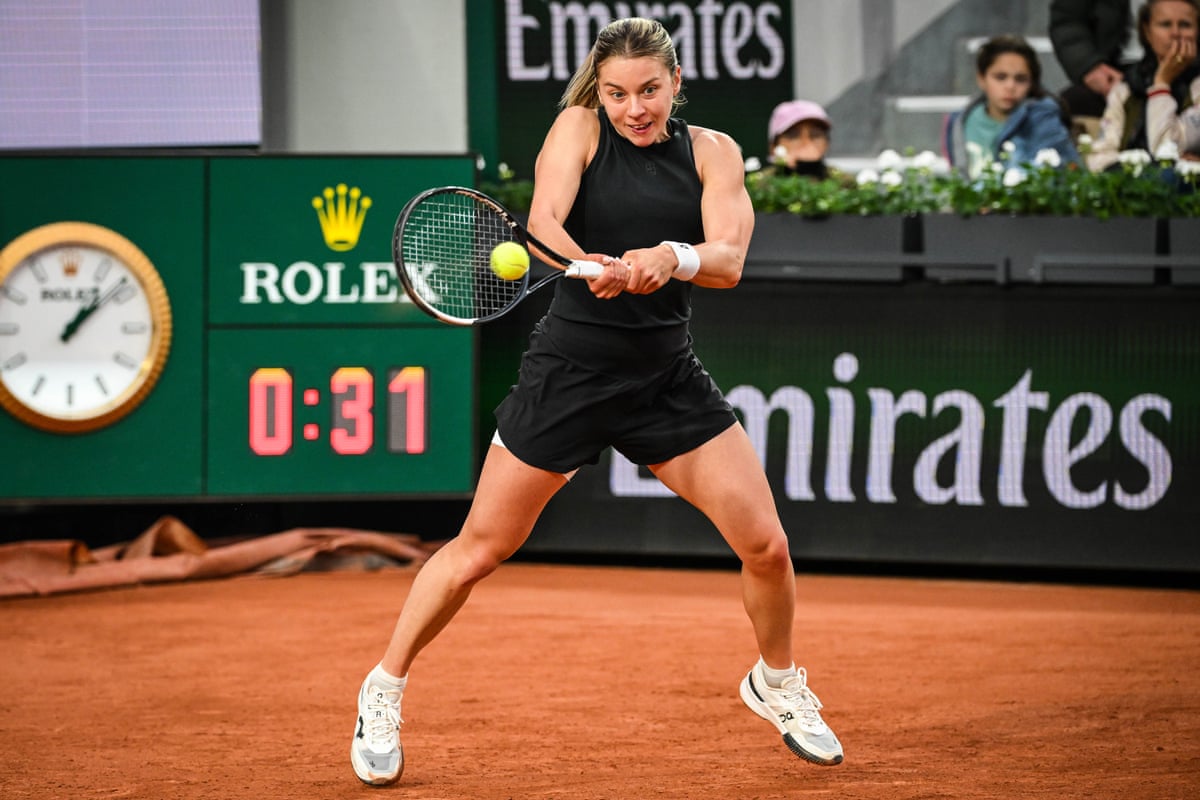
This remarkable run ranks among the most surprising in grand slam history, potentially rivaling Emma Raducanu’s 2021 US Open triumph, the only other instance of a qualifier reaching a major final. Unlike Raducanu, whose breakthrough was unprecedented and difficult to predict due to her limited experience, Chwalinska is a seasoned competitor with over a decade of professional play. Prior evidence suggested such an achievement was unlikely.

Playing Style and Mental Fortitude
Standing at 1.64 meters (5 feet 5 inches), Chwalinska is relatively small and physically less powerful than many of her opponents. This has compelled her to develop a unique style focused on precision and variety. At Roland Garros, she has methodically dismantled opponents by varying shot speed, spin, and trajectory, placing the ball in challenging positions across the court. Her defensive prowess has been exceptional, making her a formidable opponent under the intense pressure of a grand slam.
In the quarterfinals, Diana Shnaider appeared visibly overwhelmed in the final stages of their match, illustrating the psychological toll Chwalinska’s game imposes on adversaries.
While some players might claim they have always aimed for such a moment, Chwalinska has candidly acknowledged the element of chance in her success. After her third-round victory, she expressed concern about affording her escalating hotel expenses. Midway through the tournament, the Polish drinks company Oshee provided financial support. Post-tournament, her earnings will increase by at least $1,626,744 (£1.2 million), alleviating such concerns.
Contrasting Paths to the Final
As Chwalinska prepares for her first tour final at any level, her opponent Mirra Andreeva has followed a markedly different trajectory. Since her breakthrough as a 15-year-old three years ago, Andreeva has established herself as one of the most accomplished teenage players of the 21st century. After facing emotional challenges over the past year, she has regained composure and confidence.
Andreeva’s skill set, including excellent feel, anticipation, and court awareness, equips her well to counter Chwalinska’s varied game. However, the primary challenge for the Russian will be managing the pressure of being the favorite and maintaining composure in the most significant match of her career.


