

Swiatek Faces Emotional Challenge After Miami Open Loss
In a dimly lit mixed media zone beneath the Hard Rock Stadium, Iga Swiatek took a moment to compose herself before addressing the press. The world No 3 had just suffered a tough second-round defeat at the Miami Open, losing in three sets to fellow Pole Magda Linette in a match marked by inconsistency.
Between interviews conducted in Polish and English, Swiatek withdrew to a corner, turning her back to the media as she wiped away tears. Moments later, she spoke candidly about the mental difficulties she has been experiencing on court.
Swiatek’s Mental Struggles Amid Success
Swiatek described her current state of mind as complicated, despite the simplicity tennis is supposed to have for her. While she expressed general happiness in life, the pressure and confusion surrounding her tennis performance have been overwhelming in recent months.
“This is like the worst nightmare a top tennis player can have, dropping in matches in terms of the level,”
“So I need to live through this, go forward, learn, and figure it out.”
Coaching Change and Career Crossroads
Following the Miami Open, Swiatek announced her decision to part ways with coach Wim Fissette. Having achieved remarkable success at a young age, the 24-year-old now finds herself at a pivotal point in her career, seeking to regain her position at the top of women’s tennis.
Since losing the No 1 ranking 19 months ago, Swiatek’s main rival, Aryna Sabalenka, has emerged as the leading figure on the WTA Tour. Nonetheless, Swiatek remains one of the greatest players of her generation, boasting six Grand Slam titles, including four at Roland Garros.
Swiatek’s Playing Style and Mental Fortitude
Her success has been built on powerful groundstrokes from both wings, heavy topspin, and exceptional athleticism. Above all, her mental toughness has been a defining strength, characterized by discipline, intensity, and a methodical approach to her career.
However, these mental attributes have also contributed to her recent challenges. Swiatek tends to overthink and second-guess her decisions, which has affected her performance.

Impact of Doping Suspension and Recovery
Her difficulties began in autumn 2024 after testing positive for the banned substance trimetazidine, resulting in a one-month suspension in December 2024. Swiatek demonstrated through laboratory testing that the positive result was due to contamination of the permitted sleep aid melatonin, allowing her to return to competition swiftly.
The suspension and inactivity during late 2024 hindered her ability to contest Sabalenka for the No 1 ranking, a setback she found hard to overcome.
Unexpected Success on Grass and Lingering Anxiety
Swiatek found some relief during the grass-court season, where low expectations allowed her to play freely and achieve one of her greatest career milestones by winning Wimbledon in 2025.
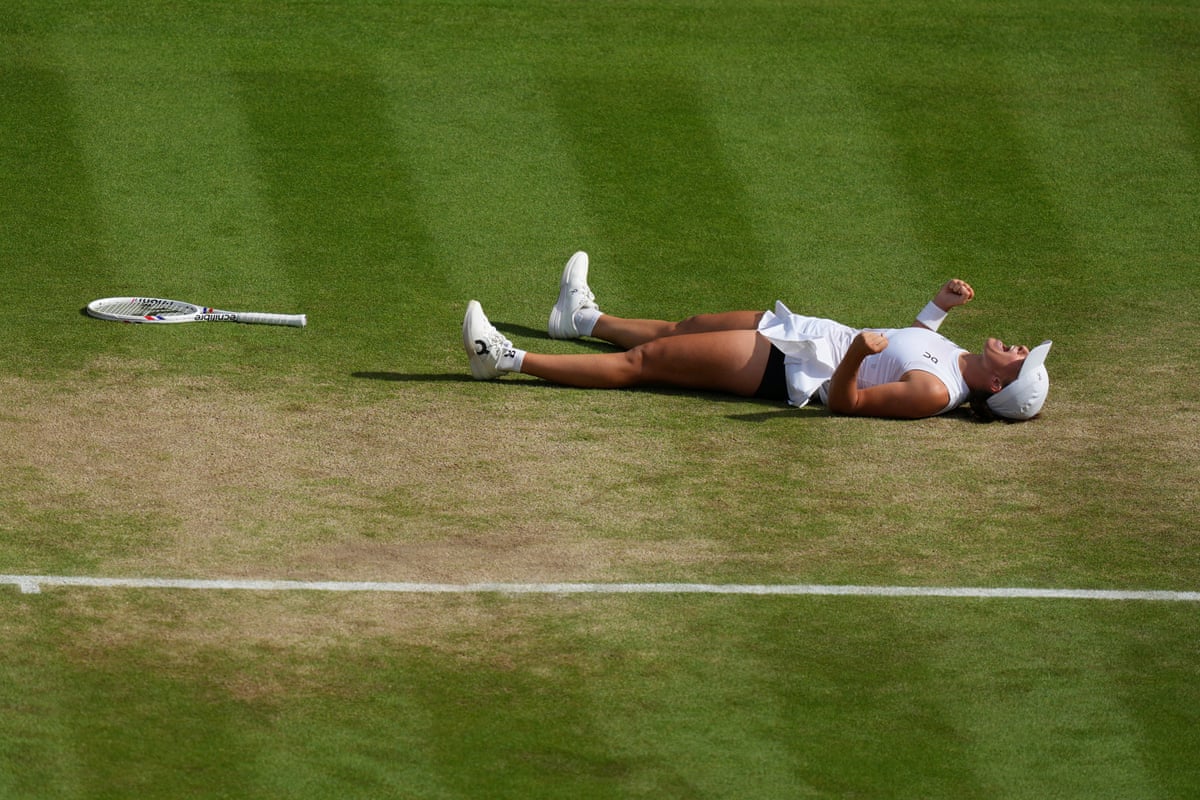
Despite this success, anxiety surrounding her game resurfaced strongly. While she remains one of the most consistent players on tour, her stress in high-pressure matches has been evident.
Challenges in Partnership with Wim Fissette
Swiatek’s collaboration with coach Wim Fissette began amid the doping controversy and, aside from the breakthrough summer of 2025, has been fraught with difficulties. Fissette aimed to develop Swiatek into a more balanced player, but her mental state has limited her ability to embrace and implement these changes fully.
Support System and Future Direction
Attention has also focused on Swiatek’s work with longtime sports psychologist Daria Abramowicz, whose support was instrumental in her earlier successes. Swiatek has publicly rejected the negative messages directed at her and her team, acknowledging the intense scrutiny she faces as Poland’s most successful global athlete.
Despite the support network, Swiatek sometimes appears overly dependent on those around her. As she contemplates her next steps, taking full ownership of her career decisions may be crucial, with her team’s role being to facilitate her autonomy.


