

Unfiltered and Unpredictable on Court
Few experiences on the professional tennis circuit are as challenging as facing Alexander Bublik. Known for his talent and unpredictability, Bublik also has a reputation for delivering sharp insults to his opponents. Over the years, he has become infamous among Russian-speaking fans for his outspoken critiques of rivals, often questioning their rankings or harshly dissecting their games. He has not spared himself or the sport from criticism either.
“I think emotions are emotions,”Bublik explains.
“I guess it’s just we live in a world where everyone tries to fake and I think there’s nothing wrong in just releasing your emotions in a way because it’s a stressful sport. We travel a lot, we play a lot, there’s a lot of things on the line so occasionally, if you release it, I guess there’s nothing wrong with that.”
When asked about the honesty of tennis players in public, Bublik offers a candid view:
“I guess the entire social media is fake, so I guess all the people who are there pretending to be someone they’re not. I guess it’s fake.”
From Career Low to Career High
The past year has been the most successful period in Bublik’s career, a stark contrast to where he was 12 months ago. At that time, he had dropped out of the top 80 and was forced to compete on the ATP Challenger circuit due to poor form. This marked a new low for a player often seen as an underachiever.
“No one wants to be 80 in the world,”Bublik admits.
“It’s a little step in my career. I’ve never been there. I guess I was out of the top 50 for the first time in seven years. So for me, it was a hit.”
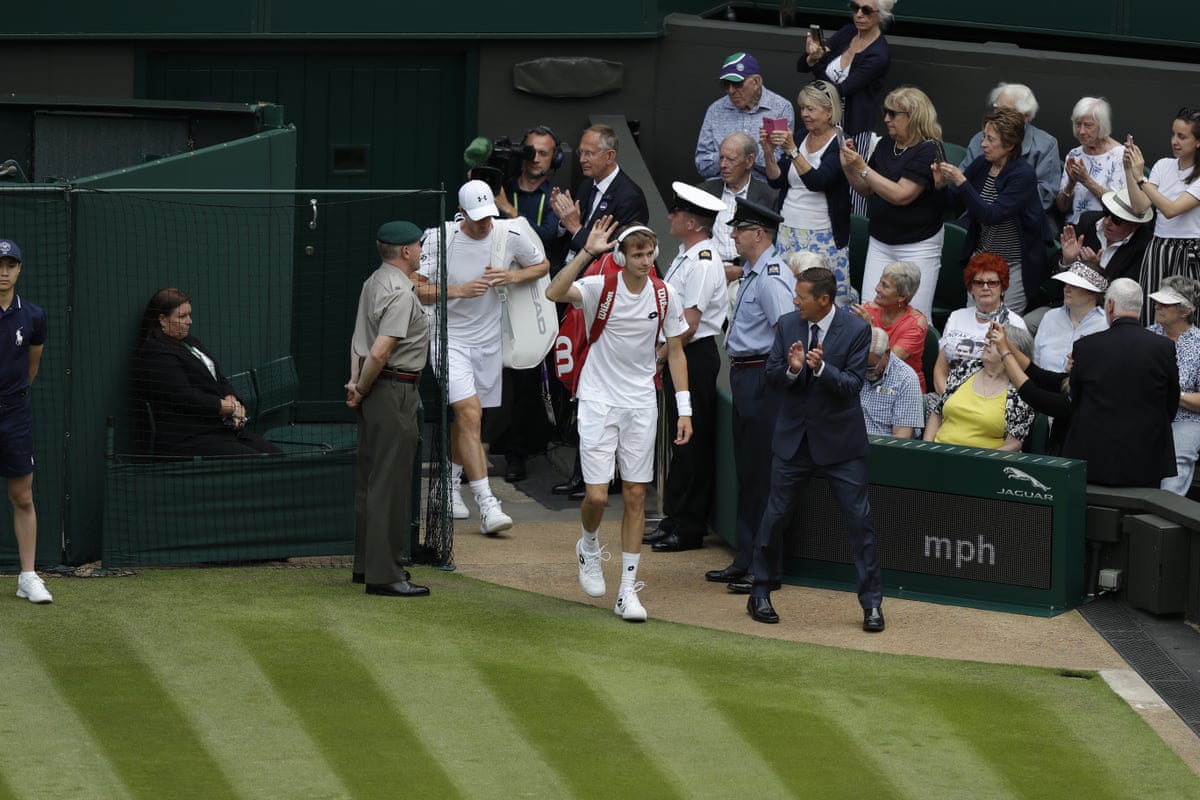
Throughout much of his 20s, Bublik openly expressed disinterest in tennis beyond financial gain. He was unapologetic about his inconsistent commitment, poor diet, and lack of professionalism. A notable example occurred early in his career at Wimbledon 2017. After entering the main draw as a lucky loser, Bublik returned to St Petersburg, spending his days there and arriving in London only a day before facing Andy Murray, the world No 1 and defending champion. He lost in straight sets.
Despite these setbacks, Bublik’s talent enabled a rapid transformation once he committed fully. He ended last year’s clay-court season by defeating top players Alex de Minaur and Jack Draper, ranked No 9 and No 5 respectively, en route to his first Grand Slam quarter-final at the French Open. He then defeated world No 1 Jannik Sinner to win the ATP 500 title in Halle. With five titles in the past year, the 28-year-old broke into the top 10 for the first time in January and currently holds the No 11 spot.
Challenges of Maintaining Success
Reaching the top 10 is a significant achievement, but maintaining that level consistently is a tougher challenge. Bublik’s recent 4-6, 6-3, 7-5 loss to 19th seed Learner Tien in the third round of the Italian Open illustrates the difficulty of defending a high ranking. Top players face constant pressure as targets for others, while those lower-ranked can play with more freedom.
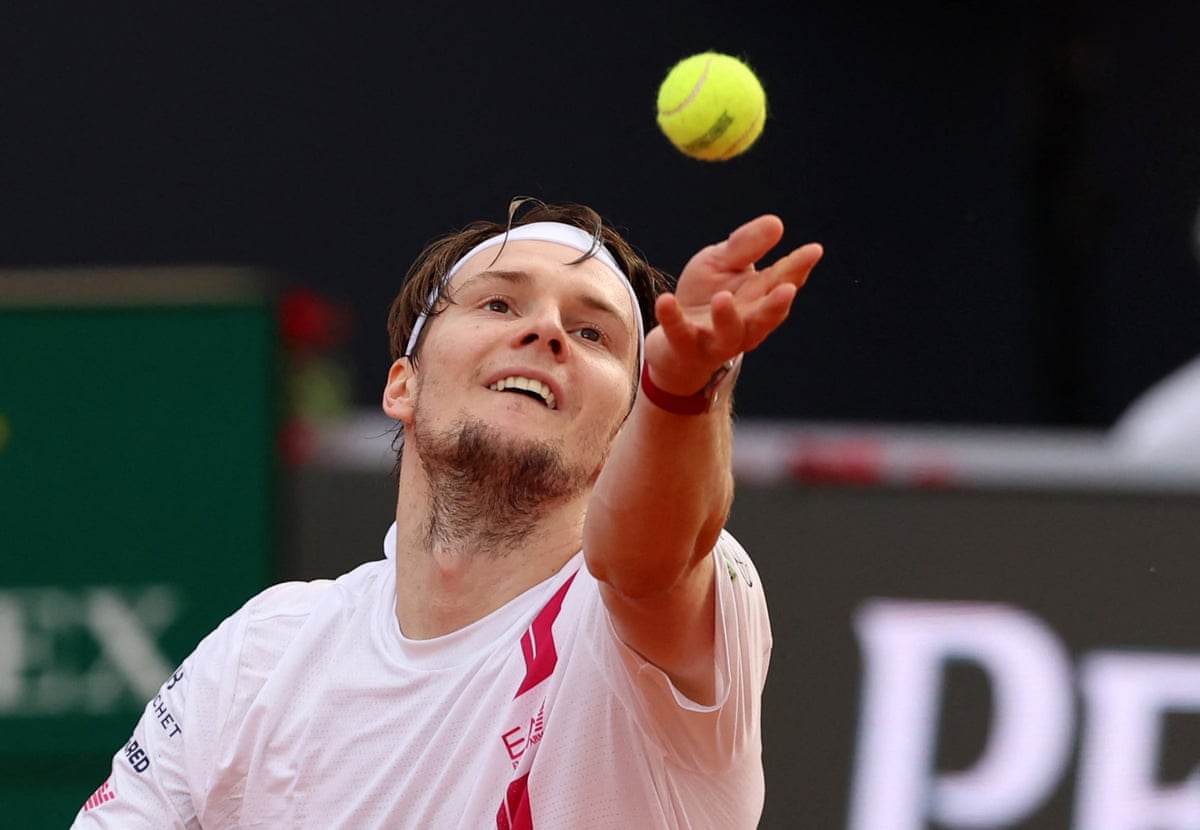
In the coming months, Bublik will have many ranking points to defend, including at Roland Garros, where he experienced one of the most memorable moments of his career last year. How he manages these pressures will be telling.
Unfiltered Opinions on Doubles and Money
Bublik remains outspoken off the court as well. In a recent interview with Bounces, he expressed disdain for doubles specialists, dismissing doubles as "not real tennis." When asked why, he responded bluntly:
“Because they’re doubles players,”adding,
“It’s not tennis. It’s half tennis. If you can’t play singles, you play doubles. If you can’t play doubles, you play padel. Very simple.”
Unlike many millionaire players who avoid discussing earnings, Bublik speaks openly about money. Early in his career, he recognized he might not compete for the biggest trophies but could still earn substantial wealth to invest in his career.
“I think you realise that quickly once you start making your first money playing tennis that it’s a big business,”he says.
“It’s nice to win trophies, it’s nice to be playing in a beautiful arena, it’s all nice but at the end of the day you got to pay yourself and I think that was the very first motivation that I had when I became a professional tennis player.”
Finding Meaning in Tennis
Bublik’s motivation has evolved. He credits his recent success to viewing tennis as work and applying himself daily. This shift led to a surprising outcome: after years of expressing disdain for tennis, he found enjoyment and purpose in the sport. The next challenge is maintaining his high standards amid the pressures of his newfound success.


