

Alcaraz's Gruelling Schedule and Injury Concerns
Smart scheduling is essential for longevity and injury prevention, a lesson Carlos Alcaraz has learned through experience. The Spanish tennis star’s defence of his Monte Carlo Masters title concluded two Sundays ago after a hard-fought two-set loss to his rival Jannik Sinner. While many players would have taken a break following such an intense week, Alcaraz chose a different path. Less than 24 hours after the final, he returned to Spain to participate in the Barcelona ATP 500 event, immediately engaging in promotional activities. The next day, after his first practice session, he took to Pista Rafa Nadal for his opening match.
However, by the following day, Alcaraz was forced to withdraw. He had experienced pain in his right wrist during his first-round match, an injury later revealed to be more serious than initially anticipated. The 22-year-old’s return date remains uncertain, and his participation at Roland Garros is in doubt. He currently wears a bulky immobilisation cast on his right wrist while awaiting further medical tests.
The image of Alcaraz sorrowfully addressing the media about his withdrawal was not unexpected. This marks the third consecutive year he has suffered injuries during the clay-court season. In 2024, a forearm injury compelled him to withdraw from all pre-French Open clay tournaments except the Madrid Open, where he visibly played through pain in front of his home crowd. The previous year, multiple leg injuries during the Barcelona final forced him to withdraw from Madrid once again.
Alcaraz’s injuries have been a source of frustration for both himself and the tournaments, which have not seen him fully fit since he held only one Grand Slam title. His extraordinary talent and resilience are evident in his back-to-back French Open victories.
Risky Scheduling Amidst Physical Challenges
Given the frequency of injuries in his young career, it seemed risky when Alcaraz and his coach, Samuel López, planned a demanding clay-court schedule for 2026, aiming to compete in Monte Carlo, Barcelona, Madrid, Rome, and Roland Garros. Even if he had completed Barcelona in good condition, physical issues could have emerged in Madrid, Rome, or Roland Garros during the extended clay season.

While many players were finalising preparations for upcoming tournaments, Alcaraz returned to Murcia. He shared a photo of himself relaxing in his living room, surrounded by numerous trophies. This quiet period at home during the clay season may offer a moment to reconsider challenging scheduling decisions necessary to maintain his health.
Alcaraz is already regarded as an all-time great with limitless potential. However, smart scheduling is crucial for career longevity and injury prevention, and he has occasionally suffered due to imprudent planning. This situation should serve as a wake-up call. Monte Carlo is a prestigious tournament, and Barcelona holds significant sentimental value for Alcaraz—his determination to participate in both is understandable. Yet, considering his recent physical setbacks, it appears prudent for him to choose between these events in the future.
Impact on the Tour and Competitive Landscape
The absence of the tour’s most dynamic player leaves a significant void in each event. The emergence of Alcaraz and Jannik Sinner as dominant forces has been a remarkable development, especially given their youth. However, this dominance has not produced the most thrilling start to the ATP season. The vast gap between the top two players and the rest of the field has reached almost comical proportions, both in terms of the 7,795 ranking points separating Alcaraz, ranked No. 2, from No. 3 Alexander Zverev in the ATP live rankings, and the disparity in their respective levels.
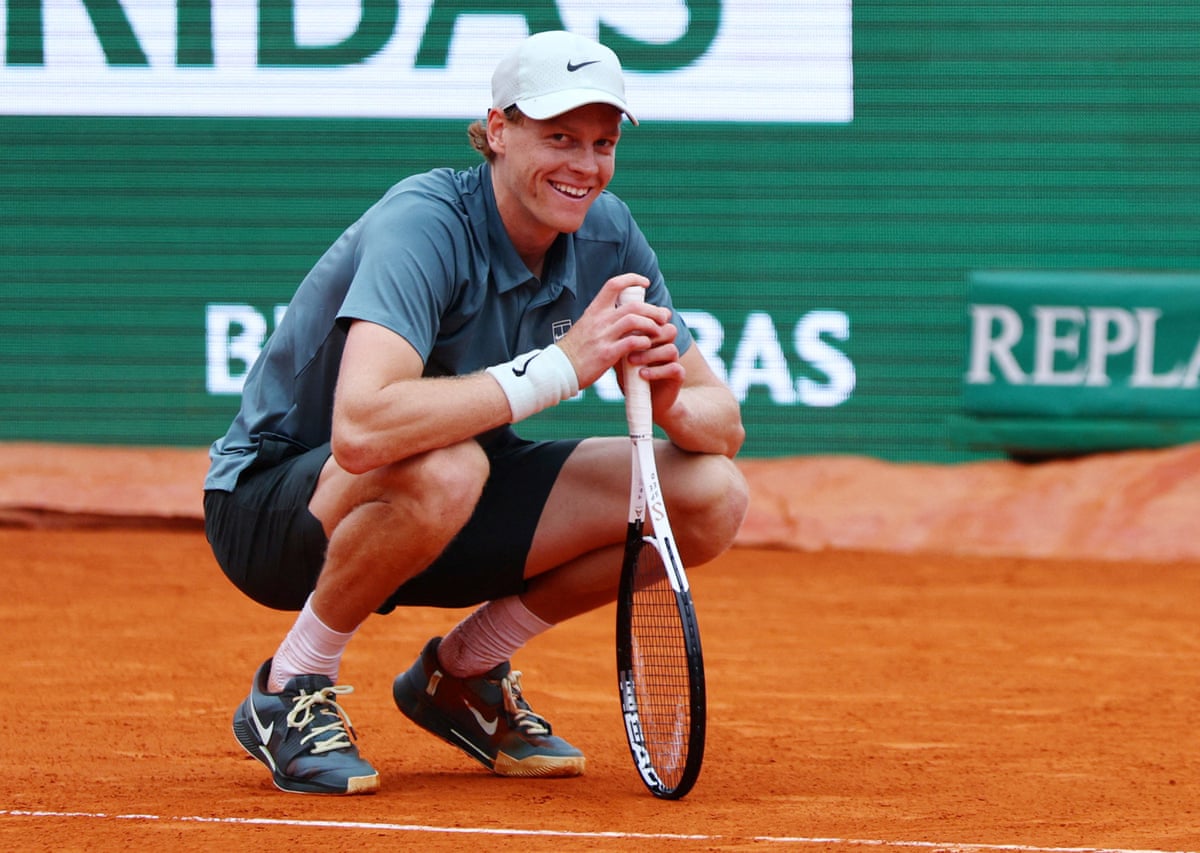
There is now an expectation among fans and players that Alcaraz and Sinner will frequently meet in finals. However, not every match between them can be a classic. A less exciting final, such as the recent Monte Carlo encounter, can overshadow an entire tournament due to the high anticipation surrounding their meetings from the early rounds. When either player fails to reach a final, the other often capitalises. Notably, Sinner has never reached the semi-finals in Madrid, where the altitude presents unique conditions, yet he remains the favourite to claim his fifth consecutive Masters 1000 title.
The responsibility falls on the rest of the field to close the gap, consistently challenge the top two, and develop their own compelling rivalries with the world’s best. Alcaraz’s absence in Madrid is a significant loss for the tournament, the tour, and the player himself, but it also presents an opportunity for other talented players eager to seize the title.


