

Early Challenges and Introduction to Boxing
Saad Abdullah faced frequent bullying during his childhood due to difficulties with his speech, often mixing up words and struggling to express himself clearly.
"It was always frustrating, because I knew what I wanted to say but couldn't always say it fluently,"
said the 21-year-old from Cardiff. Alongside communication struggles, Saad was also teased for his small stature. To help build his confidence, his father began taking him to boxing classes.
This strategy proved effective. Saad found comfort in the boxing ring, which boosted his self-esteem. Combined with speech therapy, his speech gradually improved.
He has since become a full-time professional boxer, winning his first four professional fights.
"I was always insecure and quiet - but boxing gave me my voice and my way of proving I belonged somewhere,"
he reflected.
Inspiration and Community Support
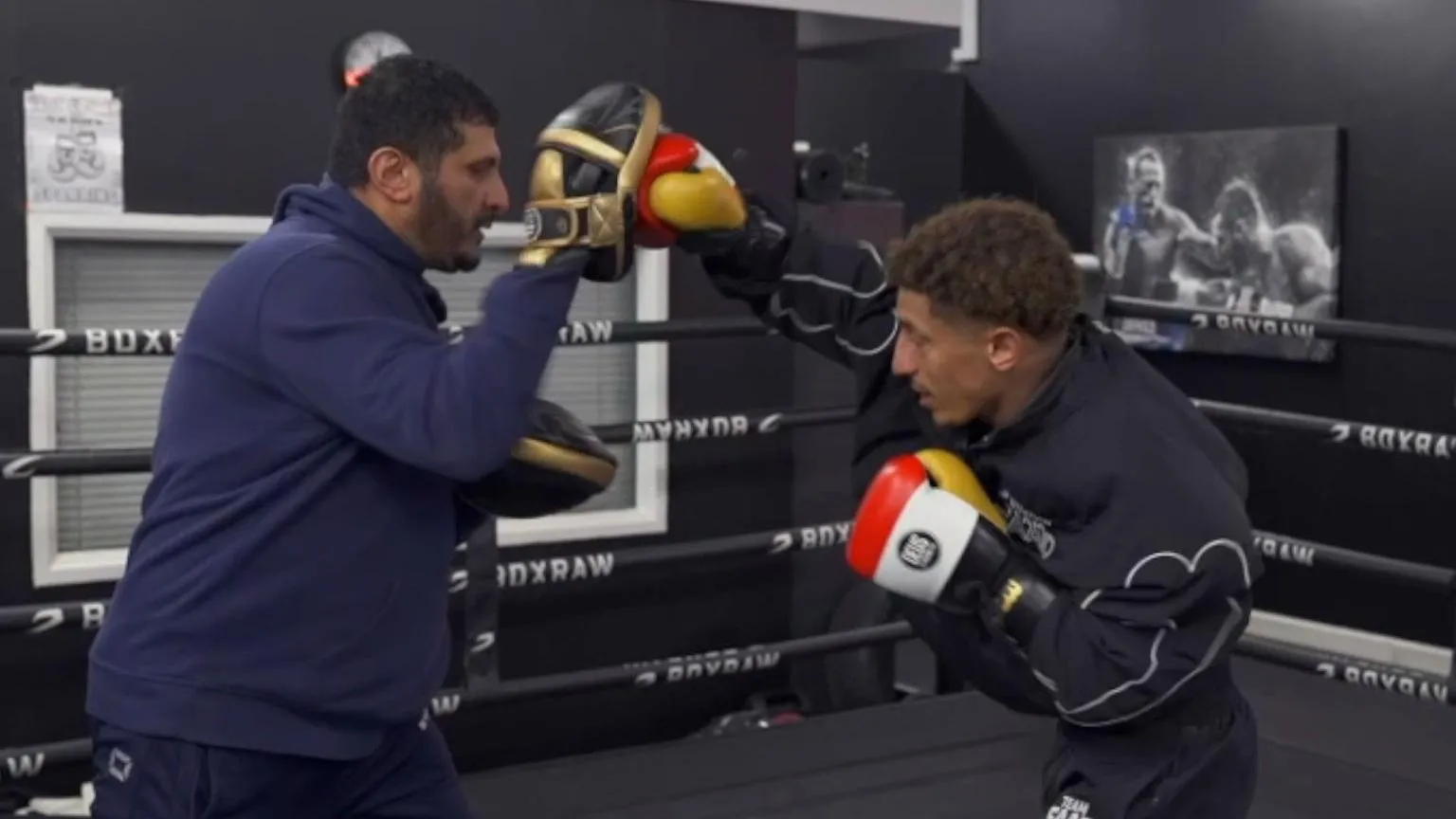
Motivated by his personal experience, Saad and his father have established a gym in Cardiff dedicated to neurodivergent children and those who struggle to focus in school or at home.
Speech Impediment and Early Boxing Experiences
Saad became aware of his speech impediment early in life, particularly when reading aloud or speaking with others, which made him self-conscious.
Having previously watched a boxing match and wanting to try the sport, his father took him to a boxing gym on his 10th birthday.
Initially, Saad felt nervous and perceived unfriendly looks from others, as if he did not belong.
"I was never the most educated kid. I was never the best footballer, and I tried other sports but it didn't work out,"
he said. However, boxing was different and provided him with a focus and dedication.
"It gave me more confidence and my purpose,"
he added.
Transition to Professional Boxing
At 18, during his second year of A-levels, Saad left school to pursue boxing full-time, turning professional the following year.

He has competed at elite amateur levels in Welsh and British boxing championships and represented Wales internationally. Additionally, he has fought numerous bouts in the United Arab Emirates.
Overcoming Challenges Through Boxing
Saad credits the difficulties he faced in childhood with helping him develop resilience in boxing.
"Struggling to express myself made me comfortable with pressure and discomfort,"
he explained.
"In the ring, that translates to staying calm, composed and focused even when things aren't going perfectly,"
he continued.
This mindset enabled him to overcome a severe leg injury that lasted several years, after which he secured important victories.
"Stepping back into that environment and performing the way I did felt special and more meaningful,"
he said, especially since many had doubted his potential.
Prosperity Boxing Gym and Support System
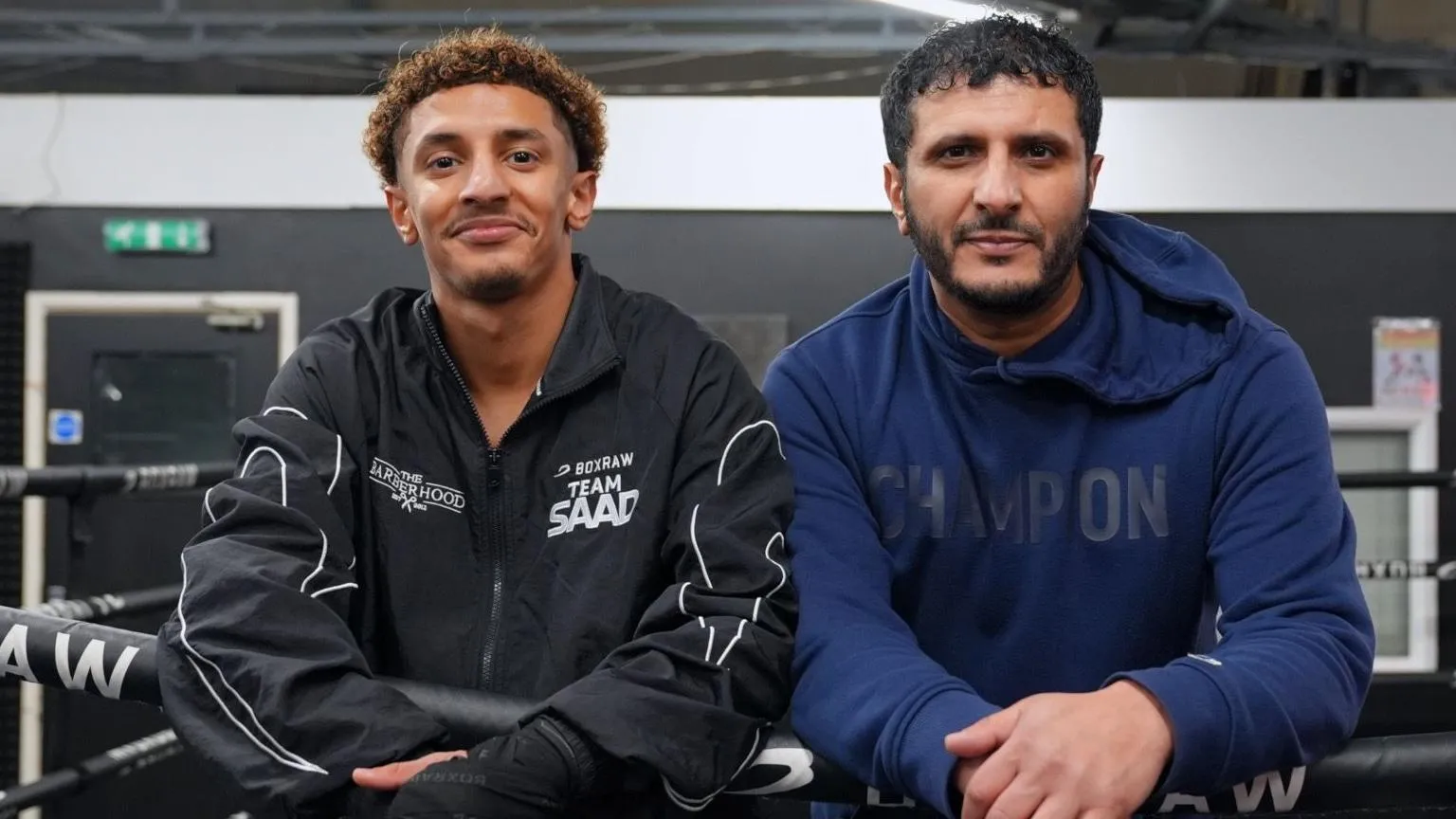
Last year, Saad and his father, Abdullah Ahmed, who also serves as his coach, opened Prosperity Boxing. The gym focuses on supporting neurodivergent children and those facing challenges.
Saad emphasized the unwavering support from his father, even during difficult periods marked by losses and injuries.
"He saw the quiet struggles, the setbacks, but he never stopped believing in me,"
Saad stated.
Ambitions and Role Model Status
Saad aims to become a multi-weight boxing champion and to sign with a major boxing agency. He also takes pride in serving as a role model for youth in his community.
"I always wanted people to look at my journey like, if he can do it, why can't I?"
he said.
"I wanted to be an example - not just for fighters but those struggling in life."
Reflecting on his past lack of confidence, Saad is gratified that children now view him as a role model.
"Boxing became a way for me to express myself without words, and that gave me confidence,"
he concluded.


