

Silverstone’s Transformation into F1’s Largest Grand Prix
Less than ten years ago, the British Grand Prix faced the prospect of vanishing from the Formula One calendar. However, this July, the event is set to make history by welcoming 570,000 attendees over four days, establishing it as the largest Grand Prix ever held.
The dramatic growth at Silverstone will be evident during this year’s race, which is expected to sell out its expanded capacity of 570,000 spectators. This figure surpasses the previous record of 520,000 set by the Australian Grand Prix in 1995 by 50,000. Within the UK summer sporting calendar, only Wimbledon, spanning two weeks, draws a larger crowd, making Silverstone the biggest event on the F1 schedule.
This remarkable turnaround in both size and demographic appeal was nearly unimaginable less than a decade ago when the British GP was at risk of disappearing entirely.
Adapting to a New Audience
The resurgence of Formula One and Silverstone’s fortunes have progressed in tandem. The circuit’s willingness to innovate and adapt has positioned it at the forefront of transforming a once-stagnant aspect of the sport into an event that appeals to a sophisticated, younger, and more diverse fan base.
Female attendance now accounts for 43% of ticket sales at the British GP. In the area dedicated to the British defending world champion, Lando Norris—the expanded "Landostand," which will accommodate 20,000 this year—women constitute more than half of the audience.
“Ten years ago people would have scoffed at the concept of nearly a 50-50 male-female split. Unimaginable,”
“This concept of value for the weekend and a blend of different types of fans is working for us.
“This diversification has been powered so successfully by the unexpected growth in popularity in . That’s raising awareness, bringing the new crowd and once they find Silverstone they love the vibe of the grand prix and we’re loving these new friends.”
Stuart Pringle, Silverstone’s chief executive, expresses pride in how the circuit has embraced and encouraged Formula One’s expanding audience.
Near Loss and Contract Challenges
Despite the current success, it is difficult to imagine now that in 2017 Silverstone activated a break clause in its contract with Formula One, allowing it to withdraw in 2019. This move reflected a very real threat that the British GP, a fixture on the F1 calendar since the inaugural 1950 season, might cease to exist.
During 2015 and 2016, the race attracted race-day crowds of 139,000 but incurred financial losses of £2.8 million in 2015 and £4.8 million in 2016. The primary issue was the escalator clause in the contract negotiated with then-F1 chief executive Bernie Ecclestone, which increased the hosting fee from £11.5 million in 2010 to £16.2 million in 2017, with projections reaching £25 million by 2026.
Silverstone deemed this financial trajectory unsustainable, prompting two years of negotiations with Liberty Media, the new rights holders of Formula One. A new agreement was finalized at the last moment, on the Wednesday before the 2019 British GP, granting the circuit renewed viability and enabling it to flourish thereafter.

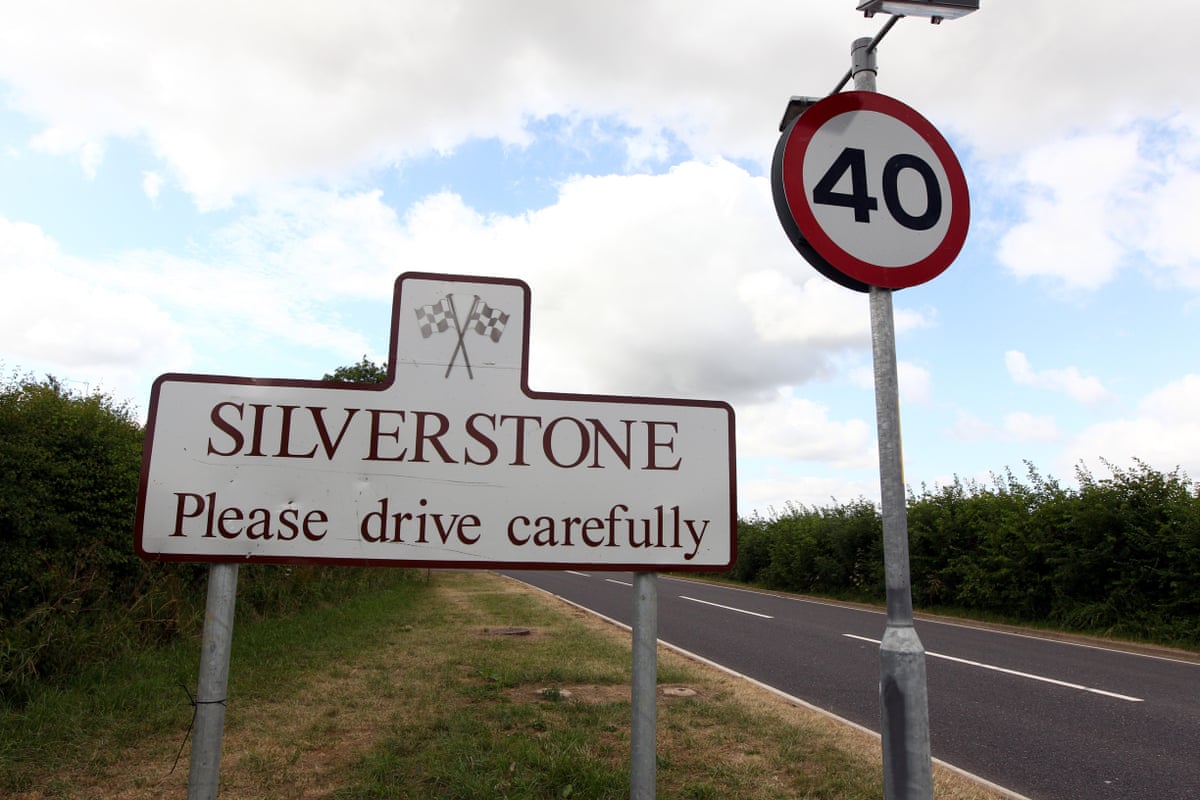
“Pulling the break clause wasn’t scary because what would have been scary was to stay on that contract,”
“Yes, there was uncertainty but it didn’t feel like it was going to be any worse where we were.”
“I inked the [new contract] signature on the Wednesday afternoon before the event started on Friday morning. It went right to the wire and that was nerve-racking.”
Pringle, who received an OBE this year for his contributions, emphasizes that the honor belongs to the entire organization. Since 2019, released from the constraints of a financially burdensome contract, Silverstone has elevated the event significantly.
Evolution into a Destination Event
Aligned with Liberty Media’s strategy to transform Formula One races into destination entertainment events, Silverstone embraced this vision. The circuit navigated the challenges posed by the COVID-19 pandemic and capitalized on the surge in popularity driven by the Netflix series "Drive to Survive," adapting to the evolving and expanding audience.
The British GP has evolved far beyond the days of a few spectators gathered on a grassy knoll with a burger van nearby. It now resembles a motorsport equivalent of Glastonbury, featuring a wide array of music, entertainment, food, and facilities designed to enhance the overall experience beyond the 90-minute race. While traditionalists may criticize these developments, attendance figures clearly demonstrate their success.
Diverse Entertainment Offerings
This year’s entertainment lineup is extensive. Musical highlights include performances by David Guetta, Richard Ashcroft, Chase and Status, and James Arthur, complemented by late-night DJ sets from John Newman, Rudimental, Pendulum, and MK. The event also features a darts night with players Luke Humphries, Michael Van Gerwen, Fallon Sherrock, and Luke Littler; a comedy tent showcasing Lou Sanders and Paul Chowdhry; and a big top stage catering to families.
Addressing Logistics and Infrastructure
Silverstone has also tackled logistical challenges that once plagued the event, particularly traffic congestion, which was once considered among the worst on the F1 calendar. The circuit now employs 600 double-decker buses as part of its park-and-ride and rail-and-ride schemes to transport an anticipated 167,000 attendees. Camping facilities have been expanded to accommodate 60,000 people around the circuit.
These operational improvements extend to less glamorous but essential aspects such as managing restroom queues during peak times before and after races, contributing significantly to enhancing the overall spectator experience and value.
Ticket Pricing and Value Debate
The event’s popularity has driven increased demand, leading to controversy over ticket prices, which have risen substantially compared to a decade ago.
Pringle robustly defends the pricing strategy, noting,
“Having been part of the government’s dynamic pricing inquiry he notes that 60% of customers who buy early tickets pay less than the average and less than if it was legislated to have a flat ticket price.”
For example, a three-day general admission ticket initially sold for £269 and now costs £419.
While acknowledging that ticket prices have increased, Pringle points out that this trend is common across all popular Grands Prix. Few events offer the scale and quality of experience that Silverstone currently provides and plans to continue delivering.
“We’re committed to putting value into the ticket for the fans,”
“We’re doing pretty well at getting the right sort of thing so that there’s something in it for everybody.”


