

Mercedes' Dominance in Australia and Energy Management Edge
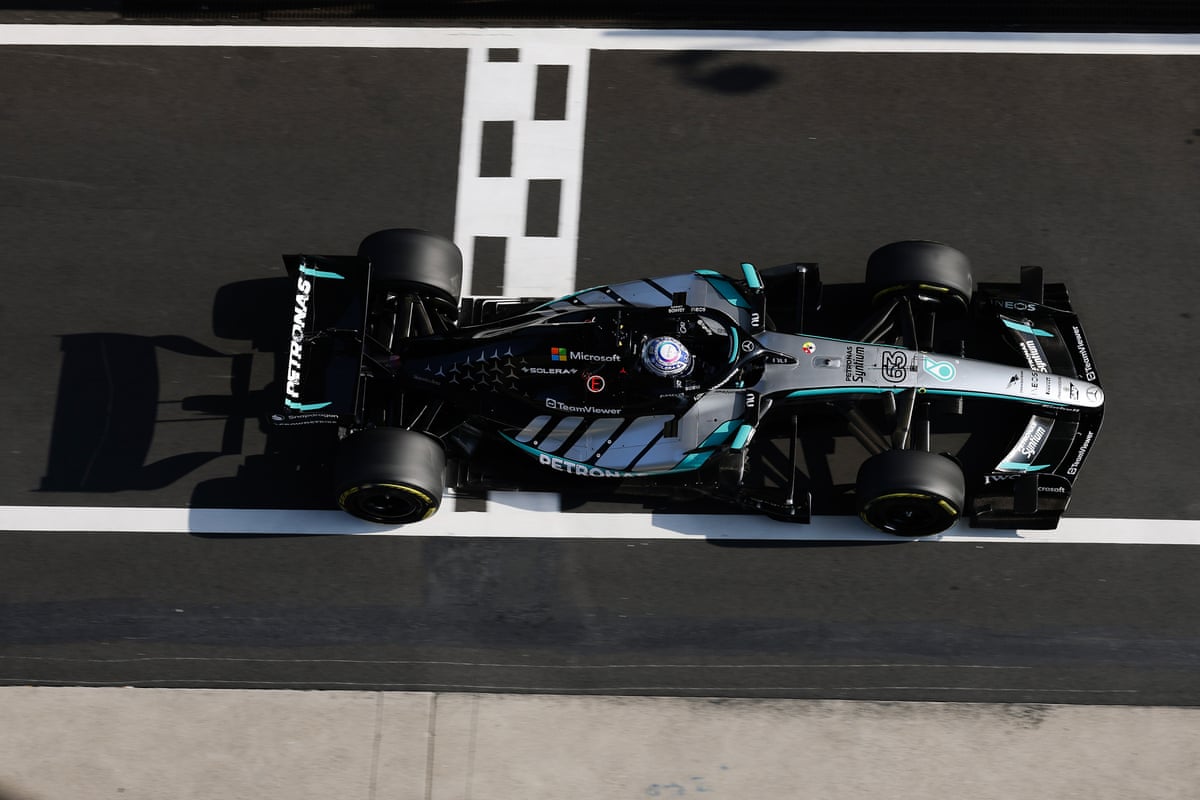
George Russell and Kimi Antonelli secured a one-two finish at the Australian Grand Prix, highlighting Mercedes' mastery of energy management under the sport's new regulations. As Formula 1 teams adapt to controversial changes, Mercedes is widely expected to maintain their advantage in the upcoming race in Shanghai.
Russell outpaced his nearest competitor, Red Bull's Isack Hadjar, by eight-tenths of a second in qualifying and finished the race 15 seconds ahead of third-placed Charles Leclerc, even easing off in the final third of the race. Both Russell and Antonelli were the fastest qualifiers for Saturday's sprint race in China, performances that earned recognition from their rivals.
To illustrate the gap, last year's world champion Lando Norris qualified nearly a second slower than Russell in Australia and finished fifth, over 50 seconds behind. This significant difference is notable given that McLaren uses the same Mercedes engine as the works team, as regulations require customer engines to be identical to those of the manufacturers.
Despite sharing engines, Mercedes extracts more performance, a key factor in the new season. Central to this is the critical role of energy management, which has become a defining element of speed in Formula 1's 2026 era.
The Importance of Energy Management in the New F1 Era
Formula 1's shift to engines with an almost 50-50 split between internal combustion and electrical power aims to attract new manufacturers. With limited electrical energy available, strategic deployment and recharging of this energy are as crucial as the power output of the internal combustion engine. Mastery of this balance is essential for competitive speed.
Albert Park in Melbourne, characterized by high speeds and few braking zones, is described as an "energy-starved" circuit in this context. Limited opportunities to recharge the battery required meticulous energy management, an area where Mercedes excelled.
Mercedes' extensive engine development has given them a superior understanding of the software controlling energy use, a knowledge gap for customer teams like McLaren and Williams. Andrea Stella, McLaren's team principal, remarked:
"In a way, this is a new language and also a new way of thinking."
Optimizing energy deployment and recharging during a lap is now as vital as aerodynamic advantages were under previous regulations. Precise timing in reaching peak battery charge enables full power deployment on straights, reducing the need to lift and coast earlier. These small gains accumulated, as demonstrated when Russell, free from competition with Leclerc, managed his energy to open a substantial lead.

Mercedes is not withholding information from customer teams but benefits from greater experience with the engine, a learning curve for rivals. Stella's comment about the "new language" underscores this challenge.
Rivals and the Challenge Ahead
Ferrari and Red Bull, also engine manufacturers, are expected to leverage their development experience to close the gap. Mercedes' chassis remains exemplary, while McLaren struggles aerodynamically, as Norris has acknowledged.
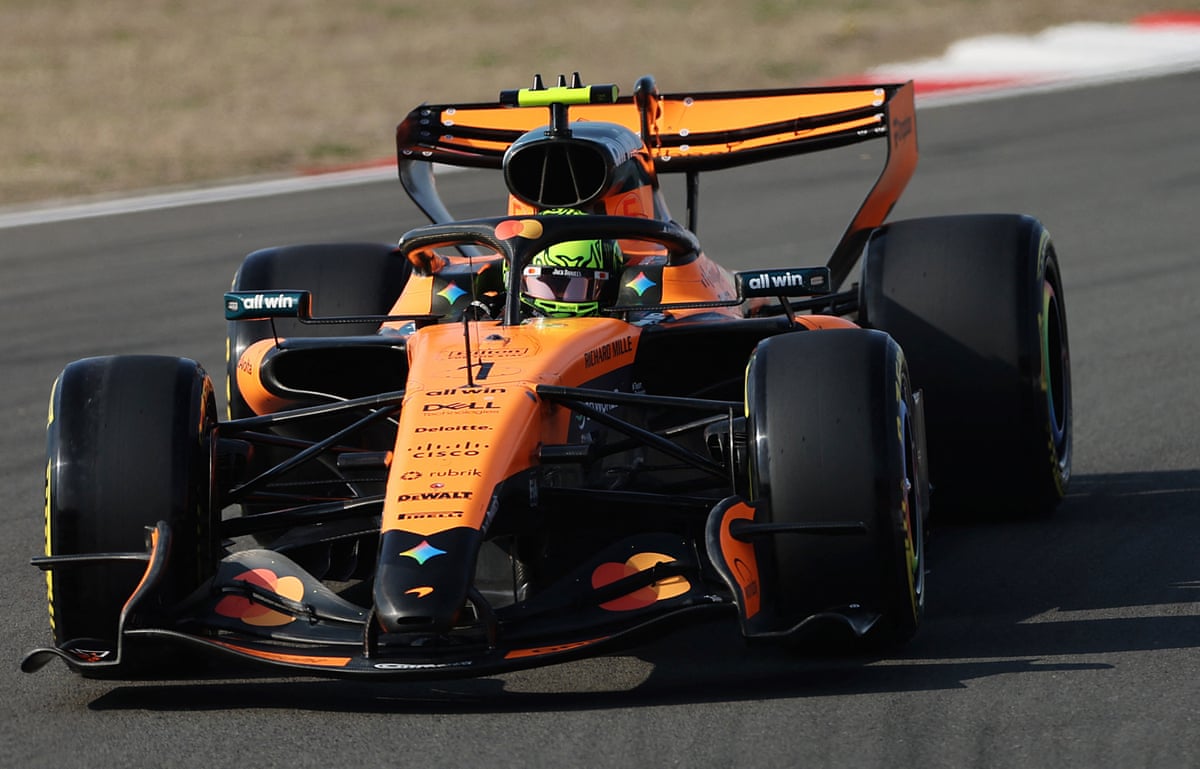
Norris admitted the McLaren car is not yet at the required aerodynamic level, facing difficulties in corners and excessive front tyre wear.
Driver Adaptation and the New Driving Paradigm
Energy management demands rapid adaptation from drivers. Russell demonstrated proficiency in this area, gaining an advantage even over Antonelli in identical cars. Norris emphasized the increased focus on how drivers manage the power unit:
"You can still make a difference as a driver by driving the power unit in the correct way but not by necessarily driving the car in a much better way."
McLaren's Oscar Piastri highlighted the significance of energy optimization:
"The difference you can make by optimising the power unit is an order of magnitude bigger than anything you can do with the setup of the car."
Looking Ahead to the Chinese Grand Prix
The upcoming race in Shanghai will be closely watched to assess how these factors influence performance. Discussions on potentially adjusting rules related to energy management are anticipated after the event.
Shanghai offers a contrasting circuit profile to Melbourne, featuring heavy braking zones and medium-speed corners, making it "energy-rich" with ample recovery opportunities. Energy deployment will be critical on the long back straight leading to turn 14, providing a different but equally informative test.
Mercedes currently holds a clear advantage, and their performance in China will reveal the extent of their lead.


