

Atypical Teenager on the Fast Track
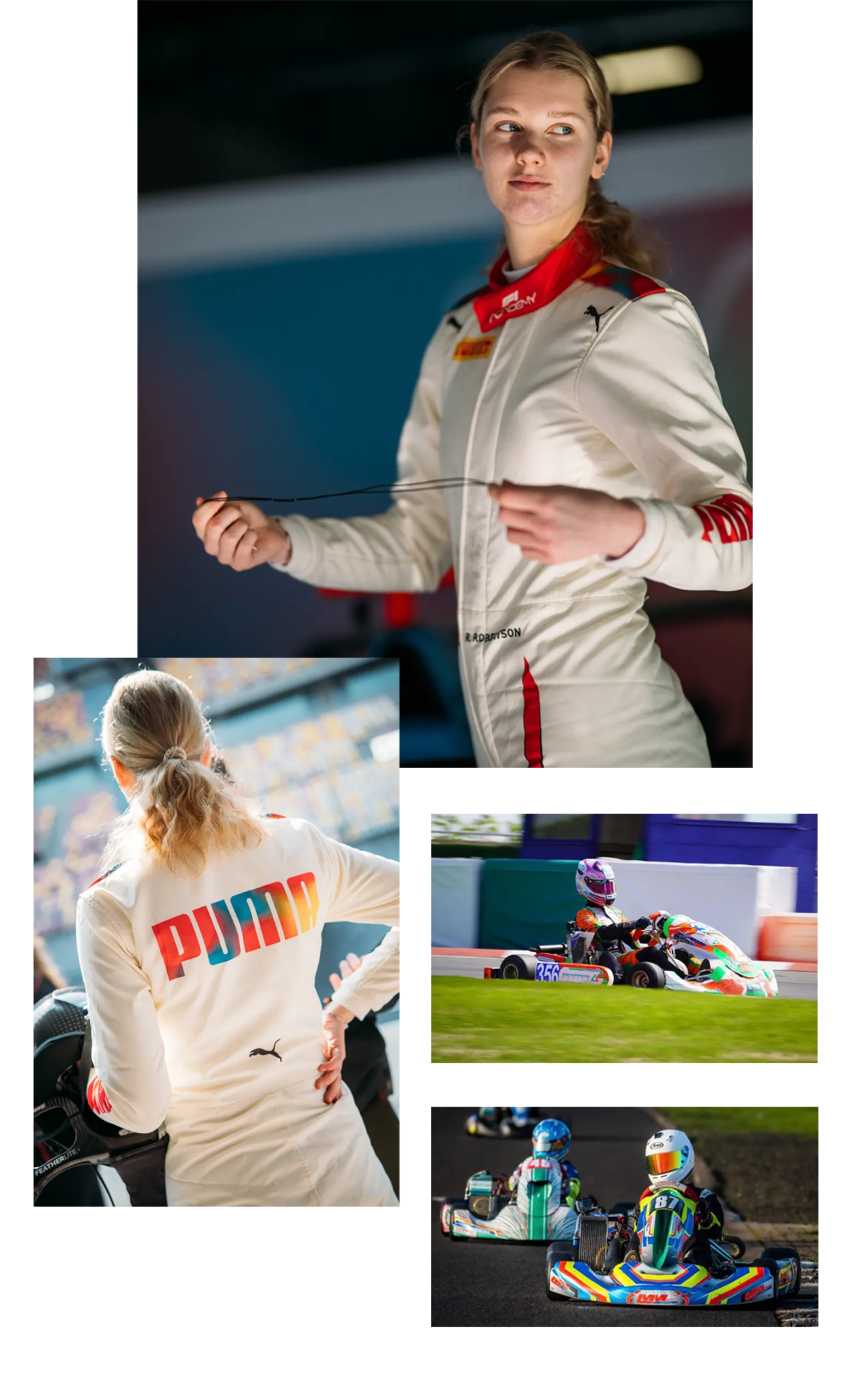
In many respects, Rachel Robertson resembles a typical British teenager. She spends her free time meeting friends for lunch and attends college in southern England near her family home.
However, one aspect sets her apart: when she dons her racing suit and takes the wheel of a sleek, 174-horsepower race car, surrounded by the scent of petrol and the screech of tires, Robertson ranks among the fastest drivers worldwide.
The 18-year-old is part of an elite group of women making inroads into motorsport, a field historically dominated by men and substantial financial backing.
Robertson competes in F1 Academy, a female-only racing championship established by the Formula 1 Group. Her ambition is to become the first woman in 50 years to qualify for Formula 1, the globe's most popular annual sporting event.
Early Challenges on the Track
Beginning her journey in go-karting at age 14, Robertson often found herself the sole female competitor on the track. She recalls racing against boys who frequently regarded her as a nuisance rather than a serious rival.
"A lot of the time in their head, [they think] 'Oh, it's just a girl in front of me, I'll just put her off track'."
She also notes that those same boys were often silent when she crossed the finish line ahead of them.
"They don't want to acknowledge that you're actually better," she says. "If you lose to a few of them, then they'll be like, 'That was good'. But if you win? They will not say anything."
Shared Experiences from Fellow Drivers
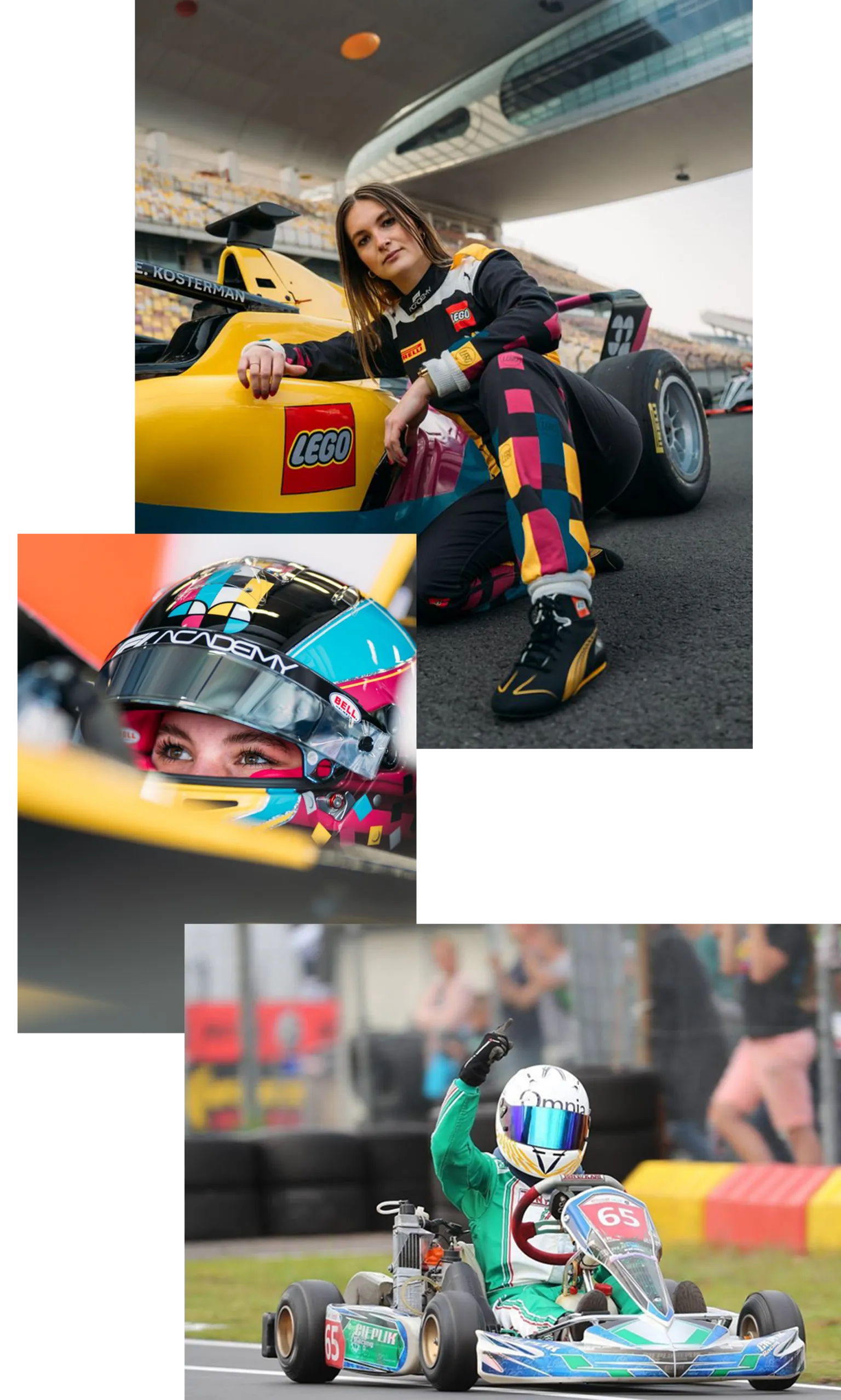
Dutch driver Esmee Kosterman shares a similar narrative. The 20-year-old recalls competing against boys who were not always welcoming.
"They'd always tell me, 'It's not for girls' and 'it's not your sport'. They'd make fun of it,"she says.
Kosterman's passion for racing began at age six. While her mother transported her to dance recitals, her motorsport-enthusiast father took her brother to the local race circuit.
"I told my parents, 'I don't want to dance, I want to go as well, on the circuit - driving!' And there it all started,"she recalls with a laugh.
F1 Academy: A Platform for Female Drivers
Robertson and Kosterman are among the drivers competing in F1 Academy's inaugural season, benefiting from mentorship by more experienced peers.
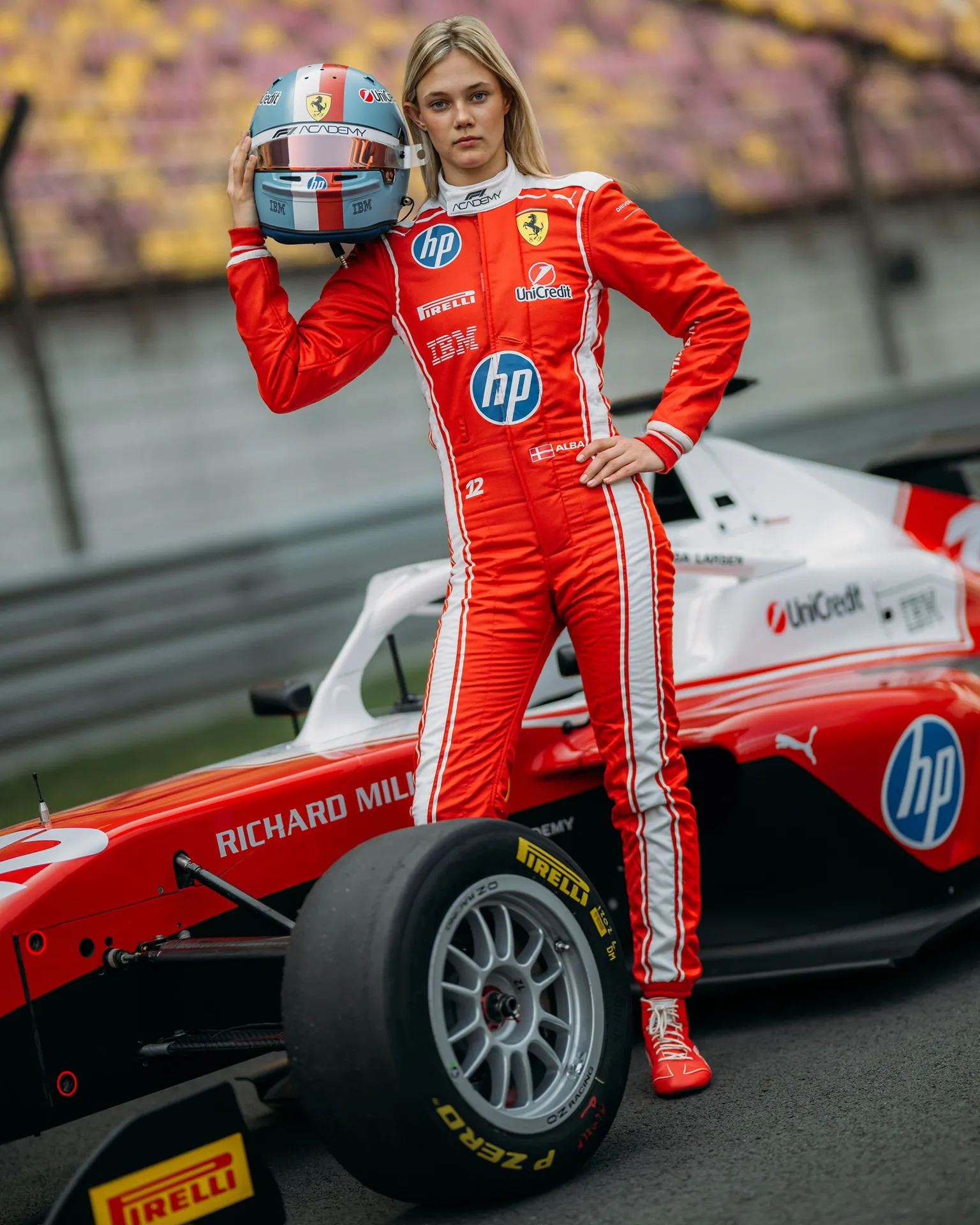
Alba Larsen, now in her second year in F1 Academy, has secured the prestigious seat sponsored by Ferrari, motorsport's largest powerhouse. The 17-year-old from Denmark reflects on her unexpected journey.
During the 2020 Covid-19 lockdown, when most sports were halted due to social distancing, Larsen was invited by a friend to try go-karting. This was a departure from her usual handball activities but ignited a passion within her.
She vividly recalls the tactile sensations of the track, the smell of burning rubber, and the force pushing her head backward as she accelerated.
"I wasn't going very fast… but I just remember such an adrenaline rush,"she says.
"You have all these emotions - and I think that's when I really fell in love with driving."
Larsen admits she never envisioned a career in racing, as she saw few women competing at the highest professional levels.
Addressing Gender Disparity in Motorsport
F1 Academy aims to tackle this issue. Motorsport is among the few sports where men and women can theoretically compete equally. However, the upper echelons are overwhelmingly male-dominated, often due to financial disparities.
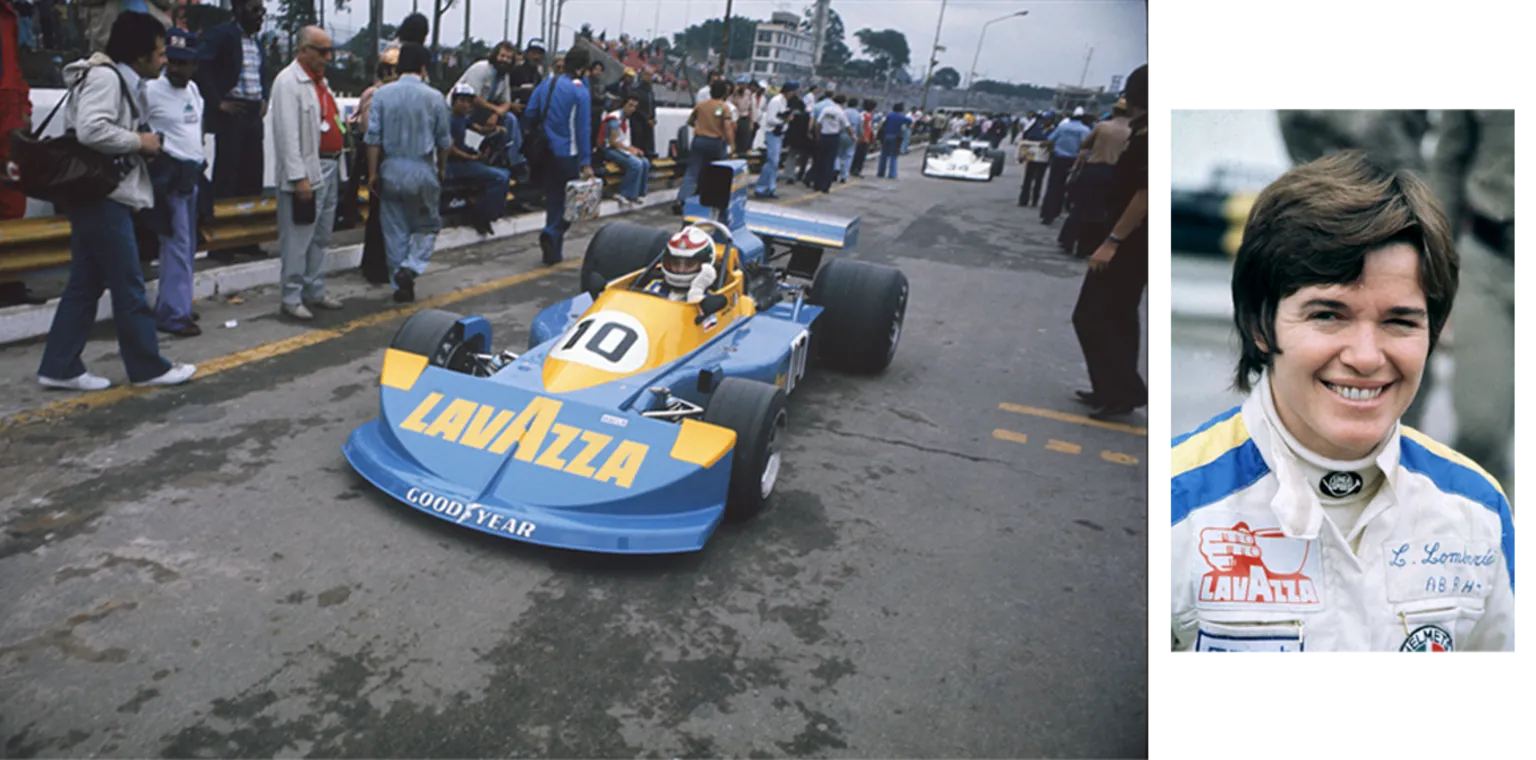
The last woman to compete in a Formula 1 race was Italy's Lella Lombardi in 1976.
According to recent studies, women constitute only about 10% of motorsport drivers. Female participation peaks at 13% in karting, the entry point for most professional drivers, including Robertson, Kosterman, and Larsen. This percentage decreases to 7% in higher racing categories.
Founded in 2023, F1 Academy is part of a strategic initiative to reintegrate women into Formula One and expand the female driver pool.

The program functions similarly to a graduate scheme for young female drivers who have demonstrated skill in junior karting levels.
F1 Academy offers institutional support historically available primarily to men, including funding, training, and crucially, track time.
Structurally, it resembles Formula 4, the international entry-level single-seater racing category.
Participants compete in 14 races across seven rounds to claim the F1 Academy championship, which awards a fully-funded race seat in their chosen discipline.
Pressure and Limited Time to Succeed
However, drivers typically have only two years in the academy to make an impact. Those who do not meet expectations must continue their careers without this support.
"You want to show [that] out of the box, yes, you can perform,"Robertson explains.
"There is pressure that comes with that,"she adds.
Kosterman emphasizes the importance of maintaining focus due to the risk of losing her seat after the first year.
"There is no time for mistakes. You want to defend your seat,"she says,
"and if you don't you know: next year, it's not my seat anymore."
Recent rule changes allow some drivers to receive exemptions for a third season if it benefits their development.
Criticism and Challenges
F1 Academy has faced criticism. Four-time F1 world champion Max Verstappen and others have expressed concerns that the series' cars are too slow to prepare women adequately for progression to Formula 1.
Some question the rationale behind segregating female drivers into a separate category.
Larsen acknowledges the heightened scrutiny on women drivers.
"You can't make too many mistakes because then people will say, 'They're women drivers, of course that's what's gonna happen.' But that's not how it is,"she states.
"I can be aggressive too!"
Robertson is eager to learn from competing alongside other women after years of isolation.
"Women neurologically are not the same as men. There's so many differences, and how that shows when all 18 of us are driving together, I'm very curious to see,"she says.
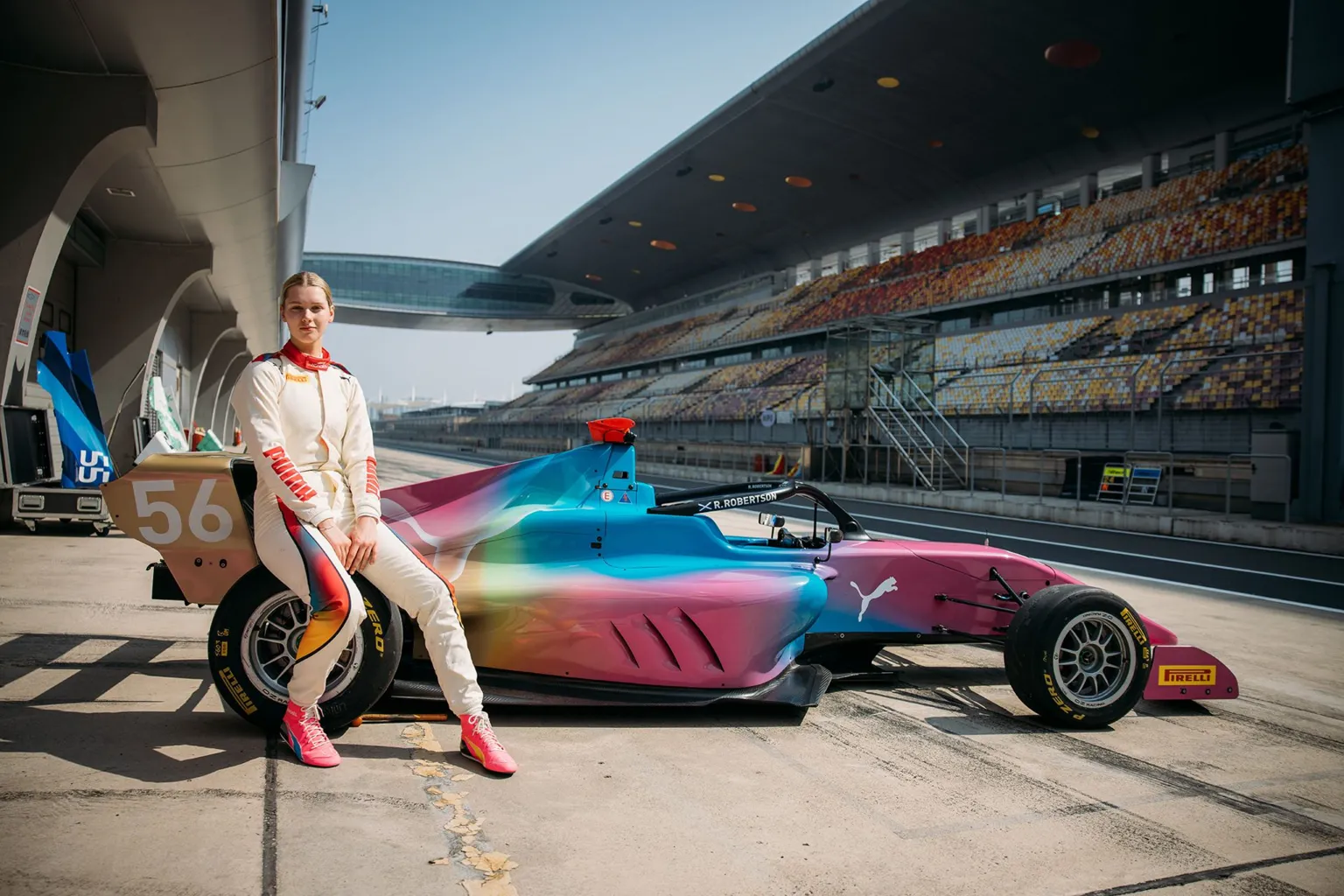
Financial Barriers and Long-Term Commitment
Financial constraints also challenge female drivers. A single racing kart can cost upwards of £7,500 ($10,000), and women often struggle to secure early investment and sponsorship, critical for sustaining a career in motorsport.
Unlike previous female-focused motorsport initiatives such as the now-defunct W Series, F1 Academy appears committed to long-term development.
The category maintains a multi-year partnership with all 11 Formula 1 teams and enjoys support from major sponsors.
Its most recent champion, France's Doriane Pin, has advanced to a development driver role with the Mercedes F1 team in 2024. The 2023 and 2024 champions, Spain's Marta García and Britain's Abbi Pulling, continue competing in regional and international championships.
Dreams of Becoming an F1 Driver
Reflecting on her aspirations, Robertson recalls her childhood ambitions.
"I remember when I was eight years old in primary school, writing on, 'what do you want to be in the future?',"she says.
"I wrote 'F1 driver.' That's the shining gold star."
The 2026 F1 Academy season is scheduled to commence in Shanghai, China, from 13 to 15 March.


