

McLaren’s Milestone at Monaco
As the engines roar through the streets of Monaco, the historic significance of this weekend’s Grand Prix in Monte Carlo is unmistakable. Regardless of allegiance, McLaren’s milestone of contesting their 1,000th Formula 1 Grand Prix commands recognition for their remarkable contribution to the sport since their debut in 1966.
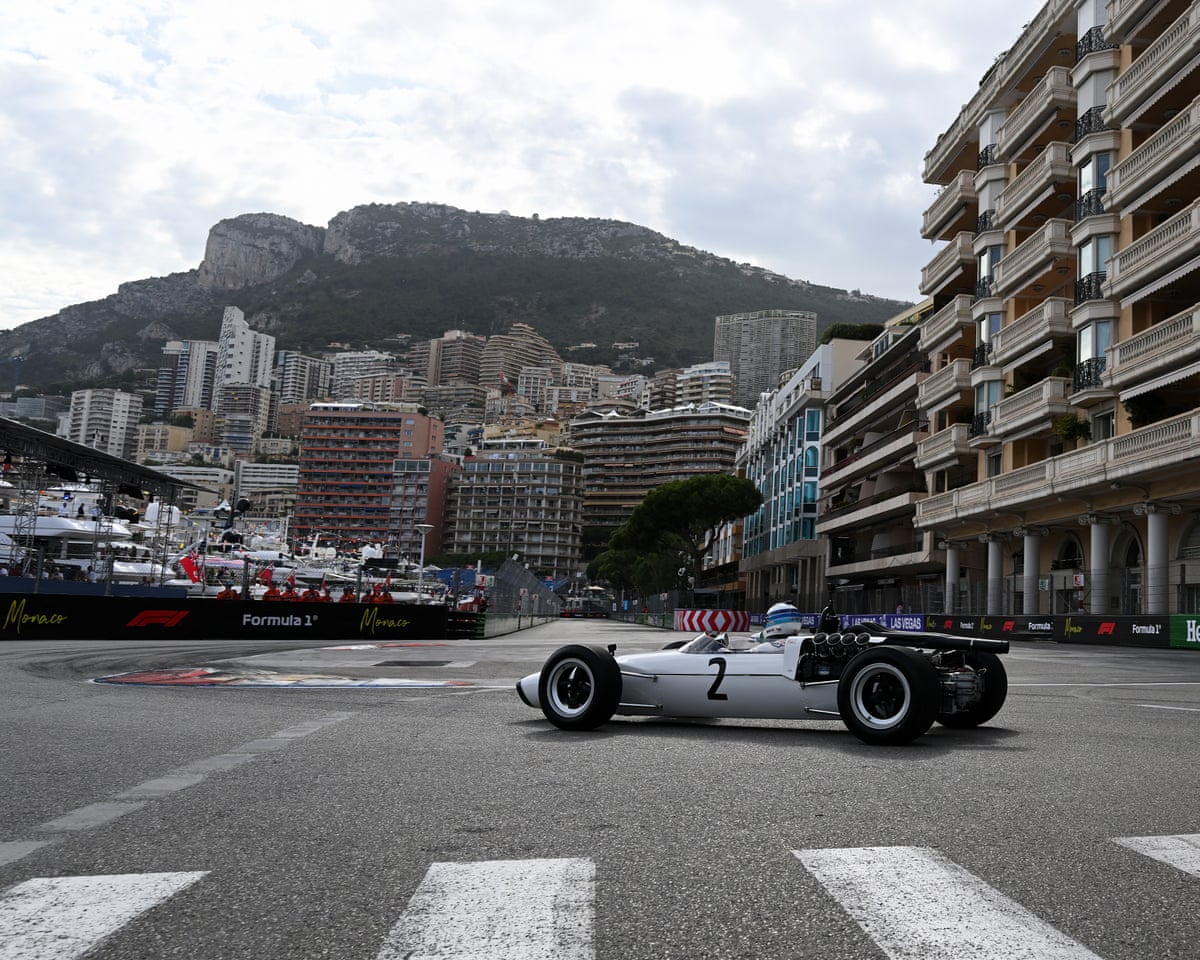
Bruce McLaren, the team’s founder, brought the first McLaren F1 car, the M2B, to Monaco in 1966. On Thursday, this iconic car was back on the track, driven by double world champion Mika Häkkinen to commemorate the team’s milestone race. Over the years, McLaren has amassed 203 victories, 13 drivers’ titles, and 10 constructors’ championships.
Humble Beginnings and Early Challenges
The journey to this impressive achievement, making McLaren the second-most successful and longest-standing team in F1 after Ferrari, began modestly. In their debut at Monaco, Bruce McLaren qualified 10th but retired after 10 laps due to an oil leak. Undeterred, McLaren’s vision for the team was only just beginning.
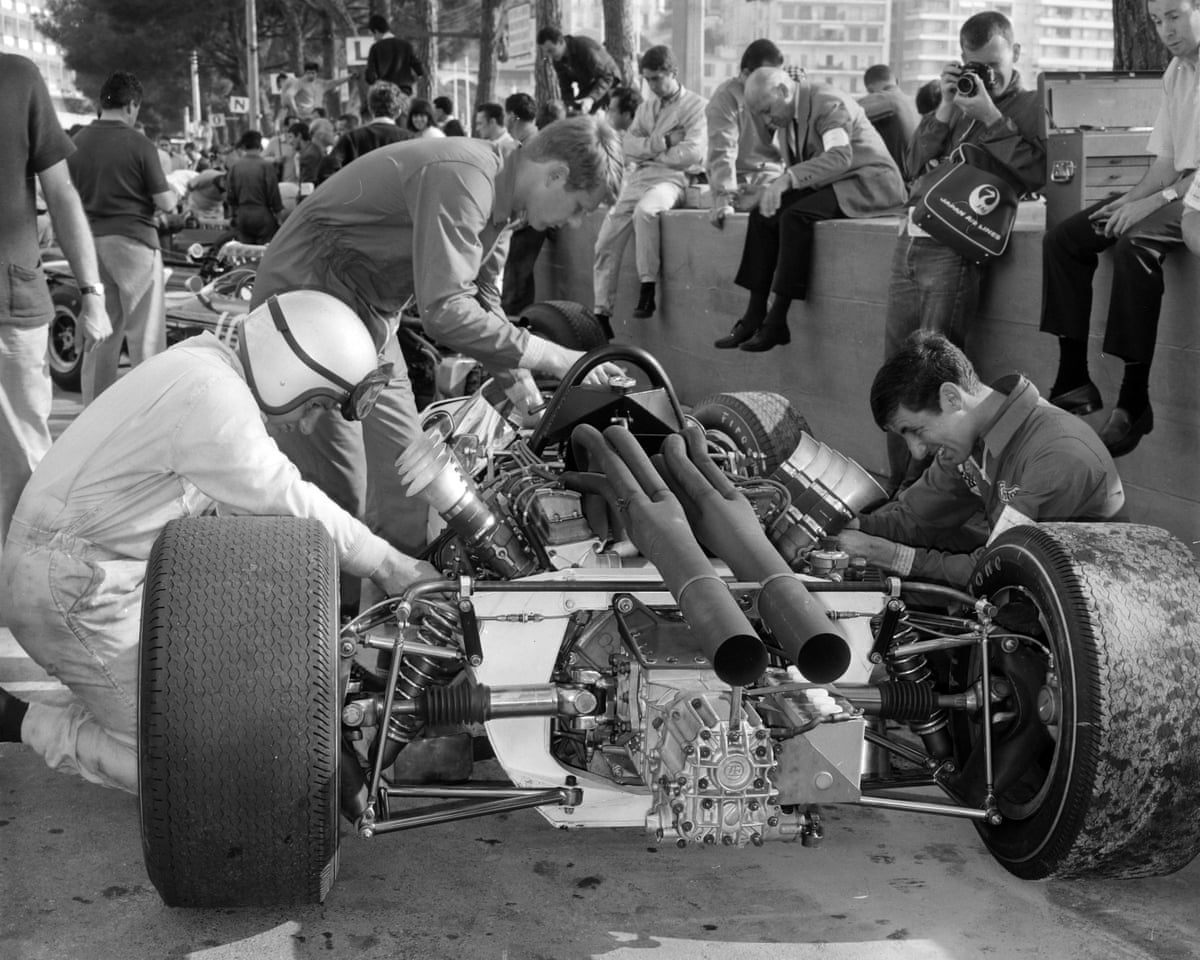
Formula 1 has always been driven by technical innovation and relentless progress. Yet, McLaren’s story is rich with human elements, such as how the team’s first car was transported to Monaco in 1966 on a trailer behind a Ford Fairlane estate.
The team initially consisted of just six people: Bruce McLaren himself; his wife Patty, who served as his assistant and official timekeeper; general manager Eoin Young; workshop leaders Wally Willmott and Tyler Alexander; and the 23-year-old New Zealander Howden Ganley, their third mechanic.
When McLaren founded the team in 1963, they were truly building from the ground up. Ganley recalled,
“We started in a little workshop in New Malden. We had a portion of a contractor’s shed so we were working among the bulldozers. The floor may have been concrete at one time but it was broken up so it was almost just dirt. There was a wooden work bench with a vice on it, a drill press and some welding bottles, the bare minimum of what we needed.”
Key Victories and Legendary Drivers
In 1968, Bruce McLaren secured the team’s first victory at the Belgian Grand Prix. Starting from sixth on the grid, he engaged in a race-long battle with Pedro Rodríguez of BRM on the challenging Spa-Francorchamps circuit. On the final lap of the 14km public road course in the Ardennes mountains, both drivers believed they were contesting second and third place, unaware that Jackie Stewart had pitted for fuel. McLaren crossed the finish line first, marking the team’s inaugural win as a constructor and his only F1 victory in one of his own cars.
Fast forward to 1988, McLaren enjoyed one of the most dominant seasons in F1 history with the MP4/4, winning all but one race. The championship was decided at the final race in Suzuka between teammates Ayrton Senna and Alain Prost. Senna started on pole but stalled on the grid, dropping to 14th. Demonstrating remarkable skill, he mounted an extraordinary comeback, overtaking Prost to win the race and claim his first of three titles with McLaren.
In 2005, Kimi Räikkönen faced challenging wet conditions during qualifying in Japan, relegating him to 17th on the grid. He methodically advanced through the field, and on the penultimate lap, he overtook Giancarlo Fisichella with a daring move around the outside of turn one to claim a memorable victory.

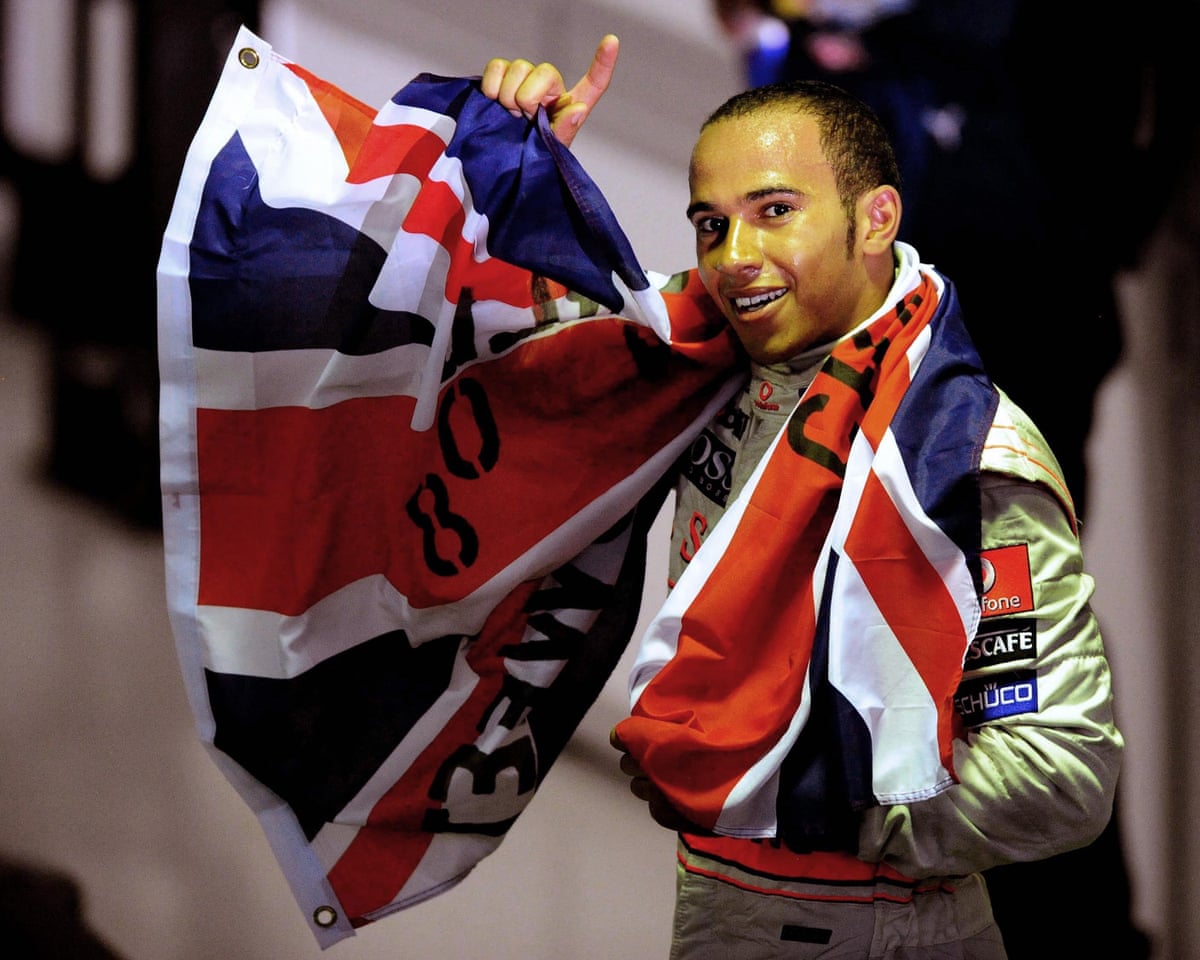
Lewis Hamilton’s 2008 British Grand Prix win at Silverstone was a defining moment in his career. In treacherous wet conditions, Hamilton displayed exceptional control and pace, finishing a full minute ahead of his nearest rival in what was described as a masterclass performance.
More recently, Lando Norris secured a significant victory at the 2024 Miami Grand Prix, marking McLaren’s return to the forefront of Formula 1. Norris’s flawless driving enabled him to hold off Max Verstappen, capitalizing on a safety car period. McLaren had the fastest car that day, signaling a revival that culminated in winning the constructors’ championship that season and achieving the drivers’ and constructors’ double the following year.
Bruce McLaren’s Enduring Influence
Bruce McLaren’s leadership, driving, and design expertise fueled the team’s early progress. After the 1968 Spa victory, further success was anticipated, but tragedy struck in 1970 when McLaren died during testing of the M8D sports car at Goodwood. He lost control, hitting a concrete marshal post, and passed away at age 32. Despite this loss, his passion and determination had already deeply inspired the team to continue without hesitation. Ganley reflected,
“He was the greatest leader of men I have ever met in all my life.”
The team persevered, with Emerson Fittipaldi winning their first drivers’ championship in 1974. James Hunt followed with a title in 1976. Under Ron Dennis’s leadership from 1981, McLaren secured seven constructors’ championships between 1984 and 1998, a period of dominance admired across the sport.
McLaren’s roster of world champions includes Fittipaldi, Hunt, Häkkinen, Niki Lauda, Alain Prost, Ayrton Senna, and Lewis Hamilton, each having claimed the sport’s highest honors driving for the team.
Team Spirit and Legacy
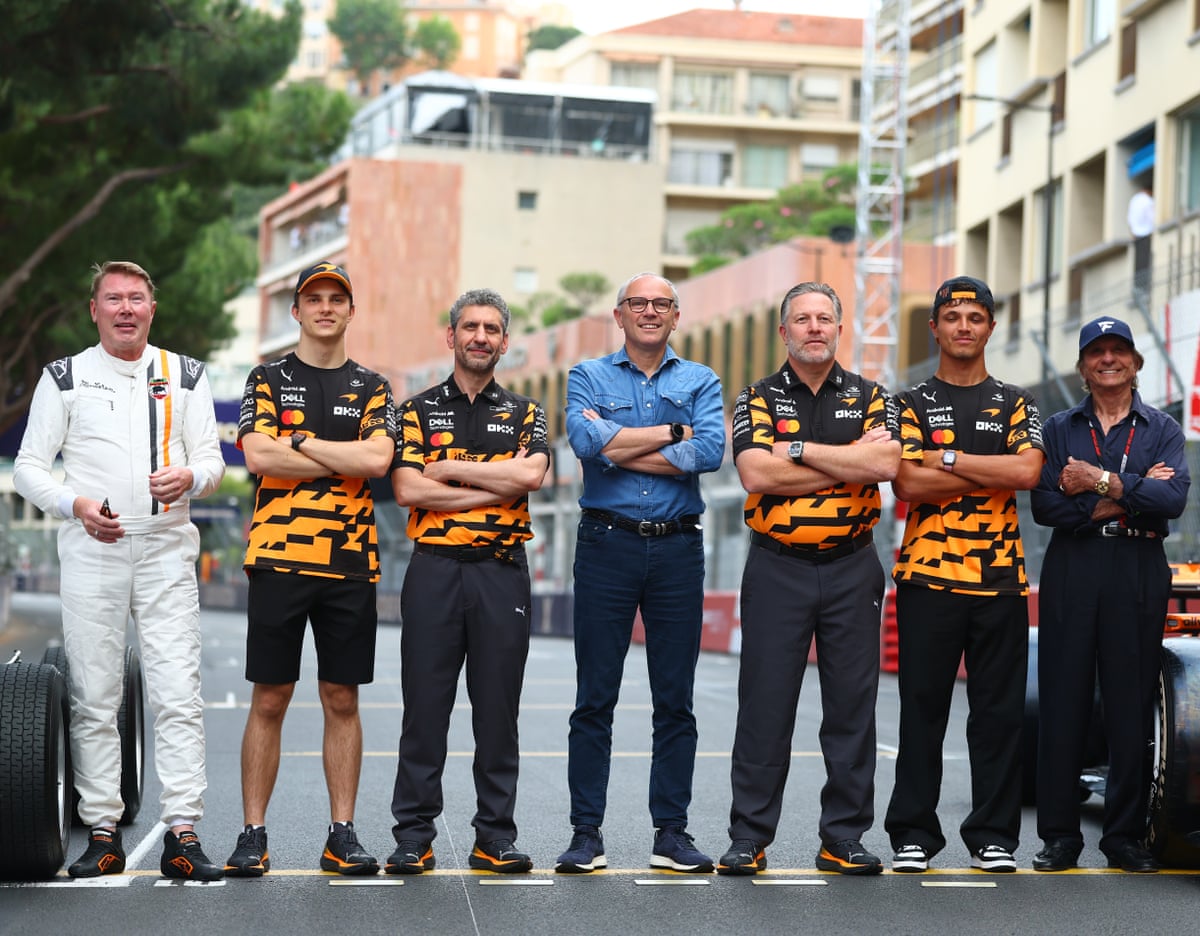
Lando Norris, who has competed in 156 races for McLaren—the most of any current driver—expresses the pride of being part of the team’s legacy. He stated,
“It’s a team I think a lot of people want to be a part of. To be alongside Lewis and Senna and Prost in terms of drivers who have driven for the team, helped to win constructors’, now achieved a world championship, that’s something that makes me smile more than just saying ‘I’ve won a race’. That’s something in the future I’ll look back on and be happy about.”
Norris joined McLaren during a challenging period when the team had fallen to the back of the grid between 2015 and 2017. Under CEO Zak Brown and team principal Andrea Stella, McLaren staged a remarkable comeback, winning the constructors’ title in 2024 and securing both drivers’ and constructors’ championships the following year. This resurgence exemplifies the tenacity Bruce McLaren instilled.
Mark Temple, who joined McLaren straight from university in 2003 and has served in roles including Hamilton’s performance and race engineer, now performance technical engineer, emphasizes the team’s enduring ethos. He said,
“It’s much, much more than just a job for everyone here. That sense of being part of the team and the team is bigger than any one individual. That really helps with that sense of a common purpose. The best test of that is were people still proud to work for McLaren, even when we were finishing ninth in the championship? The answer is yes.
“If your team looks after you, you want to look after the team. I think that’s a big part of it. In that sense in a way it’s like family. There is a kind of a mutual respect and wanting to feeling that you’re part of something special and that the team values you and your contribution makes you want to stay part of that team.”
Celebrating a Legacy
This weekend in Monaco, regardless of the race outcome, McLaren has every reason to celebrate their remarkable history. While Formula 1 always looks to future success, this milestone is a testament to the enduring legacy of Bruce McLaren and the team he built.


