

Challenging Start for McLaren and Norris
No Mercedes car started last race in China.
McLaren’s Ambition at Suzuka
McLaren enters the Japanese Grand Prix with a clear objective after a difficult start to the season: improvement. The unique and demanding Suzuka circuit will be another opportunity for the team to learn under the new regulations, with optimism that defending champion Lando Norris and the team’s constructors’ championship remain attainable goals.
Performance Gap and Technical Challenges
Following the first two rounds, McLaren ranked third fastest but lagged significantly behind Ferrari, trailing by as much as half a second. The team openly acknowledged the need for further development in the aerodynamics of their chassis and a better understanding of how to optimize their new engines within the constraints of the power management rules, which have become critical to performance.
Reliability Issues at the Chinese Grand Prix
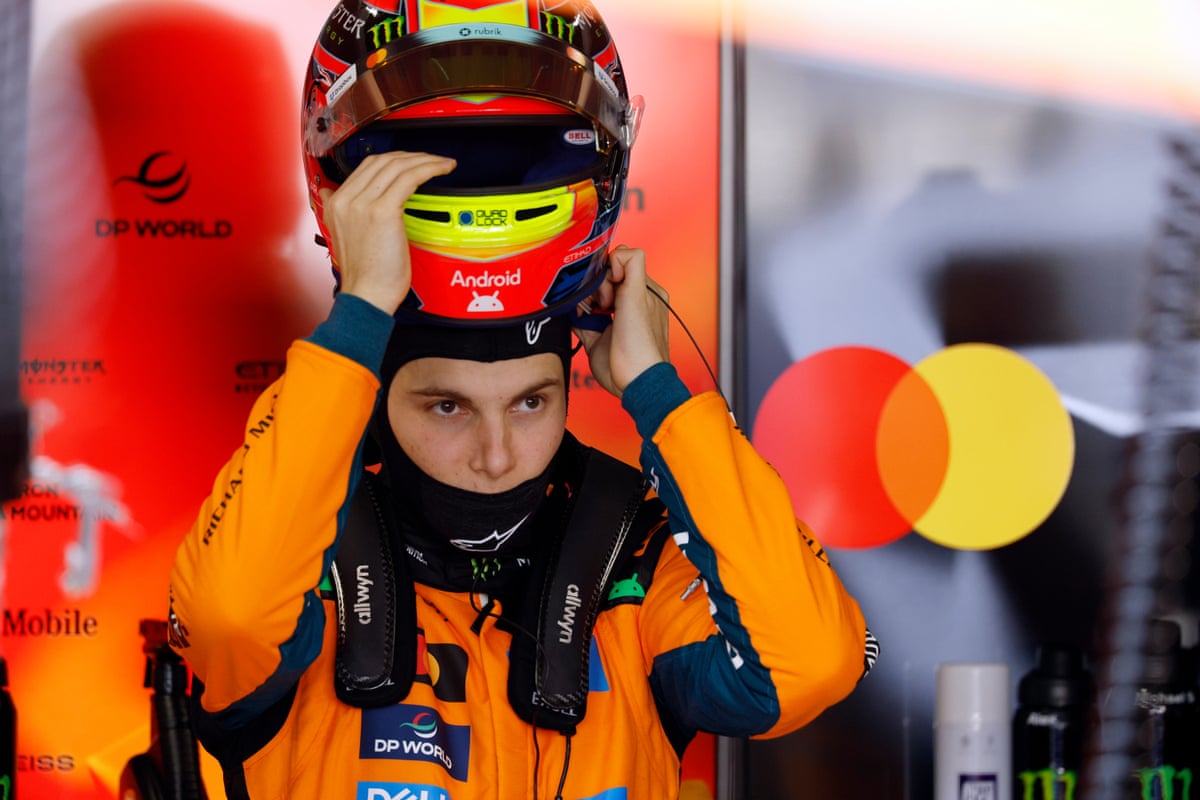
Compounding their challenges, both McLaren cars failed to start the last round in China due to separate electrical problems related to their battery units. This situation has increased the urgency to complete a full race distance to gain better familiarity with their cars. This is especially important for Norris’s teammate, Australian Oscar Piastri, who has yet to start a race this season after spinning on the way to the grid in the opening round in Melbourne.
Positive Outlook Despite Setbacks
Despite these difficulties, the team maintains a determined and positive outlook, believing they remain competitive with 20 races remaining in the season. Norris commented on the situation:

“I believe we can get close but I also know how good Mercedes are. They’ve obviously got on the right track early and have understood the car better than we have been able to do. But we knew we were just always a little bit behind from last season.
By no means do I think it’s going to be an easy one. It’s not like: ‘Yeah, we’re going to nail this’. But I believe we’re heading on the right track, we have to play catchup but I think it’s possible.”
Upcoming Schedule and Development Plans
With the Bahrain and Saudi Arabian Grands Prix canceled, the next race after Japan will be the Miami Grand Prix in early May, where McLaren plans to introduce upgrades. Until then, the team has crucial time to further understand their car as all teams pursue significant performance gains.
Norris added:
“We’re just a bit on the back foot but we’re figuring out the perfect path to go down. Every day we’re making progress on that so the more days we have, the closer we can understand exactly the direction the car needs to be developed in. When we then find that perfect direction, that’s when we can take bigger steps forward.”
Practice Sessions at Suzuka
During first practice at Suzuka, championship leader George Russell and his Mercedes teammate Kimi Antonelli secured first and second positions. However, in the afternoon session, Oscar Piastri impressed by posting faster times than both Mercedes drivers.
Expectations for the Japanese Grand Prix
No dramatic changes in performance are anticipated in Japan. Mercedes has demonstrated superior qualifying and race pace, and this is expected to continue. Ferrari appears to be struggling somewhat with power deployment on the demanding figure-of-eight circuit located near the seaside in Japan’s Mie prefecture, potentially giving McLaren an advantage.
Impact of New F1 Regulations at Suzuka
The race will also serve as a test for Formula 1’s new regulations on a track where energy recovery is challenging and will significantly influence drivers’ lap strategies. Suzuka is a highly regarded circuit among drivers, combining the need for precise judgment with the reward for pushing limits.
If the energy management requirements diminish the circuit’s character, it could provoke considerable dissatisfaction. Nonetheless, the new rules have undeniably produced highly entertaining racing. Altering a classic track’s dynamics may prompt further reflection when the sport reviews the impact of the new regulations following the race.


