

Mercedes on the march
The big four – Mercedes, Ferrari, Red Bull and McLaren – have each downplayed their own strengths throughout testing, creating an inverse Mexican standoff. Nonetheless, Mercedes have emerged from the three pre-season tests appearing strong.
Mercedes’ car and engine demonstrated reliability, completing the most laps of any team. Crucially, the car appears balanced and easy to handle, remaining planted through corners, a stark contrast to their difficulties in recent years. The car’s performance aligns with simulation data, leading George Russell to express satisfaction with the setup.
The hierarchy among the top four remains unclear and will likely stay so until qualifying in Melbourne. If Mercedes have been sandbagging – as they have yet to run on low fuel and soft tyres – their true pace could prove formidable.
Ferrari fire from the blocks
With extensive regulation changes, the competitive landscape is not straightforward. Red Bull have demonstrated efficient energy recovery systems, allowing them to deploy more electrical power for longer, resulting in a straight-line speed advantage.
Ferrari have shown the ability to execute exceptionally fast starts. Their smaller turbocharger spins up quickly at race starts. Due to concerns over slow starts, the FIA trialled a new launch procedure during testing, involving a five-second hold to allow cars at the back of the grid to bring revs and turbo speed up. When trialled, the procedure revealed notable improvements, even surpassing the impact of Ferrari’s rotating rear wing.
When Lewis Hamilton applied power, he surged forward like a rocket, moving from the fifth row to lead into turn one. This was not an isolated incident; Esteban Ocon in the Ferrari-powered Haas also made a similarly rapid getaway, establishing a clear pattern. Furthermore, in a start procedure that is now complex and requires careful management, Ferrari-powered cars have enjoyed predictable and straightforward launches, suggesting they have found the optimal balance when the lights go out. Reduced turbo lag also allows them to maintain a strong acceleration on corner exits.
Rule row still running
Concerns about how the new regulations will affect racing, particularly fears that energy management will dominate, have circulated since simulations of the new cars began last year. During testing, drivers’ apprehensions increased, with some expressing strong dislike for the new cars. Stefano Domenicali, the F1 chief executive, has promised to monitor the situation before the first race, but significant unease remains.

Drivers will likely adapt to the energy management demands, including lifting and coasting and pacing dictated by energy harvesting across a lap. The decisive test will be in Melbourne, to see whether these factors affect racing quality. If the changes do not broadly impact pace, external criticism may quickly subside. However, if issues arise, the FIA and F1 may intervene to prevent a problematic start to the new regulations.
Aston Martin under the cosh
Adrian Newey faces a significant challenge at Aston Martin. The team, which had been optimistic about 2026 due to Newey’s arrival and the presence of a factory and wind tunnel, has experienced a difficult testing period. They completed only 128 laps this week, the fewest of any team by a large margin. While Newey’s ambitious aerodynamic concepts may eventually succeed, basic gearbox and transmission issues have hindered progress.
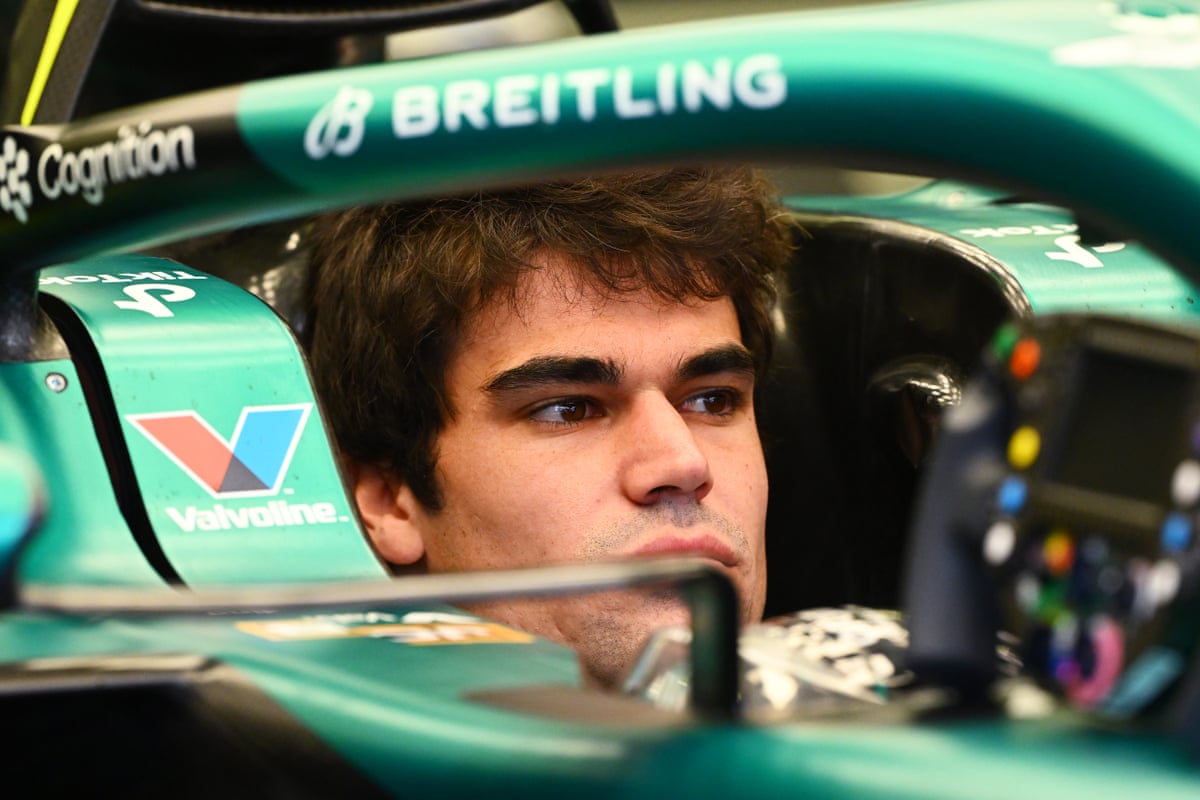
On the final day of testing, Aston Martin had to limit running because engine supplier Honda had exhausted many parts, causing a shortage. Honda’s concerns about readiness were evident at engine launch. Lance Stroll assessed the situation candidly:
"We need more power, simple as that, we’re just lacking on power and then we also need to improve the car, so a combination of things."
Fernando Alonso, who has experienced similar issues with Honda engines before, commented with understatement:
"There are many things we need to fix."
Cadillac make it to the party
Built from scratch in just over 12 months, F1’s newest team performed well in testing. Having the car running across all three tests was an achievement, especially compared to Williams, who were not ready for Barcelona. Cadillac not only ran but completed impressive mileage.
As a startup, the team has realistic expectations, anticipating to be at the back of the grid initially but committed for the long term. Their current goal is to finish races and eventually score points, demonstrating progress throughout the season. Drivers Valtteri Bottas and Sergio Pérez spoke positively about the car’s balance. While challenges remain, Cadillac have started on a promising note.
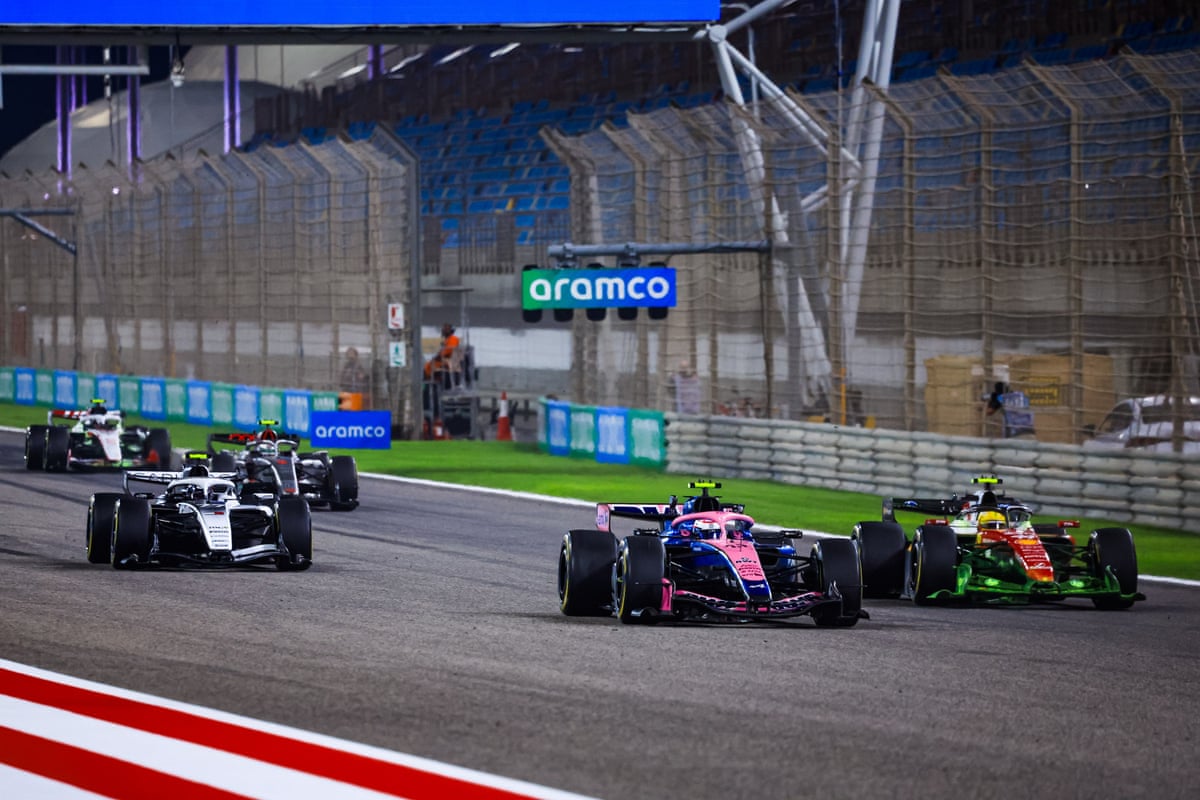
Tight midfield fight
Behind the leading four, the midfield battle is similarly close. Haas have made the most significant progress under the new regulations and may be best positioned in midfield due to their Ferrari engine. Alpine have shown their most positive start in some time. Williams are struggling following previous setbacks and still have work to do but remain optimistic about their direction. Racing Point have benefited from the debut of the Red Bull engine and are expected to have an advantage over Williams, as might Audi on their debut, at least early in the season.


