Red Bull’s In-House Engine Project Surpasses Expectations
Driven hard and fast is the norm in Formula 1, both on and off the track, but even by the sport’s standards, the development of Red Bull’s in-house engine project has been exceptional. The results it has delivered are equally remarkable.
Walking through the gleaming corridors of the team’s bespoke engine manufacturing department at their Milton Keynes headquarters, it is difficult to imagine that only four years ago the site was just empty space scattered with rubble.
The decision to build their own engines instead of continuing to purchase customer units from other manufacturers is one of the boldest moves Red Bull has ever undertaken. This is no small feat for a team that has long embraced forging its own path in F1.
When the project began in 2022 under the leadership of Christian Horner, it was a venture into the unknown without any guarantee of success, but with the promise of making the team fully in control of every aspect of their cars and racing strategy. This advantage cannot be overstated, as it allows the engine and chassis to be designed to complement each other rather than building a chassis around a customer engine.
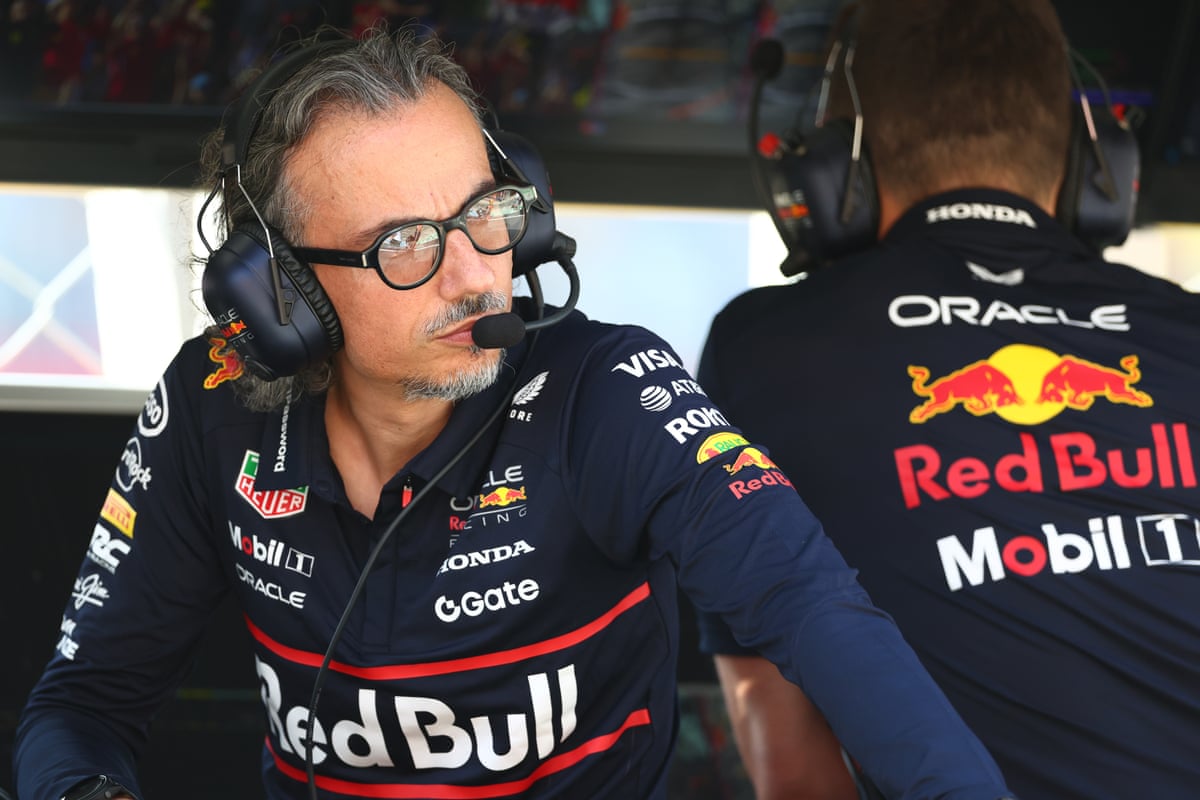
The initiative was met with skepticism, with some anticipating failure or at least a prolonged and difficult learning curve. This concern was described as the “ghost” that haunted the project by team principal Laurent Mekies. After all, experienced and previously successful engine manufacturers Renault and Honda had struggled publicly under new regulations, and Red Bull was effectively starting from scratch.
As Formula 1 prepares to return from its enforced break with the Miami Grand Prix on 3 May, Mekies reflects on the risks and rewards.
“As much as it was a crazy decision, a crazy investment, now it put us into an incredible situation for the next five to 10 years,”he says.
“The power unit decision of four years ago that puts you in a position of being completely independent … for years to come, with the support of [engine partners] Ford.
“I was not involved in those decisions, just credit to the guys before,”he adds, having taken over as Red Bull team principal last year.
“The fact that we have this wind tunnel coming some time next year also puts you at a completely different level. So it’s true that the opposition may have shot ahead compared to us in some respects but globally, in terms of the legs of the project, it put us into an incredible position.”
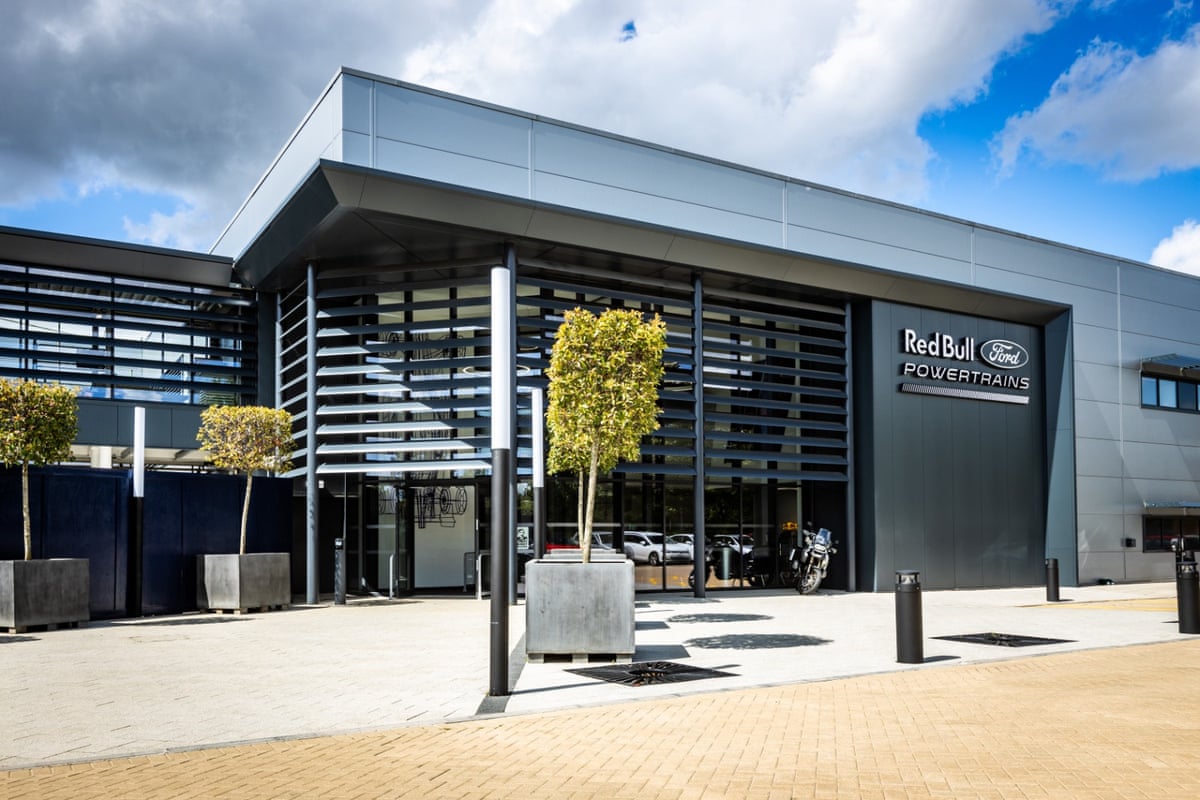
Mekies acknowledges that this season Mercedes, by far the class of the field, hold a two- to three-tenths advantage over Red Bull’s engine. That Red Bull is so close on their first attempt is remarkable. They have been off the pace of Mercedes, Ferrari, and McLaren in the opening three rounds this season, but as Mekies admits, the main deficit lies in the chassis.

In terms of harnessing horsepower, Red Bull has made a strong start. This becomes evident during a rare visit to the engine manufacturing facility with Red Bull Ford Powertrain’s technical director, Ben Hodgkinson, who was recruited from Mercedes to lead the project and brings 27 years of engine-building experience. He describes the project as bold and audacious, attracting like-minded individuals.
When the project began, Hodgkinson was hiring 25 personnel per month. Today, his team numbers 700. Despite some high-profile departures, Red Bull continues to recruit actively, having added 120 new employees across engine and chassis departments in the first quarter of this year alone.
From the once barren land at Milton Keynes, Hodgkinson had the advantage of building a unique facility from scratch, which is evident in its design. Despite the rapid construction—including engine dynos housed in large, imported pre-built steel units chosen for quick installation—the facility is a technological marvel.
The romantic image of engine assembly involving spanners and oily overalls has long disappeared from modern F1, but Red Bull’s assembly rooms offer a different experience even compared to rival teams. There is an atmosphere of pristine precision and quiet focus; a dropped spanner would echo loudly in this meticulous environment.
Cleanliness and order are paramount, as even the smallest particle contamination is taken seriously. Parts arriving from outside are unboxed in a separate room and cleaned before entering the assembly area. The facility is equipped with numerous computers and staffed by immaculately dressed engineers, resembling a spotless kitchen run by a meticulous chef. There would be no concerns about hygiene on these surfaces.
The same rigorous attention to detail applies in the area where engines at the end of their life are disassembled to identify weaknesses and prevent future failures. There is a dedicated room for cleaning crankshafts before reuse and another for oil analysis, which detects particulate elements that could accelerate engine wear.
The focus on creating a coherent organization with a clear sense of purpose and direction is evident throughout. It is impressive how singularly this has been achieved given the scale of the task that began four years ago. Despite Red Bull’s current challenges, including Max Verstappen’s dissatisfaction with the new regulations and his difficult car, their engine has been an undeniable success story.
“It has clearly exceeded expectations,”Mekies states.
“We were gearing up from a much further away starting point. It’s something that could have put the project at big risk for two or three years.
“But now the ghost of the power unit – is Oracle Red Bull Racing going to have a strong enough power unit for the years to come? – has disappeared. We have our own issues. We need to get these tenths back, we need to fix what we need to fix with the car. This, we know how to do. It’s going to happen, not in Miami, but it’s going to happen.”