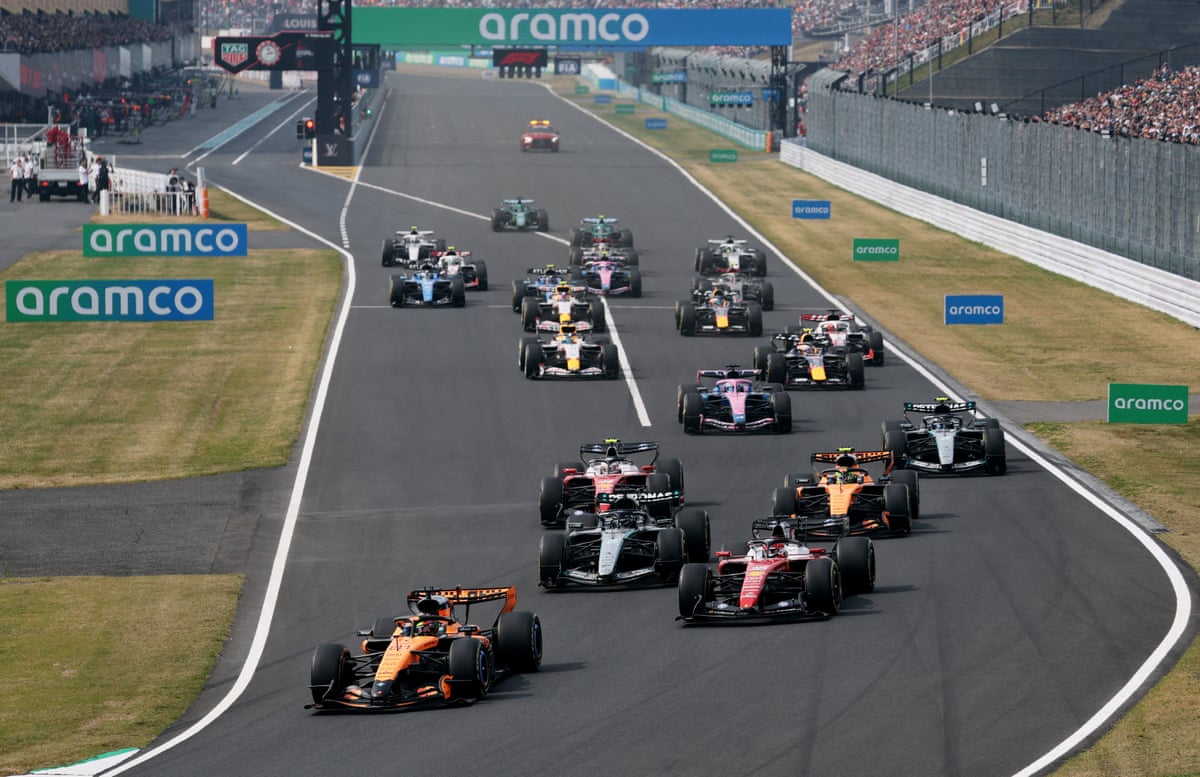
F1 Regulation Review Underway Following Bearman Crash
Formula One has experienced a challenging start to the season under its new regulations. Driver dissatisfaction and safety concerns, highlighted by a significant accident at the Japanese Grand Prix, have prompted discussions on potential adjustments. After three races, there is now an opportunity to propose changes, with Nikolas Tombazis, the FIA’s single-seater director, expressing cautious confidence in the sport’s ability to adapt.
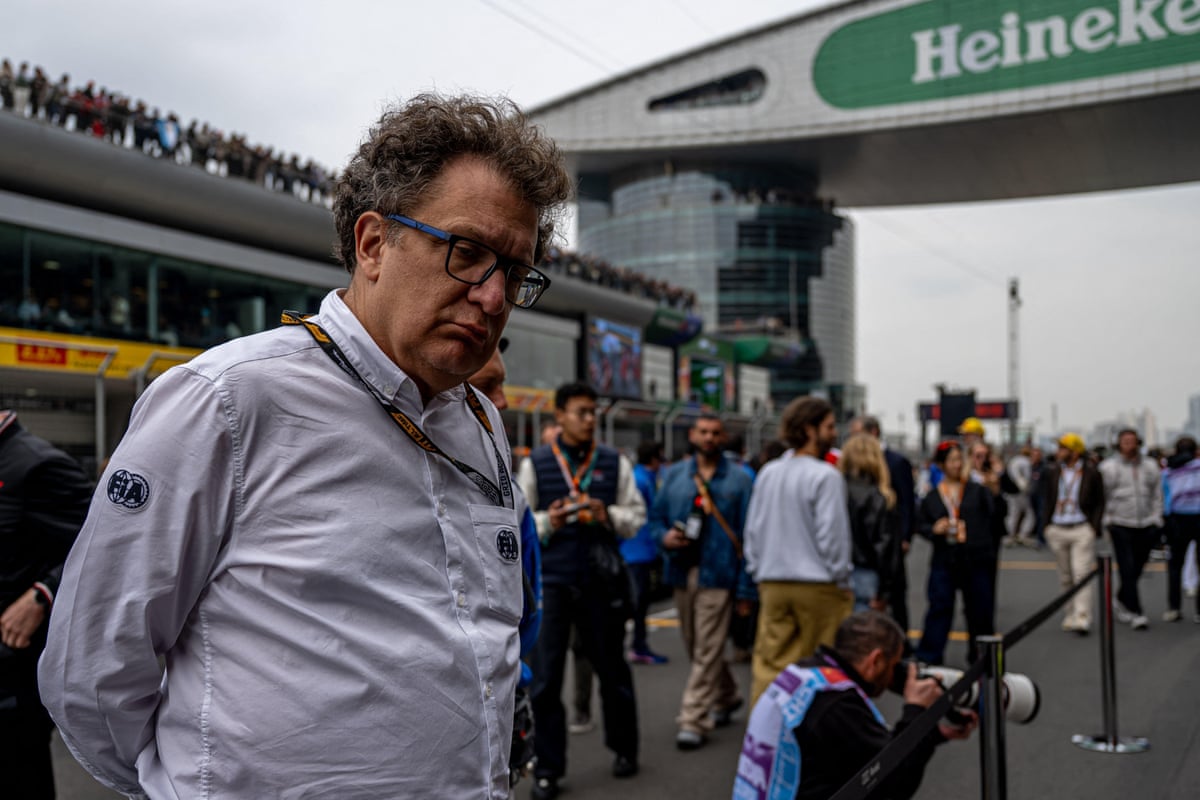
Nikolas Tombazis has been with the FIA since 2018 and has played a central role in developing the 2026 regulations since their initial discussions in January 2021. He emphasizes that the current debate over the new rules is exaggerated.
“It’s not like we’re discussing a complete rewrite,”
he says of the rules.
“We believe the patient is not in intensive care; the patient needs to just eat a couple of apples per day, not to have an open-heart surgery.”“There are topics from both the drivability and the safety point of view that we need to address. I don’t like to be going around saying: ‘Everything is fine, we don’t need to do anything,’ because clearly things do need to be done. Equally, I don’t like to say on the other extreme: ‘It’s all a mess.’ We have fans happy with the show, we’ve got an accident that was caused by specific aspects we need to solve and we’ve got some drivers who feel that some things can be improved.”
The new regulations were expected not to suit everyone, but the intensity of the reaction has been notable. Drivers from leading teams such as George Russell at Mercedes and Lewis Hamilton at Ferrari have generally accepted the formula, which involves increased use of electrical energy requiring careful management of deployment and recharging throughout a lap. However, other drivers have expressed strong criticism.
Lando Norris has voiced concerns about drivers being overly dependent on electrical energy management, while Max Verstappen has repeatedly indicated his disenchantment, even considering leaving the sport.
Tombazis acknowledges that criticism is part of the role.
“I don’t know if there’s ever much of a case when you are the headmaster or the referee when you get a pat on the back all the time,”
he says.
“They usually get criticised, and we are big enough to know that.”
Pleasing all stakeholders would have been extremely difficult, but the accident at Suzuka, caused by the large difference in closing speeds between cars, raised significant safety concerns. Tombazis stresses that the incident has been taken seriously, but cautions against rushing to solutions.
“Every accident at high speed is always a little bit of a shock,”
he says.
“To say it was expected would be wrong but the closing speeds had been identified as a risk. There have been talks about it but there was not easily the ability to act on it before we had a bit of time to analyse a few of the parameters.“When we’ve introduced changes in a much more hurried way, the risk is that we make things worse or we cause all sorts of other issues, so that’s why we need to have a bit of time to analyse. Clearly safety is the number one priority.”
The 57-year-old engineer and car designer from Athens has been involved in Formula One since 1992, with experience at Ferrari, McLaren, and Benetton before joining the FIA. He brings both passion and a measured, analytical approach to the sport’s governance as it addresses these challenges.

Upcoming Discussions and Decision Timeline
Discussions are scheduled this month between the FIA, teams, power unit manufacturers, and the commercial rights holder, FOM. An initial meeting is planned for Thursday to review technical and sporting considerations from the first three rounds and explore potential changes. A follow-up meeting is set for the following Thursday, including plans to engage with drivers.
On 20 April, a further meeting will involve senior representatives such as team principals, CEOs, power unit manufacturers, and F1 CEO Stefano Domenicali. This meeting aims to finalize regulatory changes, subject to ratification by the world motorsport council, with the goal of implementing adjustments in time for the Miami Grand Prix on 3 May.
The FIA has been transparent about the evolutionary nature of the new regulations and the necessity of ongoing review. Tombazis notes the steep learning curve faced by teams, each with up to 200 engineers striving to optimize car performance.
“You can learn theoretically how to play the violin but until you play the violin you don’t necessarily understand what it involves,”
he observes.
While the regulations have provoked significant debate, the complexity of hybrid engines and their impact on driver experience and fan engagement remain central issues. F1 maintains that fan reception has been positive.
Balancing Safety, Performance, and Driver Satisfaction
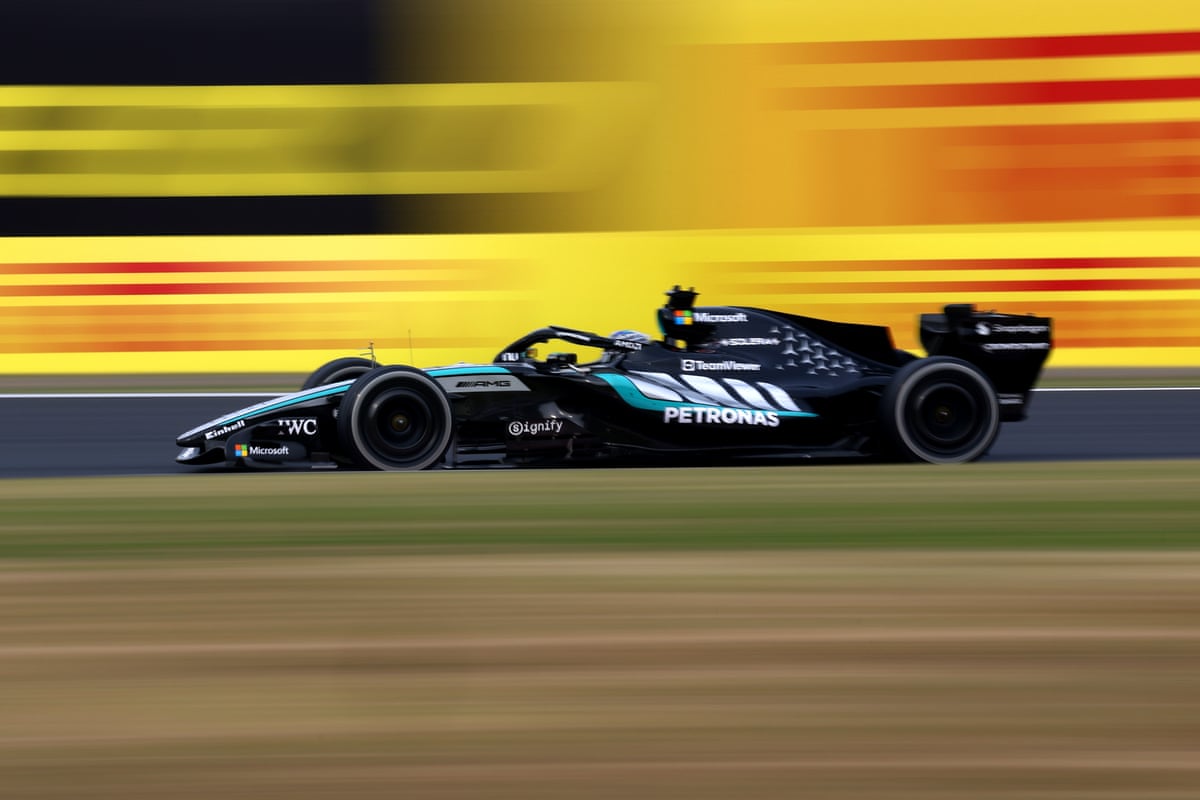
The governing body plans no changes to engine construction but intends to adjust parameters related to energy recovery and deployment. These settings can be modified through software updates without hardware alterations, aiming to address closing speed disparities and improve driver satisfaction without compromising overall speed.
“These rules are what we collectively refer to as energy management rules that won’t require changes to hardware but may require some settings to change and some software,”
Tombazis explains.
“Changes that are fundamentally possible to introduce very soon and go to the core of addressing closing speeds or driver satisfaction.”
He also left open the possibility of phased developments allowing engine manufacturers to implement further tweaks over time.
“We may decide that we want to have a phase one and a phase two and maybe give phase two a bit more time for some tweaks to be done by the manufacturers.”
These developments come amid a challenging period for the sport, but the FIA is committed to addressing concerns openly and effectively. The immediate objective is to reconcile safety priorities with necessary regulatory adjustments before the Miami race.
While the forthcoming changes may not satisfy all parties, there is optimism for a successful transition ahead of the more complex discussions anticipated for 2027 regulations.
“Everyone is extremely passionate about this sport – drivers, fans – and when things are not perfect, they will be quite passionate about it. We’re not expecting people to sugarcoat their comments,”
Tombazis concludes.
“But I’m now hoping for broad consensus, that teams will be also supportive and we won’t be in a position where we have to argue too much.”