

Severe Vibration Issues Threaten Driver Safety
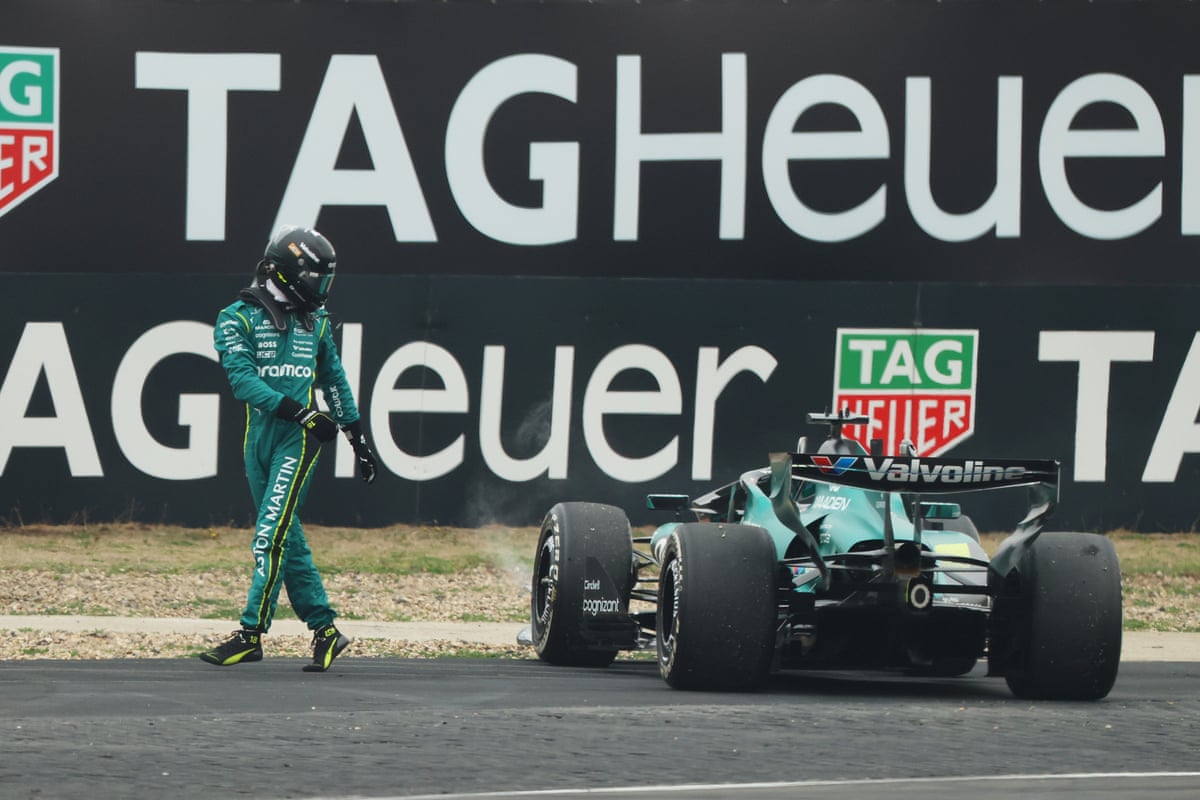
The vibration problem caused by Aston Martin’s Honda engine has reached a critical level, with team principal Adrian Newey expressing concerns that the drivers could suffer permanent nerve damage. This issue was starkly highlighted during the Chinese Grand Prix, where Fernando Alonso retired after 32 laps due to severe vibrations causing loss of feeling in his hands and feet.
The upcoming Formula One round in Japan, held at Honda’s home circuit Suzuka, is not expected to be a celebratory event for the engine manufacturer. Honda’s return to Formula One has been fraught with difficulties, and the engine’s deficiencies were once again exposed at the Shanghai International Circuit.
Alonso’s teammate, Lance Stroll, also retired early after 10 laps due to a battery failure, a recurring problem within the hybrid engine system that has troubled Honda since their return.
“On lap 20 to 35 I was struggling a bit to feel my hands and my feet,” Alonso stated. “We were one lap behind, we were last, and there was probably no point to keep going.”
When questioned about their prospects in Japan, Stroll was candidly pessimistic.
“Unless they can find some magic in the next 10 days, pray. Pray for me,” he said.
Early Testing and Development Hampered by Engine Problems
Aston Martin was late to the first pre-season test and subsequently completed very few laps. The cause of this limited running was revealed just before the Australian Grand Prix, when Newey acknowledged the severe vibration issue from the Honda engine was transferring into the chassis, raising concerns about potential long-term nerve damage for the drivers. This fear was realized in China with Alonso’s experience.
Despite the team’s evident commitment and ambition, their progress has been severely restricted by the lack of reliable running time. The curtailed pre-season testing was largely due to the drivers’ inability to complete laps, compounded by an engine that was both underpowered and unreliable. In Australia, battery failures forced the team to use their last available units during the race, with Alonso managing 21 laps and Stroll exceeding expectations by completing 43 laps.
During the Chinese Grand Prix, the vibration problem intensified, with onboard footage showing Alonso removing his hands from the steering wheel on two straights due to discomfort.

Easing pressure on the hands during a race is not uncommon in endurance events like the Le Mans 24 Hours to prevent cramps, but it is rare in modern Formula One.
“It was difficult, we found more vibrations than any other session of the weekend,” Alonso explained. “Physically, I could not continue much longer. It was not a nice feeling.”
Transparency and Challenges Ahead
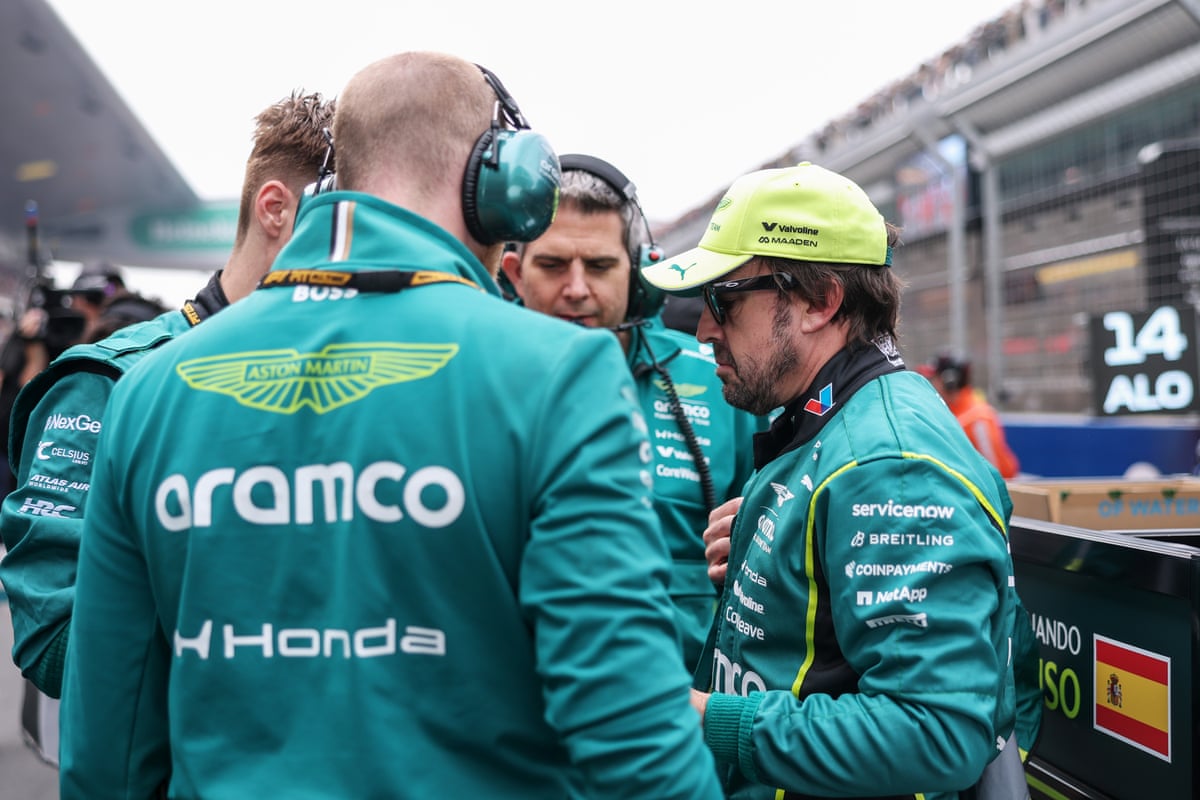
Both Honda and Aston Martin have been transparent about their struggles and the disappointment is palpable, especially given the high expectations for a new competitive era under Newey’s leadership. The challenge ahead is substantial; developing a car that may yet be another Newey masterpiece is nearly impossible without sufficient running, which depends on a functioning engine.
There is no quick solution expected for the Japanese Grand Prix. Honda found some solace in completing more laps in China compared to Australia, but the progress remains limited.
“If we focus on the more favourable areas, we ran more miles than in Melbourne which is encouraging,” said Honda general manager Shintaro Orihara, though his optimism appeared tempered given the circumstances.
Mike Krack, Aston Martin’s chief trackside officer and former team principal, emphasized the importance of every additional lap for the learning process. However, the team’s development remains a very public and potentially prolonged struggle.
Looking Forward to Japan and Beyond
Aston Martin and Honda must endure the Japanese Grand Prix, but there is a small consolation in the extended break before the next race in Miami, now five weeks away due to the cancellation of the Bahrain and Saudi Arabian Grands Prix. This gap provides valuable time for Honda’s engineers at their Sakura facility to address the vibration issues.
The financial investment in Aston Martin has been significant, and their facilities are among the best in the sport, but there will be no respite in front of their home fans.
The old racing adage, "To finish first, first you must finish," remains pertinent. If Aston Martin can simply finish races by Miami, it may be considered a victory in this challenging start to the season.


