

Sporting Triumphs Amidst Structural Challenges
As the men’s football World Cup approaches, the Caribbean’s sporting achievements are often framed as stories of overcoming adversity. However, the region lacks the political commitment to harness sport as a strategic tool for development.
The United States is preparing to co-host the 2026 World Cup while simultaneously enforcing strict immigration policies that determine who can attend. For the Caribbean, this contradiction is familiar. In nearly 100 years of men’s World Cup football, only four Caribbean nations have qualified.
This year, more Caribbean teams will qualify, but many supporters, particularly Haitians, will be unable to travel due to immigration restrictions that conflict with sport’s ideals of unity.
Such contradictions highlight a deeper reality: while Caribbean athletes are celebrated globally, Caribbean people often face exclusion.
This tension between global recognition and structural barriers reveals why sport in the Caribbean has been a powerful yet overlooked development strategy.
Sport as Development Infrastructure
For small Caribbean island states with fragile economies, limited industrial bases, and colonial histories, sport has long served as a form of development infrastructure. It provides pathways to scholarships, avenues out of poverty, global visibility, and national pride. This represents development in practice.
International organizations like the UN now promote "sport for development," linking sport to education, health, gender equality, social inclusion, and peacebuilding. However, development discourse often treats sport as a luxury rather than a necessity. In the Caribbean, sport has been essential for survival and identity, especially where governments have struggled to create opportunities.
Cricket: A Regional Unifier and Development Model
Cricket exemplifies this dynamic. The West Indies cricket team was more than a sports team; it was a powerful symbol disproving the notion that the Caribbean was too small and fragmented to matter. At its height, cricket became a regional language that united the diverse islands in a shared goal of defeating their colonial rulers.
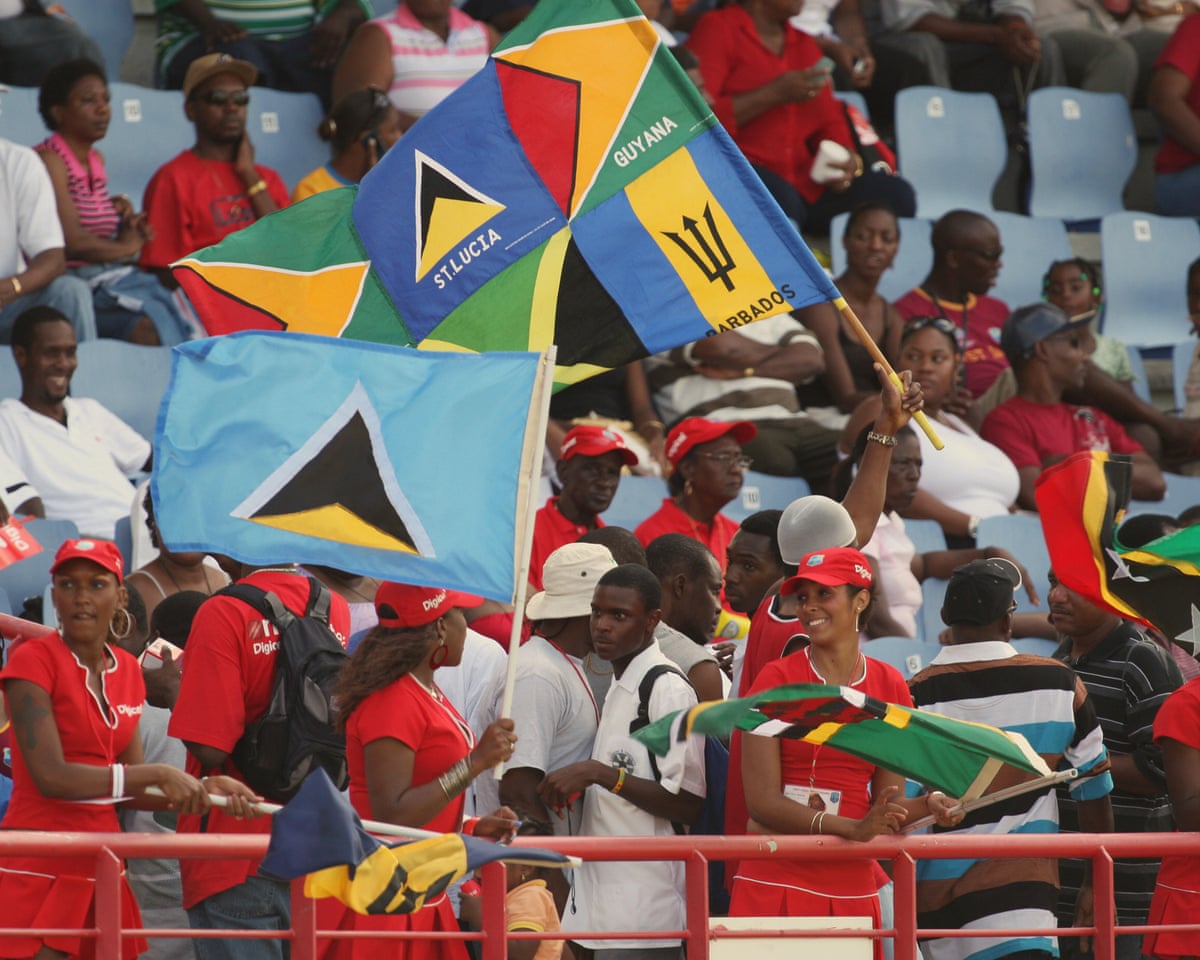
The team’s achievements were historic. In the 1980s, the West Indies set records for consecutive Test victories and maintained long unbeaten streaks. For nearly two decades, they dominated world cricket with unparalleled authority. The maroon cap became synonymous with invincibility, producing icons such as Viv Richards and Brian Lara.
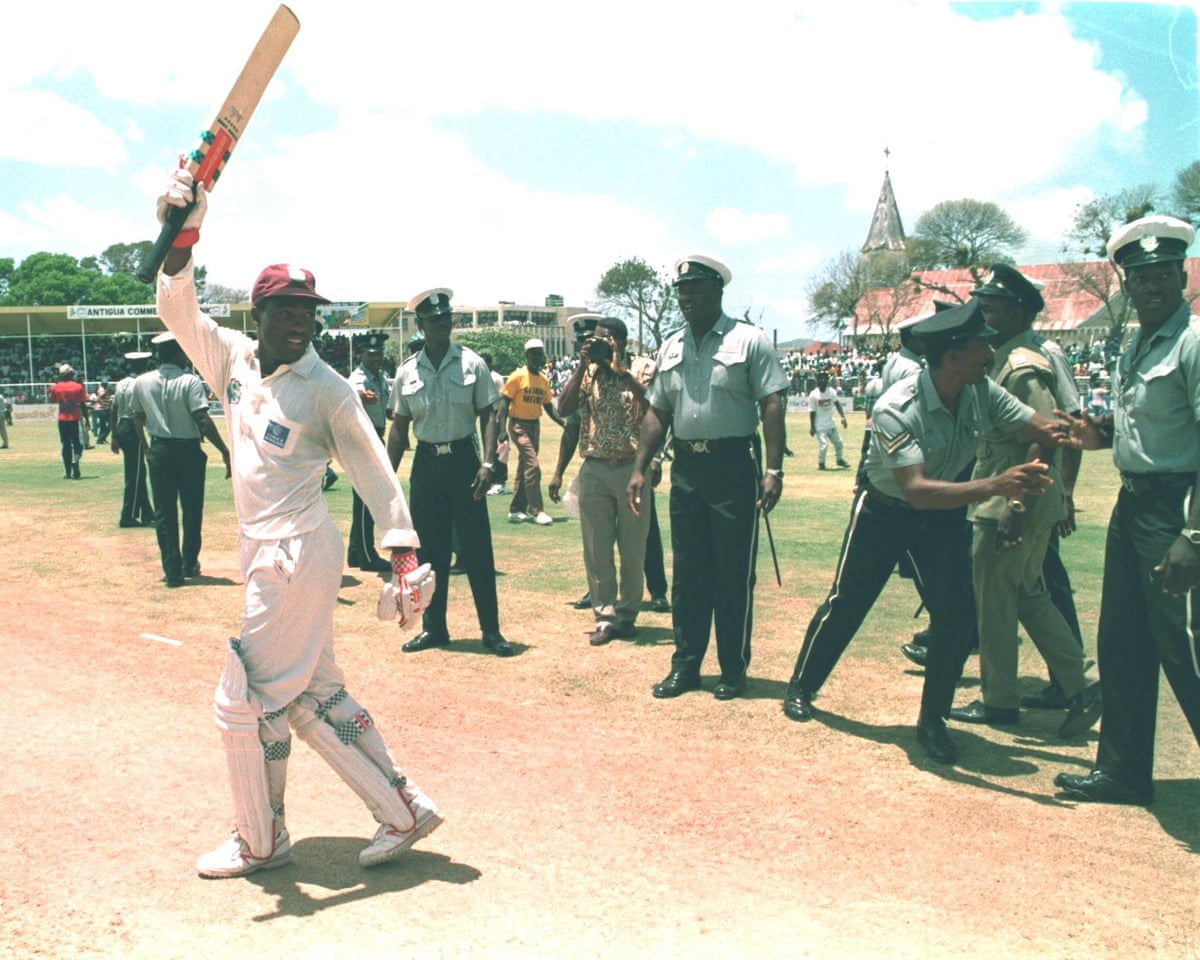
The team’s fast-bowling lineup, including legends like Michael Holding, Malcolm Marshall, Courtney Walsh, Curtly Ambrose, and Joel Garner, was renowned for its pace and intimidation.
Simultaneously, the West Indies women’s cricket team was a pioneer, remaining among the world’s most successful women’s teams for decades.
From a development perspective, this success created an export industry of talent long before the term was coined. It generated sponsorships, broadcasting revenue, tourism, and a global brand, fostering regional pride and providing a model for integration through a functional Caribbean federation.
However, the decline of West Indies cricket is not only a sporting tragedy but also a governance failure. Underinvestment in domestic systems, talent drain to global leagues, and institutional decay have eroded the structures that transform raw talent into excellence.
Even supportive journalists acknowledge that natural ability alone is insufficient when other countries invest heavily in fitness science, analytics, and structured development pathways. The collapse of dominance reflects the absence of an effective development strategy, a pattern evident across Caribbean sports.
Track and Field: Individual Islands on the Global Stage
If cricket provided a collective symbol, track and field gave individual Caribbean islands a global platform. Jamaica’s Usain Bolt became the most recognizable sprinter worldwide, setting multiple world records and retiring undefeated at the Olympics, turning athletics into a cultural export.
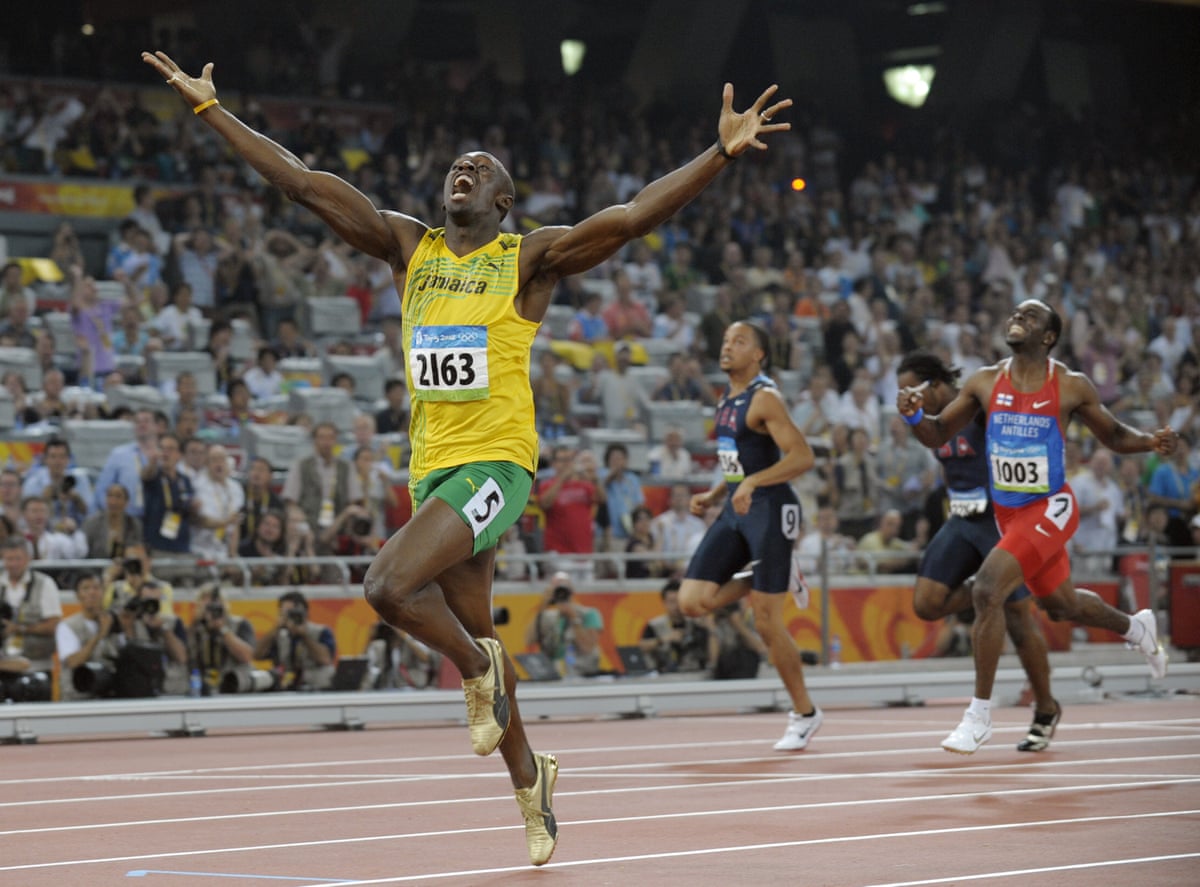
Bolt’s achievements build on a legacy of sprinting excellence dating back to the 1960s, with athletes like Don Quarrie, Lennox Miller, and Hasely Crawford, whose 100m gold in 1976 was won in an era with less sport science and fewer corporate resources.
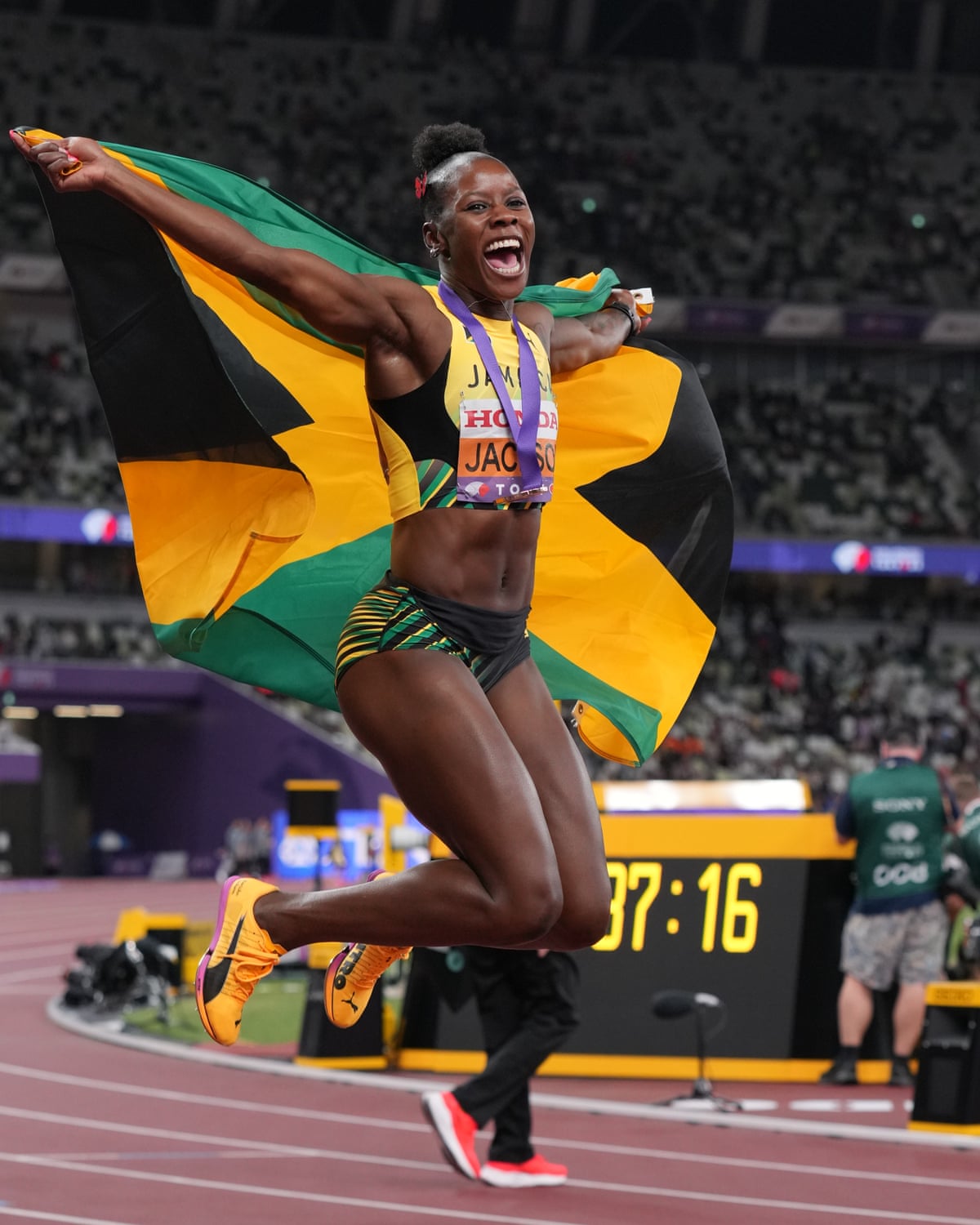
Caribbean women have been equally prominent. For over 30 years, female sprinters, especially from Jamaica, have dominated Olympic and world championship podiums, winning medals traditionally held by wealthier nations.
This phenomenon illustrates the Caribbean’s “impossible maths”: small populations, limited budgets, sporadic corporate support, and inadequate facilities, yet repeated global successes. Sprinting has become a development ecosystem, providing scholarships, overseas training, and pathways out of poverty.
Excellence Across Disciplines
The Caribbean has also produced world-class performances in other sports. Trinidad and Tobago’s Keshorn Walcott won Olympic javelin gold in 2012 and world championship gold in 2025, excelling in an event typically dominated by larger countries with extensive infrastructures. This demonstrates that the Caribbean’s athletic prowess extends beyond speed to technical mastery.
Women’s netball offers another significant example. In 1979, Trinidad and Tobago were joint world champions alongside Australia and New Zealand at the netball world championships.
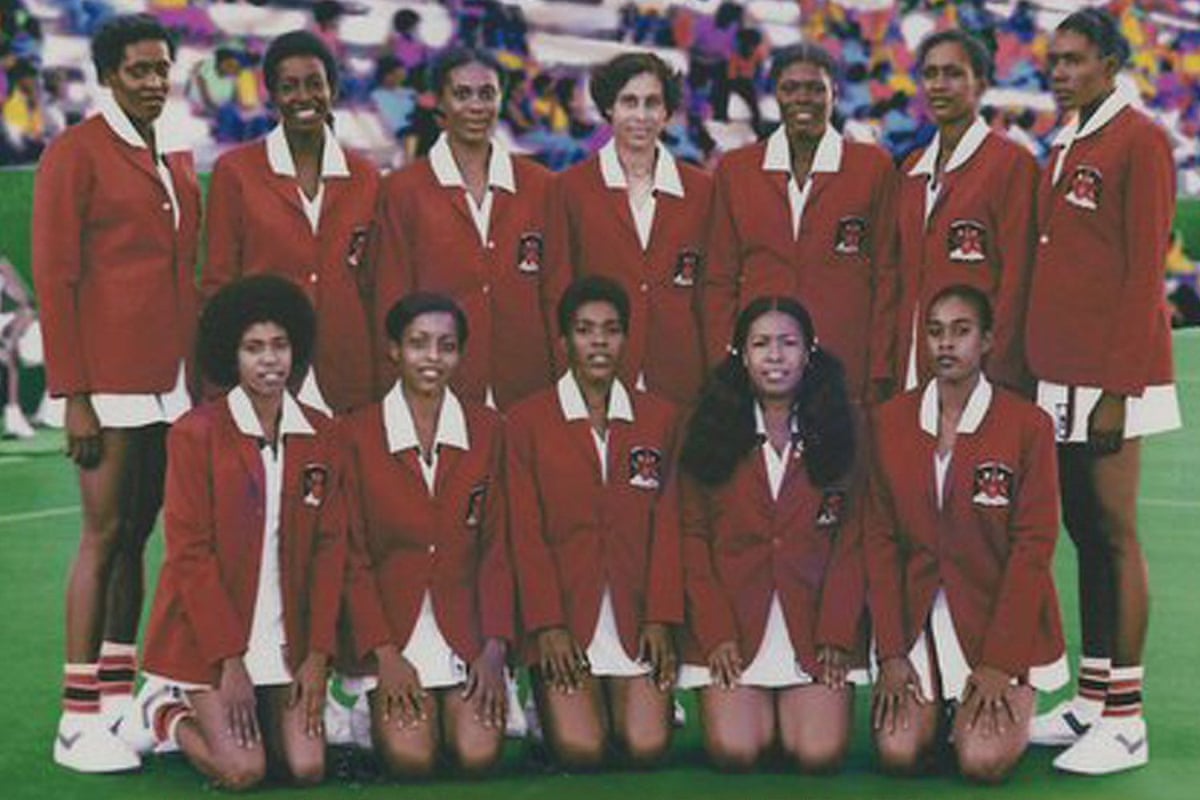
This success was not due to lavish funding but emerged from schools, community clubs, and volunteer programs. Netball has served as both a sport and social infrastructure, promoting leadership, confidence, and international exposure in societies where women’s sport is often undervalued.
Other sports like boxing and swimming follow a similar pattern: Caribbean athletes achieve high performance despite systemic shortcomings.
Football: An Underappreciated Development Engine
Football is perhaps the most under-analyzed Caribbean development driver, partly because many top players develop abroad. Stars like Dwight Yorke, Shaka Hislop, and Leon Bailey demonstrate the region’s capacity to meet elite standards.
The Caribbean’s influence, especially through the Windrush generation, is deeply embedded in English football. Pioneers such as Cyrille Regis and Laurie Cunningham paved the way for players like John Barnes, Les Ferdinand, Paul Ince, and contemporary stars Raheem Sterling, Marcus Rashford, and Cole Palmer.
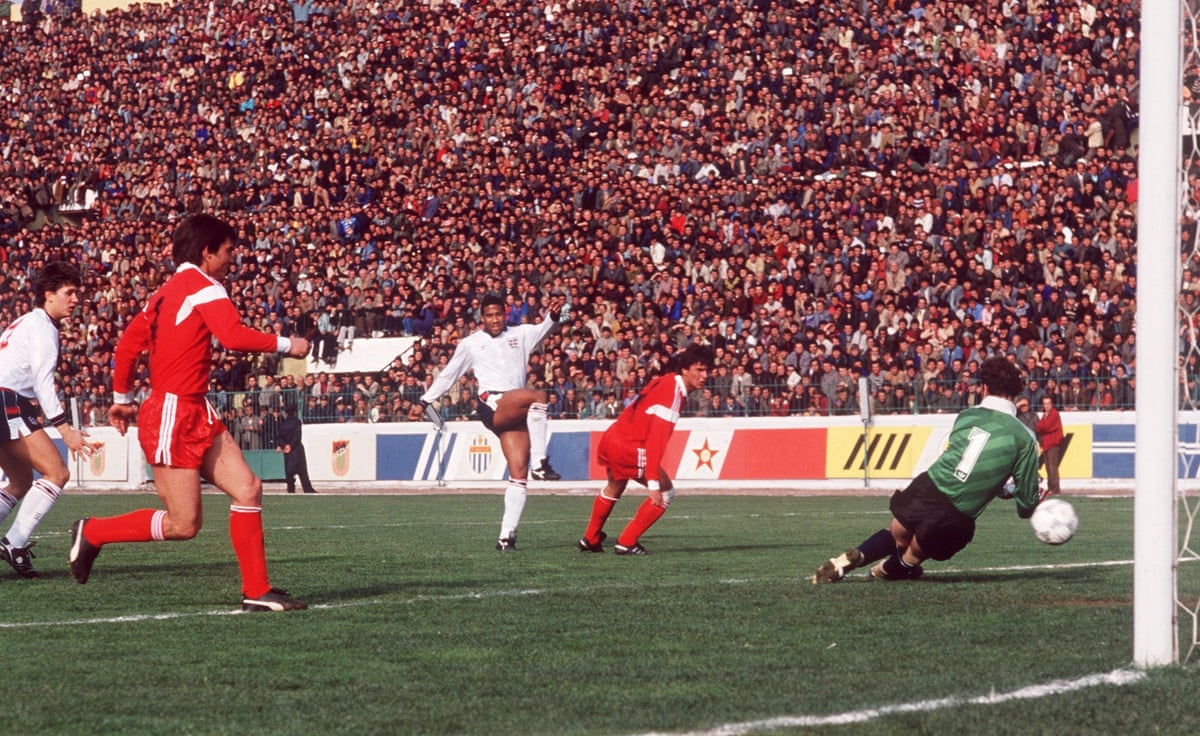
The Caribbean football story is inseparable from migration. A “hidden league” of players of Caribbean descent has shaped European and US football, often trained and financed outside the region but carrying Caribbean heritage.
This raises a critical development question: how much Caribbean talent is exported without the region capturing the full economic and social value? In effect, the Caribbean runs a talent economy without owning the production systems.
Sporting Brilliance Amid Scarcity
Caribbean sporting success is frequently portrayed as inspirational hardship: champions training on broken tracks, fundraising for travel, borrowing equipment, and improvising facilities.
"That story is true. It is also an indictment. When excellence repeatedly emerges under conditions of scarcity, the conclusion should be that sport represents one of the region’s most underdeveloped sectors."
The reality is that the Caribbean possesses a high-potential development sector that remains poorly planned and underfunded.
Sport encompasses public health policy, youth employment, gender equality, tourism, and diplomacy. The Caribbean has demonstrated the returns but lacks the political will to treat sport strategically.
The United Nations asserts that sport can accelerate development when aligned with broader goals. It can expand opportunities only if institutions effectively convert talent into pathways and pathways into livelihoods.
Recommendations for Strategic Investment
If Caribbean governments were serious about sport as a development tool, they would move beyond symbolic gestures and invest in regional high-performance centers, school-to-elite pathways, athlete welfare systems, diaspora partnerships, and transparent governance in national associations, since corruption undermines progress.
The decline of West Indies cricket serves as a cautionary tale: raw talent cannot overcome institutional decay.
"The question is whether the region will keep relying on miracles. A development strategy that depends on exceptional individuals is not a strategy at all. It is a gamble – one the Caribbean has been winning more often than it has any right to."
Given that the Caribbean produces world-class athletes despite underfunding and limited facilities, imagine the potential with proper planning, investment, and coordination aligned with the region’s ambitions.
For the Caribbean, sport has never been a distraction from development but one of its clearest proofs.


