

Igor Tudor's Appointment at Tottenham
Igor Tudor has been unemployed since his dismissal from Juventus in October 2025. He has now agreed to take charge of Tottenham Hotspur for the remainder of the current season. Supporters are eager to understand what style and approach Tudor will introduce to Spurs.
His first match as interim head coach will be a crucial Premier League fixture against north London rivals Arsenal on 22 February. This gives the 47-year-old less than a week to implement his tactical philosophy once training resumes on Monday, potentially surprising the squad.
"His style is intense," says George Boxall, a football journalist based in Marseille, where Tudor managed between 2022 and 2023. "The players do a hell of a lot of running. There's lots of intensity, lots of pressing. He is a really strong personality and he could be a good appointment for Tottenham if they feel they need an electroshock."
'If you don't run, you don't play'
Tudor has been without a managerial role since his sacking by Juventus in October 2025. This will be his first managerial position in England, having previously coached clubs in Italy, France, Turkey, Croatia, and Greece.
His immediate task is to alleviate Tottenham's relegation concerns following a 2-1 defeat to Newcastle in Thomas Frank's final game on Tuesday, which left Spurs five points clear of the relegation zone.
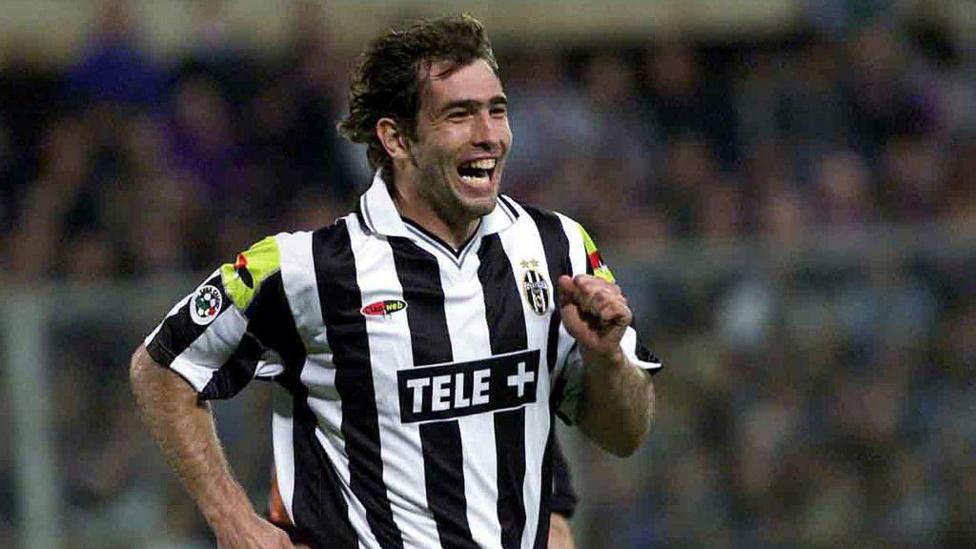
Known as a no-nonsense defender during his playing days, Tudor earned 55 caps for Croatia and made over 150 appearances for Juventus. As a manager, he demands high physical commitment from his players.
"He asks his players to run a lot. In a previous interview he said 'If you don't run, you don't play'," explains L'Equipe journalist Pierre-Etienne Minonzio. "In his one season in Marseille it was always the same way of playing - 3-5-2 - and it was great to watch. It was not easy because Marseille's best player was Dimitri Payet, a very gifted player but not well-known for running, and he didn't play. It was a joke in L'Equipe - if Igor Tudor had Lionel Messi in his squad, Messi would not play!"
During his single season in France, Marseille finished third behind Paris Saint-Germain and Lens, surpassing the previous campaign's points total when they finished second.
"He did pretty well in Ligue 1. What I liked is that he doesn't try to be liked. He is very direct, says what he thinks and doesn't try to be attractive. There is no seduction," Minonzio adds. "It is the same with the players. He keeps his distance and his obsession is to make training intense with a lot of running so they can be physically fit for the game."
Why Tudor's Juventus Tenure Ended
Tudor won consecutive Serie A titles with Juventus in 2001-02 and 2002-03, and started in the 2003 Champions League final, which Juventus lost to AC Milan.
His managerial career began at Hajduk Split, his former club, followed by spells at Galatasaray, Udinese, Marseille, and Lazio before returning to Juventus in March 2025 to replace Thiago Motta.
Initially appointed interim head coach, Tudor was awarded the full-time position after guiding Juventus to a fourth-place Serie A finish and Champions League qualification.
"Tudor is an aggressive manager and that is also what he demands from his clubs," says Italian football journalist Daniele Verri. "A lot of pressing. When he conquers the ball, he goes vertical. Big strong defenders. He likes to play on the wings. But the main characteristic is being aggressive. Juventus brought him in because he was a former player and they wanted Juventus DNA, someone fans could identify with due to his past, being aggressive, vertical, fighting hard."
Igor Tudor led hometown club Hajduk Split to the Croatian Cup in 2013, his only trophy as a manager.
However, tensions reportedly grew following the appointment of Damien Commoli as Juventus' general manager that summer. Tudor was dismissed after seven months amid an eight-game winless streak, with Juventus eighth in Serie A and 25th in the Champions League group stage.
He left with eight wins in 17 league matches, a win rate of 47.1%.
"Commoli and Tudor never really got on. Tudor wanted more say during the transfer market, he wanted Kolo Muani to stay and that didn't happen," Verri explains. "He kept changing the starting 11 and that brought uncertainty. Tension grew. Tudor criticised what Juventus did in the market during press conferences, and openly criticised the players after the Lazio defeat before he was sacked. After a relatively good start, he lost control of the team and they stopped performing. The fans were obviously not happy, they are used to winning. Juventus never really had the impression they could take the next step with Tudor."
Reasons Behind Tottenham's Decision
senior football correspondent Sami Mokbel provides analysis on Tottenham's appointment of Tudor.
"First of all, they wanted an interim head coach until the end of the season. And that immediately narrows the field down. Within that, the Spurs hierarchy were looking for someone with top level managerial experience who plays attacking football. After reviewing their options, it is understood Spurs felt Tudor fit the bill for a few key reasons. He has experience of working at some top European clubs – and managing big name players. Tudor's reputation is for aggressive football with an attacking intent. This element was particularly important to Spurs after criticism of their style of play under Frank. Tottenham are also said to have admired his work improving teams on a short-term basis. For example, his Lazio team were unbeaten in the league for his first two months after he joined. At Juventus, he lost only one of his first nine games. In his first full season, he was unbeaten for his first eight matches. His downfall came quickly, however, following that run after losing three away games in a week – to Real Madrid, Lazio and Como. Tudor will be an interim manager and it is thought that they will be looking to secure a different, long-term option in the summer. However, like with Michael Carrick at Manchester United, it may well be an intriguing conundrum if he hits the ground running and sustains a good run of form through what is left of the season."
Tudor's Managerial Record
- Hajduk Split (2013-2015): 70 games, 1.63 points per game (PPG), Croatian Cup winner 2012-13
- PAOK (2015-2016): 45 matches, 1.51 PPG
- Karabukspor (2016-2017): 21 matches, 1.29 PPG
- Galatasaray (2017): 34 matches, 1.79 PPG
- Udinese (2018): 4 matches, 1.75 PPG
- Udinese (2019): 21 matches, 1.33 PPG
- Hajduk Split (2020): 18 matches, 1.56 PPG
- Hellas Verona (2021-2022): 36 matches, 1.47 PPG
- Marseille (2022-2023): 48 matches, 1.83 PPG
- Lazio (2024): 11 matches, 1.91 PPG
- Juventus (2025): 24 matches, 1.58 PPG
For the latest Tottenham news, analysis, and fan perspectives, visit our dedicated section.
Have questions about Tottenham? Ask what you want to know.


