

Early Connection Between Scaloni and Messi
During Lionel Messi’s challenging international debut in Budapest in 2005, when he was controversially sent off just 45 seconds after entering the match for an incident involving Hungary defender Vilmos Vanczak, Messi received only two passes throughout the game. Both passes came from Lionel Scaloni. While seemingly minor, these two passes marked the beginning of a significant relationship between the two.
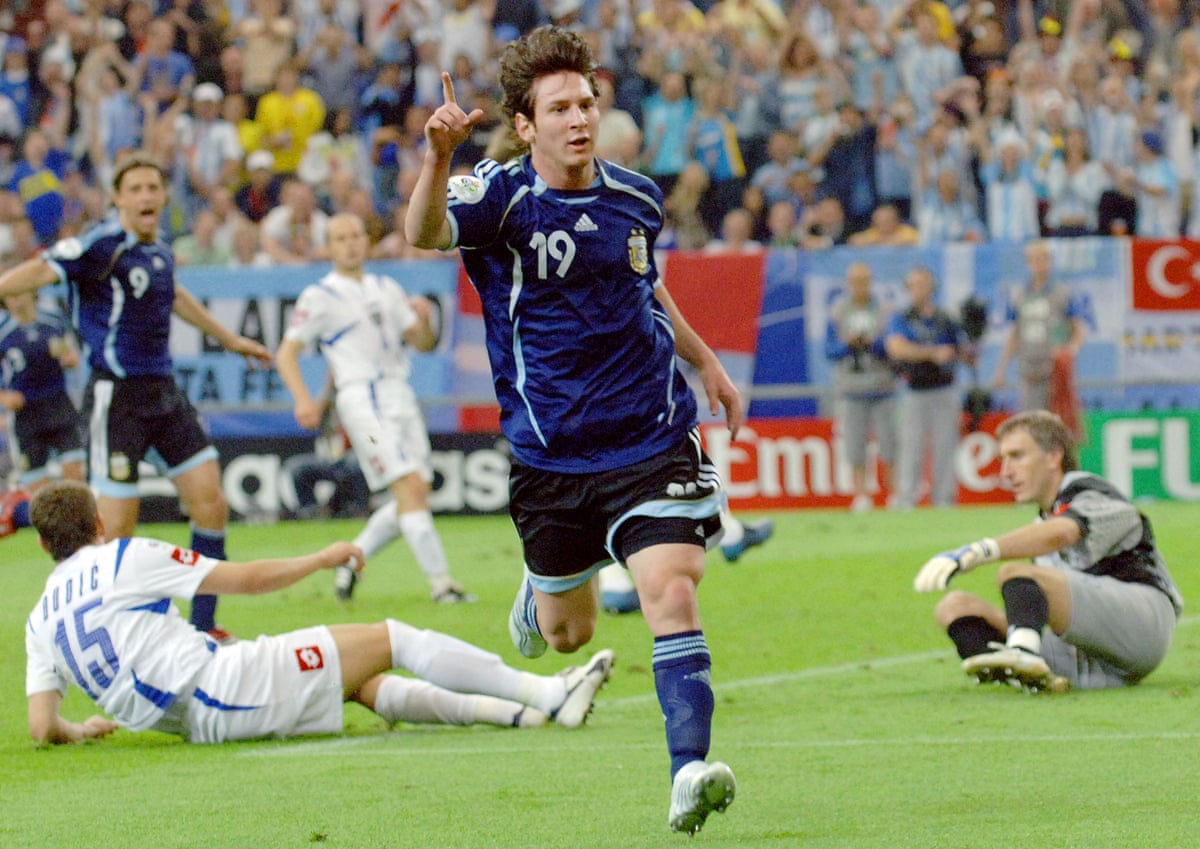
Messi has acknowledged Scaloni as one of the first teammates to genuinely welcome him into the squad. After Messi scored against Serbia and Montenegro in the 2006 World Cup group stage, becoming the youngest Argentine player to participate in the tournament at 18 years and 357 days, Scaloni was the first player to greet him in the tunnel, embracing him warmly. Despite being only nine years older, Scaloni has maintained an almost paternal relationship with Messi ever since.
From Player to Coach: Scaloni’s Unexpected Rise
What followed was an unlikely journey of success. After years of frustration, the greatest player of his generation, arguably one of the greatest in football history, flourished under a coach who initially assumed the role by chance.
Scaloni was appointed Argentina’s manager following the 2018 World Cup, a tournament marked by disappointment. Jorge Sampaoli, who had been hired from Sevilla with high expectations, implemented a high-pressing style that clashed with Argentina’s slower defense. After a draw against Iceland, Argentina suffered a 3-0 defeat to Croatia and narrowly advanced from the group stage with a tense win over Nigeria, secured by a brilliant goal from Messi and a late volley from Marcos Rojo. In the round of 16, Argentina were eliminated by France in a match that was less close than the score suggested, as France dominated most aspects of the game.
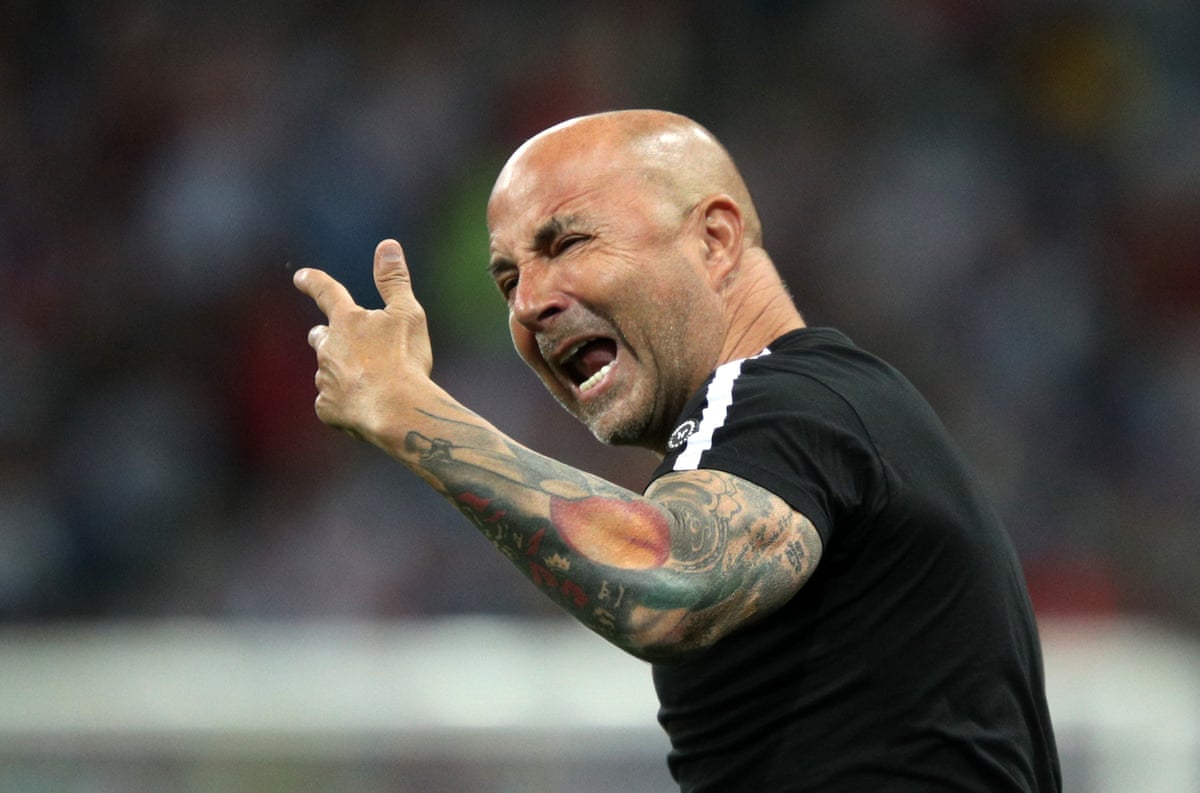
Sampaoli struggled under the intense pressure, often appearing visibly unwell during matches, and resigned after the tournament. The Argentine Football Association (AFA) faced financial constraints and the daunting task of leading a team that had not won a senior tournament since 1993, despite multiple Under-20 World Cup successes and the presence of Messi. Scaloni, who had been the under-21 manager and an assistant to Sampaoli during the World Cup, was appointed as a temporary solution to oversee six friendlies scheduled until the end of the year.
Building a New Team Around Messi
While continuing his role with the under-21 team, leading them at the L’Alcudia tournament in Valencia, Scaloni reached out to Messi, who was silent following Argentina’s penalty shootout loss to Chile in the 2016 Copa América final and uncertain about his future after 2018.
Recognizing Messi’s importance, Scaloni involved Pablo Aimar, a former River Plate and Valencia playmaker who had been Messi’s idol during his youth, in the conversation. Together, they presented a vision of a revitalized Argentina team with Messi at its core.

Messi responded positively, perhaps influenced by their shared football heritage. Scaloni, Aimar, and assistant Walter Samuel had all been part of José Pékerman’s second Under-20 World Cup-winning team in Malaysia in 1997. Messi was a member of Argentina’s fourth youth championship team, and although Pékerman was then the senior national coach, his philosophy of developing players as both athletes and individuals remained influential.
Scaloni’s Leadership Philosophy
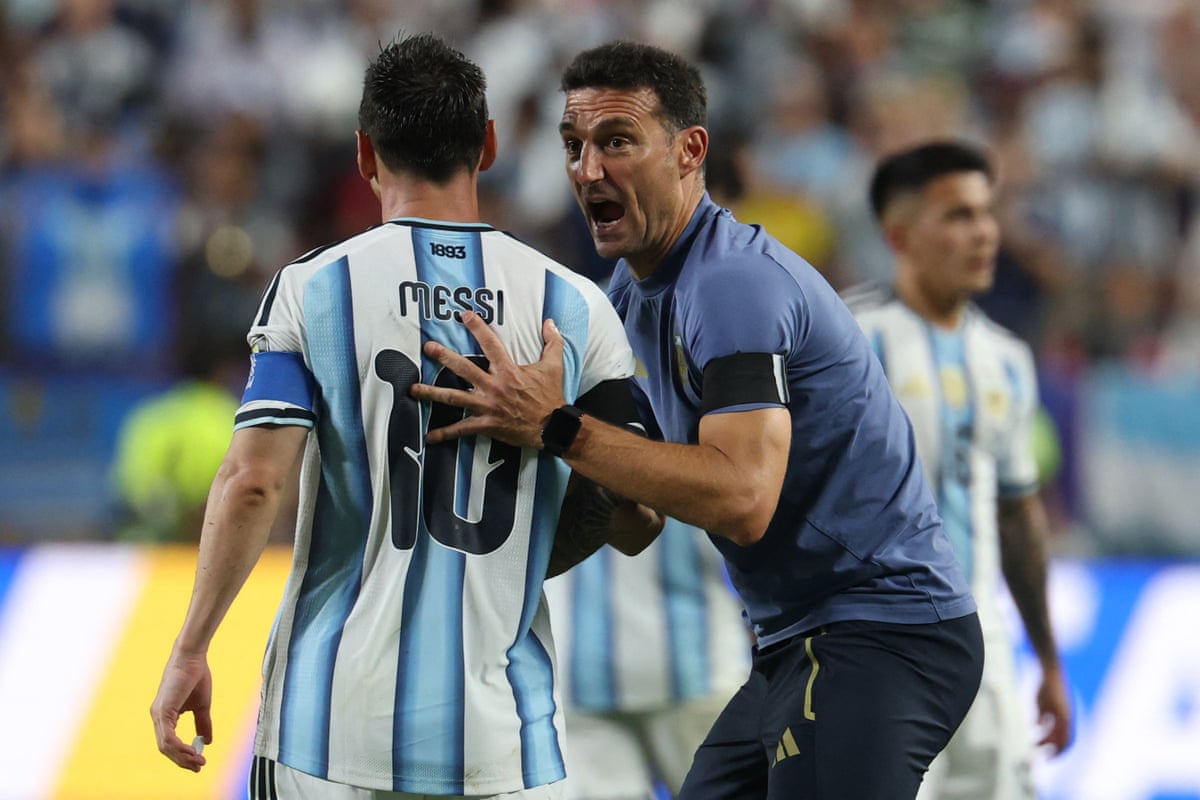
Scaloni’s approach reflects Pékerman’s values. His analyst, Matías Manna, has emphasized that social bonding, such as sharing an asado (barbecue), can be as impactful as numerous tactical sessions. This sense of togetherness has been crucial during major tournaments, where players spend extended periods in close proximity under intense pressure. Argentina’s squad has demonstrated resilience and unity, repeatedly drawing on inner strength to overcome challenges.
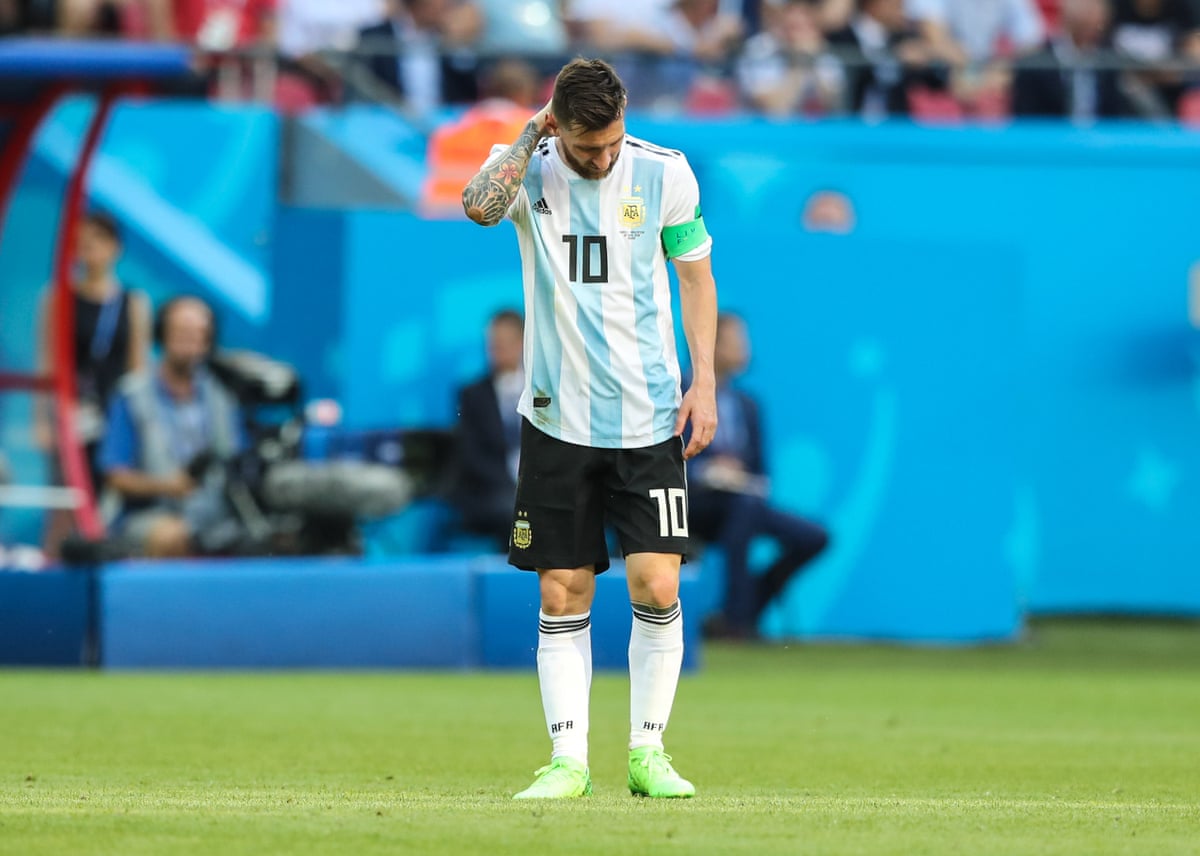
Messi’s role within the team has evolved significantly. He has become a more vocal and effective leader compared to previous tournaments in Brazil and Russia, where he was more reserved. Despite the attention he commands, his teammates do not resent his prominence; instead, they express a desire to win for him. Scaloni remarked earlier in the tournament:
“He has a group of friends by his side, people who will give their all for him, who see him as a god, but also as a kid from the barrio.”
This delicate balance between reverence and camaraderie has been a hallmark of Scaloni’s management.
Calmness and Emotional Strength in Qatar
During the Qatar World Cup, Scaloni’s defining trait was his composure. After victories against Saudi Arabia and Mexico, he reassured the nation:
“The sun will rise tomorrow.”
At times, it seemed he bore the responsibility for the stability of an entire country. His emotional release following the winning penalty in the final shootout was a poignant moment, revealing a humble and reserved man overwhelmed by the significance of his achievement.
Throughout the tournament, Scaloni has shown increasing emotion, to the extent that he was unable to complete his post-match interview after the victory over Egypt. Like his players, he appears to be riding a powerful emotional wave, striving to maintain composure. Should he sustain this for the remaining two matches, he will become only the second manager, after Vittorio Pozzo, to win two World Cups. This remarkable feat comes from a man who was appointed primarily because the AFA could not afford a more renowned coach. The accidental manager is on the verge of becoming the greatest World Cup coach in nearly a century.


