

Weather Concerns Ahead of World Cup 2026
With only a month remaining before the commencement of the world's largest football tournament, focus is shifting beyond teams and venues to the potential impact of weather conditions.
Heat, thunderstorms, and poor air quality caused by wildfires are common summer phenomena across the United States, Canada, and Mexico, the three countries hosting the tournament.
Humidity may also significantly influence any weather-related disruptions during the World Cup.
Fifa has recognized the challenges posed by hot weather and, under its "commitment to player welfare," has mandated three-minute cooling breaks in each half of every match throughout the tournament.
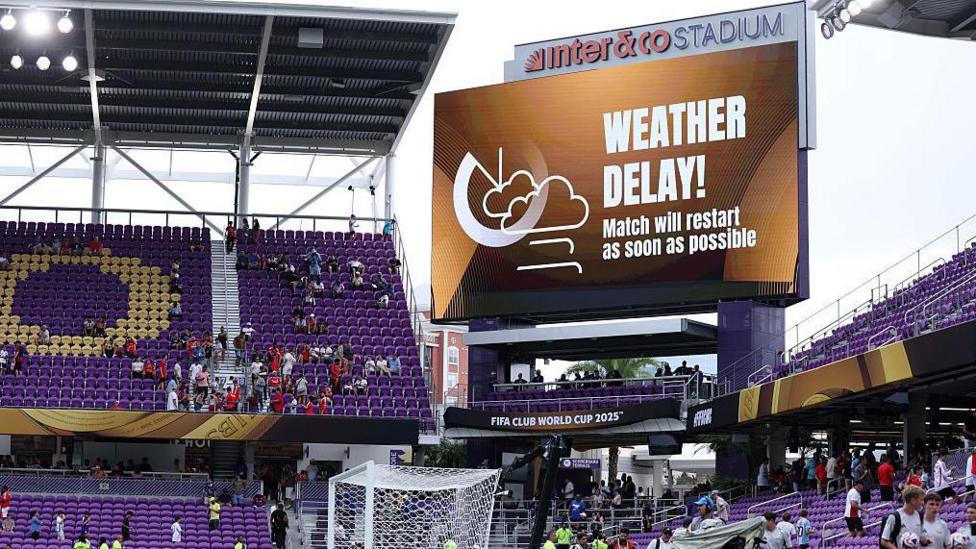
During the 2025 Fifa Club World Cup, thunderstorms caused multiple game delays, including a two-hour interruption in the Chelsea versus Benfica match. Chelsea's manager, Enzo Maresca, commented that the US might "probably not be the right place to do the competition."
Projected Temperatures in Host Cities
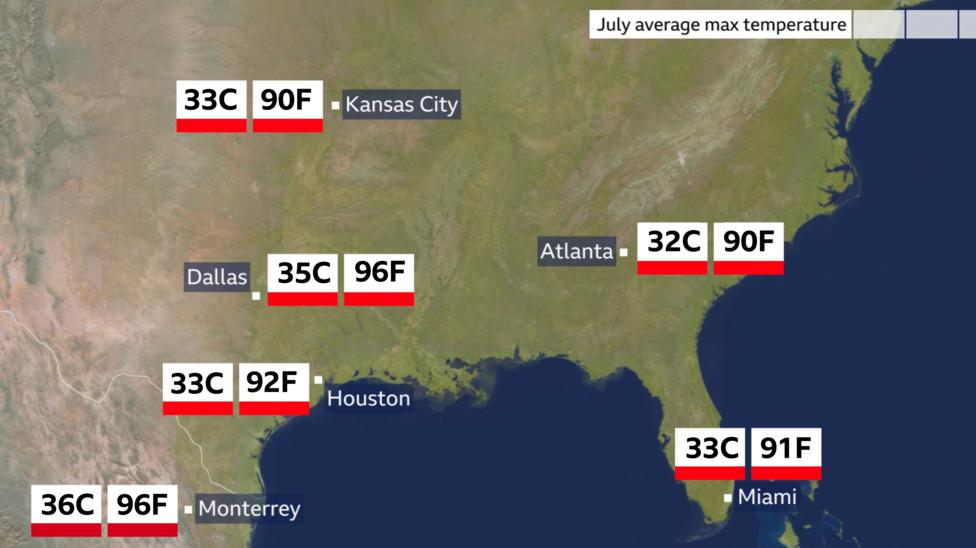
Many host cities are familiar with high summer temperatures.
In southern US regions and northern Mexico, average daytime highs typically range from the low to mid-30s Celsius (mid-90s Fahrenheit), with occasional spikes approaching 40°C (104°F) during heatwaves.
When considering temperature, humidity, wind speed, and solar radiation, players in these cities face a heightened risk of extreme heat stress.
Humidity exacerbates heat stress by impairing the body's ability to cool itself.
Two heat indices are particularly relevant this summer: the "feels like" temperature, which reflects perceived heat rather than actual air temperature, and the Wet Bulb Globe Temperature (WBGT), which measures physical heat stress on the body.
For example, in Miami, a typical summer air temperature of 32°C (90°F) can feel like 43°C (109°F).
A WBGT of approximately 28°C (82°F) is generally regarded as the threshold where heat stress becomes a significant concern for elite athletes.
A 2025 study published in the International Journal of Biometeorology found that 14 of the 16 host locations exceeded WBGT levels of 28°C (82°F) during summer afternoons.
Heat Stress Warnings for 2026 Venues
Six host cities—Miami, Houston, Dallas, Monterrey, Kansas City, and Atlanta—may experience WBGT values reaching or exceeding 32°C (90°F) in the afternoon, indicating extreme heat stress where the body struggles to regulate temperature.
To mitigate these risks, matches are typically scheduled outside peak heat hours, with many kick-offs in the late afternoon or evening. For instance, Scotland's Group C match against Brazil in Miami is set to start at 18:00 ET (23:00 BST).
Some stadiums, such as those in Houston and Dallas, feature retractable roofs and climate control systems to moderate environmental conditions.
North America and Mexico frequently experience summer heatwaves, with temperatures rising 10°C (50°F) or more above average, potentially creating more challenging conditions for players and spectators.
For example, New York, the site of the 2026 World Cup final scheduled for 19 July at 15:00 ET (20:00 BST), could see air temperatures in the mid-30s Celsius (mid-90s Fahrenheit) and WBGT around 30°C (86°F) during a typical heatwave, leading to extreme heat stress.
Thunderstorm Interruptions
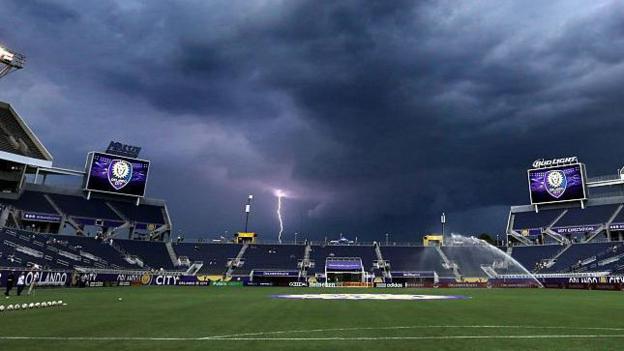
Thunderstorms pose a significant risk of visible disruptions to matches.
Summer thunderstorms are common, especially in cities like Miami, Houston, and Atlanta, where warm, humid conditions often trigger afternoon and evening storms.
US regulations recommend suspending play if lightning is detected within 10 miles of a stadium, with a mandatory pause lasting at least 30 minutes after the last lightning strike.
For example, the Miami Formula 1 Grand Prix was rescheduled three hours earlier due to thunderstorm and lightning risks. The race circuit is adjacent to Hard Rock Stadium, a venue for multiple World Cup matches.
While match times may be adjusted to avoid storms, the unpredictable nature of thunderstorms presents a significant challenge for tournament organizers.
Wildfires and Air Quality Concerns
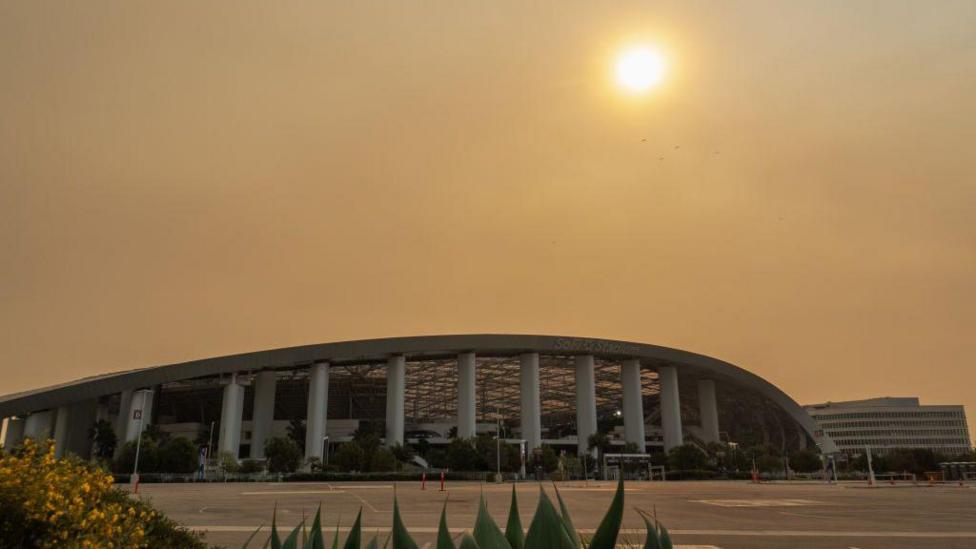
The 2026 wildfire season in the US has commenced early, with an above-average number of active wildfires.
In 2023, extensive wildfires in Canada produced smoke that spread across much of North America, impacting cities thousands of miles away.
Hazardous air quality levels were recorded in parts of the US, including New York, causing widespread disruptions and cancellations of sporting events.
Fifa does not have a fixed air quality threshold for suspending matches; decisions to delay or halt play will depend on real-time assessments and local public health guidance.
Implications for Fans
Managing extreme weather will be a continuous concern for players and organizers throughout the tournament. Fans may experience the effects in various ways.
High temperatures could make stadiums and fan zones uncomfortable, while thunderstorms might cause delays or temporary evacuations.
Delays and postponements could disrupt transportation plans, extend match end times into late night hours, and affect hotel bookings.
For UK viewers, the time difference already results in many matches occurring in the evening or overnight; weather-related interruptions could prolong viewing times, leading to very late nights for some.
Additional Information
For more details, see coverage on what to expect from the 2026 Fifa World Cup and potential weather impacts this summer.


