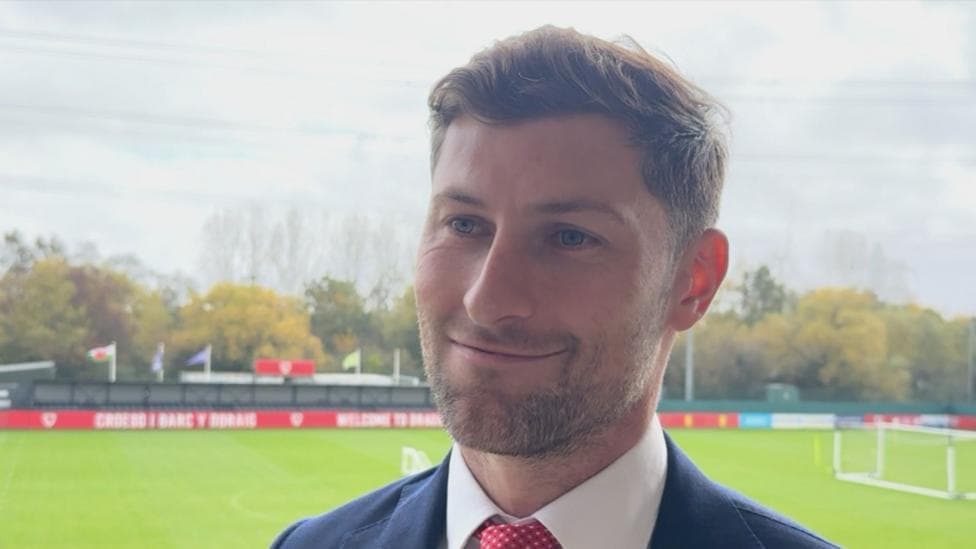
Ben Davies, Wales captain and Tottenham Hotspur defender, has taken on a new role that extends far beyond the pitch. Appointed to the FAW Council in August 2026 as a dedicated player representative, the 33-year-old is now shaping the future of Welsh football from inside the governance structure. According to BBC Sport, Davies was granted rare access to observe the FAW council's inner workings at Dragon Park in Newport, where he joined fellow executives to discuss strategic direction for the nation's game.
Davies shares the player-representative role with Charl Galloway, as part of an eight-person cohort appointed on 1 August 2026 following an open recruitment process. The new appointees also include coaches Lauren Smith and Nana Baah, supporters' representatives Dr Penny Miles and Gareth Watts, and youth representatives Eleeza Khan and Begw Elain. This expansion reflects the FAW's modernisation efforts to bring broader expertise and diverse perspectives to its decision-making apparatus.
Why a player in the boardroom?
Davies' motivation for taking on administrative responsibilities alongside a demanding playing schedule stems from a desire to give back to the sport that has defined his career.
Firstly, it's an absolute honour and privilege to play football for Wales. Because of that honour and how much I've loved doing it - and still love doing it - you want to give back in any way you can. If I can help using my stature and position as a player to help Welsh football, I'm more than happy to do that.
The 33-year-old's appointment comes at a time when he remains an active and valued member of the Wales squad. Davies passed 100 Wales caps in October 2025 and has accumulated more than 350 appearances for Tottenham since joining the club in 2014. Tottenham triggered a one-year contract extension in June 2026, keeping him at the club until June 2027, ensuring his continued availability for both club and country.
What perspective does a player bring to governance?
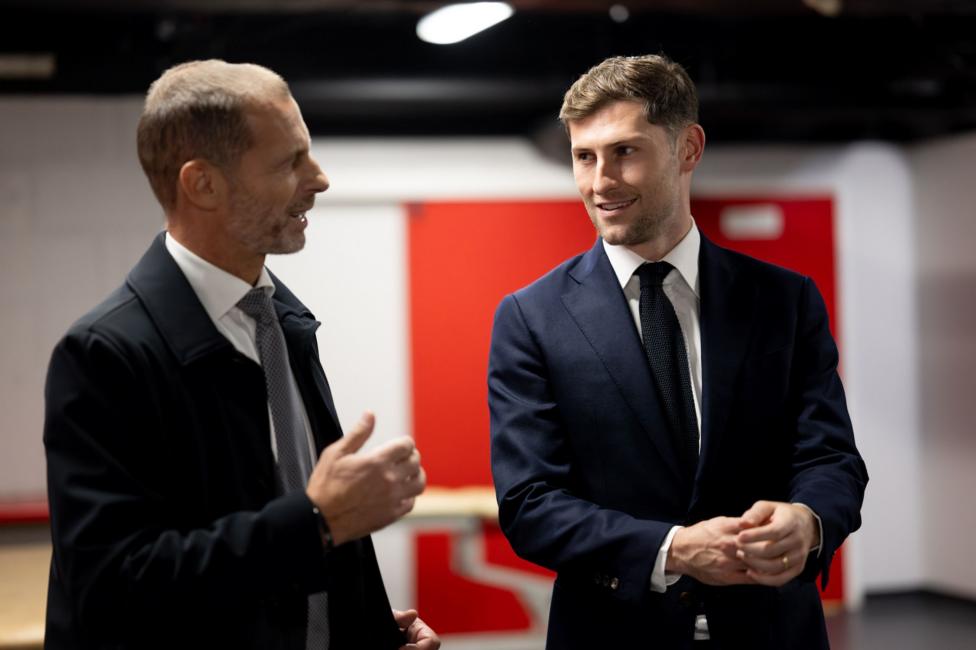
Davies recognises that the FAW council room contains seasoned administrators with decades of operational knowledge, but he identifies his unique contribution as grounded in direct experience of elite-level football.
There are a lot of people in that room with a lot of experience that know a lot about what goes on behind the scenes in football. [They] probably know a lot more than I do. I've only been a player. But ultimately, I'm here with a player's voice. Having played at the highest level for a long time, I want to be able to maintain those standards, bring us up to the levels that I've seen in the world of football, maintain us, and put us in a good place going forward.
The FAW council has undergone significant structural change in recent years, with a notable contingent of women and people from previously underrepresented ethnic backgrounds now present at meetings. This diversification complements Davies' appointment, ensuring that governance decisions reflect a wider range of voices and lived experiences within modern football.
Rather than pursuing a narrow agenda, Davies frames his mandate as broad-reaching.
I want to see that Welsh football is giving the best opportunity to all players at every level - not just at the professional level like we are, but throughout the Welsh leagues and down to the grassroots as well. If I can impart any of my advice or where I've seen things that work or don't work throughout my time as a player, I can give my opinions, and hopefully that's acted upon, then all the better for Welsh football.
How is Davies viewed within the FAW leadership?
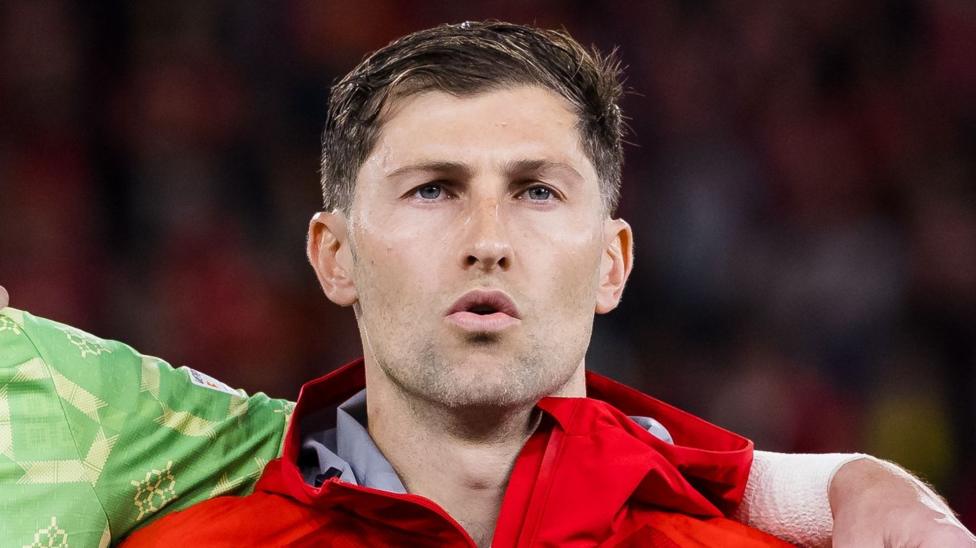
FAW president Mike Jones expressed confidence in Davies' early contributions to council discussions.
He spoke this morning - and there are quite a lot of people who don't speak in there. You always find in a community of people that some will have louder voices than others, some are quite comfortable standing there and talking, and some aren't. But he actually spoke up this morning, which is a good indication of what's to come. As a professional player, if Ben tables some issue that we would never have found out if we didn't have him on the council, it can keep pushing us to best practice.
Jones highlighted Davies' suitability for the role, noting his articulate communication style and intellectual foundation. A holder of a degree in Business Management, Davies has previously represented Welsh cultural interests on wider public platforms, including a visit to Downing Street. His involvement with UEFA governance structures, where he has worked alongside Jones at congresses, further demonstrates his readiness for administrative responsibility.
Ben does some work for Uefa, as I do, and we were together last year at some of the congresses. I understand his passion and why he wants to be here. It's early days, but I'm expecting big things from him.
What lies beyond playing?
Davies has also earned his UEFA A Licence in coaching, providing him with multiple pathways as his playing career eventually concludes. However, he remains uncertain about which direction his post-playing future will take.
Look, hopefully [retirement] is still quite a few years away. I feel fit. I love playing football, and I want to play as long as I can. But you're a long time retired in this game, and I don't see myself just doing nothing after football. For me, it's a great learning experience as well - to see how it all works behind the scenes in the world of football. This is a great start. It's more than just a role for me; it's great to be able to give back as much as I can to a footballing country that's given me so much.
While many retiring professionals instinctively move into coaching or management, Davies is exploring less-travelled territory for former players.
It's hard to put a nail in it where your future lies. If something falls on my lap in the coaching world, then maybe that will be my route. But I want to be able to use my expertise and what I've learned in the best way that it can be, and I don't know what angle that takes after football yet. I'd like to be someone who maybe, at some point, crosses that divide from a player to the boardroom or a front-office kind of role, because I haven't seen too many players over the years who have done that. I think it definitely adds a pretty good perspective when making decisions.
Davies' willingness to chart a course beyond the traditional coaching pathway reflects a broader shift in how elite players approach their post-career planning. His council appointment serves as both an immediate contribution to Welsh football governance and a potential blueprint for how former players might transition into administrative and strategic roles within the sport.