

Introduction
Inside the 25,000-seater Estadio Hidalgo in east-central Mexico, fans display a tifo featuring a miner holding a pickaxe in one hand and a pastry with a distinctly crimped edge in the other. Flanked by two identical flags—black with a white cross—this figure is instantly recognisable to those familiar with the United Kingdom's southernmost county, Cornwall.
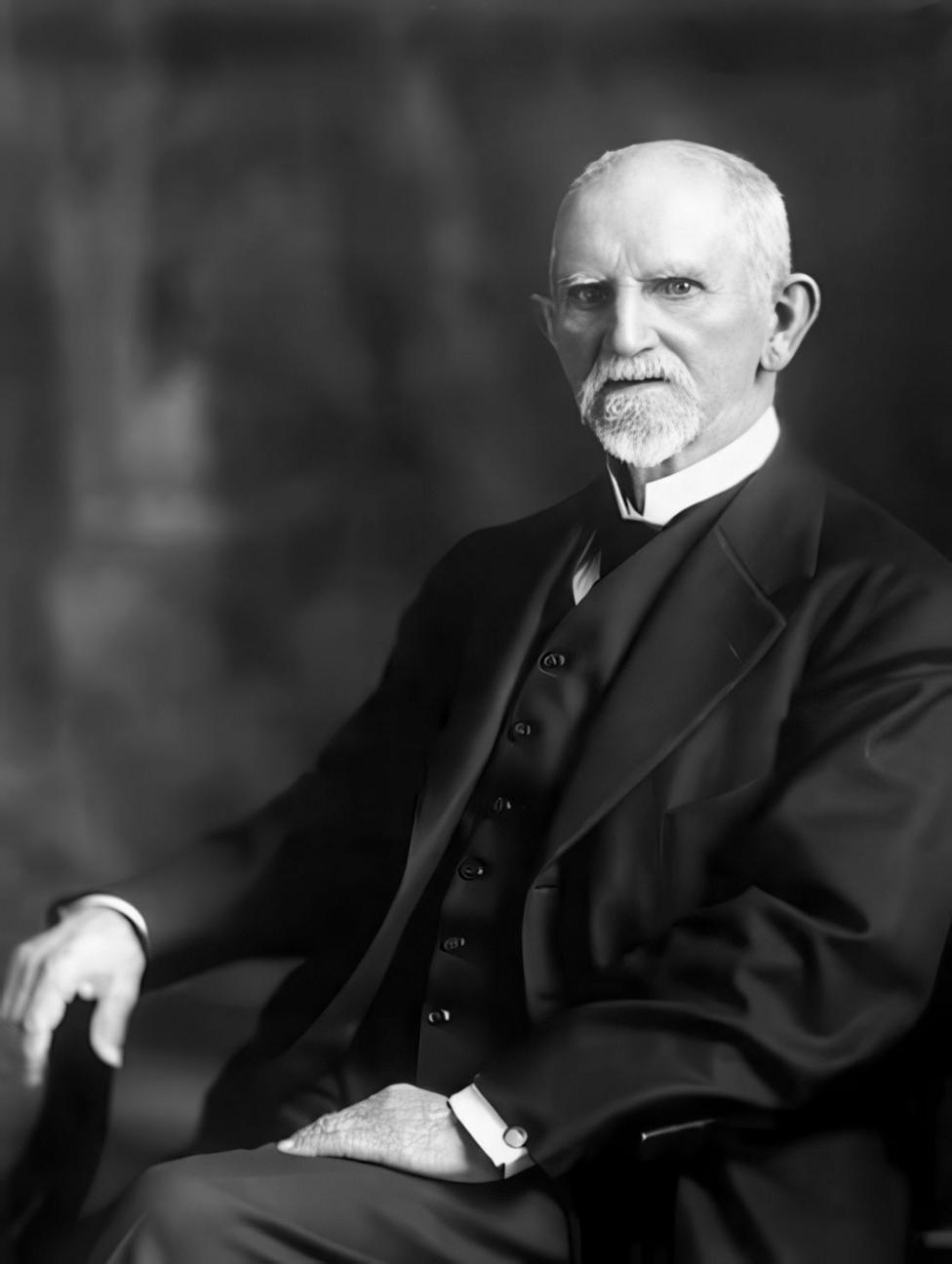
The supporters of CF Pachuca, widely acknowledged as Mexico's first football club, are honoring their origins. They celebrate the story of how miners from Cornwall contributed to introducing football to Mexico, now one of the world's most passionate football nations and a co-host of this year's World Cup.
The Transatlantic Mining Connection
The connection between Hidalgo and Cornwall dates back to 1824. Mexico's mining sector, once the foundation of the country's economic success, was devastated after a decade-long war that led to independence from Spain. This decline attracted the attention of John Taylor, a mining engineer who had successfully invested in Cornish mining, especially in the village of Gwennap.
"He had taken a group of failing and flooded mines and turned them into a success and he looked at the mines of Real del Monte and thought, 'I can do the same there'," Cornish mining migration specialist Dr Sharron Schwartz tells .
Taylor's involvement resulted in hundreds of Cornish miners traveling between Cornwall and Hidalgo over the following decades. This migration facilitated a cultural exchange, including the sharing of sports.
Early Sporting Activities: From Cricket to Football
The earliest recorded sporting activity involving Cornish miners in Hidalgo was cricket. In the late 1850s, before the formal establishment of Association Football rules in England, Frank Rule, a Cornish native and mining magnate, founded a cricket team in Pachuca.
"The football clubs came out of the cricket clubs," Dr Schwartz explains. "In fact some of them were interchangeable and the cricketers were the footballers."
Frank Rule was known in Hidalgo as 'the silver king' due to his significant role in the state's mining industry.
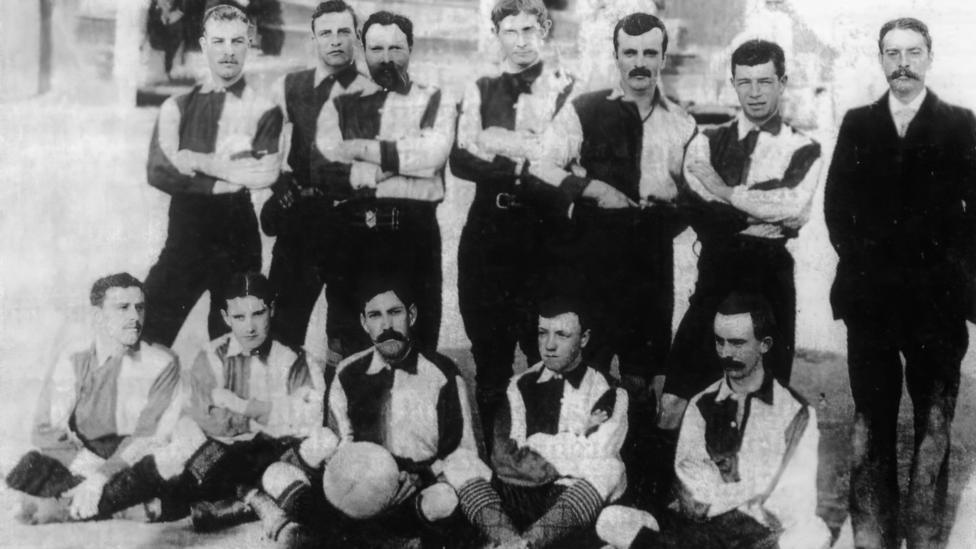
The first documented mention of a football team in Pachuca appeared in 1892, when a local newspaper reported on a reorganisation of the team following a "schism". This rift was between those in Pachuca and "the mountain men," referring to residents of Real del Monte.
"When I read this I laughed, I thought 'how Cornish'. The Cornish love a schism. They were told to get their acts together and make their team stronger."
In 1895, a meeting convened by Rule led to the amalgamation of the Pachuca Cricket Club, Pachuca Football Club, and Velasco Cricket Club, forming the Pachuca Athletic Club. Rule donated land near his hacienda for the club's matches, stipulating that games would not be held on Sundays due to his Methodist beliefs.
The Growth of Football in Mexico
By 1902, other football clubs had emerged in regions such as Orizaba in Veracruz. Orizaba contests Pachuca's claim as Mexico's first club, asserting their own precedence. These clubs, along with three others, established the Liga Mexicana de Football Amateur Association, Mexico's first recognized football league.
Orizaba won the inaugural league title in 1902, while Pachuca secured the championship in the 1904-05 season. Football was not only a pastime for miners; Cornish women also played a significant role in matchday culture.
"They loved to turn out [for matches] and often wore the club colours," says Dr Schwartz. "The first reference to pasties being consumed [in Mexico] was when play stopped in a cricket match. I can imagine those were cooked by the Cornish ladies."
Pasties were essential for miners, with their thick crust serving as a handle for dirty hands and a durable pastry that could withstand being dropped down mineshafts.
Shared Culture and Language
The ongoing movement between Hidalgo and Cornwall fostered a unique shared culture despite the distance. Dr Schwartz notes that Spanish was commonly spoken alongside English in bars in Redruth and Camborne, Cornwall.

Antony Martin, whose great uncle William Bray was a prominent Pachuca player in the early 1900s, recalls that Bray's siblings brought Mexican customs back to England.
"They used to have bread with every meal, which is a Mexican thing, and put cayenne pepper on everything. Absolutely everything. They both still spoke Spanish," says Martin.
"But I remember my grandmother and great aunt were so proud of Cornwall and everything to do with Cornwall, yet until they were teenagers they'd spent their whole lives in Mexico in Pachuca."
Inclusion of Mexican Players and Club Evolution
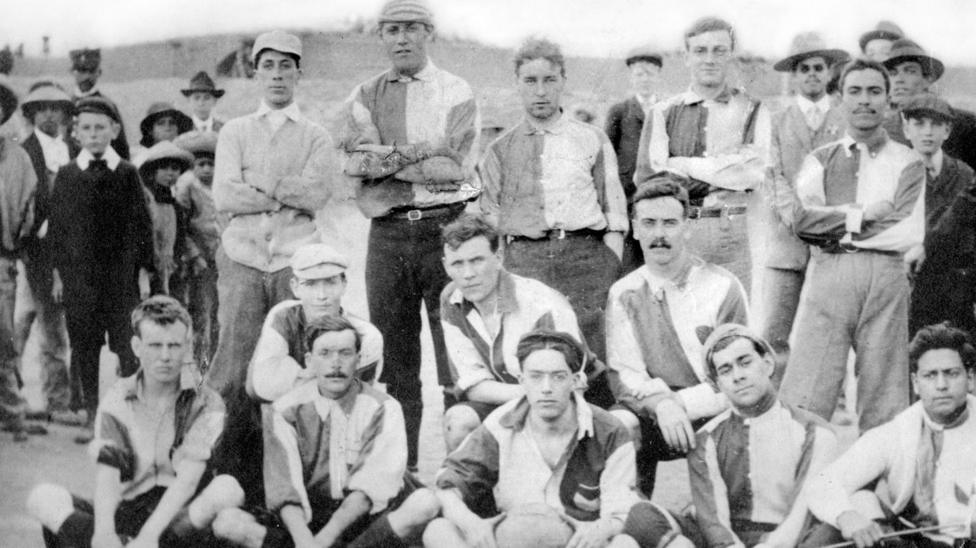
Pachuca welcomed its first Mexican player, David Islas, in 1908. He was invited by Alf Crowle, son of a Cornish miner from St Blazey. Crowle, who later became player-manager, was recognized for breaking down ethnic and social barriers.
"He's probably Cornish-Pachuca's most famous son, as far as football goes," Dr Schwartz adds.
Following the Mexican Revolution in the early 1920s, many residents of Pachuca, including Crowle, relocated, causing the club to lose numerous players. Pachuca participated in its last tournament of the amateur era in 1922 before folding shortly thereafter.
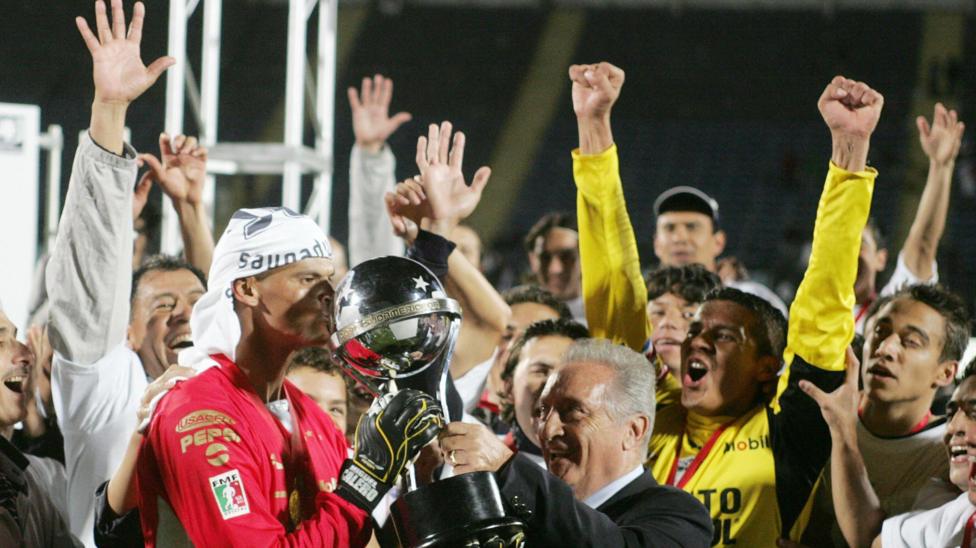
The club was reformed in 1950, folded again, and re-established in 1960. Since then, Pachuca has achieved significant success, winning seven Mexican league titles and the Copa Sudamericana in 2006.
Club Heritage and Identity
Eduardo Hernandez, a Pachuca fan, emphasizes the importance of the club's heritage to its supporters.
"The club is very proud of it. We were founded by miners and they brought the football to us. People are aware of that."
The club's nickname, 'Los Tuzos,' translates to 'the gophers,' a burrowing rodent native to North and Central America, symbolizing their mining heritage.
"It's part of our identity. You can find the word around Pachuca, for example our bus is called 'Tuzobus'. Everything is 'tuzo' around here. It's part of what we are."
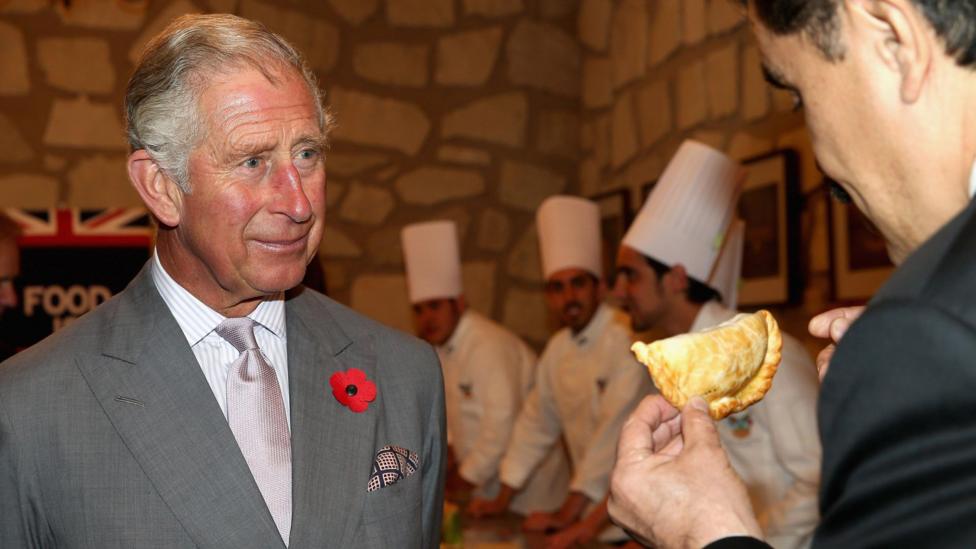
Pasties, or 'pastes' as they are known in Mexico, remain a staple in Pachuca and Real del Monte, with shops selling them and Cornish flags displayed in traditional stores in Real del Monte.
Real del Monte also hosts the annual International Pasty Festival since 2009 and features a pasty museum.
Pasties are integral to matchdays in Hidalgo, typically filled with beef and vegetables like their Cornish counterparts but often with added chili.
"It's our most traditional dish here in Pachuca. If you don't have much time, there's always a pastes store around the corner," Hernandez says.
Football in Cornwall and Future Connections
In Cornwall, grassroots football is a regular activity, though the county is not widely known for producing football exports. Kernow FA, a football alliance representing Cornwall internationally, aims to organize a match between their Cornish team and Pachuca in Mexico to inspire football development in the county.
Mexico will become the first nation to host a men's World Cup three times this summer.
"In every World Cup, we're the fans who bring the most colour and energy to the tournament, and being at home it has to be even better," Mexico's second all-time leading goalscorer and former Pachuca striker Jared Borgetti says.
"We want the world to realise what we Mexicans are like."
One thing the transatlantic cousins of Cornwall and Hidalgo will summer is enjoying the World Cup with a pasty—or paste—in hand.


