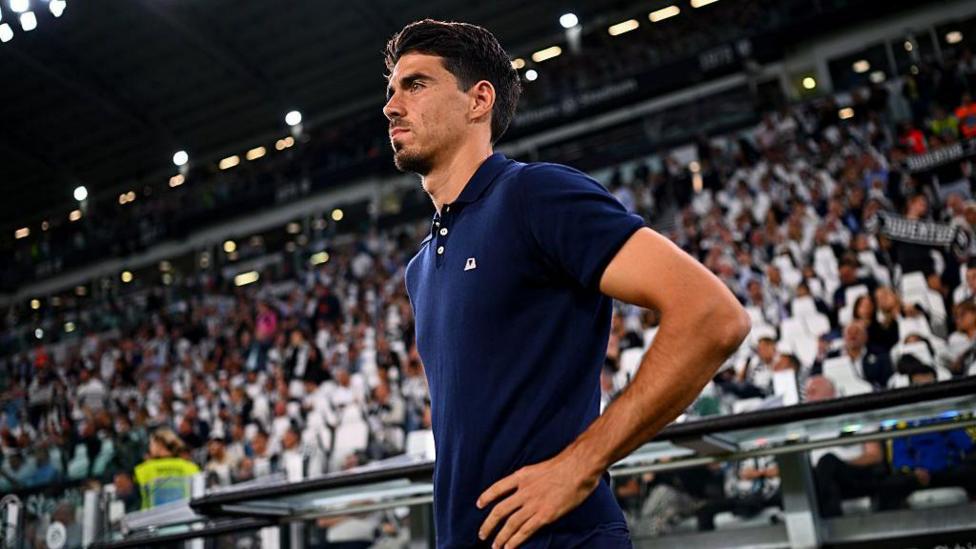
From Arsenal Assistant to Parma Head Coach
Carlos Cuesta played a significant role in Mikel Arteta's coaching team at Arsenal, joining the club in August 2020. After five years as Arteta's assistant, Cuesta embarked on his first managerial role at Parma, becoming the youngest head coach in Europe's top five leagues at age 30.
Before this, Cuesta had experience coaching youth teams at Atletico Madrid and Juventus. Since taking charge of Parma last summer, he led the club to a 13th-place finish in Serie A for the 2025-26 season.
Cuesta retired from playing football at 18 and pursued a degree in sports science, but coaching was always his ambition.
"You need to increase the probabilities and that comes from doing the things that you think will help you," Cuesta explained regarding his pathway into coaching.
Early in his career, Cuesta reached out to staff members at Real Madrid and Atletico Madrid via social media, which led to volunteering opportunities with Atletico's youth teams.
"I was very lucky," he said. "During the journey I found incredible people that were super willing to help me to grow, that were super available, opening the doors of their knowledge. I learnt a lot. I had great inspirations."
One of those inspirations was Mikel Arteta, who became both a friend and mentor. Cuesta worked alongside Arteta at Arsenal for five years.
Upon leaving Arsenal in June 2025, Cuesta expressed optimism about the club's future.
"I'm convinced that the best moments for this football club are still yet to come."
Reflecting on Arsenal's recent achievements, Cuesta praised both the club and Arteta, while distinguishing their successes from his own contributions.
"I'm extremely happy for them," he said. "They deserve everything. Every person from this organisation, and especially Mikel.
"A lot of people can see how incredible he is, and the only thing I can say is that he's even better than what people see.
"When you know him day to day, only then can you understand that he's even better. He's an incredible human being, leader and coach."
Building a Team at Parma
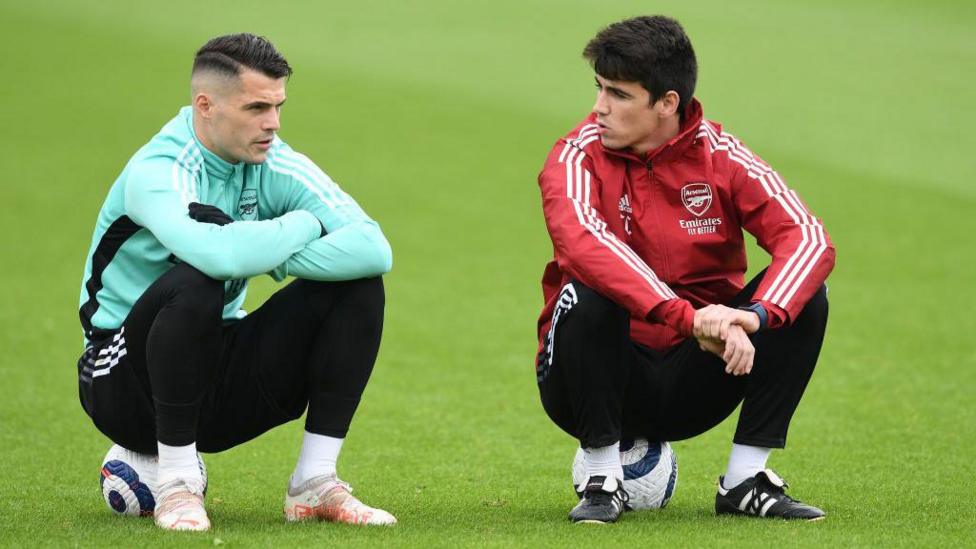
Granit Xhaka, who is three years Cuesta's senior, has spoken highly of Cuesta's coaching abilities, predicting managerial success before Cuesta's move to Parma.
Having made the bold decision to leave Arsenal in 2025, Cuesta now faces the challenge of constructing his own team at Parma. The club has a rich footballing history, having been home to legends such as Lilian Thuram, Gianluigi Buffon, Fabio Cannavaro, and Gianfranco Zola.
Currently, Parma is in a rebuilding phase, aiming to recapture the success it enjoyed in the late 1990s.
"It depends," Cuesta said when asked about rebuilding a club. "First, on what your team's targets are, what your capabilities are, and what the philosophy of the club is.
"Everything depends on context. Once you understand the situation you find yourself in, you can identify the priorities and where to start building. You need a clear vision about how the team will evolve over time."
For Cuesta, establishing a shared direction within the team is the starting point.

"The first thing we need is a collective guideline. I want to be clear about where we want to go, what the identity of our team will be, and what our macro principles are.
"Then we look to understand the qualities of each individual so we can make the vision work and the team evolve.
"I don't focus as much on the system. I try to focus a little bit more on the characteristics of the players that we have at our disposal, and from there decide which principles best suit our team."
During the 2025-26 Serie A season, Parma won 11 of their 38 matches under Cuesta's management.
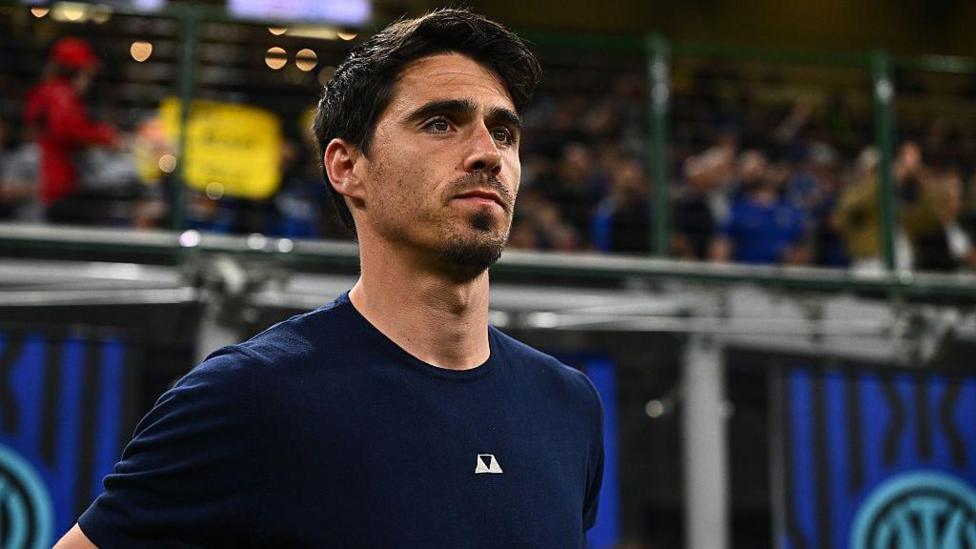
Throughout his first season, Cuesta learned valuable lessons while building a stable squad. Initially, he alternated between a back four and a back five defensive formation.
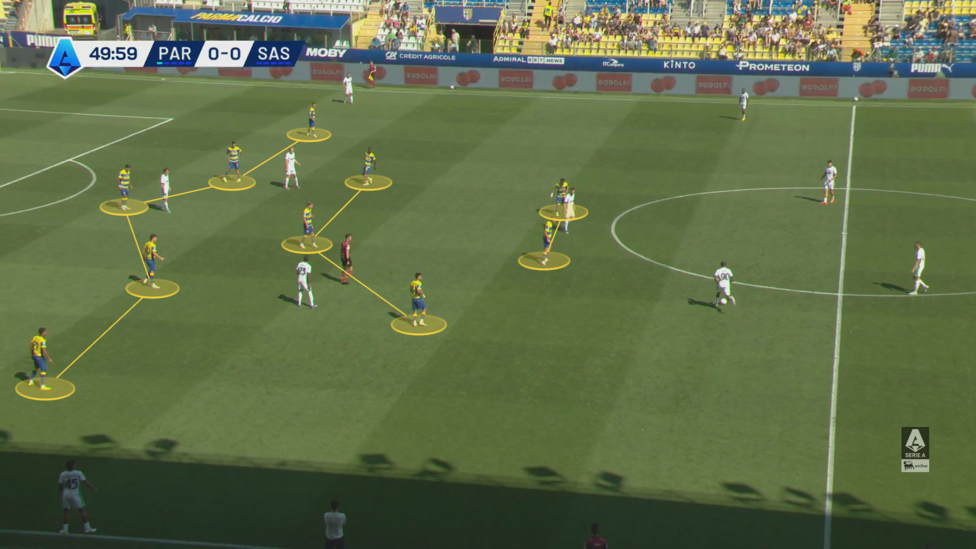
By February, Parma had adopted a more consistent 5-3-2 formation.
"That gives you more cover inside," Cuesta explained.
"Sometimes on the switch, if you don't handle the rhythms of shifting across you can suffer a little but it gives you density in central areas and you can be a threat on the counter, in relation to how you play with your strikers.
"If they do more blind-side movements, if they start to play a little bit more on the shoulder, it's good."
The balance between creativity, freedom, and structure is a widely debated topic in coaching, and Cuesta has given it considerable thought.
"The references, the principles, the macro guidelines allow you to have more creativity because if you don't have clear references and signals to recognise during the game, it becomes total chaos.
"We try to have people close to each other that are complementary. One way of getting players to interact better is to have them get to know the players close to them – on the pitch and socially. Spend time with them so you can better understand the likes of your team-mate.
"People think that all the pieces of the tactics board are the same but in practice, they all have different characteristics.
"Tactics are not just about space occupation. It's 'how do I take advantage of this space?' It's about timing. It's about habits."
Parma's defensive shape in the latter half of the season was a 5-3-2 formation with clear tactical references for players to follow.
Balancing Consistency and Flexibility
Cuesta holds clear footballing ideals but maintains a pragmatic approach to management.
"In football, I think that you need to choose black or white," Cuesta said. "It doesn't mean that if you choose black, for your whole life you will do black. But it does mean that in this context maybe black is the better choice.
"At the same time, this black needs to have different tones. If someone looks at it, they know what colour it is, but there is room for it to look slightly different depending on what you need."
This metaphor aptly describes Cuesta's work at Parma so far.
"The ideal version of my team is complete, very dominant on the ball, able to attack open spaces with speed and attack small spaces when the opponent is deep," he said.
"At the same time, it is a team that is relentless without the ball, able to regain it high but when needed, able to protect the goal deep."
During the 2025-26 season, Parma's style leaned more towards defensive solidity and efficiency rather than attacking dominance.
The team finished the campaign with 44.4% possession and recorded the second-fewest touches in the opposition penalty area per 90 minutes in Serie A, with 11.67. They scored 28 goals, the third fewest in the league, but those goals yielded an average of 1.68 points each—the best return in Europe's top five leagues.
Having established a foundation based on the players' strengths, Parma and Cuesta aim to further develop their game model.
Though his tenure in Italy is still in its early stages, Cuesta's assured first season and thoughtful approach suggest that interest in him extends beyond his age to the ongoing evolution of his coaching philosophy.