

Scotland's Strong Finish Before World Cup
“I think a medal of some sort will come. I pray and hope that it is the gold one.”This hopeful statement by Ally MacLeod was never fulfilled, as Scotland's losses to Peru and a draw with Iran dashed those dreams. In contrast, Steve Clarke has avoided making bold predictions, leaving the excitement to others, which is understandable given the circumstances.
In their final match before Scotland's first World Cup appearance in 28 years, the team convincingly defeated Bolivia. Concerns about the upcoming crucial match against Haiti next weekend were alleviated by this performance. If Clarke's team maintains such ruthlessness and efficiency during the tournament, Scotland stands a strong chance of advancing beyond the group stage for the first time in their history. What was expected to be a routine friendly instead provided significant confidence for the Scottish squad. This match against Bolivia will be fondly remembered as a milestone.
Lawrence Shankland, Scott McTominay, and Ché Adams, who scored twice, had Scotland leading 4-0 by halftime. While the opposition was not the strongest, this mirrors the level Scotland will face in their opening Group C match. The team eased off in the second half but maintained an admirable approach throughout. The critical question remains: will Scotland perform as well on the World Cup stage?
Shankland has now secured his place as a likely starter for the Haiti match, joining Andy Robertson, Aaron Hickey, McTominay, and John McGinn in that category. Clarke is expected to consider Adams alongside Shankland in attack, although Lyndon Dykes' impact in the recent victory over Curaçao introduces some uncertainty. Decisions on starting goalkeeper and centre half for the Boston match remain challenging. Ryan Christie's strong showing against Bolivia should boost his chances against Haiti.
Match Highlights in New Jersey
In the sweltering heat of New Jersey, Scotland began the game strongly. Robertson combined well with Christie before delivering a chipped cross to the back post. Bolivia's goalkeeper, Guillermo Viscarra, should have done better with Shankland's header, but the striker was unfazed, marking his third goal in two games. Adams was lively, testing Viscarra and narrowly missing with a shot.


The second goal came quickly. Shankland passed back to McTominay, whose low 18-yard drive beat the unconvincing Viscarra. Bolivia found brief respite during the first drinks break, but it was short-lived.
Scotland's third goal was impressive. Hickey supplied a pass to Ben Gannon-Doak, who had faced criticism for his decision-making. Gannon-Doak responded by delivering a perfect cross to Adams, who scored with ease. Typically underwhelming in friendlies, Scotland were dominant.
This performance was encouraging for Clarke, as Bolivia are ranked higher than Haiti, Scotland's likely must-beat opponent to progress to the World Cup's last 32. Viscarra demonstrated his worth with an acrobatic save from Gannon-Doak in the 40th minute. Robertson was unlucky not to score from the resulting corner.
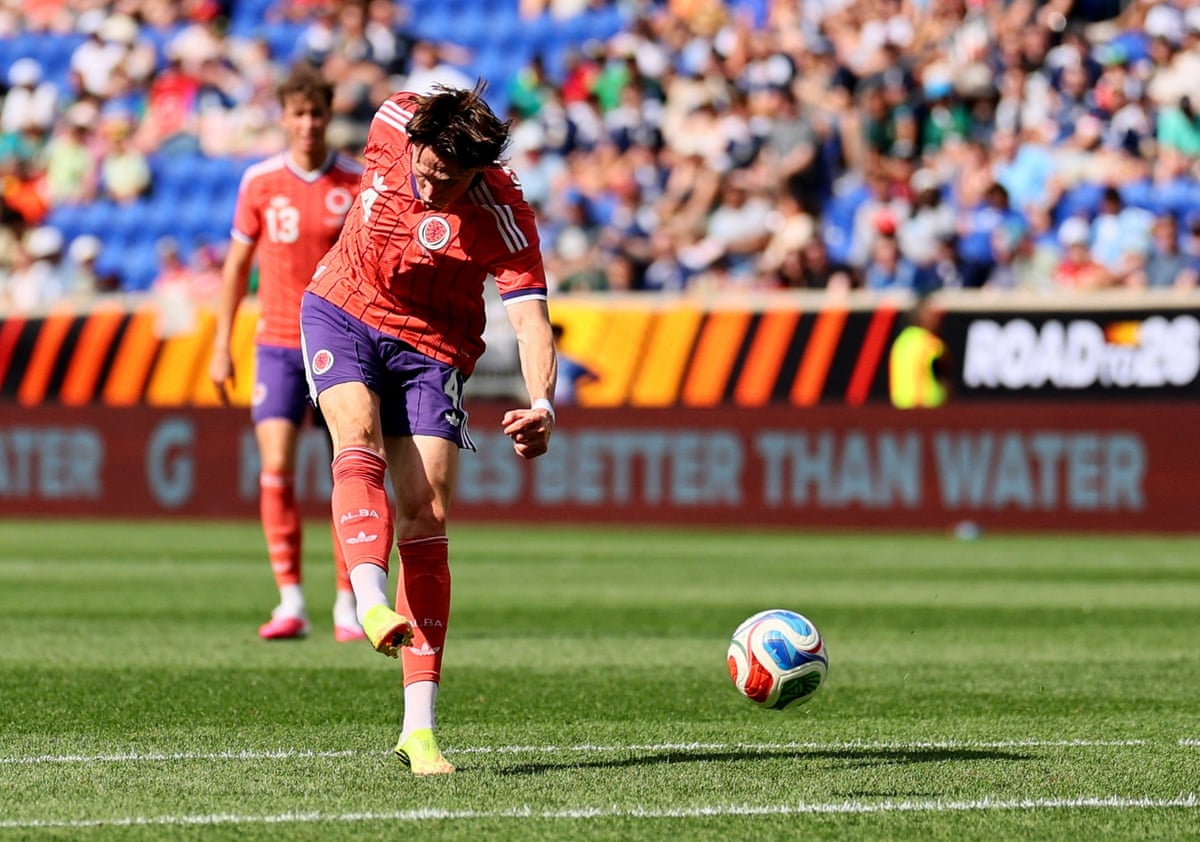
Scotland matched a first-half goal margin last seen against England in 1878 and equaled a feat from 20 years ago versus the Faroe Islands. Gannon-Doak, pushing for a World Cup start, drove forward from midfield and found Adams, who scored on his second attempt. Scotland led 4-0 at halftime, marking four consecutive games with four goals scored.
Second Half and Tactical Management
After the break, Shankland missed a chance from Kieran Tierney's cross in the 61st minute. George Hirst also came close to scoring a fifth goal. Substitutions and the intense heat reduced Scotland's tempo. Scott McKenna, Dykes, and Nathan Patterson were the only outfield players who did not feature. The team managed the game comfortably, avoiding the injury issues experienced a week earlier.
This time, there was no disappointment. Clarke will have no reason to recall the frustrations of past managers like MacLeod. Scotland heads into the World Cup with renewed confidence and momentum.


