English Cricket’s Shift Behind Sky’s Paywall: A Controversial Turning Point
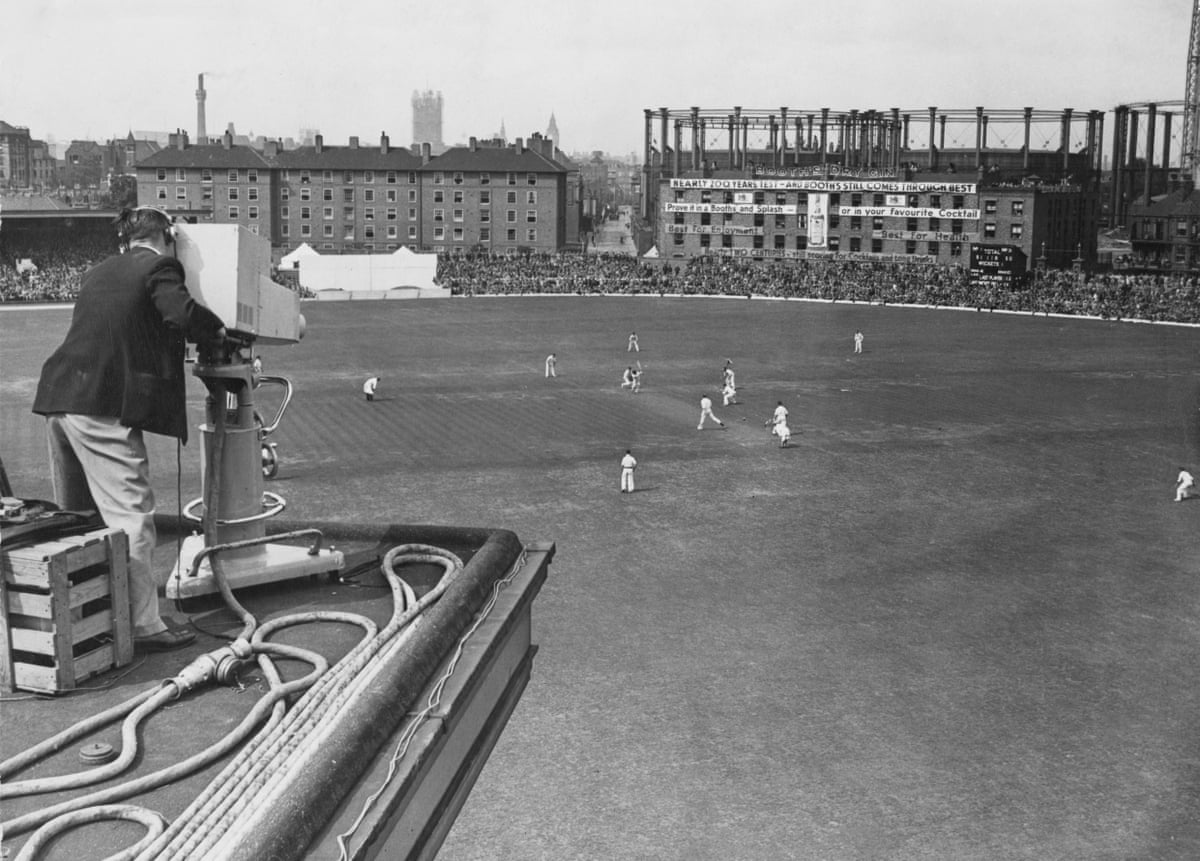
As umpires Rudi Koertzen and Billy Bowden removed the bails at The Oval, marking the dramatic conclusion of an iconic Ashes series, it not only ended England’s 18-year wait to reclaim the urn but also signaled the final live Test match broadcast on terrestrial television in the UK.
In December 2004, the England and Wales Cricket Board (ECB) announced a landmark four-year deal worth £220 million granting Sky Sports exclusive rights to live cricket coverage. This move left , which had been broadcasting home Test matches since 1999, without live coverage rights.
“We understand that the decision to place all live cricket coverage on satellite and cable television is an emotive issue,”said David Morgan, then ECB chair, who noted that a new arrangement to air primetime highlights on Channel 5 would partly address the terrestrial TV gap.
For Giles Clarke, who led the negotiations as chair of the ECB’s marketing committee, the decision was driven by financial necessity.
“The alternative was a significant decline in income,”Clarke stated at the time.
“Major cuts would have had to have been made in the funding of the England team, the support structure and to county cricket clubs as well.”
responded with a statement expressing hope that the ECB would not regret abandoning the extensive terrestrial exposure they had provided. Their innovative coverage, which began after winning broadcasting rights alongside Sky in a dual arrangement from 1999 to 2005, had been widely praised.
Assisted by England and Australia producing arguably the greatest Test series ever played, fulfilled its promise to
“help reconnect cricket with a younger and diverse multicultural audience.”However, following this engagement, the new broadcasting deal placed the game behind a paywall, limiting access for many viewers.
More than two decades later, this decision remains one of English cricket’s most divisive and debated moments. The question persists: did moving live cricket off free-to-air TV secure the sport’s future or hinder its growth at a pivotal time?
’s Innovative Era and the 2005 Ashes Peak
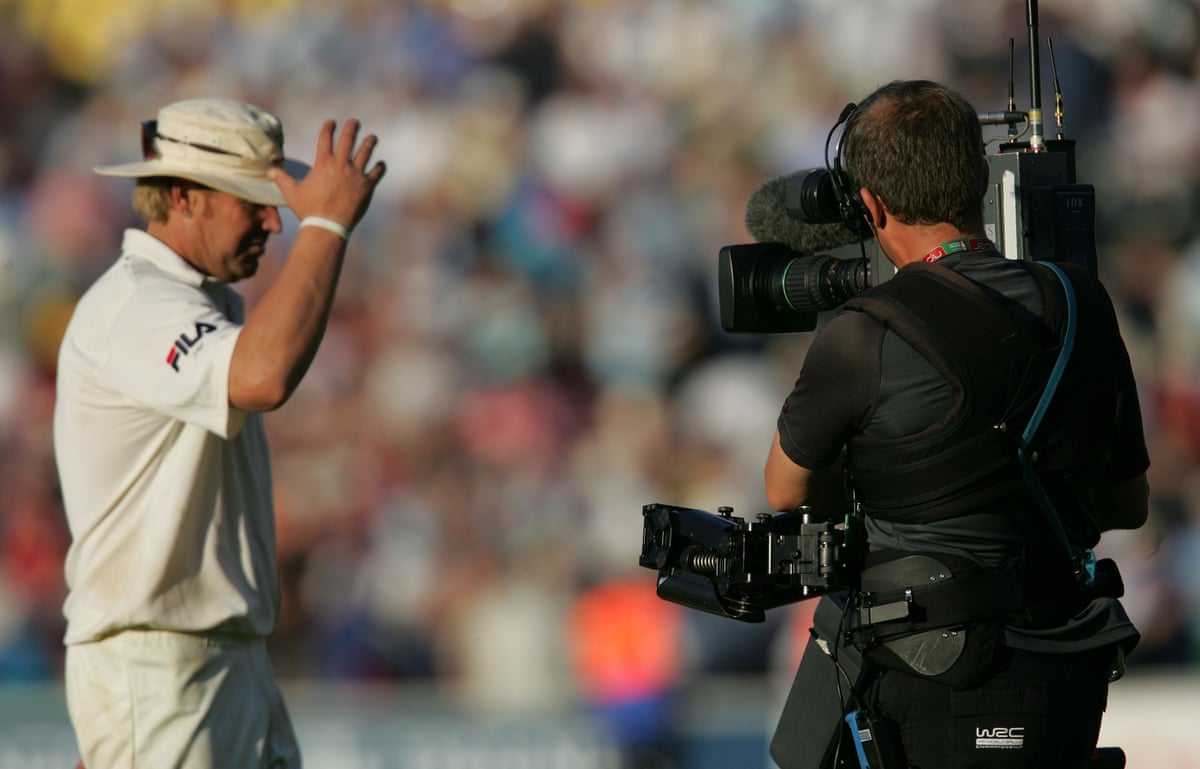
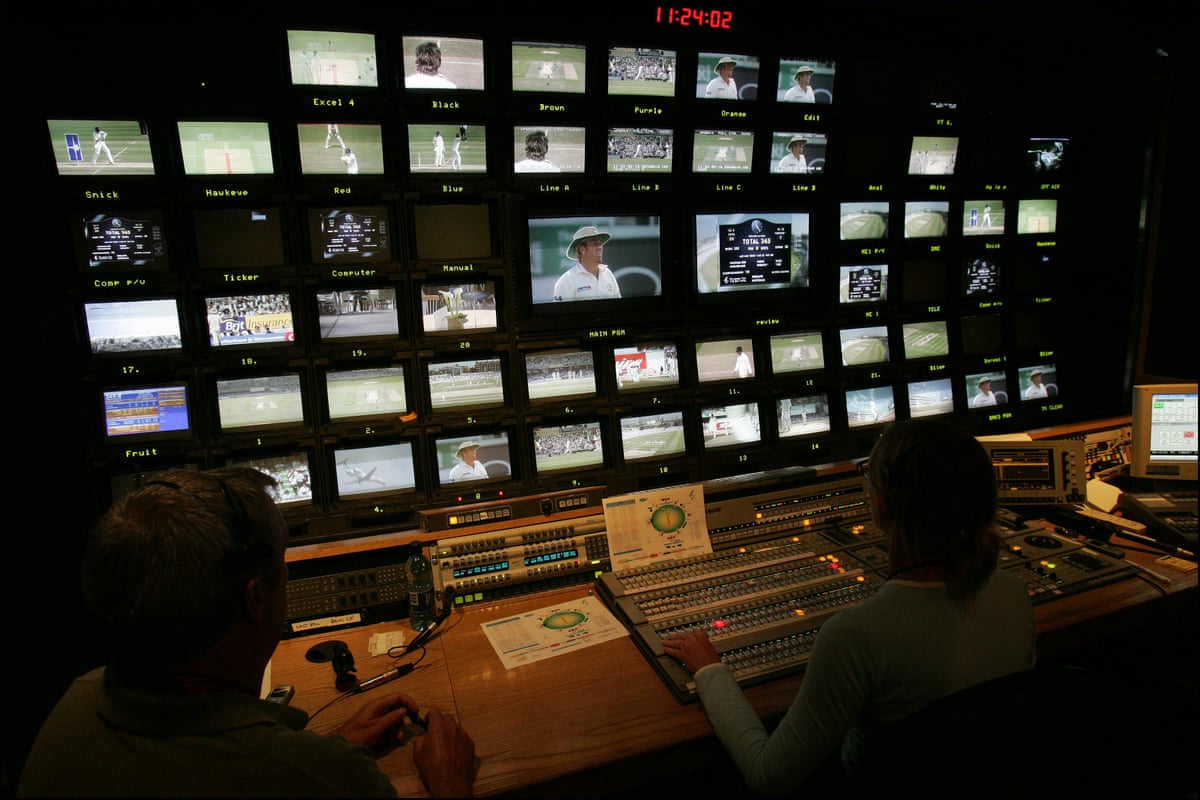
“We innovated in areas that had never been touched before,”says Mark Nicholas, ’s lead presenter during their seven years as the home of UK Test cricket. He led a commentary team including Richie Benaud, Geoffrey Boycott, Clare Connor, and Simon Hughes, serving as “The Analyst.”
“We made the game more accessible by the way that we styled it, so it didn’t feel too elitist or too difficult.”
secured broadcasting rights ahead of the 1999 season, coinciding with England’s nadir as they were defeated by New Zealand at home, becoming the worst Test side globally. The channel documented the team’s resurgence under captains Nasser Hussain and Michael Vaughan, culminating in the celebrated 2005 Ashes victory, which attracted a peak audience of 8.4 million for the decisive Trent Bridge Test.
When England clinched the series at The Oval shortly after, recorded its highest-ever ratings day, with a 23.2% share of all TV viewing—surpassing the record set by the Big Brother final three years prior. By then, the ECB’s contract with Sky was already finalized.
“The music, the graphics, the commentary team, the public’s love of it – it had become really rather special,”Nicholas recalls.
“It was a bit of a cult. The coverage in 2005 was probably universally appreciated more than any other at that stage, so much so that even Kerry Packer in Australia was saying, ‘How come they’re doing it better than we’re doing it?’ When you give something such a deep dive, and you’re going so well with it, and you feel like you’ve got so much left to do, it’s difficult to stomach that the rights have moved on.”
Passions and Animosities: The Legacy of the 2004 Rights Deal
Interviews with key figures from that era reveal enduring strong emotions and tensions. Accusations of underhand tactics and unwillingness to acknowledge opposing viewpoints persist. The situation has been likened to English cricket’s own Brexit.
“We were faced with a horrendous situation but there was no doubt in the minds of all of us who were involved, and there was no doubt in our minds 15 years later, that we did the only thing we could do,”reflects Giles Clarke on the Sky deal struck 22 years ago.
“There have been a lot of lies and rubbish said about this. did not bid for all the Test matches – they only wanted the second series each summer. The BBC said they were not going to bid two days before the due date for bids. Sky had bid for absolutely everything.”
Clarke, who became ECB chair in 2007, argues that accepting ’s bid would have resulted in a shortfall of at least £40-50 million. There was no certainty that Sky would accept a reduced package excluding marquee series like the Ashes.
“Don’t forget who owned Sky,”Clarke notes.
“I had two telephone calls with Rupert [Murdoch]. He didn’t make his money by being nice. You can’t sit in a room with him and say, ‘You’ve got to think about the national sport’. Well, you could say it, but the ear is cloth. You’ve got to be just as hard-nosed as they’re being.”
Nicholas acknowledges was constrained financially and could not bid for both Test series each summer but suggests stronger efforts could have been made to counter Sky’s challenge.
“I don’t think those running the show understood just how realistic the threat was. They thought we were going so well, we were winning awards, cricket was having a moment. So when cricket had its moment in 2005 that was even bigger, they thought, ‘Jesus, what have we done here?’
“Could they have paid a little more, been better prepared, offered more to the surrounding game in terms of initiatives to bring people in? I think they would say that if we had our time again, we could have had a better crack. Not to say I think they’d have won, because I think perfectly reasonably Sky would have just added a bit more to the top line.”
Financial Realities Versus Exposure: Divergent Perspectives
While Sky’s bid was the most lucrative, some argue the ECB sacrificed broader exposure for short-term financial gain. Terry Blake, marketing manager at the Test and County Cricket Board (TCCB) and ECB commercial director from 1989 to 2003, told the in 2021 that the deal was shortsighted.
“When they did the deal in 2004 for 2006 to 2009, they actually only got £55m per year,”Blake said.
“So for £10m per year more, which no doubt helped Giles Clarke secure his chairmanship for years to come, they moved it off free-to-air television altogether. I would turn it round and say: imagine the audiences we would have grown and the interest we would have had at the grassroots level had we stayed on free-to-air, even if we’d had to take a slight drop from the £45m per year [received from the 2002-05 deal with Sky and ]. Whatever money was put into the grassroots because of additional money from Sky, it could never replace the top-down approach.”

Clarke counters that ECB financial modelling predicted severe consequences if ’s bid was accepted.
“We worked out that at least seven counties would have to close, and I’m being very serious here. We would have had to cut back on our youth programmes and we couldn’t see what we could fund. We were really concerned about it. The game as we knew it, in the opinion of the guys who did the financial modelling, would not exist.”
During negotiations with Sky’s head of sport, Vic Wakeling, Clarke demanded increased funding to justify removing live cricket from free-to-air TV.
“We sat Vic down and said, ‘If you don’t [increase your offer], we aren’t going to consider doing this with you. You’ve got to give us a better reason.’ We got Sky to increase their bid by £30m. I think we did a bloody good job on the money.”
Missed Opportunities and the Impact on Cricket’s Popularity
Despite financial gains, there is a lingering sense that the game lost momentum after 2005 when it moved to a platform inaccessible to many. Nicholas states:
“Giles Clarke’s mission to take it away from was completely misguided. He can say, ‘Look at all the money we made’, I would say look at where you were then and where you are now with engagement in cricket and with the coverage of the game. We had massive figures. If we had two million for a day’s cricket, it was normal. And now 400,000 is normal.
“The game was going really well. Chance to Shine had started, the parks were full of kids playing cricket, and within two years all of that had stopped. It became incredibly difficult for Chance to Shine to raise money. There weren’t kids just playing in the park, picking up a bat and ball. The evidence is everywhere. It was self-defeating.”
Barney Francis, Sky Cricket’s executive producer from 2000 to 2007 and later managing director of Sky Sports, disputes the notion of a ‘lost generation.’
“Mark [Nicholas] and Aggers [Jonathan Agnew] would constantly peddle that argument and my response would be, what makes you think children live in non-paid-TV homes? This idea that young children couldn’t access Sky is making an assumption that they don’t live in paid-TV homes when the evidence of our r base is that it was family homes. The notion that kids suddenly lost all touch with cricket is utter nonsense.
“Take KP [Kevin Pietersen] as an example. Five of his 100-odd Test matches were on free-to-air. Alastair Cook never played on free-to-air television. I just don’t buy the argument that these guys disappeared, because they were miles more famous than many of those that preceded them. We were never going to match the free-to-air audiences but there was a lot around the sides, support programming, Sky Sports News constantly talking about cricket, the website, Sky Sports AM, Cricket Writers on TV. There was one period in that first summer where I think over 67 days there were four days without cricket on Sky TV. It was wall to wall, and we were doing it in HD for the first time.”
Clarke also rejects the idea that paywalling cricket caused fans to drift away or new fans to be deterred.
“There is absolutely no evidence whatsoever of a lost generation,”he says.
“It’s just that people who didn’t like the deal decided there was. Why are the Test grounds always full? Why do crowds consistently increase? It’s a fallacy and there’s no clear evidence that people stopped playing cricket. You might have to pay to watch it, but you do have to pay for your pleasures. Why should they be free? There was a lot of shouting and screaming, but what have we been able to do as a result?”
He highlights investments enabled by the Sky deal, such as drainage systems and floodlights at first-class grounds during the rise of T20 cricket.
“Those capital investments came to something like £17-18m. It transformed county cricket and Test cricket, and nobody talks about it.”
Clarke also credits the financial support from Sky for the growth of women’s cricket.
“Half the country was not being encouraged to play cricket, they were being asked to make tea. That was wrong. We were the first sport [in the UK] to pay a national women’s team. The women cost us money for 10 years, but so what? Look at what they’re doing now and what it’s done for the sport.”
Exploring Alternative Models and Changing Broadcasting Landscape
Richard Gillis, host of the Unofficial Partner podcast on sports business, questions whether the Sky deal was truly all-or-nothing. He points to the ECB’s current broadcasting arrangement for The Hundred, shared between Sky and the BBC, as a model that could have been adopted earlier.
“You’ve got this happy medium where the bulk of the stuff is on Sky for the avid fan but the top of the funnel is a BBC slot where it gets a good airing on public television. I think that’s quite a nice hybrid and they could have done that in 2005. The personal incentive to do that deal and to frame it as the saviour of county cricket, it’s such an easy political move, and Giles Clarke is a very smart bloke and could see that straight away, and I think that’s underplayed in this conversation.”
Gillis admits his view has evolved as broadcasting dynamics have shifted.
“Initially I thought it was the end of the world. As a cricket fan I felt that I’d been betrayed and the barbarians were at the gate, they’d taken the crown jewels, all of these cliches. But actually I don’t think that is borne out over time. I’ve changed my view because the market’s changed.
“The romance of the era is all around 2005. But that really wasn’t normal. It wasn’t normal in the sense of national occasion. It also wasn’t normal in terms of the numbers and the reach of the game at that point. The Ashes blew up and we have kept that story going for 20 years now. It’s so embedded in the psyche but we probably have to let it go at some point.”
Current Broadcast Deals and Future Prospects
Sky’s current four-year contract with the ECB runs through 2028. While committed to UK coverage, the evolving market has led to difficult choices. Since 1990, Sky had broadcast England’s overseas Test series, but the last three Ashes tours in Australia were shown by BT Sport (now TNT). The upcoming South Africa tour remains unassigned.
“Sky don’t do England overseas now because, when BT came into the market in the early 2010s, we had this period of rabid inflation in the rights market which took six years to settle down,”says Barney Francis, now chief business officer at IMG.
“At that point I was MD and we had to make some rational decisions. There was a point where the value of the Cricket Australia deal in the UK market went to extreme numbers. For the 2017-18 Ashes, BT paid 100% more for the four-year bundle of Cricket Australia’s rights than Sky had in the previous term.”
Francis notes the commercial value of bilateral international series has declined and predicts that within a decade, global franchise T20 leagues will dominate, with international cricket limited to key rivalries. This raises the question: could the reduced commercial appeal of Test cricket prompt its return to free-to-air TV?
“You never say never, but it’s been a long time,”Francis says.
“People have this misguided notion that cricket used to be wall to wall in the summer on free-to-air. It just wasn’t. During Botham’s Ashes in 1981, on the Monday at Headingley the BBC left the cricket six times to go to other programming. It’s misguided to think the free-to-airs are waiting for cricket to fill eight hours on any given day.”
Gillis believes the conversation about Test cricket returning to free-to-air is outdated.
“If you’re looking at the world today, it’s really hard to see a free-to-air argument in terms of major sport. The clip economy has completely changed people’s relationship with sport.
“Free-to-air television is irrelevant. It’s a YouTube conversation. I can absolutely see Test cricket on YouTube. I can see Sky doing a deal and saying we’re going to get the rights and some of it will be live on YouTube. It’s not about the BBC and any more, it’s about YouTube, Amazon, Netflix. That’s the game now and that’s good for cricket. If the objective of a cricket board is to make as much money from the media market as it can, that competition is there now.”
Cricket’s New Reality and Nostalgia for the Era
This evolving broadcasting landscape presents new opportunities and challenges as cricket competes for media attention. Yet, for fans who discovered the sport during the memorable 2005 summer, there remains a nostalgic longing for the era of Mark Nicholas, Richie Benaud, and the iconic Mambo No 5 soundtrack.