

Historic First Day at Lord’s Women’s Test
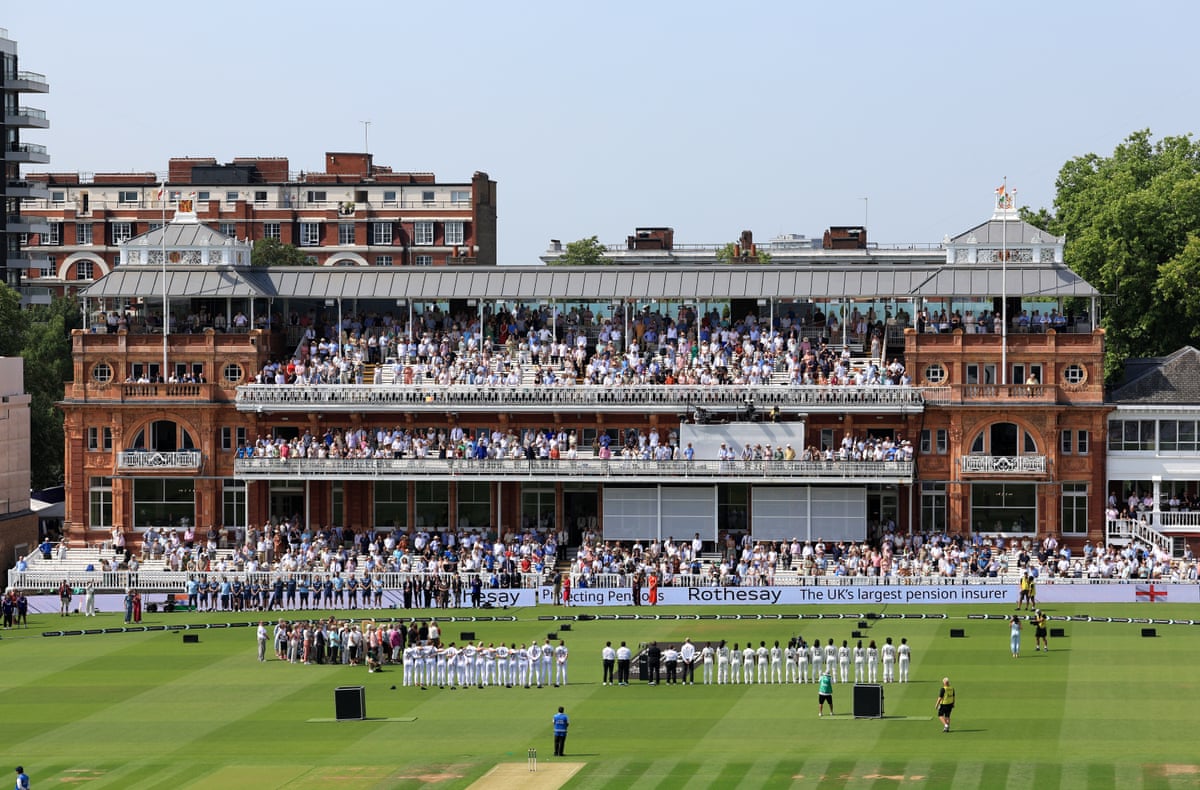
The opening day of the inaugural women’s Test match at Lord’s commenced with a poignant tribute to the long and challenging journey women’s cricket has undertaken to reach this milestone. A group of former women cricketers, who were never afforded the opportunity to play a Test at the home of cricket during their careers, were invited to ring a ceremonial bell on the outfield five minutes before the start of play. This moment evoked strong emotions, with several tears shed in the Long Room even before the first ball was bowled.
The day concluded with India being bowled out for 285 runs, while England stood at 21 for one wicket, setting the stage for a compelling second day of play.
India’s Innings and Key Performances
India began their innings in a commanding position, reaching 190 for three after being asked to bat first. Smriti Mandhana showcased a blend of aggressive and classical strokes, including a six off a slog sweep against Sophie Ecclestone and a well-executed cover drive. Harmanpreet Kaur displayed patience and precision, punishing loose deliveries while defending carefully when required. Deepti Sharma contributed significantly with the bat, scoring the third half-century of the day despite nearly running herself out and struggling to shield the tail-enders by effectively farming the strike.
Despite these efforts, no Indian batter managed to convert their innings into a large score, and the anticipated total exceeding 300 runs did not materialize. Consequently, none of the top performers will have their names inscribed on the Lord’s honours board for this match.
Sophie Ecclestone’s Milestone and Bowling Impact
This day was particularly memorable for Sophie Ecclestone, who was promoted from slip fielder to England’s primary bowler. After bowling 20 overs without success, she took three wickets in six balls to conclude India’s innings. During this spell, Ecclestone surpassed Katherine Sciver-Brunt to become England women’s all-time leading wicket-taker across all formats, with a current tally of 337 wickets. Following her performance, she led the England team off the field to a standing ovation from the crowd of 10,000 spectators.
Match Progression and Bowling Highlights
India dominated the morning session, scoring at nearly five runs per over. However, England mounted a strong comeback after lunch. Issy Wong, who had additional preparation time for red-ball cricket ahead of this Test after not featuring in any World Cup matches despite being in the squad, delivered an effective afternoon spell from the Pavilion End. She bowled deliveries that beat both edges of Harmanpreet Kaur’s bat and eventually dismissed Smriti Mandhana by inducing an edge to the wicketkeeper.

Debutant Mady Villiers produced the ball of the day to dismiss Harmanpreet Kaur. The Indian captain had received treatment twice from the physiotherapist and appeared to be managing a hand injury and hamstring issues. In the final over before tea, Kaur attempted a drive through the covers but was deceived by Villiers’ off-spin delivery that sharply turned back in to bowl her.
India’s Evening Collapse and England’s Response
India’s innings collapsed rapidly in the evening session, losing their final five wickets for an additional 83 runs. England then faced a challenging 45 minutes at the crease before the close of play. India claimed the crucial wicket of Tammy Beaumont, who was trapped leg-before wicket by a Kranti Gaud inswinger. It remains uncertain whether this innings will be Beaumont’s last for England.
England’s most viable path to victory appears to be a prolonged batting effort, aiming to build a substantial lead and then bowl India out cheaply in their second innings. However, the current situation suggests India holds the advantage, as no team has ever lost a women’s Test after scoring more than 282 runs in the first innings.
England’s Tactical Decisions and Bowling Achievements
Upon winning the toss, Nat Sciver-Brunt elected to field first, mirroring the decision made by Rachael Heyhoe Flint 50 years earlier. This unconventional choice underscored England’s determination to secure a win in this Test, as taking 20 wickets within four days is more feasible when bowling first. This decision also allowed Lauren Bell to make history by delivering the first ball in a women’s Test at Lord’s.
Lauren Filer, however, claimed the first wicket of the match, bowling Shafali Verma in the second over with a pace exceeding 79 mph from the nursery end. Lauren Bell contributed by bowling a notable delivery that swung in before seaming away to dismiss Yastika Bhatia.
Significance of the Match
For those who questioned whether the cricket would meet expectations on this historic day for women’s cricket, the match provided clear evidence of the format’s enduring appeal and competitive intensity.


