

Early Life and Background
Michael John Knight Smith, known as MJK Smith, the distinguished cricketer who captained England in 25 Test matches and accumulated 39,832 runs in his first-class career, has died aged 92. Born in Leicester to Maurice Smith, a hosiery manufacturer, and Muriel (née Bird), he was raised in the nearby village of Broughton Astley. Smith attended Stamford School in Lincolnshire as a boarder and made his first-class debut for Leicestershire at 18 in 1951.
Education and Dual Sporting Talent
Following two years of national service, Smith studied geography at Oxford University, where he also excelled in cricket and rugby union. He captained the university cricket team and was a talented fly-half in rugby, representing England against Wales in the 1956 Five Nations Championship. He remains the last individual to have played both rugby and cricket for England.
County Cricket and Captaincy
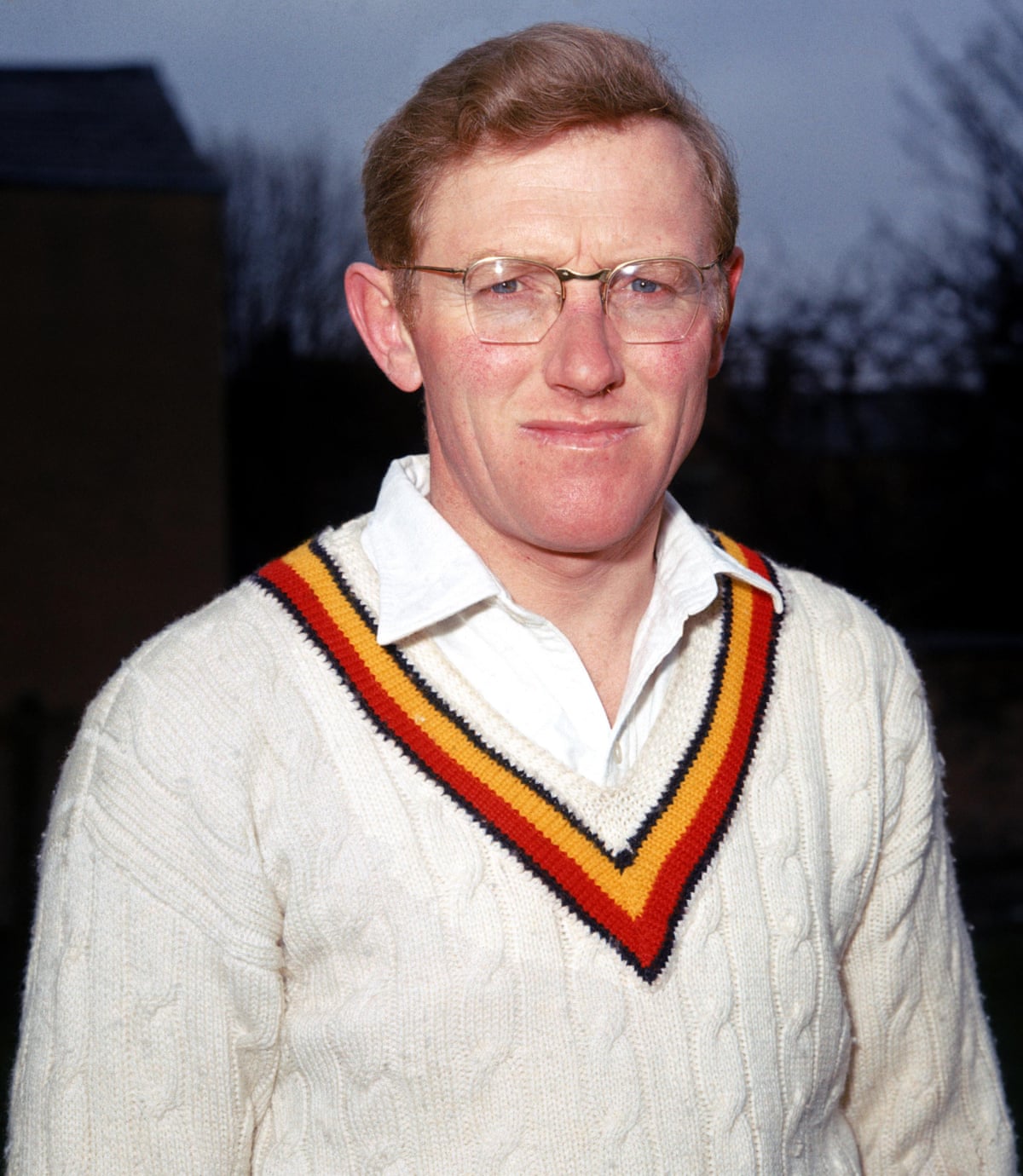
During his early university years, Smith continued playing for Leicestershire during holidays. In his third year, he accepted an offer to play for Warwickshire, which included a position as assistant secretary to maintain his amateur status. In 1957, he became Warwickshire's captain, a role traditionally reserved for amateurs. His inclusive leadership style fostered strong team spirit, contrasting with the autocratic approaches of some contemporaries. That year, he topped Warwickshire's batting averages with over 2,000 runs batting at number four and was noted for his bravery and skill at short leg.
Test Career Beginnings and Batting Style
Smith was known for his stubborn and individualistic batting style, favoring the on-side and often playing balls to midwicket from outside off-stump. While effective at county level, this approach drew criticism at the Test level, where his early innings nervousness and perceived vulnerability against fast bowling caused concern among the press and public. He debuted for England as an opening batsman in 1958 against New Zealand, scoring 0 and 7 in his first Test, and although he made 47 in the second Test, he was dropped after a poor third match.
Peak Performance and Recognition
In 1959, Smith had an outstanding season, scoring 3,245 first-class runs, one of the highest tallies recorded. His form earned him selection for England's fourth Test against India at Old Trafford, where he scored exactly 100, and the final Test at The Oval, where he made 98, both at number four. Wisden recognized his achievements by naming him one of its Cricketers of the Year.
International Leadership and Captaincy
Smith served as England vice-captain to Ted Dexter during the 1961-62 tour of India and Pakistan. Despite wearing tinted spectacles to manage light conditions, he struggled with the bat and missed four Test series in 1962 and 1963. He returned as captain for the 1964 India tour in Dexter's absence, leading a team hampered by injuries and illness to a drawn series, averaging 51 in the Tests. Despite calls for him to remain captain after Dexter's return, he was omitted from the squad for the subsequent home series against Australia.
Smith was recalled as captain for the 1964-65 South Africa tour when Dexter was unavailable. England won the series 1-0, with Smith scoring his highest Test innings of 121 at Cape Town. Following Dexter's retirement in 1965 due to a car accident, Smith retained the captaincy. England defeated New Zealand 3-0 that summer but suffered a defeat against South Africa at Trent Bridge, which contributed to South Africa's 1-0 series victory. On the 1965-66 Australia tour, Smith adopted a more positive captaincy approach, drawing the Ashes series 1-1.

Leadership Style and Reputation
Smith was admired for his calm and thoughtful leadership. Despite an outwardly casual and sometimes absent-minded demeanor, he was astute and provided steady guidance. Wisden noted:
"Though outwardly unconventional and in manner casual to a degree, he succeeds as a captain for the conventional reasons. He is thoughtful for his players, unselfish, does not fuss them or panic, shows a grasp of the situation which they deem generally sensible, and not least gives an inspiring personal lead in the field."
His even temperament and egalitarian outlook, unusual for someone from a traditional public school and Oxbridge background, earned him great respect and loyalty from players.
Later Career and Retirement
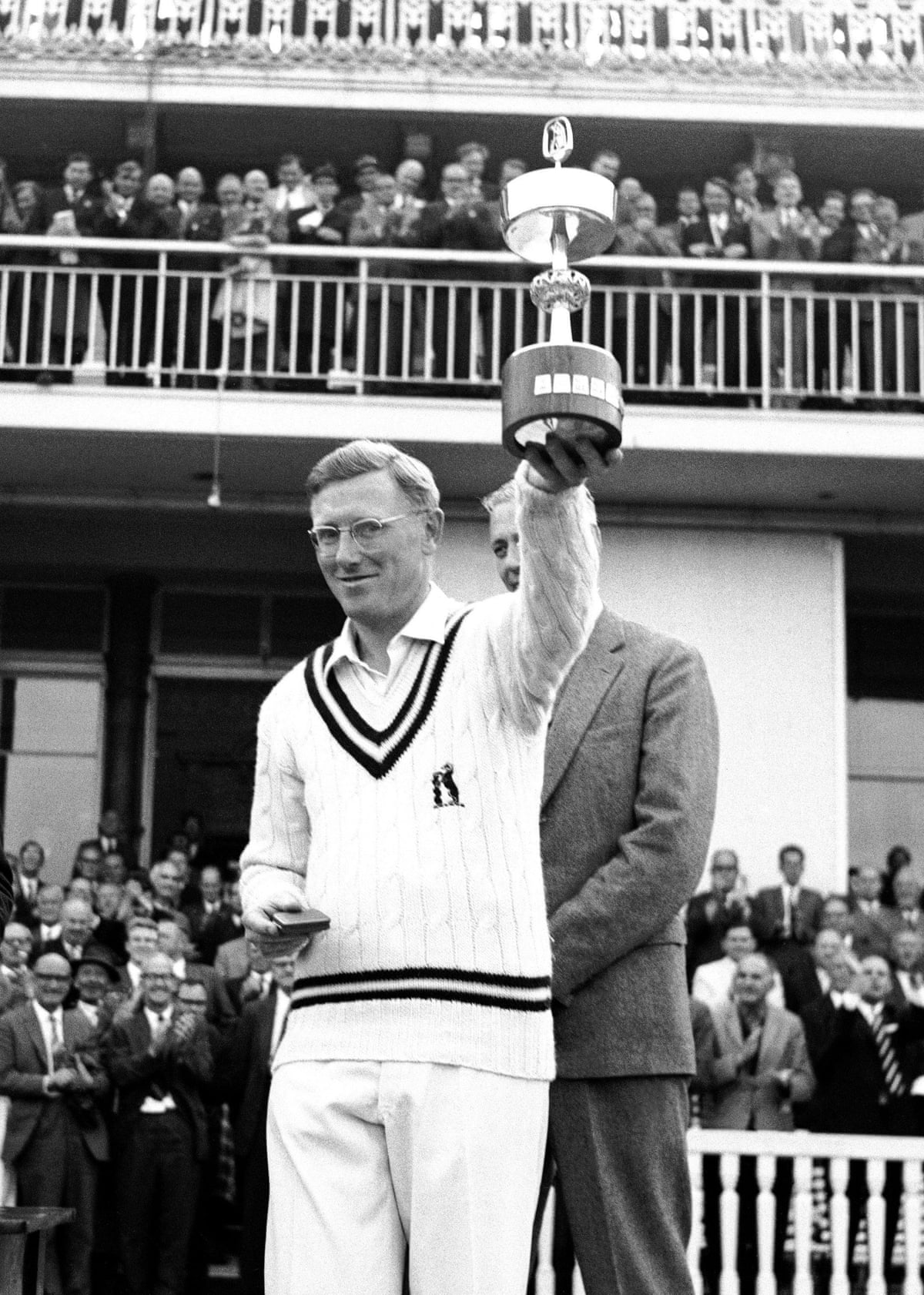
Despite his leadership strengths, concerns about his batting led to his removal as England captain in 1966 after a heavy defeat to the West Indies and a series of low scores. He was succeeded by Colin Cowdrey. Smith continued to lead Warwickshire and in 1966 guided them to their first trophy under his captaincy, the Gillette Cup.
After retiring from playing in 1968, Smith worked as a representative for a squash court manufacturing company and purchased Wootton Court, a large house in Leek Wootton, Warwickshire, which he converted into a hotel and country club with his wife Diana (née Leach), whom he married in 1960. However, his passion for cricket led to a comeback in 1970 at age 37 as Warwickshire's vice-captain. He topped the county's batting averages that season and was recalled to the England team in 1972 during a difficult series against Australia, playing three Tests with a highest score of 34.
Career Statistics and Honors
Smith retired from all forms of cricket at the end of the 1975 season. His first-class career included 637 matches, 39,832 runs at an average of 41.84, and 69 centuries. In Tests, he scored 2,531 runs at an average of 31.63. In recognition of his contributions to cricket, he was appointed an Officer of the Order of the British Empire (OBE) in 1976.
Post-Cricket Contributions
After selling the hotel business in 1986, Smith remained involved with Warwickshire cricket, serving on the club committee and becoming chairman in 1990. Under his leadership, Warwickshire experienced unprecedented success. In 1991, he became cricket's first international match referee, officiating in 21 matches over five years. He also managed England's tours to the West Indies in 1994 and Australia in 1995.
Later Life and Legacy
Smith stepped down as Warwickshire chairman in 2003 and lived quietly in his childhood village. In 2019, Warwickshire honored him by unveiling the MJK Gates at Edgbaston during the first Test against Australia. His wife Diana predeceased him. He is survived by their three children: Neil, Carole, and Barbara.


