Introduction
With their last championship title a decade ago, Middlesex Cricket Club faces significant challenges as young players depart and coaching staff turnover continues. Once a dominant presence at Lord’s, the club now struggles to maintain its former prominence.
Middlesex is unique among English counties in that it no longer exists as an administrative entity. Abolished by the London Government Act of 1963, it lingered as a postal subdivision until Royal Mail discontinued it in 1996. Today, its name survives on the tiles of Swiss Cottage Tube station, embossed with the emblem of three seaxes, on the pediment of the Sessions House in Clerkenwell, in mailing addresses, local council minutes, hospital titles, a university, various sports teams, tournaments, and notably, the cricket club.
Cricket in London and Middlesex’s Position
Contrary to popular belief, English cricket is not solely a rural pursuit. According to Sport England’s latest data, approximately 250,000 Londoners played cricket at least once last year, representing about 20% of the adult playing population in England and Wales. Near Lord’s, in Regent’s Park, multiple games occur simultaneously on public pitches. At Fab’s Food & Wine across the street, the Indian Premier League is frequently streamed, reflecting the city’s diverse cricket following. The shop owner, a Royal Challengers Bengaluru supporter, was unaware of the county team playing nearby.
Middlesex County Cricket Club’s catchment area covers 17 London boroughs and includes one of the country’s largest, most diverse, and enthusiastic cricket communities. Last year, the club attracted 44,415 paying spectators. However, with the Marylebone Cricket Club (MCC) now operating its own professional team, the London Spirit, Middlesex is no longer the most renowned team playing at Lord’s.
Historical Success and Recent Decline
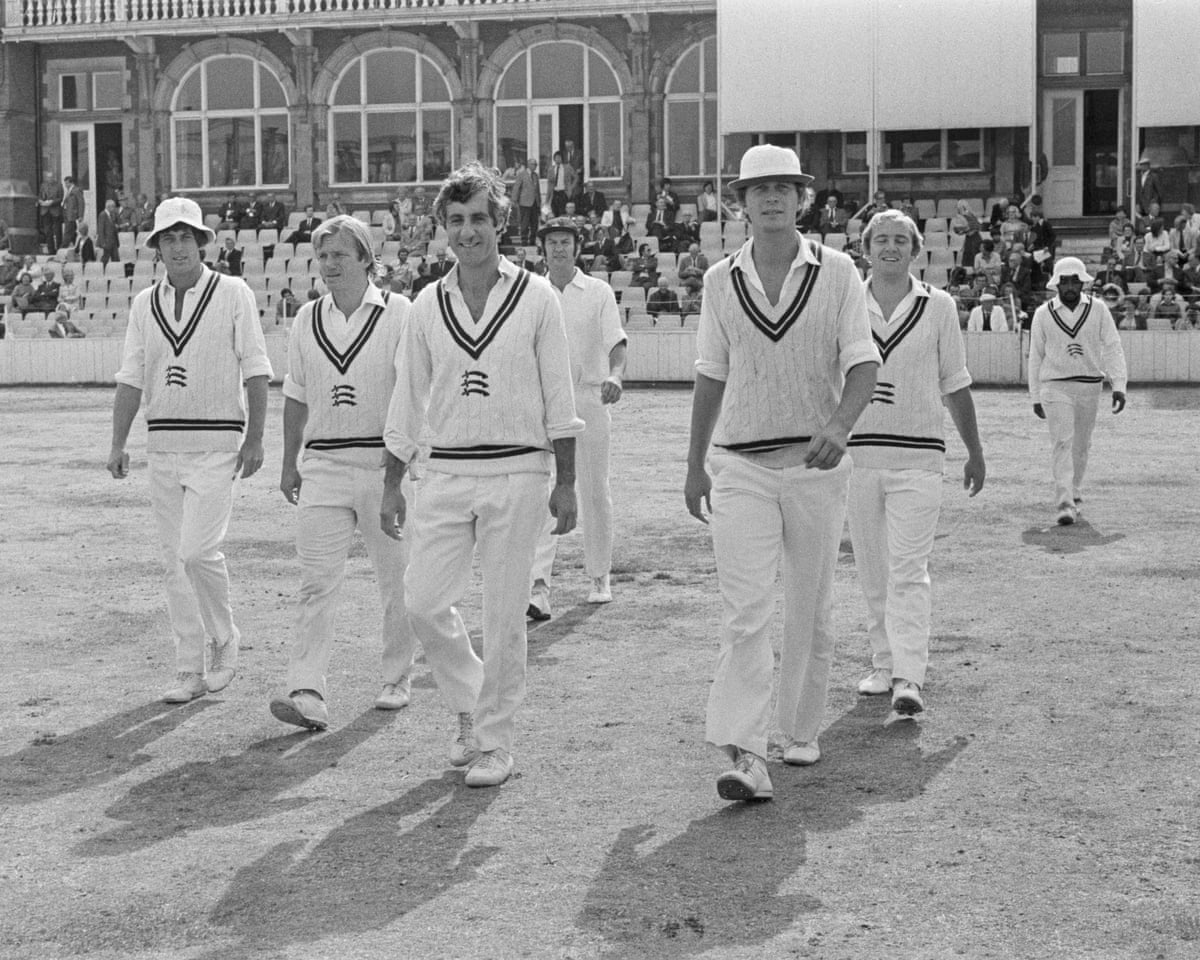
Historically, Middlesex was among the most successful clubs in English cricket. Under the leadership of Mike Brearley and Mike Gatting, they secured the County Championship seven times over 18 seasons. Their most recent championship came in 2016, when they completed an unbeaten season. Only two players from that victorious squad, Sam Robson and Toby Roland-Jones, remain in the current team.
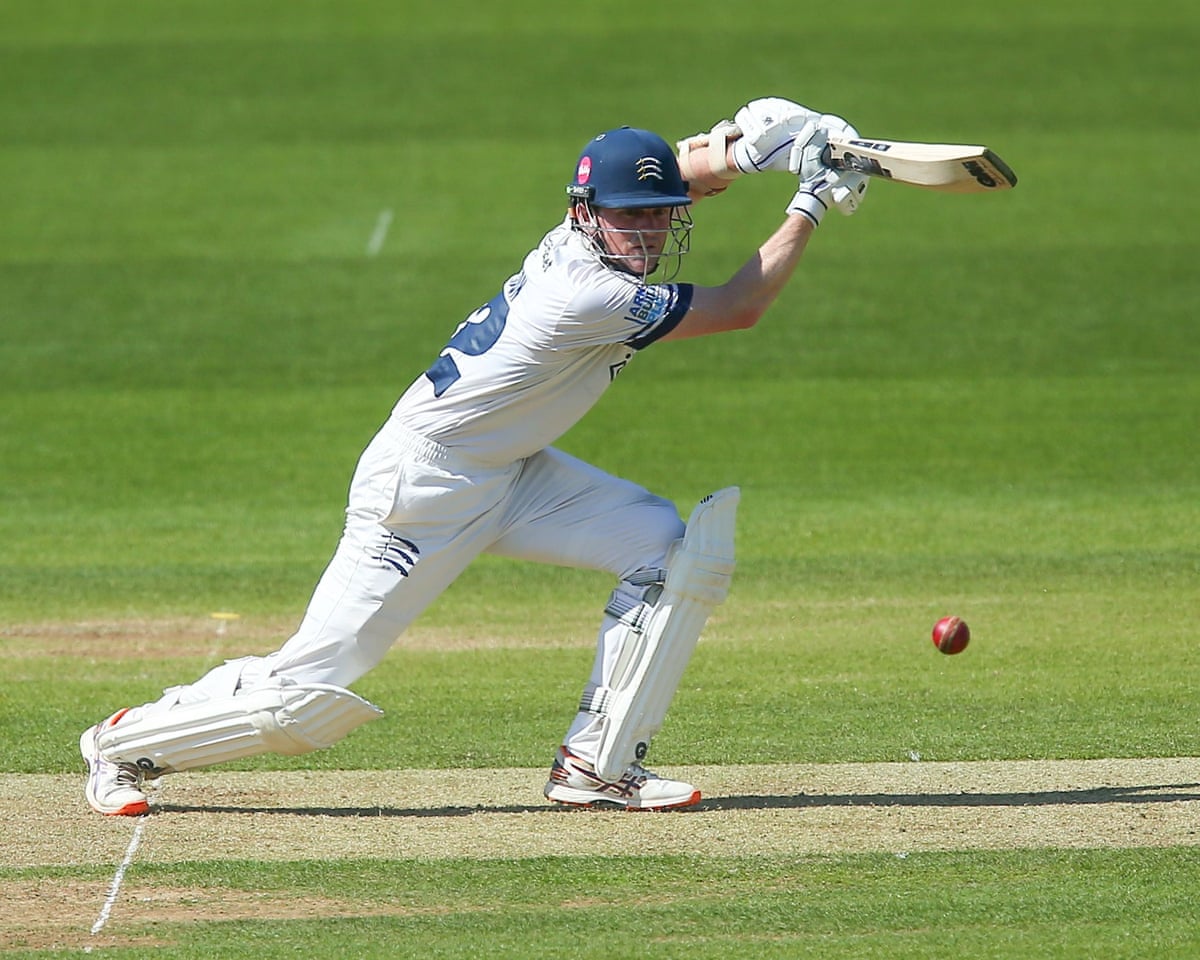
"Jeez," says Robson, "10 years goes by so fast, hey? It doesn’t feel that long ago. But yeah, there are other times when you reflect because it has been mentioned lately that it’s 10 years since and you realise, you know, Jeez, a lot has changed."
"There have been so many little dramas that the playing group have just sort of got used to it," Robson adds, "and have grown pretty resilient."
Middlesex has spent seven of the last eight seasons in the second division, experiencing promotion and relegation in 2022 and 2023. Their Twenty20 side has won only nine of 42 matches over the past three years. Meanwhile, Surrey, located south of the Thames, has become the wealthiest and most successful county, drawing crowds exceeding 80,000 for championship matches. North of the river, Middlesex faces concerns of diminishing relevance, as noted by Gatting, Mark Ramprakash, Mike Selvey, and other former players.
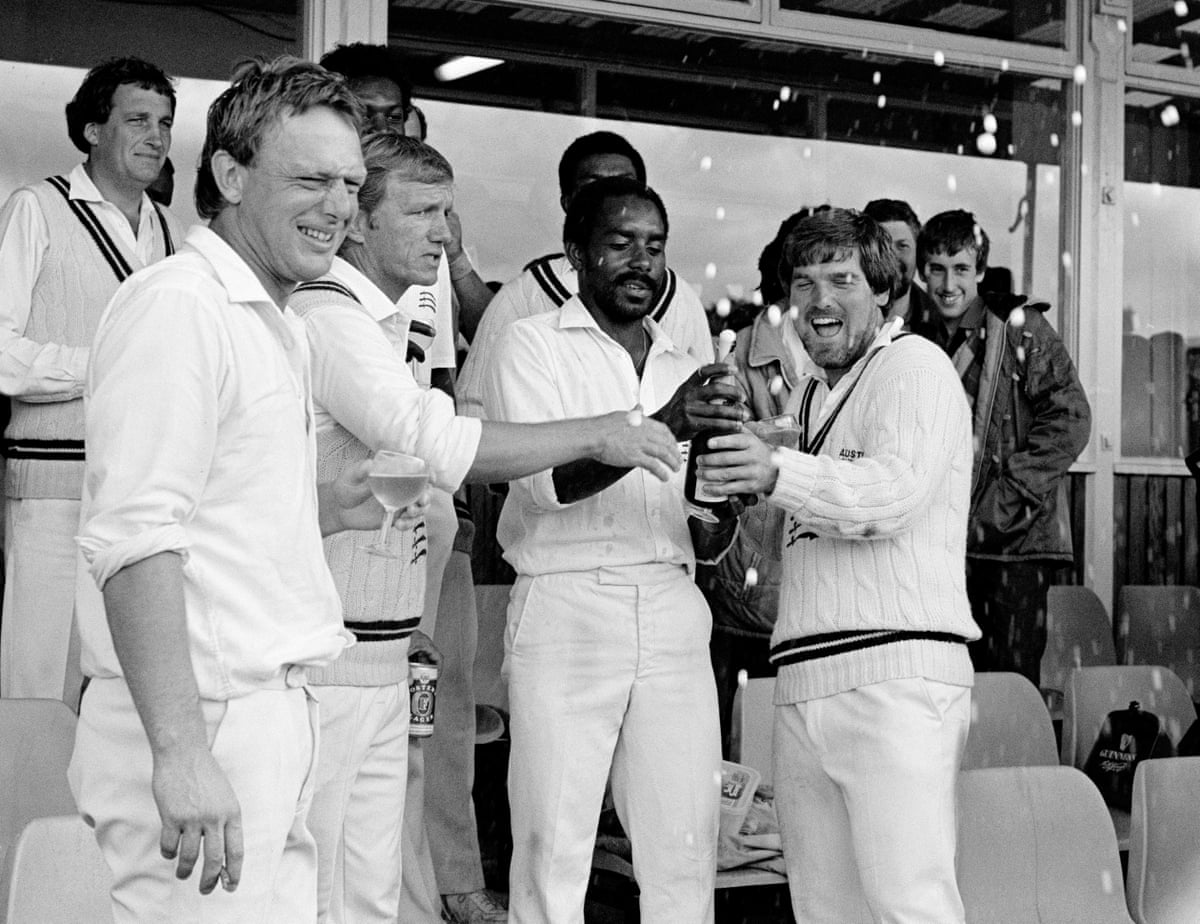
"I understand the former players feel frustrated that performance isn’t what it was," says club chair Richard Sykes. "Frustrated isn’t the word. Furious might be."
One individual interviewed for this article described the club as "toxic off the field for some time," while another expressed belief that Middlesex faces an "existential threat."
Talent Development and Player Departures
The club possesses promising young talent, including Sebastian Morgan, Naavya Sharma, and Caleb Falconer, whom Robson describes as "definitely three of the more promising young players that we’ve had at the club for many years." However, Ramprakash expresses concern that despite their potential, these players may question whether Middlesex is the right environment to fulfill their ambitions. Recent years have seen the departure of players such as John Simpson, Martin Andersson, Steve Eskinazi, and Ethan Bamber.

While player departures are common, the improvement of those who leave is notable. Simpson has become one of the country’s most successful wicketkeeper-batsmen as Sussex’s captain, and both Eskinazi and Andersson have nearly doubled their batting averages since transferring.
Governance Issues and Leadership Instability
Middlesex’s internal affairs have been fraught with difficulties. In 2023, the club was sanctioned for financial mismanagement and placed under special measures by the England and Wales Cricket Board (ECB). Subsequently, the club became involved in prolonged legal disputes with former CEO Richard Goatley and his successor Andrew Cornish, who is currently suspended on full pay pending an investigation into alleged misconduct, which he denies.
The club has also experienced rapid coaching changes, dismissing Richard Johnson, appointing Dane Vilas temporarily, and hiring Peter Fulton this year. These decisions were made despite opposition from members of the cricket committee, which included Gatting, Ramprakash, and other former players. While chair Richard Sykes states the committee was "refreshed" last year, others claim it was effectively disbanded. Ramprakash resigned from his consultant batting coach role, citing "the apparent absence of transparent process and accountability in recent cricket related decisions."
"We want the club to do better," Ramprakash explains. "I think there’s been an acceptance of mediocrity for quite some time. And I think it’s a great shame. And of course, the people who signed that letter, when they were players, they set high standards, and I think that they look at the club right now and they don’t see particularly high standards."
Ramprakash emphasizes that the letter was not directed at the players, despite media reports. Robson concurs, stating that the team never believed it was aimed at them.
Independent Reviews and Structural Challenges
Two independent reports commissioned over the past seven years have highlighted concerns about the club’s administration and cricket operations, particularly regarding player development pathways from youth to senior levels. The latter report remains a reference point within the club, even though Alan Coleman, who oversaw these pathways for much of that period, is now the director of cricket.
The club faces a complex situation regarding its home ground. While Lord’s provides a significant advantage, Middlesex does not own it and depends on the ECB for approximately 60% of its funding. Although private investment in the Hundred tournament has increased available funds, the ECB restricts the use of these funds to debt repayment or capital investments. Middlesex has no debt and no capital assets, limiting access to £24 million in available funds. They have been permitted £2 million to bolster reserves but cannot access the remainder, despite financial constraints described by a former player as "they don’t have a pot to piss in."
"We don’t have our own ground so we can’t commercialise anything or generate revenues," Sykes explains. "Until this year Middlesex has never even had any incentive to sell a single ticket because MCC bore all that financial upside and risk and just paid us a fixed fee."
Future Plans and Membership Challenges
Sykes advocates for constructing a new ground in north London’s outer areas. The club invested £400,000 last year seeking private investment and had a partner lined up, but the deal was halted due to conflicts with ECB agreements.
While Sykes remains convinced of the plan’s viability, others are skeptical. Implementing such a project would require persuading members to demutualise the club, a prospect widely regarded as unlikely. Sykes intends to hold members’ forums over the coming months, culminating in an indicative vote at the next Annual General Meeting. He asserts this is the only alternative to "managing a steady decline," a decline some long-time supporters believe is already underway.