

Walking with giants
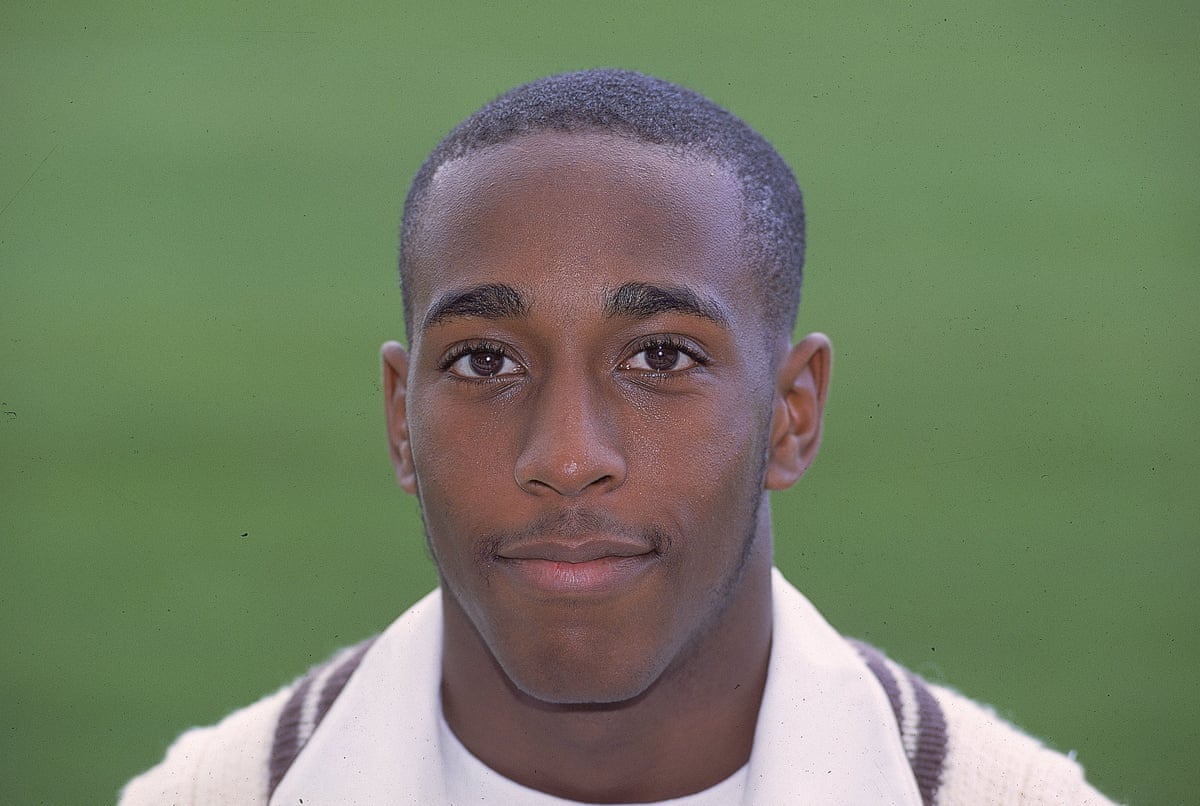
Michael Carberry, born in Croydon to Caribbean immigrant parents, grew up in a household passionate about cricket, aspiring to represent England. Before his teenage years, he was scouted and progressed through Surrey’s ranks, sharing dressing rooms with cricket legends.
My story was a little bit “right place, right time”. I wasn’t affiliated to a club but I went along to a summer camp run by a Surrey scout who we sadly lost last in 2024, Brian Ruby. He liked what he saw and invited me for trials. There was a lot of excitement from my dad. He had to rush out and get me whites and gear that fitted me. Then every Thursday night I used to run home from school and jump in the car, two hours from Croydon to Guildford. From then it was steady progression from under-11s right the way through to playing under-19s when I was 15 or 16.
Carberry found his time at Surrey frustrating. After playing for England under-19s, he observed peers like Ian Bell gaining first-class experience, while he struggled for opportunities amid a team filled with established stars.
But it was character building because it taught me a lot of valuable lessons that helped me have a long and successful career. As a batsman, never being satisfied with mediocre scores, getting to 60 and slapping it to cover. You had to raise your standards.
I was able to learn off some of England’s very best, guys like [Alec] Stewart and [Graham] Thorpe. It was a tough dressing room to break into but if you used the time wisely, there was a lot of good information to take in.
Canterbury tales
After two seasons on Surrey’s fringes, Carberry sought a new challenge and signed with Kent in 2003. Over three seasons at Canterbury, he still struggled to gain the recognition he desired.
I was getting to an age, 22 or 23, where I felt like I needed to test myself, to know whether this career was for me or not. I have a lot of love for Surrey, it’s my home club, and I had visions of being a capped player, but you have to adapt in this game. Things don’t always go the way you think they’re going to go.
Moving to Kent meant adapting to a smaller club environment where Carberry often felt like an outsider. Nevertheless, he remained confident in his decision to seek more playing opportunities. His statistics at Kent, averaging 37.75 in first-class cricket, reflect his competitiveness during this period.
It was a different environment moving to Kent, a much smaller club. I always felt a bit on the outside but I had full belief in my reasons for going there and that was to try and get more opportunities. If you look at my statistics, they’re very good [averaging 37.75 for Kent in first-class cricket], and it just shows how competitive things were back then. There were passages in my career where I needed to squeeze out a little bit more to really cement my place and make sure that Michael Carberry’s name was first on the list.
Warne’s magic touch
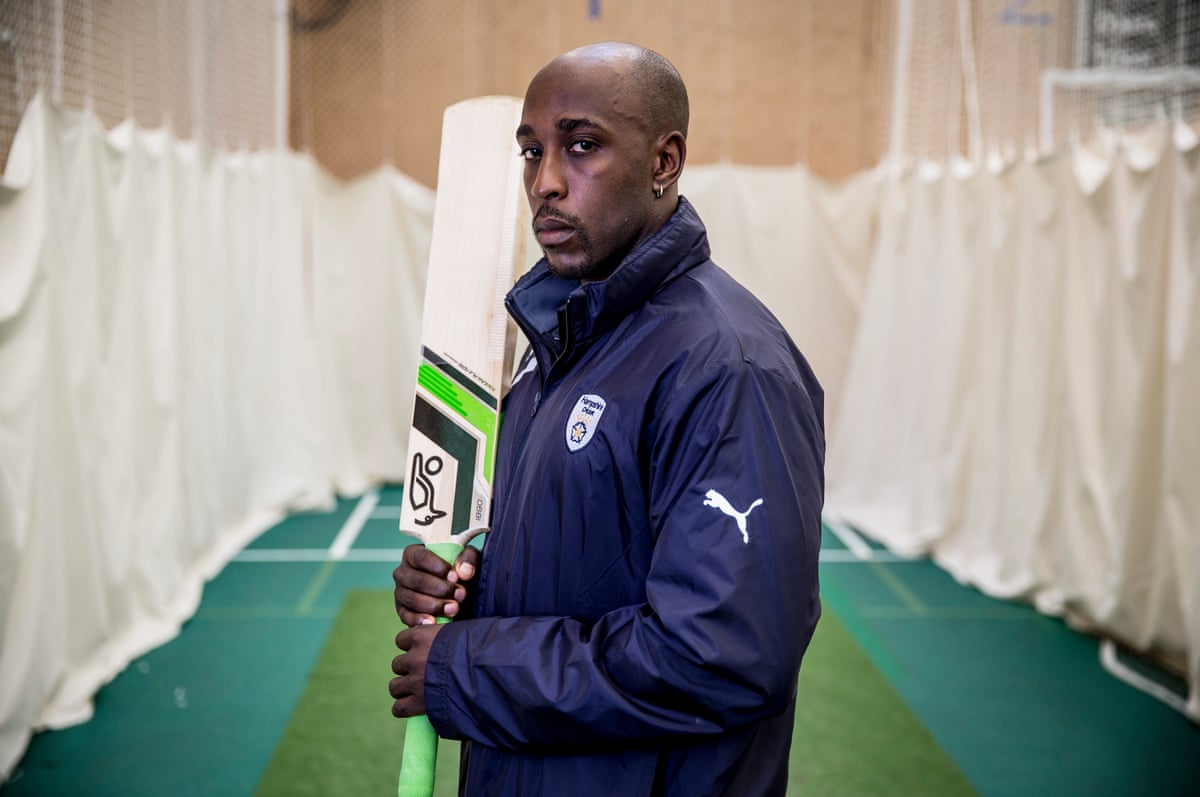
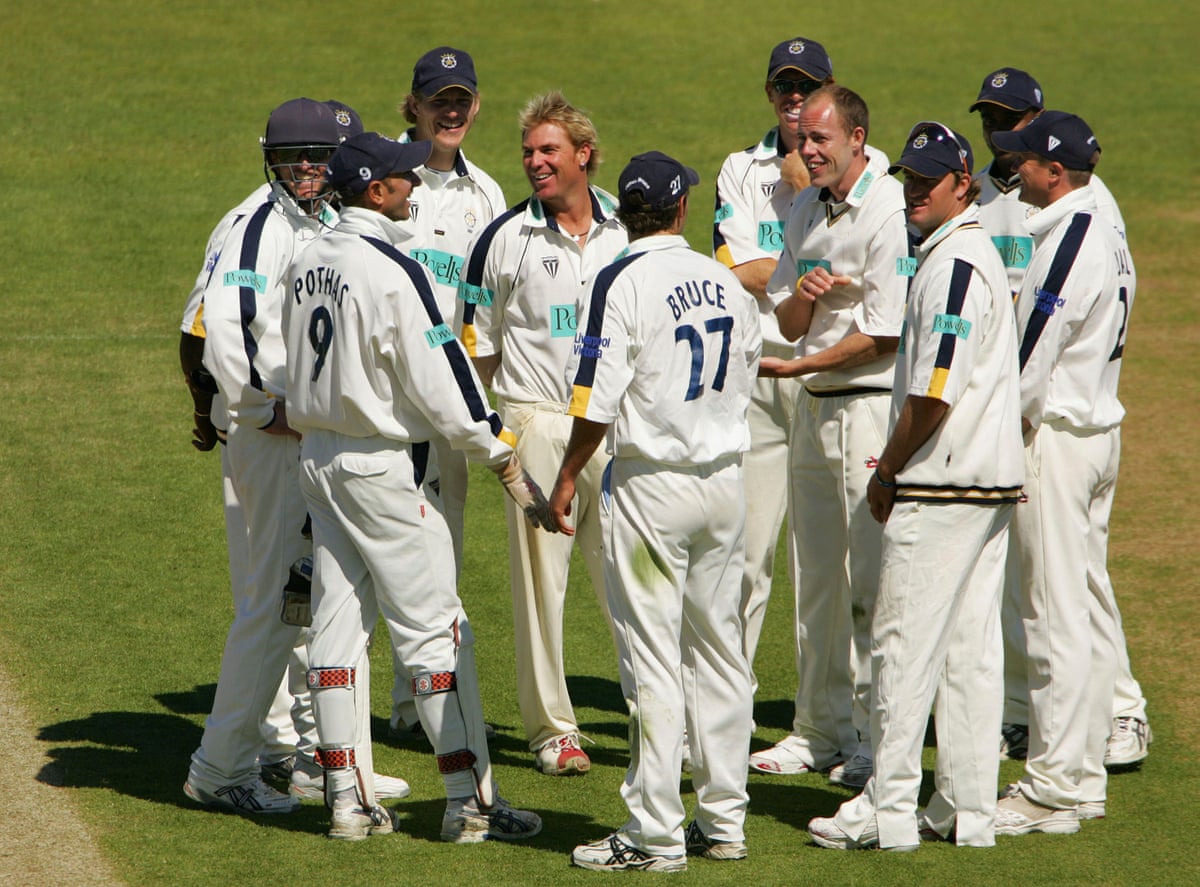
In 2006, Carberry transferred to Hampshire, where he thrived under captain Shane Warne’s leadership. Over 12 seasons at Southampton, he amassed nearly 17,000 runs and became a club legend.
I was 25 and ready to accept success. I’d been through the ebbs and flows that most young players go through, the self-doubt, questioning whether I was good enough and if it was ever going to happen.
Carberry credited a coaching stint in Perth with Noddy Holder for technical improvements that enhanced his batting fluency. Joining Hampshire the following year, he felt prepared to lead by scoring heavily.
I went away to Perth in my last year at Kent and worked with a coach, Noddy Holder, who made some modifications to my technique which helped me become a bit more fluent on some of my shots. I joined Hampshire the following year and felt like I was ready to be the man, but to do that I had to score a substantial weight of runs.
I miss Shane Warne every day. He was very supportive, one of the best captains I played under, always in my corner. Sometimes I struggled to get that from coaches and captains – I felt like I had to kick the door off its hinges, to go above and beyond. It’s a tough job, batting, and it’s important to feel the backing of your team and your captain and that’s what Shane Warne offered me.
An unexpected hurdle
Following a remarkable 2009 season with 1,251 red-ball runs at an average of 69.50, Carberry was selected for England’s 2010 Bangladesh tour. He debuted in Chattogram, replacing the rested Andrew Strauss, scoring 30 and 34. A prolific summer followed with six centuries and nearly 1,400 runs. However, just before joining the England Lions tour to Australia, his career was interrupted by the discovery of blood clots on his lung. He spent seven months sidelined before returning with a career-best 300* against Yorkshire in only his third match back.
I’ll be managing it for the rest of my life. It was a shock when I found out but I knew something wasn’t right coming back from Bangladesh. I felt out of breath, went for some scans, and three or four days before I was due to board the flight to Australia I had to be rushed into hospital and be put on drugs to try and thin the blood out.
It was a real body blow. I was around 30, probably at the peak of my powers and right up there in the top four or five batters in domestic cricket. It felt like life had really beaten me down. I was having chats with family and close friends, asking if I should pull stumps up on my career. But I was brought up tough, you take your blows and you go again.
When I look back on my proudest moments, it’s when your back’s against the wall and you’ve got to fight. I knew straight away that my fight in cricket was going to be different to other people. I was a workaholic and had an insatiable appetite to train to be the best but I now realised I had to be smarter and make sure it was purposeful. If someone had told me that by the end of that season I’d make a triple, a double and another hundred ... I would’ve been happy enough just making it through a day’s play.
Facing up to Mitch
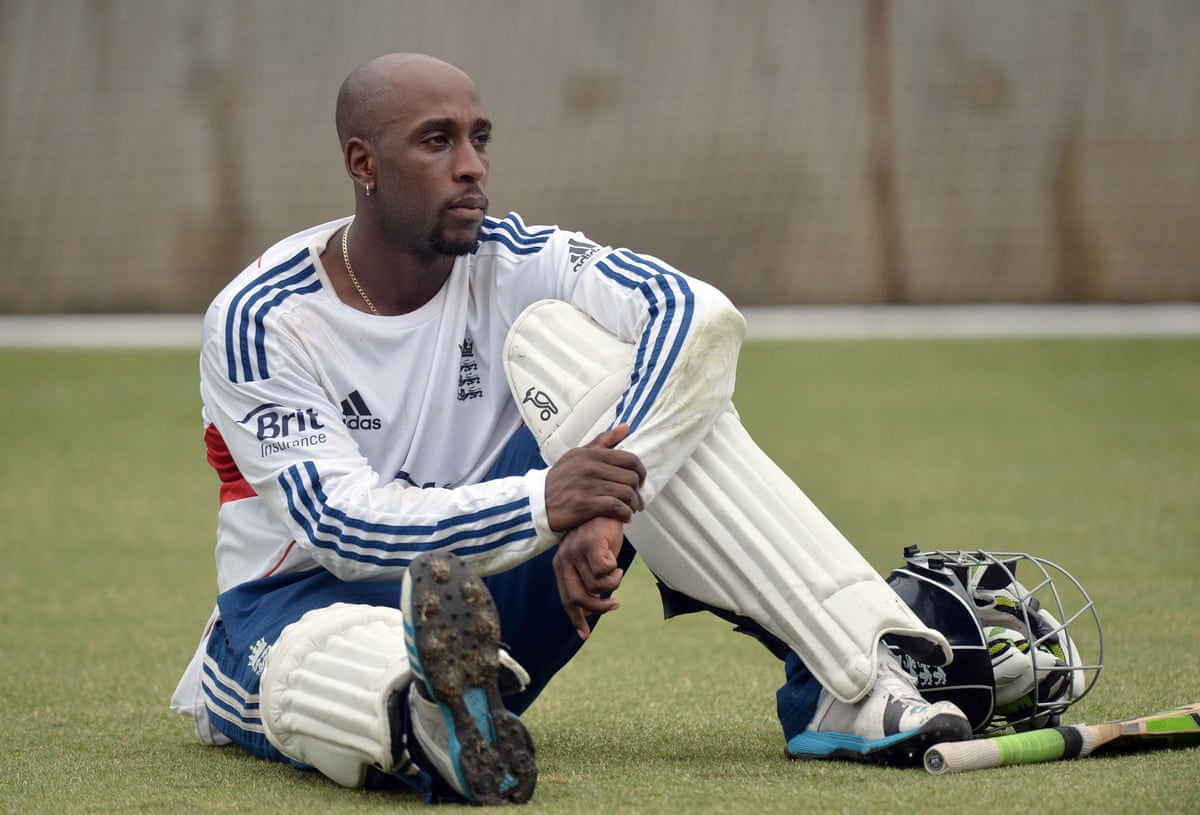
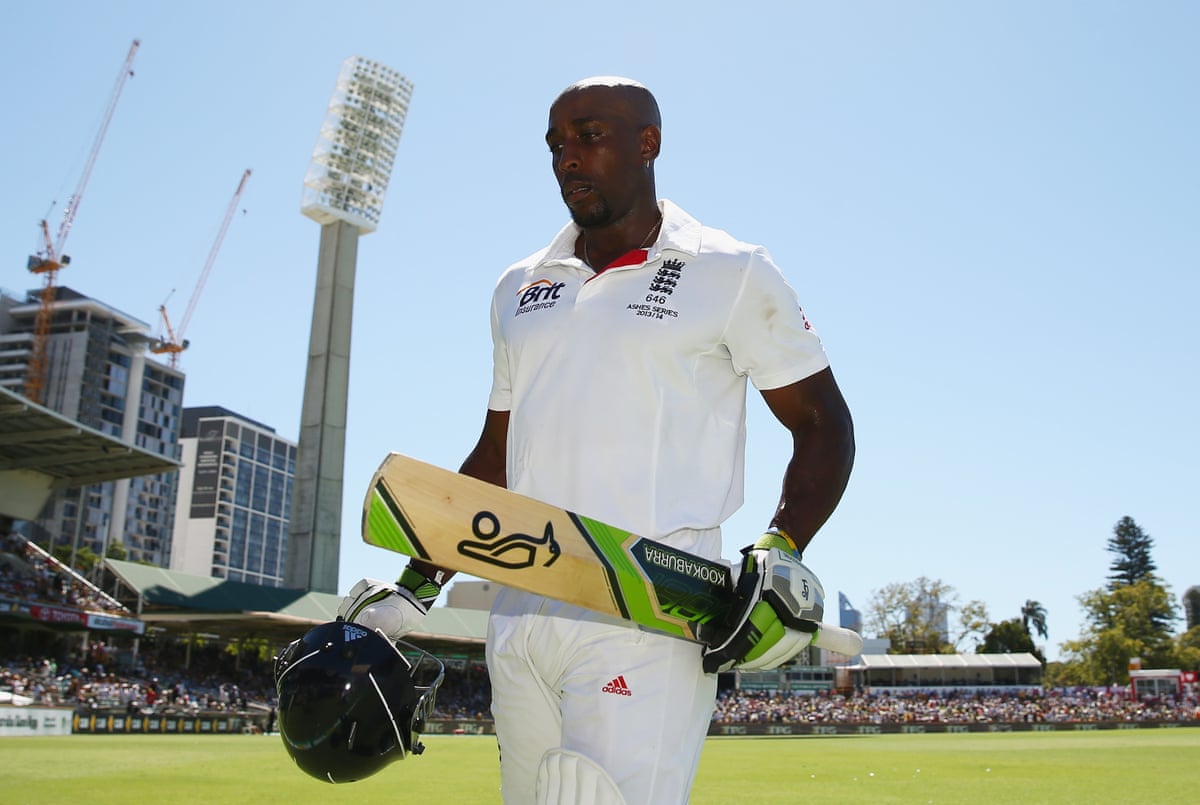
Carberry made his ODI debut at age 32 in September 2013 and was unexpectedly recalled for the Ashes tour that winter. Despite England’s 5-0 defeat, he earned praise for his resilience against Mitchell Johnson, scoring over 30 in eight of ten innings and facing more balls than any other England batsman. Nevertheless, he was dropped from future plans shortly after.
It was what I worked my entire career for, to face the best, in their own backyard, in front of millions of cricket fans across the world. Little boy from the poor side of south-east London, who’d have thought? It’s the stuff of dreams. My family weren’t flowing with money but what resources we did have went into giving me a chance. There was just immense pride knowing the sacrifices my family had made to get me there.
Australia were outstanding, I’ll give them their flowers. It was some of the toughest bowling I’ve seen but I enjoyed the challenge. I enjoyed the way Australia played their cricket. They give it to you hard but they’re respectful to anyone who’s willing to dig in.
I had Mitch [Johnson] fresh and firing with that new rock every time, there was no hiding place. And they had Ryan Harris at the other end, bowling 145kph, great skills. People have asked me what it was like. Well, it’s what you train for. That was the thrill for me. I never prepared to play first-class cricket, I prepared to play Test cricket. And if I didn’t play Test cricket then I’d become a very good first-class player. That was my mindset.
It was clear from the first Test match that things weren’t great. We had people leave the tour for various reasons, Cook and Flower were under fire from the media. I didn’t feel there was collective cohesion. There were characters who were coming towards the end and I don’t know if they wanted to be there or not. They’d already achieved what they needed to.
The reason the selectors gave [for dropping him the next summer] was annoying because I can’t change my age, and I don’t think I’ve suddenly aged that much in three months, but what can you do? It was one of those frustrating points in my career that will always feel like unfinished business.
The C-word
In the middle of the 2016 season, Carberry sought medical tests after feeling unwell and was diagnosed with a cancerous tumour, marking the most challenging period of his career.
It was potentially life-threatening. I tried to play through it, probably foolishly, but I had very little energy and lost nearly two stone, so I knew there was a problem. I took it upon myself to go and get some tests done. Getting the news was a surreal moment but what hit home how severe things were was when I had to break it to my mum. She was heartbroken, I don’t think she’s ever been the same since. I’m her only child and she’d been through my lung issues with me only a few years before that.
If I hadn’t been fit and healthy, I think it could have been a lot worse. I don’t think we’d be doing this interview right now. The operation was very painful and it was another long recovery. Am I going to be able to make it back from this and do the things I used to be able to do? All those things go through your head.
Initially I thought I wouldn’t make it back for the start of the 2017 season but rehab went better than I thought. We managed to get it over the line, but it was a very, very tough time in my life.
Carberry/Nixon
During the 2017 season, Carberry announced his move from Hampshire to Leicestershire, taking on the role of club captain at Grace Road. After a winless Championship season the previous year, the Foxes started promisingly under his leadership. However, a conflict with head coach Paul Nixon led to Carberry’s removal as captain. Without formally announcing retirement, he left the game abruptly, with his contract terminated by mutual consent in October 2018.
I was disappointed with how the PCA allowed Paul Nixon to do the things he did. That led to my decision to walk away. I didn’t go for the big song and dance, the guard of honour. I just walked away, which surprised a few.
I went to Leicester with the purest of intentions, to try and turn a losing team and structure into a winning outfit. I had the benefit of playing at some very big clubs who were serial winners. I felt I was in a good space to lead some good, young players who needed some direction, the club needed direction. I knew we weren’t going to get a lot of new recruits so it was very much working with what we had. Could I turn the dial on some of the attitudes around the club?
Was that the right way to go? Questionable. I think it’s very difficult to change everybody’s mindset. I would probably have been better off trying to take one or two youngsters and saying this is how you should do things. It’s very difficult to train 30-year-olds on how to behave as a professional. I also learned that there are certain people who don’t want to be helped. I was putting water in a bucket full of holes, probably to the detriment of my own game.
I look back and question what Paul Nixon’s motives were for taking that job. I don’t think we were aligned at all. If you look through his coaching career, it’s always ended up the same way – in the rubbish bin. He’s about building Paul Nixon the brand, whereas I turned up there saying: “In the two or three years that I’m here, can I turn Leicester into a decent cricket team that can hopefully win some stuff.”
The characters Paul Nixon wanted to bring in didn’t align with me, and as captain I wasn’t a puppet. Why would you bring troublemakers to a team that’s already troubled? That doesn’t make sense. That’s where we butted heads. I left thoroughly disillusioned with the game and its administrators. I didn’t even turn my hand to club cricket. I don’t regret doing it, I went with how I felt. I was done and I walked away.


