

Group 1: India Defeats Pakistan by 64 Runs
India posted 170 for 6 and defeated Pakistan, who scored 106, by 64 runs in their opening match of the Women’s T20 World Cup.
Deepti Sharma’s Five-Wicket Haul and Mandhana’s Half-Century Propel India
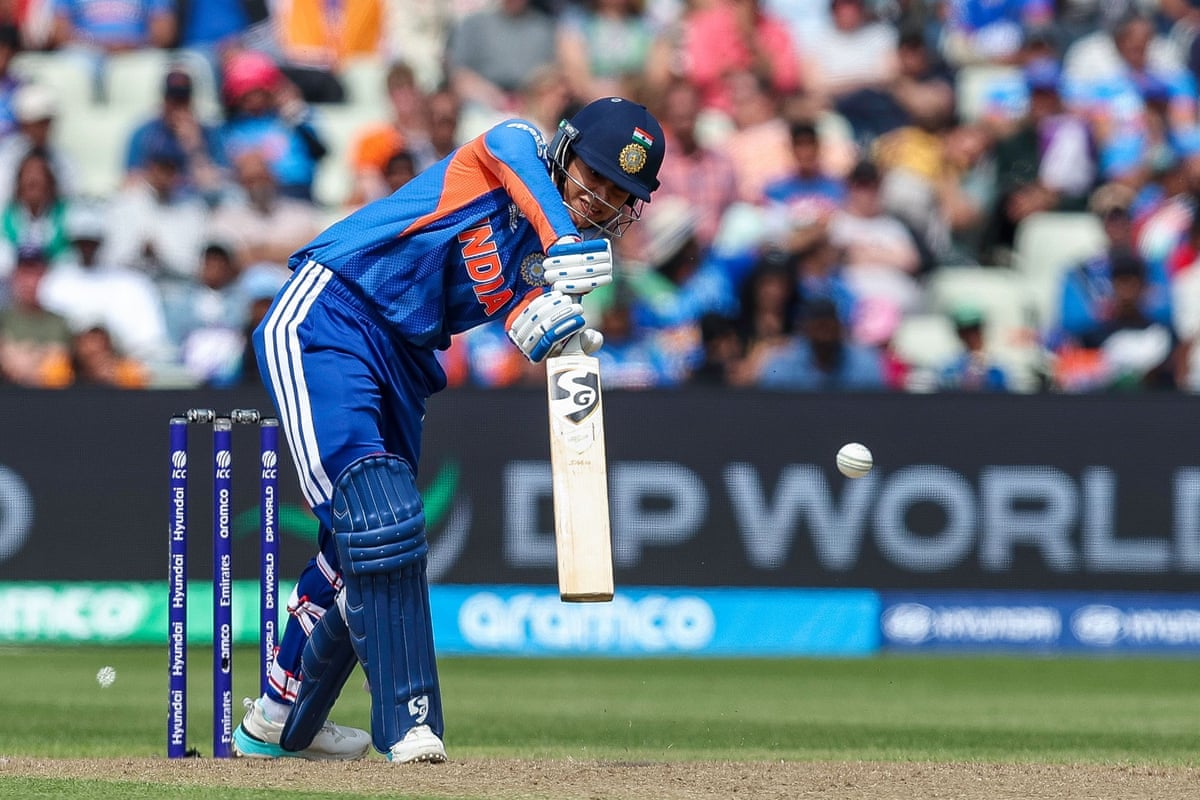
Deepti Sharma delivered an outstanding bowling performance, taking five wickets for just 10 runs, while Smriti Mandhana contributed a significant 68 runs off 44 balls. Sharma’s efforts in the second half of the innings helped Harmanpreet Kaur’s team secure a commanding victory in Birmingham.
Pakistan’s Promising Start Fades Against India’s Spin Attack
Pakistan began their chase of 171 strongly, reaching 52 for one at the end of the powerplay, with Muneeba Ali playing aggressive shots. However, Sharma, who was named player of the tournament at last year’s ODI World Cup, applied pressure with her off-spin, building dot balls and restricting scoring opportunities. Pakistan struggled to counter the spin, frequently hitting the ball to fielders in the covers, and were reduced to 79 for six within 13 overs. Sharma also contributed in the field by running out Muneeba, who scored 41 runs. This defeat marked Pakistan’s fourth consecutive loss to India in Twenty20 matches.
India’s Strong Start Reflects Domestic Support and Experience
This victory was a solid beginning for the reigning 50-over world champions, who aim to excel in the shorter format. India benefits from the Women’s Premier League, a domestic competition that attracts top international players. Conversely, Pakistan has yet to advance beyond the group stage in the T20 World Cup, and plans to establish a women’s franchise league have not materialized. The rivalry between the two teams remains intense but uneven.
Political Tensions Overshadow the Cricketing Contest
The match carried political undertones reminiscent of previous encounters. Prior to the game, India’s captain Harmanpreet Kaur was questioned about the possibility of handshakes between the teams, referencing incidents from last year’s Asia Cup when the men’s teams refrained from such gestures following armed conflict between the countries. Similar tensions were evident during the 50-over World Cup eight months earlier between Harmanpreet and Pakistan captain Fatima Sana.

“We are here for cricket, and we only talk about cricket,” Harmanpreet said on Saturday.
Despite this statement, no handshake occurred at the toss or after the final wicket, underscoring the match’s significance beyond sport.
Match Context and Early Overs
The fixture followed the Netherlands’ inaugural Women’s T20 World Cup match, a close contest with Bangladesh decided in the final over, which had an early 10:30 am start. The crowd grew for the headline match, with Edgbaston predominantly supporting India. Pakistan initially had the upper hand; Shafali Verma hit a six off the first ball but was dismissed shortly after by Sadia Iqbal’s arm ball. Jemimah Rodrigues was also dismissed early, leaving India at 18 for two within four overs.
Mandhana and Harmanpreet Rebuild India’s Innings
Two of India’s leading run-scorers in the format, Mandhana and Harmanpreet, combined to stabilize the innings with a 91-run partnership in 11 overs. Mandhana impressed with her aerial shots over the offside. She was dropped on 27 when attempting a shot against left-arm quick Tasmia Rubab, with Aliya Riaz failing to hold a catch at mid-off. Mandhana capitalized on the reprieve, hitting the same shot for six minutes later.
Mandhana reached her half-century off 34 balls. Pakistan’s fielding lapses continued with another drop at deep midwicket, increasing pressure on the bowling side. The crowd’s enthusiasm grew, waving Indian flags and creating a supportive atmosphere resembling a home game for India.
Pakistan momentarily regained composure when Fatima Sana took a fine catch at long-on to dismiss Mandhana. Harmanpreet was later dismissed by Sana for 36 runs. Richa Ghosh then provided a strong finish, scoring 34 runs off 17 balls, including 20 runs from four consecutive deliveries by Rubab. Pakistan’s batting lacked comparable power throughout the innings.


