

Best player
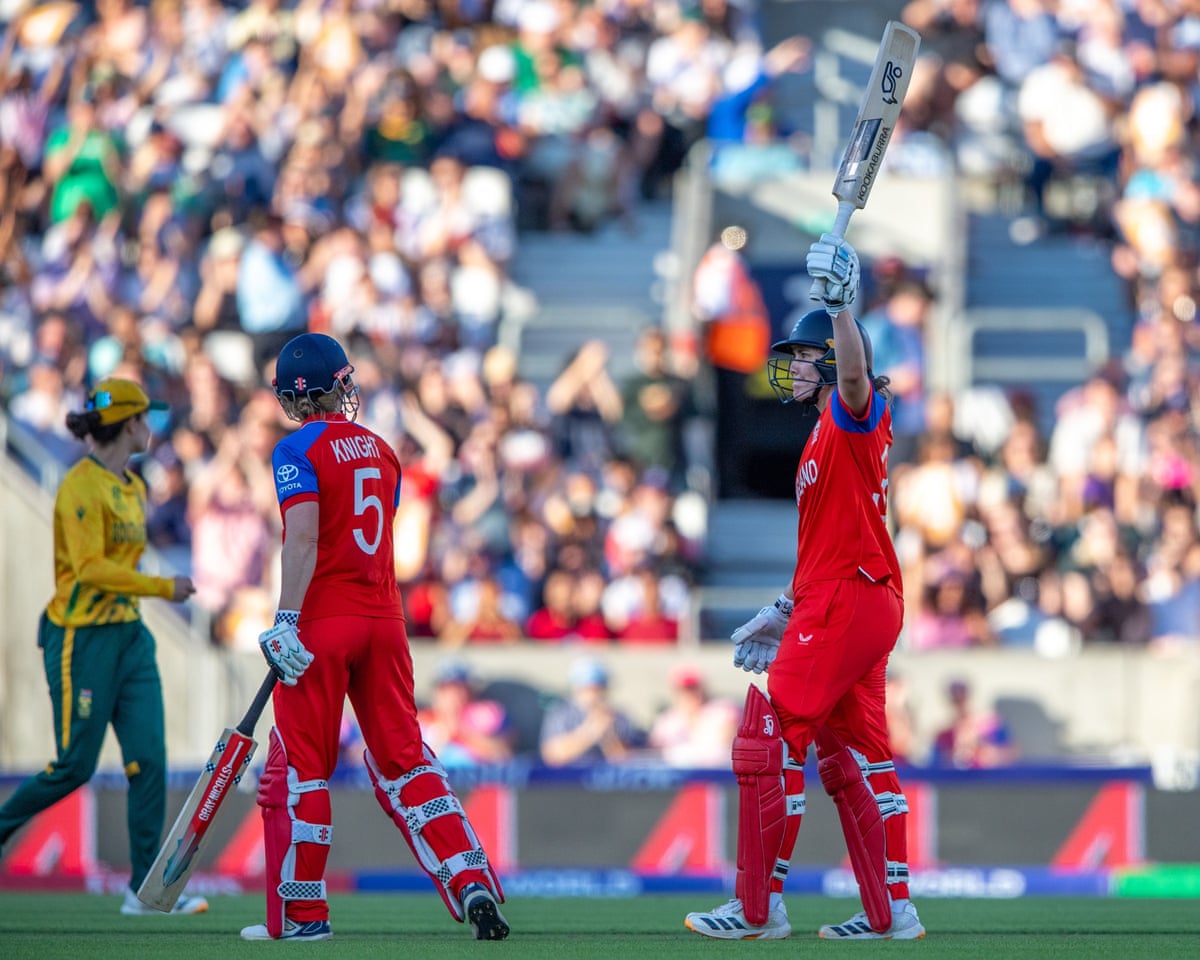
Beth Mooney was a clear choice for player of the tournament, with a strong case also made for Danni Wyatt-Hodge, whose century on the opening night at Edgbaston set a confident tone for England’s campaign, which lasted until they met Australia in the final. However, Nat Sciver-Brunt stands out for her leadership and performance. As England’s captain, she managed extensive media responsibilities during a home tournament and endured personal challenges, including concealing her emotions to maintain team morale. In the four matches she played, her scores were 46 not out, 48, 75, and 58 not out. Although England ultimately fell short, Sciver-Brunt’s efforts were significant in England’s push to bring cricket home.
Best match
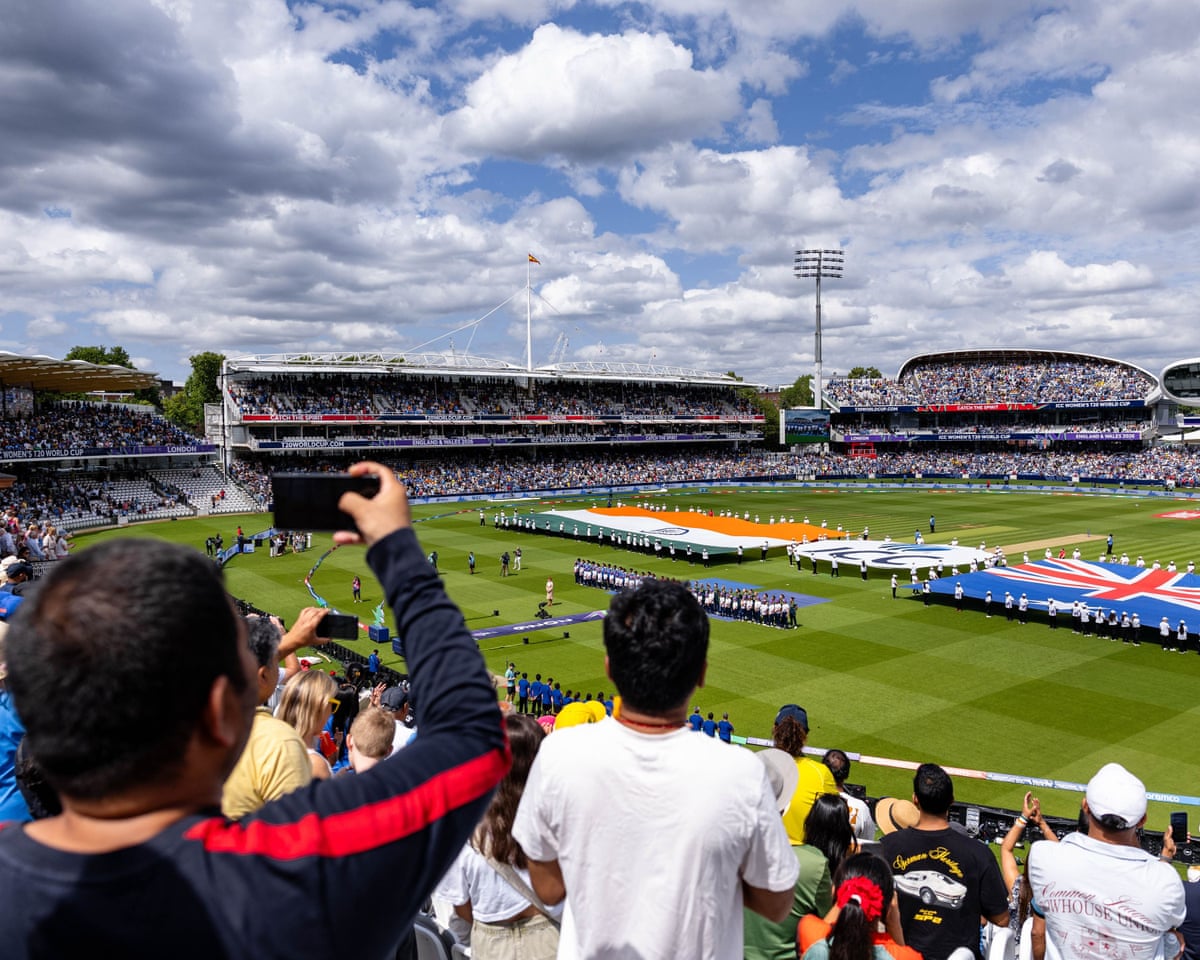
One of the tournament’s most memorable matches was a group-stage game between India and Australia, which, despite being between neutral teams, carried the intensity of a final. Upon India’s arrival at the ground, the Marylebone Cricket Club (MCC) had to use crowd barriers to manage the enthusiastic fans eager to greet Harmanpreet Kaur and her team. This moment underscored the growing passion for women’s cricket, comparable to the men’s game.
India’s supporters filled the stands, cheering every run and setting a new attendance record for a Women’s T20 World Cup group-stage match, with a final crowd of 27,163. Despite the strong support, India was defeated as Ellyse Perry and Ash Gardner expertly paced Australia’s successful chase of 171 runs, winning with an over to spare and eliminating India from the tournament. The fans, however, are expected to return for the upcoming Test match starting on Friday.
Best moment
The performances of Ireland, Scotland, and the Netherlands were a highlight, with all three teams coming close to victories against higher-ranked opponents. A particularly joyful moment was witnessing Scotland’s Kirstie Gordon take a wicket with her first ball at Headingley, a poignant achievement considering she had previously been deemed surplus to requirements by her team.
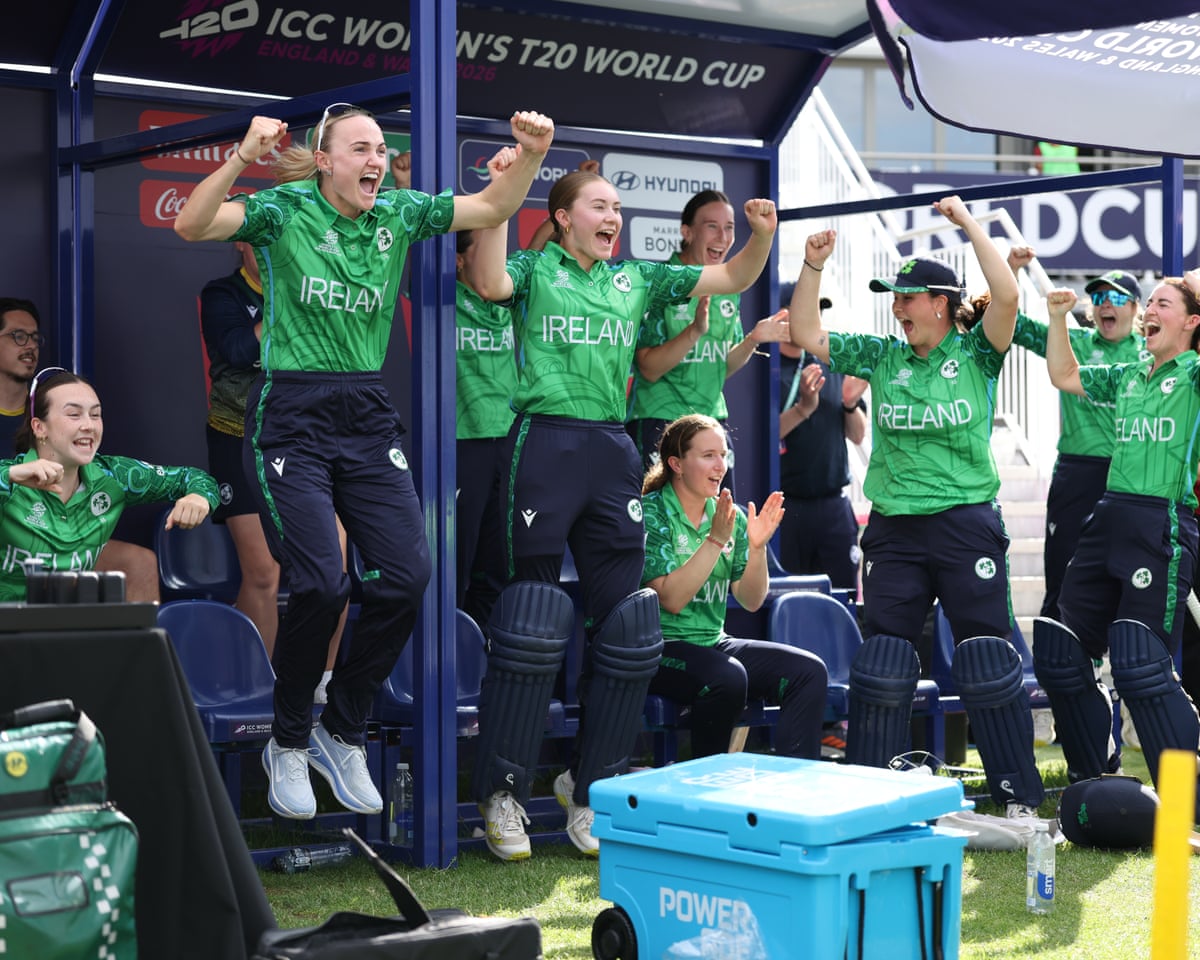
Nonetheless, the standout moment belongs to Ireland. After participating in five tournaments, playing 22 matches, and enduring 12 years without a win, Ireland secured their first victory in a T20 World Cup. This milestone came against the West Indies in Bristol, where Ireland successfully chased a target of 129 runs, propelled by Orla Prendergast’s 63 runs. Video footage of the team celebrating in the dressing room captured the profound significance of this achievement.
Biggest surprise
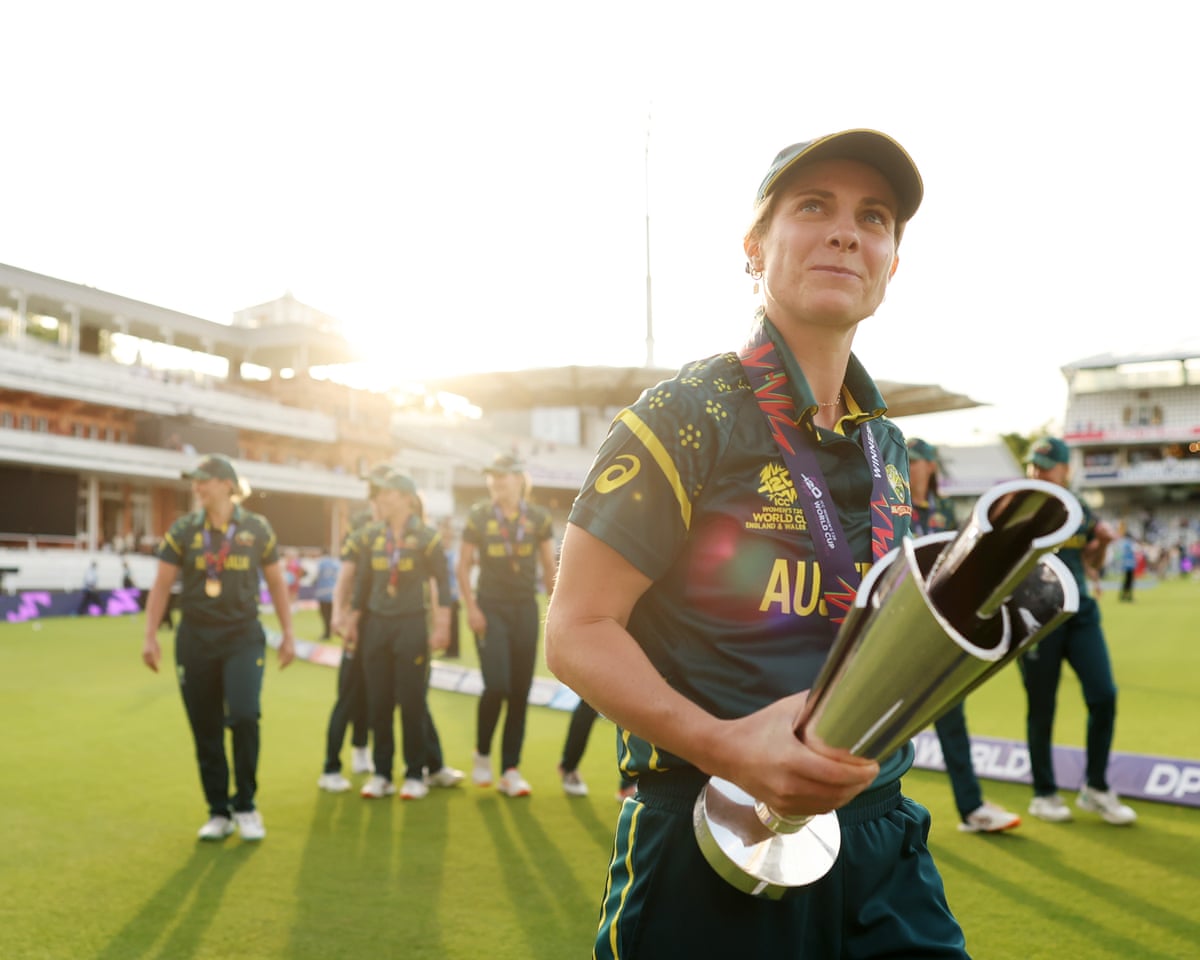
Sophie Molineux’s captaincy was the tournament’s biggest surprise. Many questioned her suitability for the role, doubting whether she could contribute effectively as a bowler or if the team would have to compensate for her limitations. Molineux herself expressed doubts after missing her first series as captain in February due to a back injury.

“It made me feel like it might not work out,”
“I was a bit messy at the start.”
Contrary to expectations, she finished as Australia’s leading wicket-taker, led the team to an undefeated tournament, and brought levity with what Ellyse Perry described as her “unique style” of captaincy.
Most poignant farewell
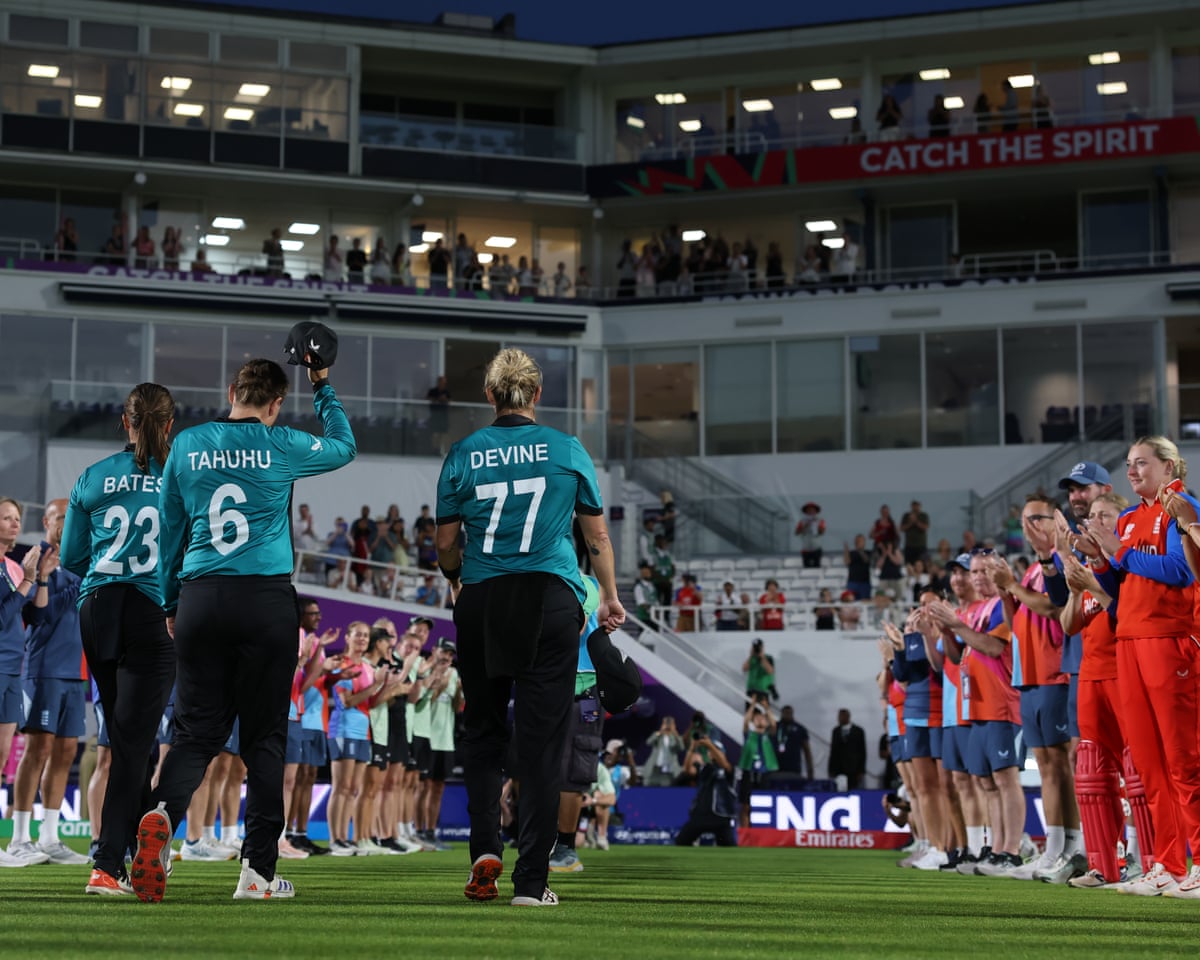
The tournament marked a bittersweet farewell for New Zealand’s reigning champions, who were unable to secure a fairytale ending for their three legendary players: Suzie Bates, Sophie Devine, and Lea Tahuhu. After England’s victory over New Zealand at the Oval, England’s head coach Charlotte Edwards organized a guard of honour to honor the trio. This moment highlighted the end of an era—the last of the amateur generation who played for passion rather than financial reward.
This is the last-gasp of the amateur generation who went into the game for love, not money; we will not see their like again. Excuse me – I think I’ve got something in my eye.
How do teams bridge the gap to Australia?
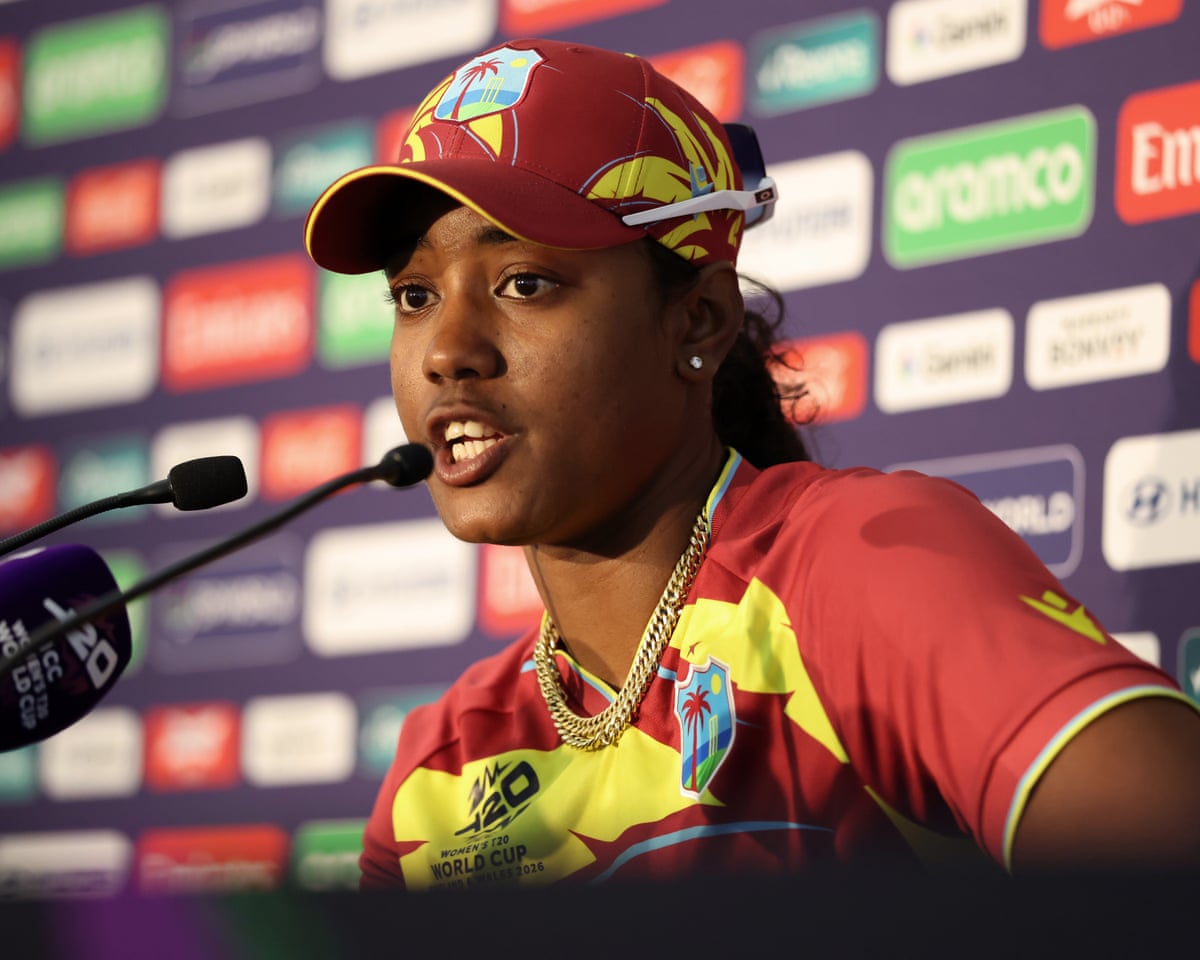
This remains a perennial question. A key step would be a fairer redistribution of the International Cricket Council (ICC)’s revenue. Currently, 40% of the ICC’s earnings go to the Indian cricket board, while the West Indies receive just over 4%. West Indies captain Hayley Matthews highlighted the challenges her team faces after their one-sided semi-final loss to Australia.
“It makes it really hard for us to compete when we don’t have pathway programmes in place, and then teams like Australia have the greatest pathway system where they’re pushing out Phoebe Litchfields from 15 years old every single year,”
“You need a lot of money to do a lot of these things. Within the West Indies, we don’t always have the funds required.”
Redistribution of funds should be a priority, as long as only Australia, England, and India can finance domestic professionalism for their women’s teams, the competitive gap will persist, and the same questions will arise repeatedly.
Was the tournament as a whole a success?
In summary, yes. England’s public standing, which had declined 18 months ago, has been fully restored, as evidenced by the record attendance of approximately 245,000. Over the past three weeks, women’s cricket has quietly integrated into mainstream UK culture, featuring on programs such as The Archers, Bargain Hunt, Antiques Roadshow, and appearing in Vogue magazine.
Whether the tournament will achieve its longer-term goal of creating “a movement, not a moment” remains to be seen. However, there is some concern as Beth Barrett-Wild, the tournament director and key figure behind its legacy plans, is set to leave the England and Wales Cricket Board (ECB) permanently.


