

Leadership and Progress Under Harry Brook
The initial months of Harry Brook’s tenure as captain of England’s white-ball cricket teams have revealed much about his character and leadership. Joe Root, who knows Brook well, reflected on the team’s development and Brook’s controversial incident in Wellington. Root’s remarks upon Brook’s appointment now seem particularly insightful.
“He’s still an idiot, that’s not changed,” Root said. “But as much as he’s an idiot, and I can say that because I’ve known him forever, he’s very cricket intelligent. He might not always be the most intelligent away from cricket, but he understands the game exceptionally well and that’s why he’s so consistent as a batter and I think that’s what will make him a really good leader.”
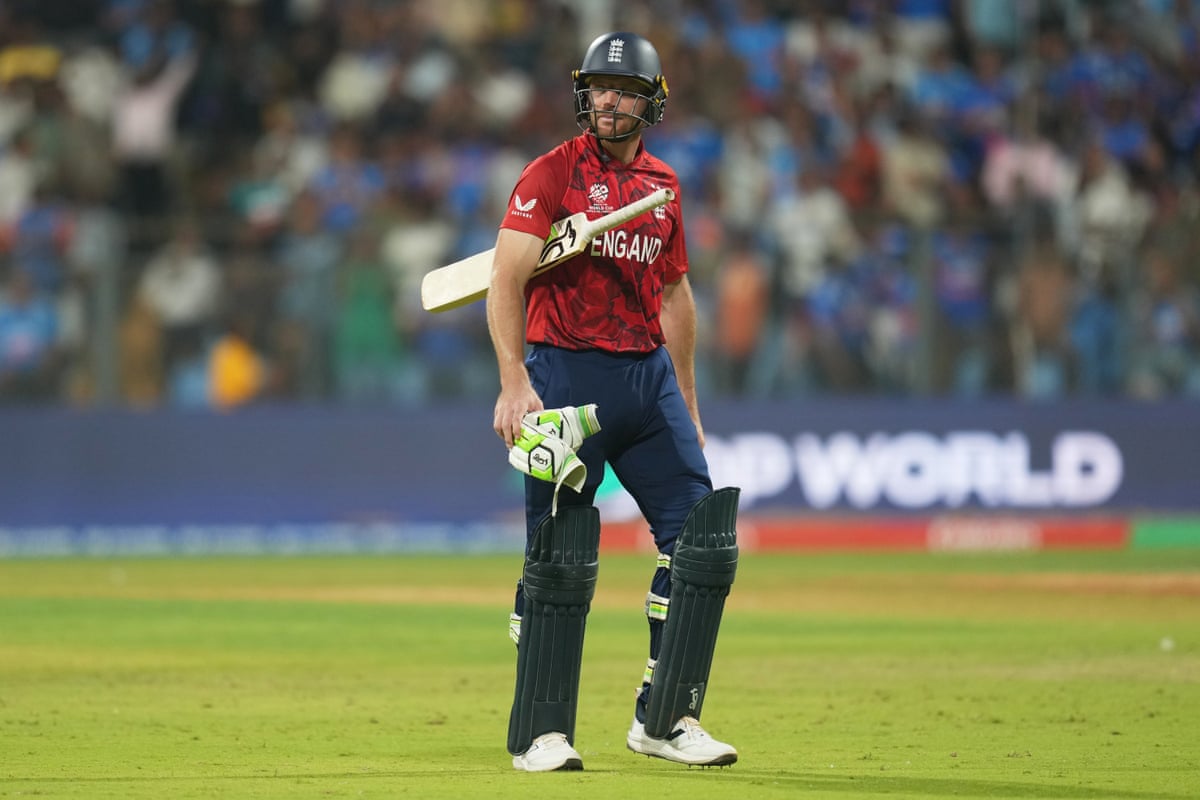
While Root’s comment was made in jest, England’s recent World Cup campaign has notably lacked the kind of errors that have plagued previous tournaments. Under former captain Jos Buttler, England’s campaigns were often marked by questionable decisions such as overloading seam bowlers while neglecting spinners, poor toss choices, and misjudging weather interruptions. Although this team has not been outstanding, it has avoided such avoidable mistakes, marking a significant improvement.
Team Environment and Relationships
During the tournament, Jacks praised the leadership of Brook, describing this period as “the era of Harry Brook as white-ball captain.” He emphasized the positive atmosphere within the group under Brook’s guidance.
“I think the environment around the group, led by him, is absolutely brilliant,” Jacks added. “I think that’s why we’ve had some success.”
Eight years prior, Brook captained a team that included Jacks and Tom Banton at the Under-19 World Cup. This current squad benefits from many players who share strong bonds with Brook. Reflecting on this, Brook stated:
“They have to be good enough cricketers to get in the team, but I do think it makes a big difference when you know that someone has your corner and will fight for you until the last ball.”
Brook’s loyalty is reciprocated by his teammates. Despite his mistake in lying about being alone during the Wellington incident, his willingness to protect his friends and teammates has fostered trust within the group.

Individual Performances Amid Collective Challenges
While the team’s overall performance was mixed, several individual players delivered impressive displays. Jacks returned with four man of the match awards, consistently rescuing the team from difficult situations. Jacob Bethell showcased his exciting potential, and Brook himself contributed significantly. Jofra Archer bowled effectively in all venues except Mumbai, where he struggled. Rehan Ahmed made a notable impact in a brief appearance, bowling 18 balls and facing seven deliveries.
Team Dynamics and Future Outlook
The squad is not a unified band of brothers but consists of smaller groups formed by age and background similarities. This dynamic may evolve as the team undergoes rejuvenation ahead of the next World Cups: the 50-over tournament in South Africa, Zimbabwe, and Namibia in 18 months, and the subsequent shorter format event in Australia and New Zealand a year later.
Looking ahead, Jos Buttler will be 38 at the start of the next T20 World Cup. Regardless of his recent performances, discussions about succession are inevitable. England’s seam bowling, exposed by India’s dominant batting on flat pitches, remains a concern. Adil Rashid, who is also 38, has deliberately reduced his bowling speed but had his most prolific T20 World Cup. Jamie Overton appears to be a reasonable solution currently, but a stronger option is needed by 2028.
Coaching and Team Spirit
Brendon McCullum’s appointment as coach of England’s red-ball side initially suggested a preference for shorter formats, a notion that remains valid. Despite England’s inconsistent performances in this tournament, McCullum’s reputation has been revitalized. Known for his relentless positivity and popularity, he has fostered a well-liked team environment.
Overall, while England’s campaign was imperfect, the absence of fundamental errors and the emergence of a positive team culture under Harry Brook’s leadership provide reasons for optimism.


