Potential Exclusion of Pakistan Players in The Hundred Raises Legal and Ethical Concerns
The potential exclusion of Pakistan players from The Hundred cricket competition could violate UK anti-discrimination laws and expose the England and Wales Cricket Board (ECB) to legal challenges.
The situation can be likened to inviting a tiger for tea: despite the initial excitement, the tiger ultimately takes more than it gives. Similarly, agreeing to terms set by the party with the greatest influence often means losing control over decisions. Accepting money without scrutiny can lead to unforeseen consequences, as English cricket currently experiences amid a growing crisis.
A pressing question remains unanswered: could the ECB, The Hundred franchises, and their county partners face employment discrimination claims if Pakistan players are absent from next season's roster?
The immediate response is likely no, as no official exclusion has occurred. The BBC reported that the four Indian-owned Hundred franchises have reservations about hiring Pakistani players, which the ECB has firmly denied, asserting no shadow ban exists. However, these remain speculative concerns and early anxieties about the evolving situation.
More significantly, the mere possibility of such exclusion is damaging. The ECB’s high-profile commercial venture, marketed as a beacon of transparency, modernity, and inclusivity, risks contradicting its stated values by potentially excluding players based on nationality.
If the message becomes that Pakistani players are unwelcome, the entire foundation of The Hundred’s image—its marketing, its rhetoric about equality, and its public commitments—would be undermined.
Legally, the possibility of action exists. The ECB has reason to be concerned, as the situation could escalate if certain patterns continue. This week, ECB executives, including chief executive Richard Gould and chair Richard Thompson, have been actively attempting to manage the fallout from this issue, which ironically stems from decisions made during the sale of a portion of the competition to Indian-owned private equity.
Crucially, the ECB was forewarned but failed to impose strict safeguards during the sale process. Gould notably downplayed concerns about potential political influence accompanying the investment from Indian interests.
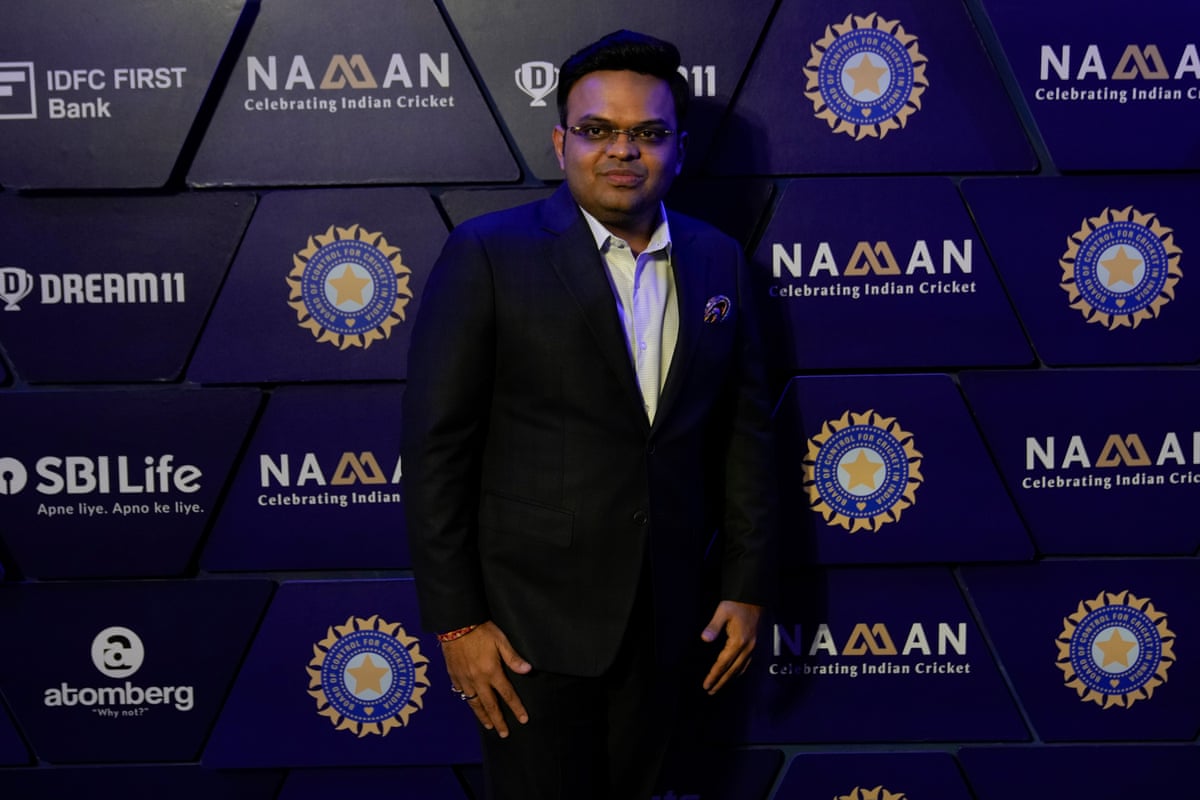
It is widely acknowledged that cricket selection globally is influenced by the tense political relationship between India and Pakistan. Indian cricket often aligns with the policies of the ruling Bharatiya Janata Party (BJP), led by Narendra Modi. Jay Shah, chair of the International Cricket Council (ICC), is the son of Modi’s oldest political ally, highlighting the close ties between cricket administration and Indian national politics.
These realities are openly acknowledged within cricket’s global governance, where a nationalist movement within India exerts significant influence over the sport’s infrastructure.
Within English cricket, it has been understood that the high purchase prices paid for The Hundred franchises factored in the power and control wielded by Indian investors. Lancashire chief executive Daniel Gidney even suggested selling a stake directly to the Board of Control for Cricket in India (BCCI), effectively ceding influence to the Indian government.
This dynamic illustrates English cricket’s persistent dependence on external funding and influence.
Currently, the player auction list for the men’s Hundred is being reduced from 710 to approximately 200 players, including 63 from Pakistan. The ECB has issued warnings to franchises about potential "action" should evidence of discrimination arise during player selection.
What form this action might take remains unclear, though there has been mention of possible referral to the Cricket Regulator.

Given the current sensitivities, it would be surprising if no Pakistani players are included in the longlist. However, two common arguments have been presented to justify a Pakistan-free roster: first, that no deliberate exclusion policy exists, and second, that Pakistan players are not of sufficient quality to be selected. Both justifications are flawed, with the latter being particularly significant.

Legal Implications Under UK Equality Law
According to Susan Perry, partner at law firm Brecher LLP,
"Discrimination on the basis of nationality, ethnicity or national origins is a form of race discrimination under the Equality Act 2010. It applies to both prospective and current employees. There are certainly some issues to be considered at ECB and franchise level, with who might be most at risk of a claim depending upon how the contracts are structured."
The argument that Pakistani players are not good enough is weakened by objective evidence: the top run-scorer at the current T20 World Cup is a Pakistani player who is included in the current Hundred auction list.
It is important to clarify that the legal fault lies in failing to consider candidates fairly during recruitment, not merely in the outcome of employment decisions. Discrimination claims do not require absolute proof; a balance of probabilities suffices, and favorable treatment of others can be inferred from context. The law is rigorous and persistent in this regard.
UK employment law may apply to overseas entities under certain conditions, thus counties involved in The Hundred could also be vulnerable. They must demonstrate that they have taken reasonable steps to ensure equal treatment for all potential employees throughout recruitment.
The ECB’s exposure is more complex but significant. Given precedents in other franchise leagues, it was foreseeable that exclusion issues could arise. For example, the two IPL-affiliated ILT20 franchises in the UAE, sister clubs of MI London and Southern Brave, have not signed any Pakistani players in four seasons. Similarly, Indian-owned teams in South Africa’s SA20 league have never signed Pakistani players.
The ECB has publicly acknowledged awareness of these patterns but previously dismissed the likelihood of similar issues arising in The Hundred. Last year, Gould stated,
"We’re aware of that in other regions, but that won’t be happening here."
However, the reality suggests otherwise.
While court proceedings may not materialize, the possibility that The Hundred could breach UK anti-discrimination laws is a serious concern.
Moral and Ethical Considerations
Beyond legal risks, the moral implications are profound. The ECB must consider how it has placed English cricket in this precarious position. The prospect of merely avoiding legal claims under anti-racism laws as a success is troubling.
This situation conflicts with the ECB’s ongoing commitments to inclusion and outreach. It raises questions about how young players of Pakistani origin will perceive their opportunities within local franchise pathways.
These concerns are at odds with the ECB’s State of Equity report, published in November last year, which highlighted progress in engaging ethnically diverse communities. The report, introduced by Gould, emphasized ambitions to make cricket "the most inclusive team sport" in the country.
Gould urged continued efforts to foster anti-racism and active allyship among counties, citing initiatives such as street cricket sessions aimed at encouraging participation from Pakistani communities in Milton Keynes.
However, these efforts lack credibility if Pakistani players are effectively excluded from The Hundred.
It is hoped that political pressures and the risk of reputational damage will prevent such exclusion. Otherwise, the ECB’s leadership faces significant accountability.
In November, Gould expressed his readiness to be held accountable for progress on equity, diversity, and inclusion, stating,
"I am willing to be held to account when it comes to our ambitions around equity, diversity and inclusion."
These words now carry heightened significance as the situation unfolds.